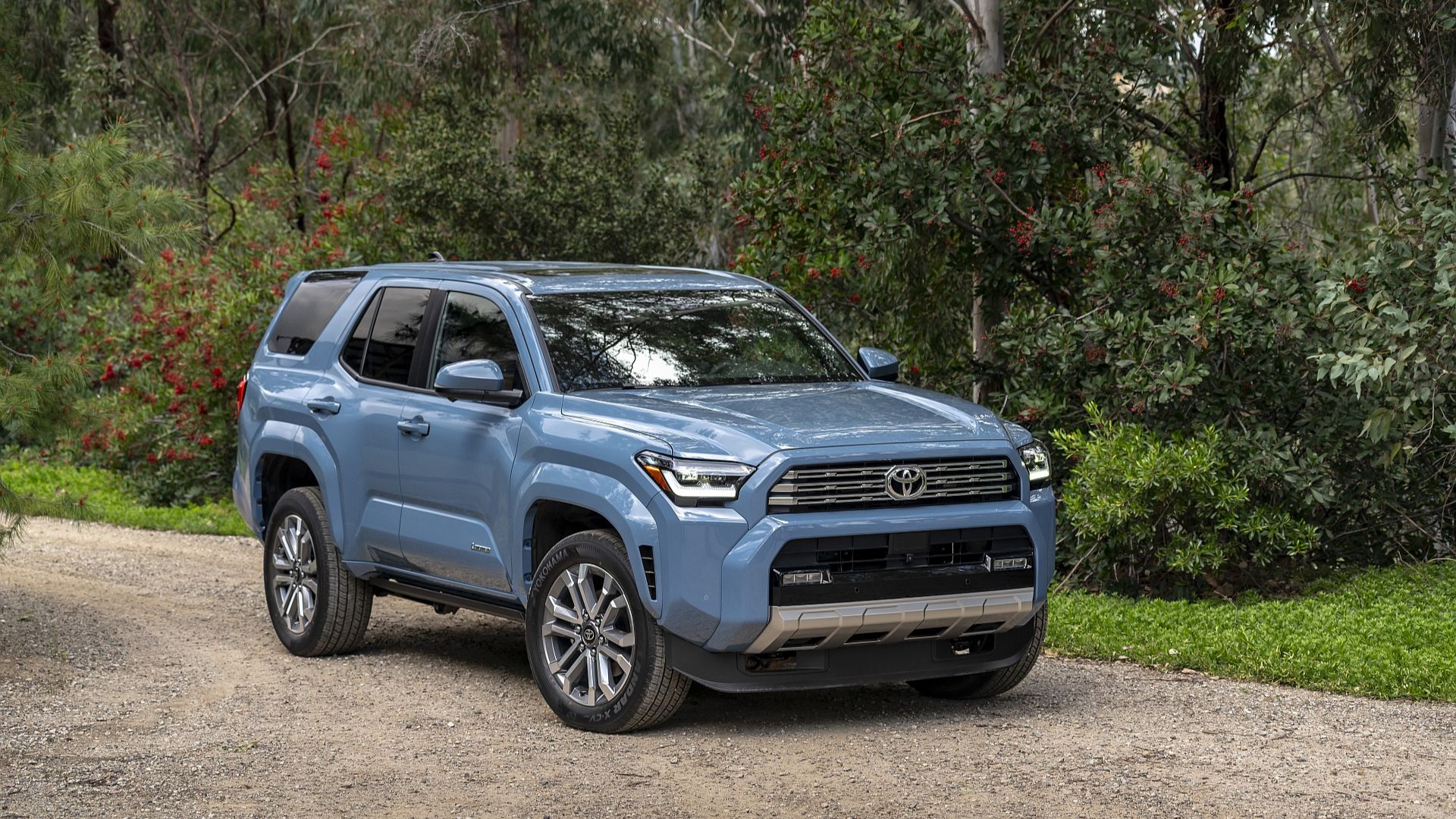
The Toyota 4Runner’s color palette has evolved significantly to balance its rugged, off-road identity with modern consumer preferences, featuring shifts toward matte finishes, the introduction of heritage-inspired heritage hues, limited-run exclusive specialty shades, advanced paint technologies for enhanced durability, and a more carefully curated selection of neutral tones.
Introduction to the Evolution of Toyota 4Runner Aesthetics
Few vehicles occupy as distinctive a space in automotive culture as the Toyota 4Runner. Renowned for its body-on-frame durability, mechanical reliability, and uncompromising off-road capability, the 4Runner has historically prioritized function over fashion. However, exterior paint colors have quietly become one of the most defining characteristics of 4Runner ownership. For enthusiasts and casual buyers alike, the choice of paint goes beyond mere aesthetics; it signals trim-level hierarchy, communicates a sense of adventure, and often impacts residual values on the secondary market.
Over recent production cycles, Toyota’s strategy regarding the 4Runner color palette has undergone a noticeable transformation. Moving away from a purely utilitarian approach of standard silvers, blacks, and whites, the manufacturer has turned the 4Runner into a canvas for bold, heritage-inspired, and technologically advanced paint formulations. Analyzing these shifts reveals how consumer demand, manufacturing capabilities, and marketing strategy intersect in the modern SUV market. Below is an in-depth examination of the five key changes that have reshaped Toyota 4Runner colors, offering a roadmap for buyers navigating current options, heritage releases, and aftermarket expectations.
1. The Rise of Heritage and "TRD Pro Exclusive" Colors
The most prominent shift in the 4Runner color ecosystem is the introduction and expansion of rotating, low-volume "heritage" and TRD Pro exclusive colors. For decades, automotive manufacturers typically relied on a static color menu where shades remained largely unchanged for a vehicle's generation. Toyota disrupted this model by introducing a signature, highly sought-after color for its halo off-road trim—the TRD Pro—every single model year.
The Psychology of Limited Availability
By attaching specific colors to specific production years, Toyota manufactured a sense of urgency and exclusivity. Shades like Quicksand, Cement, Voodoo Blue, Army Green, Lunar Rock, Lime Rush, and Solar Octane have transformed from simple paint codes into cultural touchstones within the automotive community.
- Quicksand (2016): Brought a utilitarian, desert-operational aesthetic to the 5th generation.
- Army Green (2020): Tapped into a classic military and forestry aesthetic that resonated heavily with overland builders.
- Solar Octane (2023): Pushed the boundaries of high-visibility, high-energy chromatic choices.
Residual Value and Market Impact
These exclusive colors have fundamentally altered the depreciation curve for used 4runners. Historically, standard colors like Magnetic Gray Metallic or Super White held predictable, average market values. In contrast, well-maintained TRD Pro models wearing retired exclusive hues often command a substantial premium on the pre-owned market. Buyers actively seek out these specific years precisely because the paint color acts as an immediate identifier of the vehicle's model year and trim heritage, creating a micro-economy within the broader 4Runner resale space.
2. Integration of Matte and Flat-Textured Finishes
Traditional automotive painting techniques rely heavily on clear-coat gloss applications designed to maximize reflectivity and mirror-like finishes. However, the modern off-road and overland lifestyle heavily prizes a utilitarian, no-nonsense aesthetic. This cultural shift has driven the second major change in 4Runner colors: the experimentation with and adoption of flat, satin, and low-gloss visual qualities—and in some related vehicle sectors, true matte manufacturing.
The Overlanding Aesthetic
In the overlanding community, shiny clear coats are frequently viewed as liabilities susceptible to pin-striping from narrow brush trails and branch impacts. While traditional gloss paints still dominate factory lines for ease of maintenance, Toyota’s palette adjustments have heavily favored flat-pigment formulations. Colors like Cement and Lunar Rock utilize high gray-scale saturation with minimal metallic flake, creating a non-reflective, industrial appearance even under direct sunlight.
Maintenance and Practical Realities
For owners navigating this shift, choosing a flat-toned or non-metallic paint changes the daily ownership calculus:
- Scratch Visibility: Flat and solid-pigment non-metallic paints often hide fine surface scratches and swirl marks better than deep metallic blacks or dark blues.
- Touch-Up Challenges: Matching matte or highly specialized flat hues can be more complex for body shops compared to standard universal metallics, requiring precise application techniques to avoid patchiness.
- Washing Protocols: Modern low-gloss clears and flat paints require specialized washing detergents that do not leave gloss-enhancing waxes or sealants, which can ruin the intended matte appearance.
3. Advanced Paint Chemistry and Durability Enhancements
Aesthetics are only half the battle for a vehicle designed to traverse gravel roads, salt-sprayed coastal highways, and abrasive muddy trails. The third major evolution involves the chemical composition of the paints themselves, moving toward advanced formulations designed to resist environmental degradation.
Multi-Stage Metallic and Ceramic Infusions
Modern 4Runner paints utilize sophisticated multi-stage processes that incorporate aluminum flakes, mica pearls, and advanced UV-inhibiting clear coats. These are not merely decorative choices; they serve structural and protective purposes:
- UV Resistance: High-altitude driving and desert expeditions expose vehicles to intense ultraviolet radiation, which causes standard single-stage paints to chalk and fade. Toyota’s updated clear-coat formulations provide superior barrier protection.
- Chip Mitigation: Front-facing surfaces on the 4Runner—such as the upright grille surround, hood, and front bumper—are notoriously vulnerable to rock chips due to the vehicle's boxy aerodynamics. Enhanced elasticity in modern urethane paint binders helps absorb minor impacts without immediate fracturing down to the bare primer.
Environmental Regulations and Water-Based Formulations
Behind the scenes, regulatory shifts have forced a complete overhaul of how automotive paint is mixed and applied. Toyota, alongside other global manufacturers, transitioned entirely to water-based basecoats to drastically reduce volatile organic compound (VOC) emissions in manufacturing plants. While this is an ecological victory, it required significant chemical engineering to ensure water-based paints matched the longevity, depth, and chip resistance of historical solvent-based alternatives.
4. Pruning and Curation of Neutral Color Menus
While specialty colors capture the automotive headlines, the backbone of any vehicle lineup remains its neutral options. The fourth key change in 4Runner colors is the strategic curation and reduction of generic neutral palettes in favor of higher-contrast, modern grayscale selections.
The Elimination of Traditional Tones
Older model years featured a wider array of standard silvers, muted champagnes, and dark emerald greens. Over time, market research and inventory management streamlined these choices. The traditional spectrum has been concentrated into four core pillars:
- Super White / Ice Cap: The perennial choice for fleet, commercial, and minimalist overland builds.
- Midnight Black Metallic: Offering deep reflection, though notoriously difficult to keep clean in off-road environments.
- Magnetic Gray Metallic: A versatile, medium-dark charcoal that bridges the gap between urban sophistication and trail readiness.
- Classic Silver Metallic: A timeless choice that masks dust and minor scratches exceptionally well.
Trim-Restricted Color Codes
Toyota has increasingly utilized color gating to differentiate trim levels. Certain neutral tones or premium metallics are locked behind specific grades (such as Limited, TRD Off-Road, or TRD Pro). For instance, buyers seeking a classic monochromatic luxury look on a Limited trim will find a different color matrix available compared to a buyer selecting the utility-focused SR5. This segmentation ensures that vehicles remain visually identifiable from a distance, reinforcing brand hierarchy on the highway.
5. Cultural Customization and the Factory-to-Aftermarket Pipeline
The fifth and final evolution is not strictly a change in the factory paint bucket itself, but rather how Toyota designs its color choices to integrate seamlessly with the massive aftermarket customization ecosystem.
Designing for Contrast
Modern 4Runner colors are specifically formulated to contrast with the matte black plastic cladding, dark alloy wheels, and anodized aluminum accessories favored by builders. Where older automotive palettes were designed to blend everything into a uniform monochromatic block, recent 4Runner colors—such as Lime Rush or Cavalry Blue—act as high-contrast backdrops for aftermarket modifications:
- Roof Racks and Roof Tents: Modern paint tones complement black powder-coated aluminum mounting hardware.
- Vinyl Wrapping and Accent Painting: Many owners use factory paint as a base layer for partial color-blocking, matte black hood decals, or color-matched interior trim pieces.
Summary Comparison of 4Runner Color Eras
| Feature / Era | Traditional Era (Early 5th Gen / Past Generations) | Modern Era (Recent Production Cycles) |
|---|---|---|
| Color Strategy | Static, predictable menus emphasizing mass appeal. | Rotating, limited-run exclusive hues driving high demand. |
| Finish Types | Standard high-gloss clears and simple metallics. | Flat-pigment non-metallics, high-flake pearls, and UV-resistant coats. |
| Resale Impact | Minor variation based on color preference. | Significant valuation premiums for retired TRD Pro exclusive shades. |
| Environmental Tech | Early transition to eco-compliant bases. | Advanced water-based formulations with zero-VOC spray booths. |
| Ecosystem Fit | Standalone automotive paint choices. | Optimized to contrast with black off-road accessories and armor. |
Practical Guidance for Buyers Choosing a 4Runner Color
Selecting the right color for a vehicle as versatile as the 4Runner requires weighing daily driving practicalities against long-term ownership goals.
Assessing Your Use Case
- The Urban Commuter: If your 4Runner spends most of its life navigating paved city streets and highway asphalt, metallic grays and blacks offer a sophisticated, professional appearance that fits corporate environments. However, be prepared for frequent car washes, as dark metallic finishes show dust and pollen rapidly.
- The Weekend Trail Explorer: If the vehicle is destined for muddy tracks, gravel paths, and dusty desert floors, lighter neutral tones like Classic Silver Metallic or flat-pigment shades like Lunar Rock are exceptionally forgiving. They mask dust layers and minor surface marring far better than dark or high-gloss alternatives.
- The Collector / Enthusiast: Buyers looking toward long-term asset retention should prioritize limited-run TRD Pro exclusive colors. While these often require paying close attention to model-year availability or secondary market pricing, they retain their desirability much longer than standard mass-market options.
Maintenance Checklist for Factory Paint
- Apply Ceramic Coatings: Given the soft nature of modern environmental-compliant clear coats, applying a professional-grade ceramic coating immediately after purchase helps protect against chemical etching from bug splatters, bird droppings, and hard water spots.
- Avoid Automated Brush Washes: To preserve the integrity of the clear coat and prevent micro-marring (swirl marks), utilize touchless car washes or practice proper two-bucket hand-washing methods.
- Inspect Paint Protection Film (PPF): For owners who frequently tackle brush-heavy trails, applying clear PPF to high-impact areas like the rocker panels, front bumper, and hood edge prevents costly repainting down the road.
Frequently Asked Questions
Can I buy a TRD Pro exclusive color on a lower trim level like the SR5 or TRD Off-Road?
Generally, no. Toyota restricts TRD Pro exclusive colors to the TRD Pro trim for the model year they debut. However, Toyota sometimes trickles down similar shades to other trims in subsequent years under different names, or introduces special edition packages (such as the Trail Special Edition) featuring unique color availability.
Do specialty 4Runner colors cost more from the factory?
Standard factory colors are included in the base MSRP of the vehicle. However, premium paints—particularly multi-stage metallic or pearl finishes—often carry a modest factory paint surcharge (typically ranging from a few hundred dollars). Furthermore, limited-edition TRD Pro colors are tied to the highest-tier off-road trim, which carries a higher overall base price than utility-focused grades.
How do I find the exact paint code for touch-ups or custom parts?
The factory paint code for your 4Runner is located on the driver-side door jamb certification label. It is typically formatted as a three-digit alphanumeric code (e.g., 040 for Super White or 1G3 for Magnetic Gray Metallic). Always use this exact code when ordering touch-up pens or matching paint for aftermarket accessories.
Do limited-edition 4Runner colors hold their resale value better?
Yes, historical market data indicates that retired, highly popular heritage colors (such as Army Green or Quicksand) command stronger demand and occasionally higher resale values on the pre-owned market compared to ubiquitous neutral shades, provided the vehicle has clean history records and minimal body damage.
Conclusion and Next Steps
The evolution of Toyota 4Runner colors reflects a sophisticated understanding of modern automotive consumer psychology. By transforming paint choices from a standard manufacturing afterthought into a badge of honor for off-road enthusiasts, Toyota has successfully deepened brand loyalty and community engagement. Whether you prioritize the timeless utility of Classic Silver Metallic or the aggressive individuality of a retired TRD Pro heritage hue, understanding the nuances of these paint options ensures you make an informed decision aligned with your lifestyle and long-term ownership goals. Review current dealership allocations, inspect paint condition carefully on pre-owned models, and select the hue that best matches your upcoming adventures.