Yes, Steve-O was completely sober during the filming of Jackass 3D. After a life-saving intervention by his castmates in March 2008, he committed to a rigorous recovery program and had maintained nearly two years of continuous sobriety by the time principal photography for the third film began in early 2010.
The journey from the depths of substance abuse to the set of a multi-million dollar stunt film is one of the most documented and celebrated recovery stories in modern entertainment. For Stephen "Steve-O" Glover, Jackass 3D (released in 2010) represented more than just a sequel; it was a public litmus test for whether he could maintain his career and his identity without the influence of drugs and alcohol.
The 2008 Intervention: A Turning Point
To understand Steve-O’s sobriety in Jackass 3D, one must look back at the events of March 2008. At that time, Steve-O’s drug use had reached a critical, life-threatening level. He was openly using a cocktail of substances, including nitrous oxide, cocaine, ketamine, and PCP. His behavior had become increasingly erratic, leading his fellow Jackass cast members to fear for his life.
Johnny Knoxville, along with several other close friends and professional interventionists, physically confronted Steve-O at his home. The intervention resulted in Steve-O being placed on a 72-hour psychiatric hold (a 5150 hold in California) because he was considered a danger to himself. This was the moment that fundamentally changed the trajectory of the Jackass franchise.
Following the psychiatric hold, Steve-O entered a long-term treatment facility. He has often credited this intervention—and specifically Johnny Knoxville’s involvement—with saving his life. By the time Paramount Pictures and MTV Films began discussing a third installment of the franchise, Steve-O was already deep into his recovery process.
The Ultimatum for Jackass 3D
The production of Jackass 3D was contingent on Steve-O’s health. Director Jeff Tremaine and producer Johnny Knoxville were adamant that the film would not happen unless Steve-O was clean and stable. There was a significant amount of professional and personal risk involved; the crew feared that the high-stress, high-adrenaline environment of a Jackass set might trigger a relapse.
Steve-O himself has admitted in various interviews and in his 2011 memoir, Professional Idiot, that he was terrified of filming the movie sober. His primary concern was a common one among performers in recovery: the fear that he wouldn't be "funny" or "crazy" enough without chemical enhancement. He had spent his entire adult life performing stunts while under the influence, and the prospect of facing a charging bull or being launched in a portable toilet while completely lucid was a daunting psychological hurdle.
Stunts and Sobriety: The On-Set Experience
When filming finally commenced in January 2010, the dynamic on set had shifted. While the rest of the cast still engaged in their typical antics, there was a collective effort to support Steve-O’s sobriety. This included ensuring that the environment remained as safe as possible for someone in early recovery, although the nature of the "work" remained inherently dangerous.
The Psychological Shift
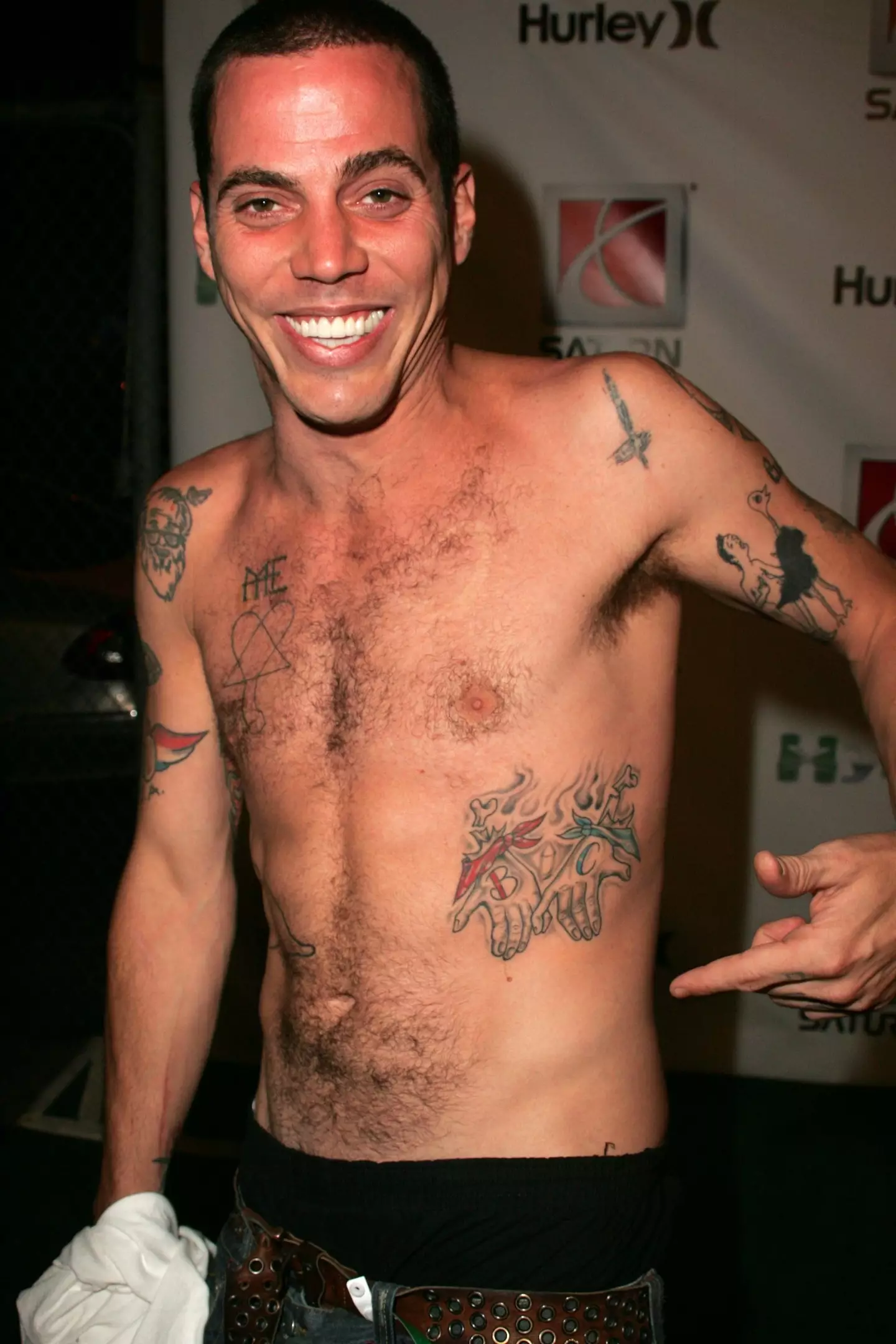
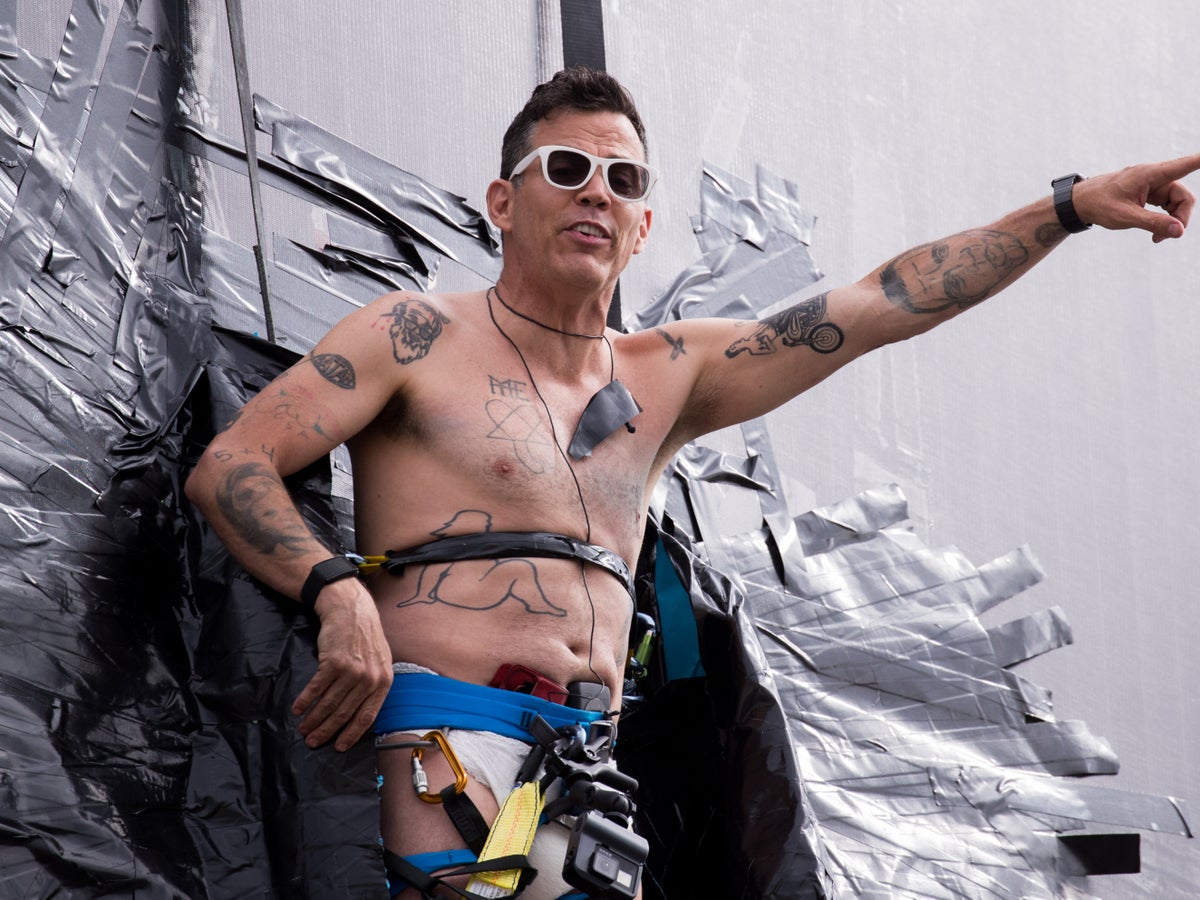
One of the most notable changes in Jackass 3D is Steve-O’s physical appearance and demeanor. Compared to Jackass Number Two (2006), his skin was clearer, his voice was more resonant (largely due to quitting nitrous oxide, which had severely affected his vocal cords), and his reactions were sharper.
Steve-O found that performing stunts sober actually heightened the experience. He noted that without drugs to dull his senses, the adrenaline rush was more intense. This is evident in the "Port-a-Potty Slingshot" stunt, one of the film's most famous segments. The sheer terror and subsequent relief he displayed were authentic and unfiltered by substances.
Cast Support and Challenges
While Steve-O was successful in his sobriety, the production was not without its complications regarding substance abuse. During this same period, Bam Margera’s struggles with alcoholism were beginning to escalate. The contrast between Steve-O’s newfound clarity and Margera’s burgeoning issues created a complex environment on set. However, Steve-O remained focused on his program, utilizing the "one day at a time" philosophy to navigate the grueling filming schedule.
Comparing Steve-O’s Status Across the Franchise
To understand the magnitude of his sobriety in the third film, it is helpful to look at his status during the major milestones of the Jackass timeline.
| Project | Release Year | Steve-O’s Sobriety Status | Key Context |
|---|---|---|---|
| Jackass: The Movie | 2002 | Active Substance Abuse | Heavy use of alcohol and various drugs during filming. |
| Jackass Number Two | 2006 | Peak Addiction | Steve-O has described this as his "darkest" period during production. |
| Intervention | 2008 | Rock Bottom | Forced entry into rehab and psychiatric care. |
| Jackass 3D | 2010 | Sober | Nearly two years clean; the first production filmed entirely sober. |
| Jackass Forever | 2022 | Sober | Over 13 years of continuous sobriety. |
| Current Status | 2026 | Sober | Celebrating 18 years of sobriety; active in the recovery community. |
The Legacy of Steve-O’s Sobriety in 3D
The success of Jackass 3D—both critically and at the box office—proved that the franchise did not need the "chaos" of active addiction to be successful. For Steve-O, it served as a professional validation. He proved to himself, his peers, and the world that his talent and willingness to perform were innate, not manufactured by substances.
The film also marked a shift in how the Jackass crew handled health and safety. While the stunts remained extreme, there was a newfound respect for the longevity of the performers. This shift eventually paved the way for Jackass Forever (2022), where a much older, largely sober cast (with the notable exception of Bam Margera, who was removed from the production due to sobriety-related contract violations) returned to prove they could still perform at a high level.
Impact on the Recovery Community
Steve-O’s transparency about his journey during the promotion of Jackass 3D had a significant impact on his fans. By being open about his 5150 hold, his time in rehab, and his fears of being "boring" while sober, he became an accidental role model for young people struggling with addiction. He demonstrated that recovery doesn't mean the end of an adventurous life; rather, it allows for the clarity to actually enjoy and remember those adventures.
Technical Considerations: The Physical Toll of Recovery
It is worth noting that Steve-O’s sobriety also allowed him to better manage the physical injuries that come with a career in stunt work. In the past, he might have used prescription painkillers to mask the effects of broken bones or concussions, which often led back to illicit drug use.
By the time he filmed Jackass 3D, he had to navigate pain management through non-narcotic means. This required a higher level of physical therapy and a more disciplined approach to health, which likely contributed to his ability to continue performing stunts into his 50s.
FAQ: Steve-O’s Sobriety and Jackass 3D
Did Steve-O have a "sober coach" on the set of Jackass 3D?
While it has not been officially confirmed if a specific person was hired as a "sober coach," Steve-O has frequently mentioned that his castmates, particularly Johnny Knoxville, acted as his support system. He also maintained his own 12-step program and stayed in close contact with his sponsors and recovery network throughout the production.
How long had Steve-O been sober when Jackass 3D was released?
Steve-O’s sobriety date is March 10, 2008. Since Jackass 3D was released in October 2010, he had been sober for approximately two and a half years at the time of the movie's theatrical debut.
Was Bam Margera sober in Jackass 3D?
No, Bam Margera was not sober during Jackass 3D. While there were periods where he attempted to curtail his drinking during the production, he was not following a program of total sobriety like Steve-O. Margera’s struggles would eventually lead to his exclusion from the subsequent film, Jackass Forever, due to his inability to maintain the sobriety requirements set by the studio.
Which stunt in Jackass 3D was the hardest for Steve-O to do sober?
Steve-O has often cited the "Port-a-Potty Slingshot" as a major psychological hurdle. Being covered in waste while being launched into the air was a stunt that he previously would have used drugs to "numb" himself for. Doing it sober meant experiencing every sensation and the full weight of the anxiety, which he later described as a "spiritual experience" in his recovery.
Has Steve-O relapsed since Jackass 3D?
As of 2026, Steve-O has maintained continuous sobriety since March 10, 2008. He has been very vocal about his journey, sharing updates on social media and in his various books and comedy specials. He remains one of the most visible success stories in the entertainment industry regarding long-term recovery.
Recommended Next Steps for Fans and Researchers
If you are interested in the deeper details of Steve-O’s transition from addiction to sobriety during the Jackass 3D era, the following resources provide extensive first-hand accounts:
- "Steve-O: Demise and Rise": This MTV documentary (often available on streaming platforms like Paramount+) features actual footage of Steve-O’s intervention and his early days of sobriety. It is a raw look at the transition period leading up to the third film.
- "Professional Idiot: A Memoir": Written by Steve-O with David Peisner, this book covers his entire life story, with several chapters dedicated to the filming of Jackass 3D and how he navigated the set while in recovery.
- The Wild Ride! Podcast: Steve-O frequently discusses his sobriety and behind-the-scenes Jackass stories with guests on his own podcast, providing a 2026 perspective on his 18-year journey.
For those struggling with addiction themselves, Steve-O’s story serves as a reminder that professional help and a strong support system are vital. Resources like the Substance Abuse and Mental Health Services Administration (SAMHSA) provide national hotlines and locators for treatment facilities that mirror the path Steve-O took toward a healthier life.