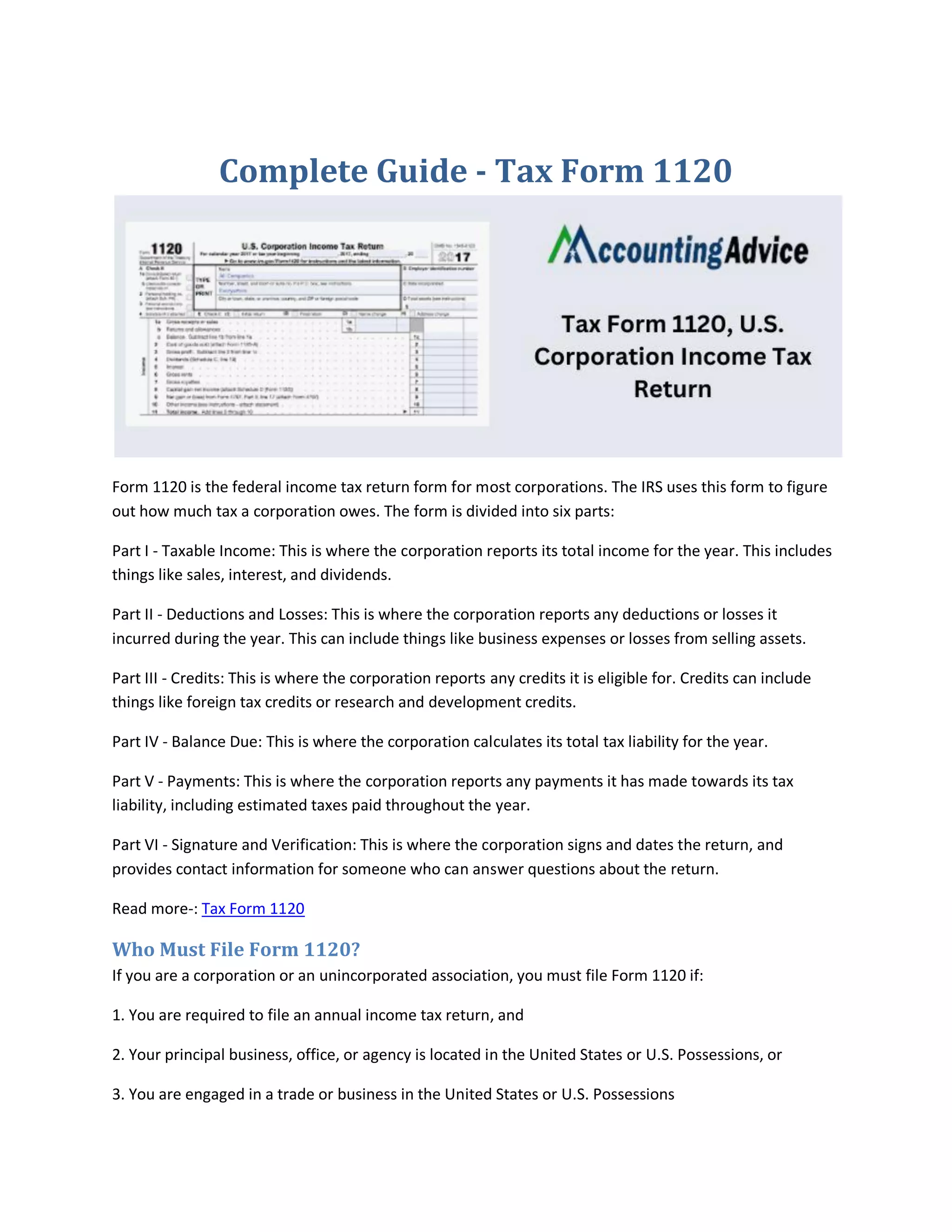
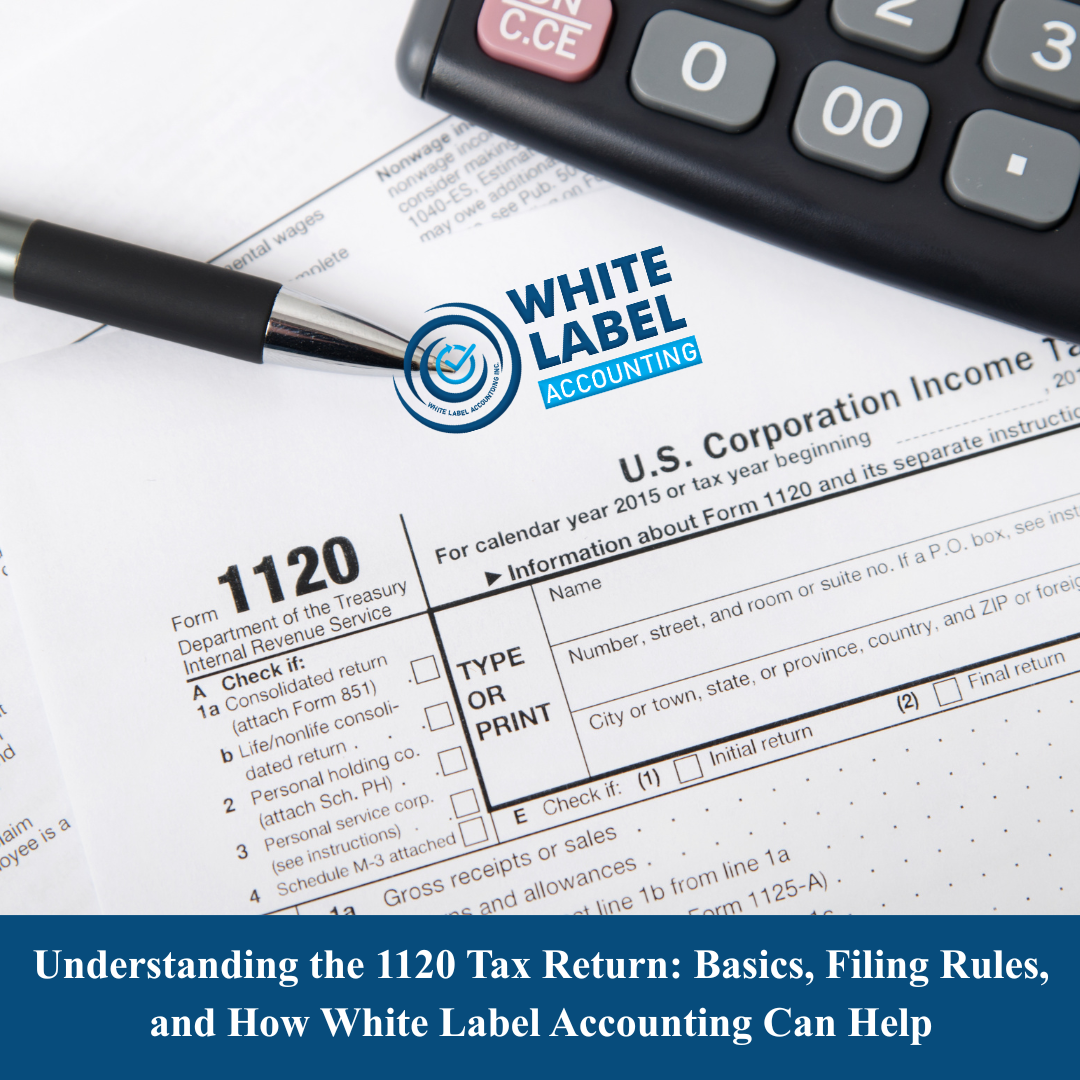
The 2024 tax year filing requirements for IRS Form 1120 apply to all domestic corporations, including those electing to be treated as C corporations, to report income, gains, losses, deductions, and credits. Filing is mandatory for entities classified as corporations unless they specifically qualify for an exemption or have elected Subchapter S status, necessitating a different form.
Understanding Form 1120 and Corporate Filing Status
Form 1120 is the backbone of federal corporate income tax reporting in the United States. It is used by corporations to calculate their taxable income and determine the amount of tax owed to the Internal Revenue Service (IRS). Unlike pass-through entities such as partnerships or S corporations, which typically report income at the shareholder level, C corporations are considered separate tax-paying entities. This creates the structure known as "double taxation," where the corporation pays tax on its profits, and shareholders pay tax on dividends received.
The 2024 tax year filing process requires an understanding of whether your business entity is classified as a corporation under federal tax law. An entity can be a corporation through state-level incorporation or by default classification rules established by the IRS. Regardless of whether the corporation realized a profit or incurred a loss during the 2024 calendar year, the filing requirement remains in effect. A common misconception is that a "no-activity" or "loss-making" corporation is exempt from filing; however, the IRS requires submission regardless of financial performance to maintain tax compliance and accurate record-keeping.
Eligibility and Who Must File
Determining your filing obligation starts with your entity classification. You must file Form 1120 if you are a domestic corporation or an entity electing to be taxed as a corporation, unless you have specifically filed Form 2553 to be taxed as an S corporation.
The following entities generally fall under the Form 1120 filing requirement:
- Domestic Corporations: Any entity created or organized in the United States or under the law of the United States or any state.
- Associations: Certain unincorporated organizations that meet the "association" criteria under the entity classification regulations (the "check-the-box" rules).
- Joint Stock Companies: Entities that possess the characteristics of a corporation.
- Insurance Companies: While they may use specialized versions of Form 1120, they fall under the broad corporate filing umbrella.
- Foreign Corporations: If they have income effectively connected with the conduct of a trade or business within the United States, they may be required to file Form 1120-F.
Entities that are specifically exempt from filing Form 1120 include organizations exempt under section 501(a), such as non-profits, which typically file Form 990, and S corporations, which file Form 1120-S.
Deadlines and Extensions for the 2024 Tax Year
For calendar-year corporations, the filing deadline for the 2024 tax year was April 15, 2025. If your corporation operates on a fiscal year—meaning your tax year ends on a date other than December 31—your return is generally due by the 15th day of the fourth month following the close of your fiscal year.
If you missed the initial filing deadline, you may have requested an automatic six-month extension by filing Form 7004. It is important to note that Form 7004 is an extension to file, not an extension to pay. Any tax liability for the 2024 tax year was due by the original filing deadline, regardless of whether you requested additional time for the paperwork. Failure to pay by the original deadline results in interest and penalty assessments, even if the return is filed within the extension window.
Information Required for Completion
Gathering the correct documentation is a significant undertaking that should begin well before the filing deadline. To complete Form 1120 accurately, you must have the following documentation:
- Employer Identification Number (EIN): Your unique federal tax identifier.
- Accounting Method Records: Verification of whether you use the cash or accrual method of accounting.
- Income Statements (Profit and Loss): A comprehensive summary of gross receipts, sales, and any other income sources (such as interest, rents, or royalties).
- Expense Ledgers: Detailed records of cost of goods sold (COGS), officer compensation, salaries, repairs, maintenance, taxes, interest payments, depreciation, and advertising expenses.
- Balance Sheet Information: The IRS requires a balance sheet (Schedule L) for most corporations, showing assets, liabilities, and shareholders' equity as of the beginning and end of the tax year.
- Reconciliation Schedules: Schedule M-1 or M-3 is required to reconcile the book income (what you show on your financial statements) with the taxable income (what you report to the IRS).
Comparison of Corporate Filing Requirements
The following table provides a quick reference to distinguish between different types of business filings that are often confused with Form 1120.
| Form Type | Entity Type | Tax Treatment |
|---|---|---|
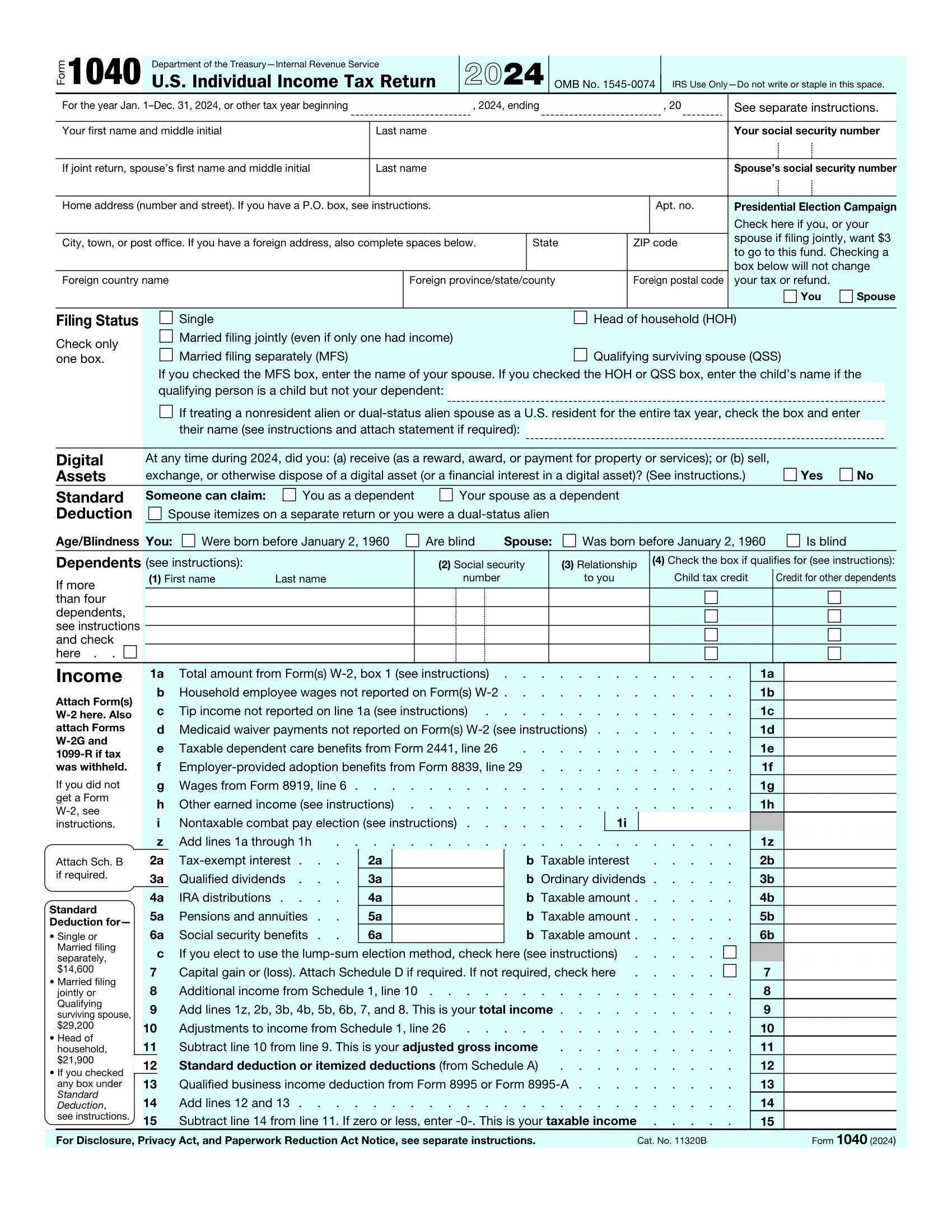
| Form 1120 | C Corporation | Entity-level tax (Double taxation) |
| Form 1120-S | S Corporation | Pass-through to shareholders |
| Form 1065 | Partnership | Pass-through to partners |
| Schedule C (1040) | Sole Proprietorship | Pass-through to owner |
Essential Schedules and Their Functions
Form 1120 is not just the primary summary page; it is a collection of schedules that provide the IRS with a transparent view of the corporation's financial health.
- Schedule C (Dividends and Special Deductions): Used to calculate the dividends-received deduction, which allows corporations to exclude a portion of dividends received from other domestic corporations from their taxable income.
- Schedule J (Tax Computation): This is where you calculate the final tax amount, including any credits such as the General Business Credit.
- Schedule K (Other Information): A series of "Yes/No" questions regarding the corporation's activities, such as whether it owns foreign assets or has undergone significant ownership changes. These questions are critical, and incorrect answers can trigger audits.
- Schedule L, M-1, and M-2: These represent the analytical heart of the return. Schedule L provides the balance sheet, M-1 reconciles book and tax income, and M-2 analyzes unappropriated retained earnings. If your corporation’s total receipts and total assets are both under $250,000, you may be exempt from completing these schedules.
Common Filing Errors and Troubleshooting
Complexity often leads to error. The most frequent issues encountered when filing Form 1120 include:
- Inconsistent Accounting Methods: Using cash accounting for income but accrual for expenses without proper adjustment.
- Missing Schedules: Failing to attach Schedule M-3 when the corporation’s total assets meet or exceed the $10 million threshold, which triggers an automatic flag for incomplete returns.
- Officer Compensation Reporting: Under-reporting or incorrectly classifying officer compensation, which is a common area of scrutiny for IRS examiners looking for disguised dividends.
- Incorrect EIN or Tax Year: Simple clerical errors can lead to processing delays or "return not found" notices. Always double-check your EIN against your IRS issuance letter.
If you receive an IRS notice regarding your 2024 filing, do not ignore it. Most notices provide a specific "correspondence address" or a reference code. Determine whether the notice is a request for additional information (which is common if a schedule was missing) or a notice of assessment.
Professional Guidance and Limitations
The content provided here is for informational purposes and does not constitute formal legal or certified financial advice. Taxation laws are subject to specific interpretations based on your corporation's industry, location, and unique financial structure. Many corporations find it necessary to engage a Certified Public Accountant (CPA) or a tax attorney, particularly when dealing with complex multi-state operations, foreign-sourced income, or significant capital gains/losses.
While tax software can handle standard 1120 filings, corporations with complex organizational structures often require manual oversight to ensure that specialized tax elections—such as those related to research and development credits or specific depreciation rules like "bonus depreciation"—are maximized and reported correctly. Always verify your specific requirements against the current version of the "Instructions for Form 1120" published by the IRS, as these instructions contain the most precise definitions and line-by-line guidance for each tax year.
Next Steps for Compliance
To maintain compliance moving forward, ensure your internal accounting records are updated immediately following the close of each fiscal month. Delaying the reconciliation of financial records until the filing deadline often leads to the hasty errors mentioned above. If you have not yet completed your 2024 filing and you are past any applicable extensions, you should contact a tax professional immediately to discuss your options for late filing, which may include penalty abatement requests if you can demonstrate reasonable cause for the delay.