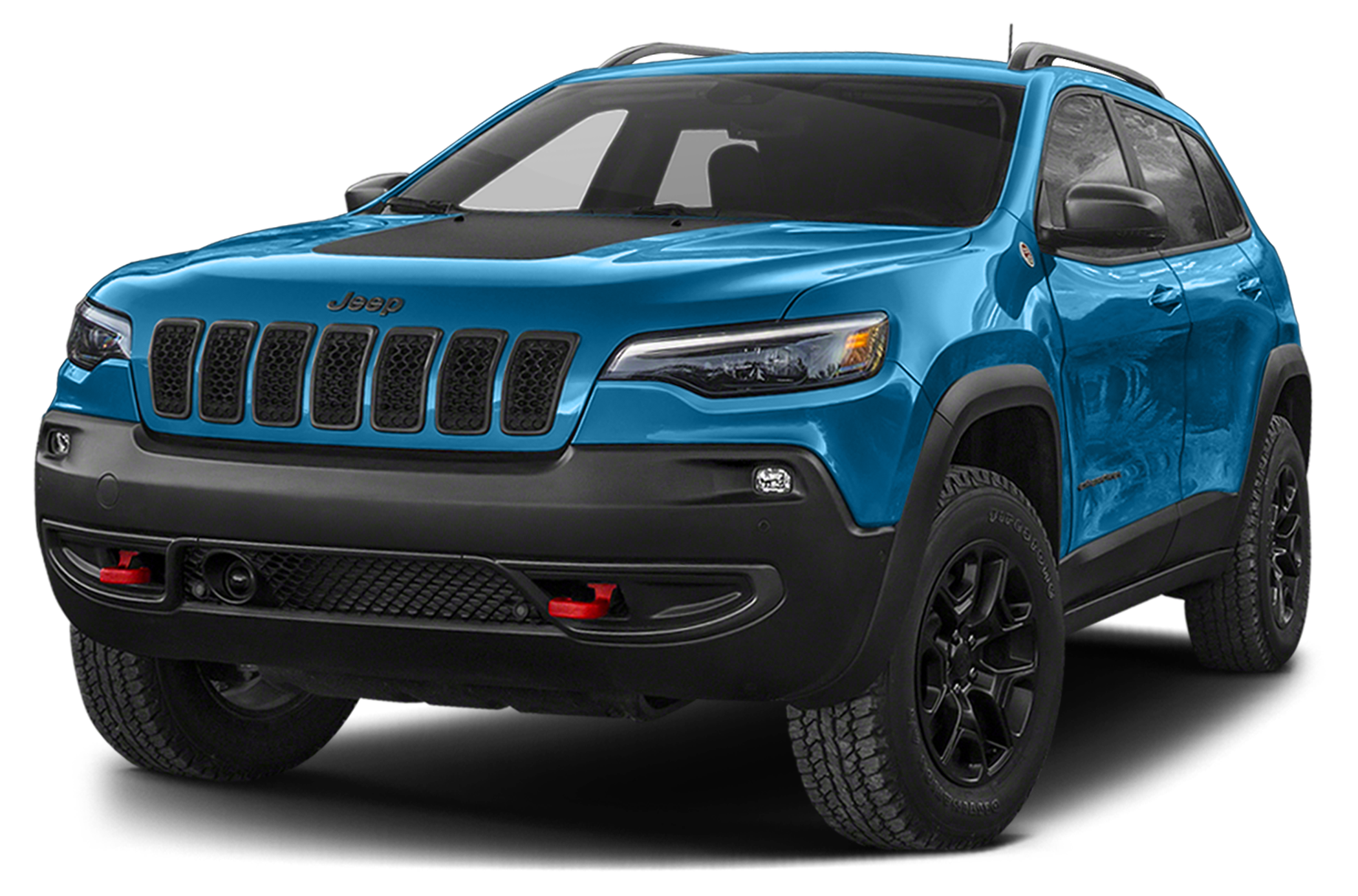
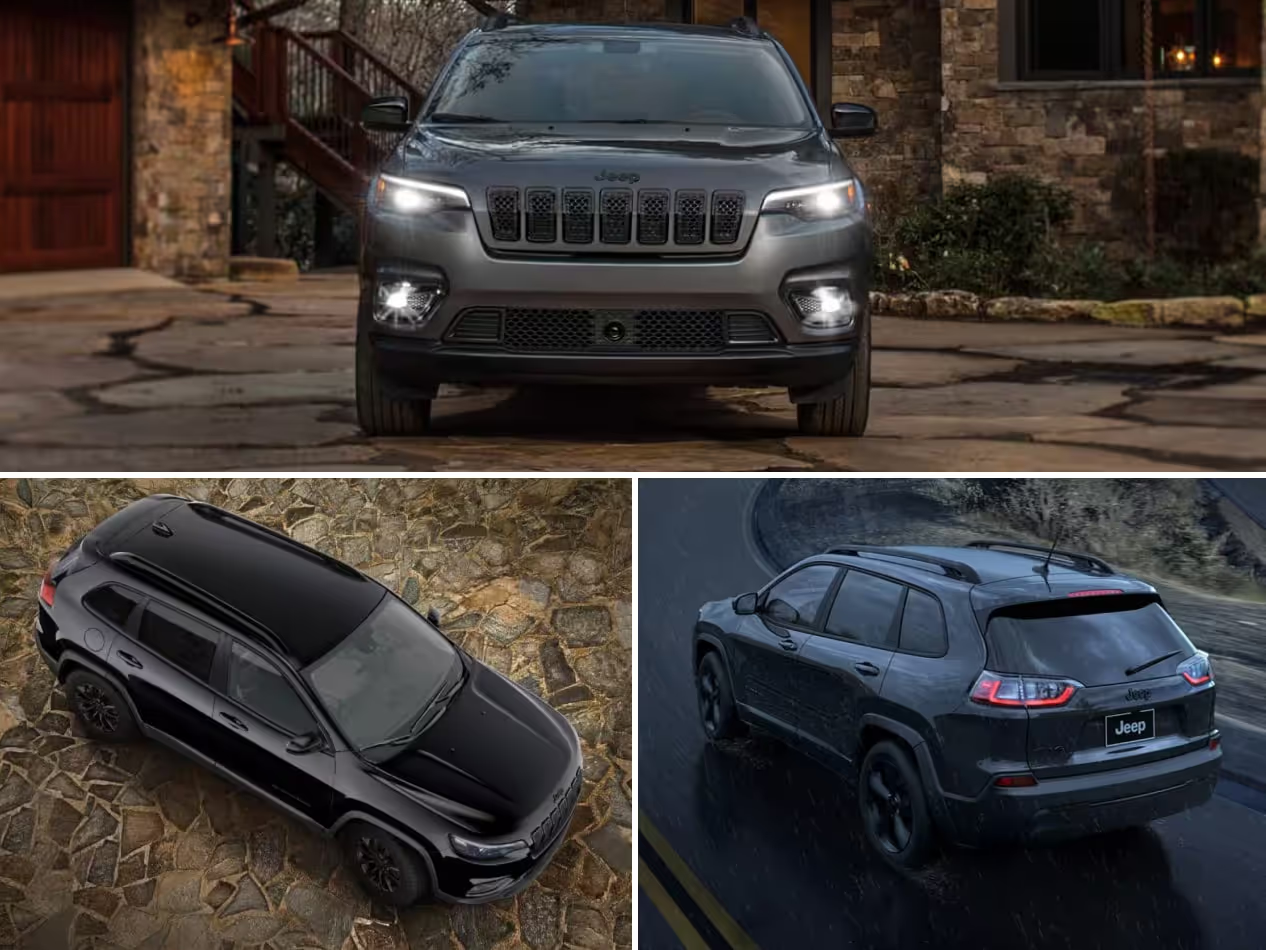
The 2023 Jeep Cherokee offers average reliability, benefiting from a decade of refinements as the final production year of the "KL" generation. While the 2.0L turbocharged engine is generally robust, the vehicle's long-term dependability is often hindered by the complex ZF 9-speed transmission and occasional electronic glitches within the Uconnect infotainment system.
The 2023 model year marked the end of an era for the Jeep Cherokee. As a "sunset" model, it avoided the teething problems common in first-year releases, yet it also carried over some of the inherent architectural quirks of a platform first introduced in 2014. From the vantage point of 2026, we have a clear view of how these vehicles have aged as they transition out of their initial factory bumper-to-bumper warranties and into the secondary market.
The Significance of the Final Model Year
In the automotive world, the final year of a vehicle's generation is often viewed as the "safest" bet for reliability. By 2023, Jeep had discontinued the problematic 3.2L Pentastar V6 and the lower-tier trims, narrowing the lineup to the Altitude Lux and the Trailhawk. This consolidation allowed the manufacturer to focus on a more standardized set of components.
However, "final year" status does not guarantee perfection. The 2023 Jeep Cherokee remains a complex machine with a sophisticated Four-Wheel Drive (4WD) system and a heavy reliance on electronic modules. For owners in 2026, understanding the distinction between mechanical durability and electronic stability is key to assessing whether this SUV remains a viable long-term investment.
Powertrain Reliability: Analyzing the 2.4L and 2.0L Engines
The 2023 Cherokee was offered with two distinct engines, each with its own reliability profile and maintenance requirements.
The 2.4L Tigershark MultiAir2 I4
Standard on the Altitude Lux trim, the 2.4L Tigershark is a long-standing engine in the Stellantis (formerly FCA) portfolio. Historically, early versions of this engine gained notoriety for high oil consumption. By the 2023 model year, most of these issues were addressed through revised piston ring designs and updated Engine Control Module (ECM) calibrations.
In 2026, high-mileage 2.4L engines are showing better longevity than their 2015–2018 predecessors. However, owners should still perform regular oil level checks. The MultiAir system, which uses oil pressure to control intake valve timing, is extremely sensitive to oil quality and level. Neglecting oil changes can lead to premature wear of the MultiAir actuator, a costly repair that often mimics a major engine failure.
The 2.0L GMET4 Turbocharged I4
Found in the Trailhawk trim, the 2.0L turbocharged engine is the more modern and sophisticated option. It provides significantly more torque (295 lb-ft) than the 2.4L, which is crucial for a vehicle of this weight. From a reliability standpoint, the 2.0L has proven surprisingly resilient.
The primary concerns with the 2.0L turbo in 2026 involve the cooling system and the turbocharger itself. Because turbocharged engines operate at higher internal temperatures, the plastic coolant crossover pipes and connectors are subject to heat cycling fatigue. Small coolant leaks can lead to overheating if not addressed. Furthermore, the use of high-quality synthetic oil is non-negotiable for protecting the turbocharger bearings.
The ZF 9-Speed Transmission: A Known Variable
The most discussed component of the 2023 Jeep Cherokee's reliability is the ZF 9HP 9-speed automatic transmission. This unit was revolutionary upon its release but faced significant criticism for "hunting" for gears and harsh shifting.
By 2023, Jeep had deployed numerous software updates to the Transmission Control Module (TCM) to smoothen the shifting logic. In the current 2026 landscape, the 2023 models exhibit fewer catastrophic mechanical failures than earlier iterations. However, users still report a "laggy" sensation when downshifting for highway passing.
The technical reason for this behavior lies in the transmission's use of "dog clutches" for certain gear shifts rather than traditional friction clutches. Dog clutches require precise synchronization, which can lead to a slight delay. To ensure the longevity of this transmission, owners should adhere strictly to the fluid service intervals—even if the manual suggests it is "filled for life." Independent mechanics often recommend a fluid exchange every 60,000 to 70,000 miles to prevent solenoid blockages.
Electrical Systems and Infotainment Stability
Modern Jeep reliability is often more about "bits and bytes" than "nuts and bolts." The 2023 Cherokee uses the Uconnect 4C NAV system with an 8.4-inch display. While Uconnect is generally praised for its user-friendly interface, it is not immune to hardware degradation.
As these vehicles reach three to four years of age in 2026, common electronic issues include:
- Screen Delamination: The adhesive between the glass and the LCD can fail, causing "ghost touches" where the radio changes stations or settings on its own.
- Battery Drain: Parasitic draws from the telematics box or the Intelligent Battery Sensor (IBS) can lead to a dead battery if the vehicle is parked for more than a few days.
- Start-Stop System Faults: The Electronic Stop-Start (ESS) system relies on a specific set of parameters (battery voltage, engine temp, etc.). A slightly weak battery will often disable this system, triggering a warning light on the dashboard.
Off-Road Durability: The Trailhawk Factor
The Trailhawk trim is built for more rigorous use, featuring the Jeep Active Drive Lock 4WD system with a mechanical rear locker. While these components are heavy-duty, they introduce additional maintenance points.
The Power Transfer Unit (PTU) is the component that sends power to the rear wheels. In the Cherokee's history, the PTU has been a weak link, often failing due to internal gear wear or actuator motor issues. For the 2023 model, the PTU design is at its most mature stage. Nevertheless, owners who frequently engage in off-roading or towing should inspect the PTU and rear differential fluids for metal shavings or water intrusion annually.
2023 Jeep Cherokee Technical Specifications & Reliability Summary
The following table summarizes the key reliability metrics and specifications for the 2023 model year based on longitudinal data available in 2026.
| Feature | 2.4L Altitude Lux | 2.0L Turbo Trailhawk |
|---|---|---|
| Engine Reliability | High (if oil is maintained) | Moderate-High (watch cooling) |
| Transmission Type | ZF 9-Speed Automatic | ZF 9-Speed Automatic |
| Typical MPG (Real World) | 21-25 MPG | 20-24 MPG |
| Common Failure Points | MultiAir Actuator, Oil Consumption | Coolant leaks, Turbo wastegate |
| 4WD System | Jeep Active Drive I | Jeep Active Drive Lock |
| Maintenance Cost (Avg) | $600 - $800 / year | $750 - $950 / year |
| Estimated Lifespan | 150,000 - 180,000 miles | 130,000 - 160,000 miles |
Safety Ratings and Recall History
Safety is a pillar of overall vehicle dependability. The 2023 Jeep Cherokee received competitive scores from the Insurance Institute for Highway Safety (IIHS), though it lacked the "Top Safety Pick" designation due to older headlight designs on some configurations.
Regarding recalls, the 2023 model has a much cleaner record than the 2014–2019 models. Most recalls for this specific year have been related to minor software updates or small batches of incorrectly manufactured components (such as steering column bolts). Before purchasing a used 2023 model in 2026, always verify the VIN on the NHTSA Recalls Database to ensure all safety campaigns have been completed.
Ownership Costs and Long-Term Value
In 2026, the 2023 Jeep Cherokee occupies a unique spot in the used market. Because it was the final year, it tends to hold its value slightly better than the 2022 models, as buyers appreciate the "newest possible" version of the classic Cherokee body style.
However, out-of-warranty repairs can be expensive. A replacement Uconnect head unit can cost upwards of $1,500, and a PTU replacement can exceed $2,500. For this reason, many 2026 owners opt for third-party extended warranties, particularly those that cover electrical components and the 4WD system.
To minimize ownership costs, owners should:
- Use the correct oil: The 2.0L Turbo requires 0W-30 synthetic meeting FCA Material Standard MS-13340. Using the wrong oil can trigger a Check Engine Light.
- Monitor the Battery: Modern Jeeps are extremely voltage-sensitive. Replacing the AGM battery every 3-4 years preventatively can save hundreds in diagnostic fees for "phantom" electrical issues.
- Tire Rotations: The Cherokee's AWD systems are sensitive to differences in tire circumference. Unevenly worn tires can put unnecessary strain on the drivetrain.
Frequently Asked Questions
Is the 2023 Jeep Cherokee more reliable than the Grand Cherokee?
The 2023 Cherokee (KL) is generally considered simpler and more mechanically "settled" than the 2023 Grand Cherokee (WL), which was in its second year of a new generation. While the Grand Cherokee offers more luxury, the 2023 Cherokee often has fewer electronic bugs compared to the newer WL platform.
Does the 2023 model still have the transmission "hesitation" issue?
Yes, the "hesitation" is a characteristic of the ZF 9-speed transmission's design. While software updates have minimized it, the delay when downshifting from 5th to 4th or 8th to 7th gear is still present. It is usually a matter of driving habit adjustment rather than a mechanical failure.
What is the most common repair for a 2023 Cherokee in 2026?
In 2026, the most common repairs for the 2023 model involve the Electronic Stop-Start (ESS) battery and the cooling system sensors. On the Trailhawk models, we are also seeing occasional repairs for the rear power liftgate motors, which can burn out if the tracks are not kept clean.
Should I buy a 2023 Jeep Cherokee or a Honda CR-V?
If your primary concern is strictly "set it and forget it" reliability and resale value, the Honda CR-V is statistically superior. However, the 2023 Jeep Cherokee offers significantly better towing capacity (up to 4,000 lbs with the 2.0L) and far superior off-road capability, particularly in the Trailhawk trim.
Is the 2023 Jeep Cherokee's engine "interference" or "non-interference"?
Both the 2.4L Tigershark and the 2.0L Turbo are interference engines. This means that if the timing chain (2.0L) or timing belt (if applicable in older designs, though these are chain-driven) were to fail, the valves and pistons would collide, causing catastrophic engine damage. Fortunately, timing chain failures are rare on 2023 models if oil changes are performed.
Expert Recommendation for 2026 Buyers
For those looking at a 2023 Jeep Cherokee in today's market (2026), the Trailhawk trim with the 2.0L Turbo engine is the most desirable configuration. While the 2.4L engine is simpler, the 2.0L provides the necessary power to make the Cherokee feel modern and capable.
Before finalizing a purchase, perform a "cold start" and listen for any rattling from the turbocharger wastegate and ensure the transmission shifts smoothly through all gears once the fluid has reached operating temperature. If the vehicle has more than 50,000 miles, request service records to confirm the cooling system has been inspected and the oil has been changed at least every 7,500 miles. With proactive maintenance, a 2023 Cherokee can reliably serve as a versatile daily driver and weekend adventurer for years to come.