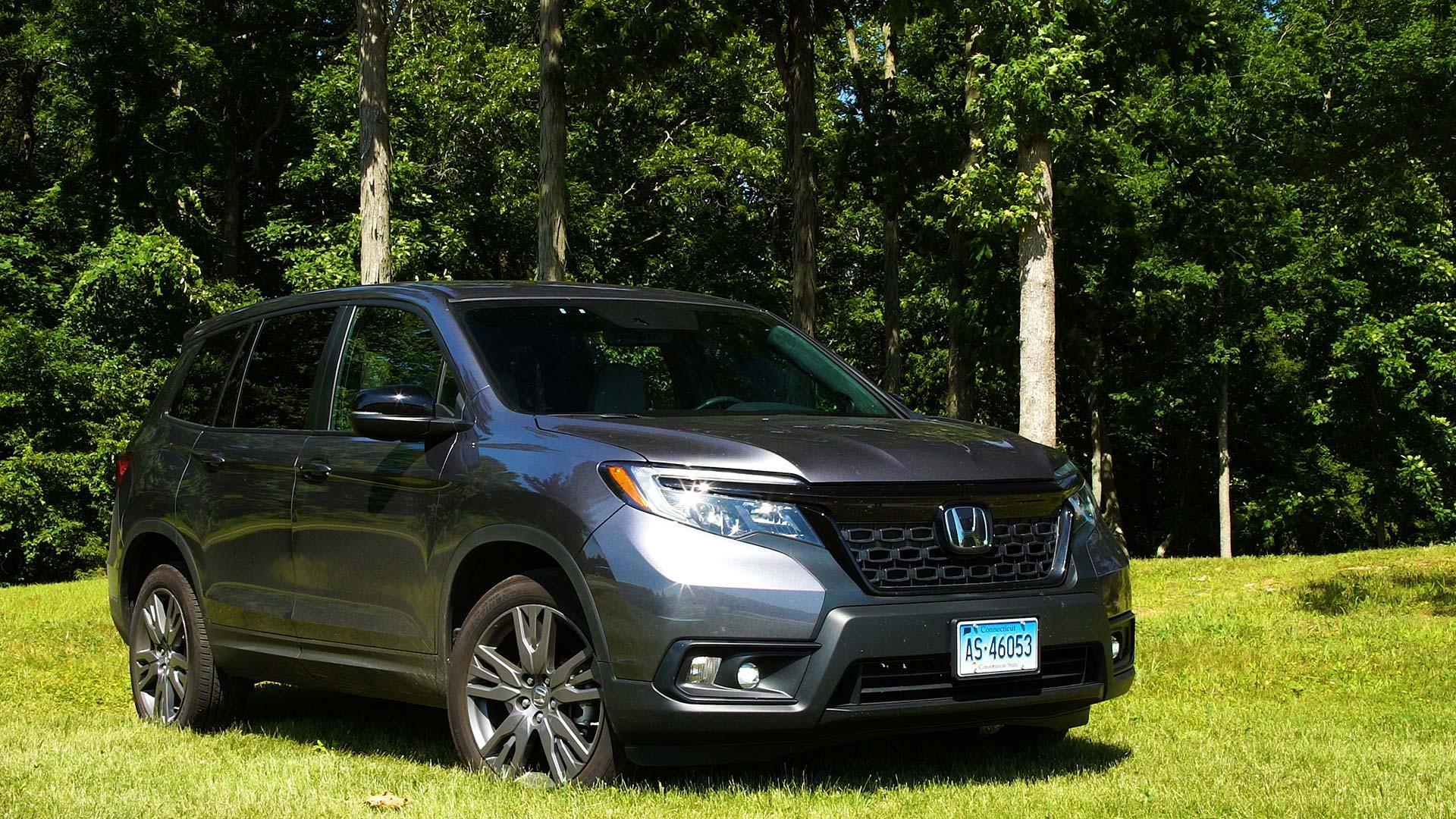
The 2021 Honda Passport generally exhibits above-average reliability, anchored by a robust 3.5-liter V6 engine and a durable 9-speed automatic transmission, though early model years of this generation faced notable complaints regarding infotainment software glitches, battery drain issues, and minor body hardware misalignments.
Evaluating the reliability of a modern midsize crossover SUV requires moving beyond generalized brand reputation to dissect specific powertrains, electronics, mechanical sub-systems, and long-term ownership costs. The 2021 Honda Passport occupies a unique space in the automotive market. Positioned between the compact CR-V and the three-row Pilot, this two-row, five-passenger utility vehicle shares its platform and mechanical DNA with the Pilot and Ridgeline. For prospective buyers, current owners, and automotive enthusiasts researching the 2021 model year, understanding its structural strengths, recurring pain points, and maintenance requirements is essential for long-term vehicle ownership.
Overview of the 2021 Honda Passport Platform and Powertrain
To understand the mechanical durability of the 2021 Honda Passport, one must examine its core engineering architecture. Built on Honda’s Global Light Truck Platform, the vehicle utilizes a unibody construction with an independent MacPherson strut front suspension and a multi-link rear suspension. This layout provides car-like handling characteristics while maintaining the rigidity necessary for light off-road excursions and towing duties up to 5,000 pounds when properly equipped with all-wheel drive.
Under the hood, every 2021 Passport features a naturally aspirated 3.5-liter V6 engine (designated J35Y6). This powerplant utilizes aluminum block and cylinder heads, direct variable valve timing (i-VTEC), and direct fuel injection, producing 280 horsepower and 262 lb-ft of torque. Unlike many modern competitors that have transitioned to turbocharged four-cylinder engines, Honda retained the naturally aspirated V6 for this model year. From a reliability standpoint, the absence of a turbocharger eliminates a common point of mechanical failure associated with high-pressure forced induction systems, such as wastegate actuator failure, turbo-bearing oil coking, and intercooler leaks.
Power is routed through a ZF 9-speed automatic transmission. Early iterations of this specific ZF transmission—which debuted in various FCA and Honda products around the mid-2010s—faced heavy criticism for erratic shifting and software calibration issues. By 2021, however, Honda and ZF had refined the transmission's programming significantly. While some owners still report firm or delayed 1-to-2 shifts when the transmission fluid is cold, the mechanical failure rates for the 2021 model year are substantially lower than those observed in 2016–2018 applications.
Mechanical Reliability: Engine, Transmission, and Drivetrain
The heart of the 2021 Honda Passport’s reliability profile is its powertrain, which has accumulated decades of evolutionary refinement.
The 3.5L V6 Engine (J35Y6)
The J35 series engine is widely regarded by automotive technicians as one of the more durable modern V6 designs. It utilizes a timing belt rather than a timing chain. While chains are often touted as lifetime components, high-mileage chains can stretch, leading to expensive guide and tensioner failures. A timing belt, conversely, represents a scheduled maintenance item typically due every 105,000 miles or 7 years. Adhering strictly to this replacement interval prevents catastrophic interference engine damage.
One historical concern with Honda's V6 engines equipped with Variable Cylinder Management (VCM)—a system that deactivates cylinders under light-load conditions to improve fuel economy—was oil consumption and spark plug fouling in the deactivated cylinders. For the 2021 model year, Honda refined the VCM software and piston ring design, drastically reducing instances of excessive oil consumption compared to older generations, though owners should still check their oil levels regularly between changes.
Transmission Performance and Maintenance
The ZF 9HP 9-speed automatic transmission uses a unique dog-clutch design instead of traditional planetary gearsets for certain ratios, which allows for a compact footprint and a wide spread of gear ratios. Because of this design, the transmission is sensitive to fluid degradation.
- Fluid changes: Technicians recommend changing the transmission fluid every 30,000 to 45,000 miles, especially for vehicles used for towing or frequent mountain driving.
- Software updates: Ensuring the powertrain control module (PCM) has the latest factory software updates is critical for maintaining smooth shift quality and preventing harsh engagement.
Intelligent Variable Torque Management (i-VTM4) AWD System
For models equipped with the optional torque-vectoring all-wheel-drive system (i-VTM4), reliability is exceptionally high, provided the rear differential fluid is serviced on schedule. The i-VTM4 system can actively distribute torque not only between the front and rear axles but also left-to-right across the rear wheels. The rear differential fluid requires replacement at specific intervals (typically every 15,000 miles for the first change, then every 30,000 miles thereafter) using only genuine Honda HGO-1 fluid. Neglecting this maintenance can lead to rear differential binding or whining noises during tight turns.
Common Issues, Technical Service Bulletins (TSBs), and Recalls
While the 2021 Honda Passport is mechanically sound, it is not without faults. Reviewing National Highway Traffic Safety Administration (NHTSA) data and manufacturer Technical Service Bulletins (TSBs) reveals several recurring complaints that prospective buyers and current owners should monitor.
| System / Component | Nature of Issue | Severity | Common Resolution |
|---|---|---|---|
| Infotainment & Electrical | Screen freezing, backup camera display failure, audio system rebooting. | Moderate | Software updates via USB, replacement of audio control unit under warranty. |
| Battery Drain | Parasitic draw from tailgate module or key fob signal lingering near vehicle. | Moderate | Software update for body control module (BCM), battery replacement if sulfated. |
| Fuel Injectors | Misfires throwing CEL (Check Engine Light) at moderate mileage. | High | Replacement of faulty fuel injectors under extended emissions warranty. |
| Tailgate Operation | Power tailgate failing to latch or reversing unexpectedly. | Low | Calibration reset of pinch sensors or replacement of electric strut motors. |
Infotainment System Quirks
The 8-inch Display Audio touchscreen interface in the 2021 Passport supports Apple CarPlay and Android Auto. However, owners frequently report software lag, freezing, and intermittent loss of connection with mobile devices. In many cases, these bugs can be resolved via over-the-air updates or a dealer-installed software patch. Hardware failures of the head unit are less common but do occur, often covered under the vehicle's 3-year/36,000-mile basic warranty.
Battery Drain and Electrical Gremlins
A documented issue across several Honda vehicles from this era involves parasitic battery draw. The vehicle's computer modules may fail to enter "sleep" mode correctly, draining the 12-volt battery over a weekend of non-use. Honda issued updates for the Body Control Module (BCM) to address this flaw. Owners experiencing random dead batteries should verify whether their vehicle has received all applicable BCM software updates.
Exterior, Interior, and Build Quality
Beyond the powertrain, overall vehicle reliability encompasses body hardware, weatherstripping, interior materials, and structural integrity.
The paint quality on modern Honda vehicles is occasionally criticized for being thin and prone to rock chips on the front fascia and hood—a common industry trend driven by environmental regulations requiring water-based paint formulations. Applying a clear protective film (PPF) to the front end is a popular preventative measure among owners looking to preserve exterior condition.
Inside the cabin, the 2021 Passport scores well for durability. The leather seating surfaces (on EX-L, Touring, and Elite trims) resist cracking well under normal conditioning, and the hard-wearing plastics used in the lower dash and cargo area hold up to heavy cargo loading. However, persistent rattles and squeaks from the panoramic sunroof frame or the cargo area trim panels are occasionally reported on forums like the Honda Passport Forums. These are typically resolved by applying felt tape or adjusting latch alignments at the dealership.
Maintenance Costs, Parts Availability, and Long-Term Ownership
One of the strongest arguments for the long-term reliability of the 2021 Honda Passport is the cost and availability of replacement parts. Because the vehicle shares its mechanical platform with the ubiquitous Honda Pilot and Ridgeline, consumable parts (brake pads, rotors, filters, belts, and suspension components) are widely available through both OEM and reputable aftermarket suppliers.
| Mileage Bracket | Common Services Required |
|---|---|
| 30,000 Miles | Oil change, cabin/engine air filters, rear differential fluid change, tire rotation. |
| 60,000 Miles | Brake fluid flush, spark plug inspection, transmission fluid drain and fill, coolant check. |
| 105,000 Miles | Timing belt replacement, water pump inspection/replacement, drive belt replacement, valve clearance check. |
Routine maintenance costs are competitive within the midsize SUV segment. Independent mechanics familiar with Honda powertrains can easily service the vehicle, lowering total cost of ownership compared to European luxury competitors which often require proprietary diagnostic tools and specialized labor.
Consumer Reports and Automotive Industry Reliability Ratings
Independent automotive evaluation agencies generally rank the 2021 Honda Passport above average for predicted reliability. Consumer Reports typically assigns the Passport a solid middle-to-high score within the midsize SUV category, praising its engine and transmission durability while deducting points for minor infotainment and body hardware gripes.
J.D. Power’s Vehicle Dependability Study (VDS), which measures problems experienced per 100 vehicles (PP100) after three years of ownership, places Honda near or slightly above the industry average. Most reported problems cluster around infotainment, Bluetooth pairing, and minor interior trim issues rather than catastrophic engine or transmission failures.
Frequently Asked Questions
Is the 2021 Honda Passport a reliable used SUV?
Yes, the 2021 Honda Passport is considered a reliable used SUV. Its naturally aspirated V6 engine and refined 9-speed automatic transmission avoid many of the complex mechanical failure points found in turbocharged or continuously variable transmission (CVT) competitors. Buyers should verify service history and check for completed recall or TSB updates.
What are the most common problems with the 2021 Honda Passport?
The most frequently reported issues involve infotainment screen freezing, parasitic battery drain caused by background electrical modules, and occasional software-related shift hesitations in the 9-speed automatic transmission. These are largely correctable via software updates and standard diagnostic procedures.
Does the 2021 Honda Passport have timing belts or timing chains?
The 3.5-liter V6 engine in the 2021 Honda Passport utilizes a rubber timing belt. This belt requires scheduled replacement approximately every 105,000 miles or 7 years. Neglecting this maintenance item can result in severe engine damage.
How does the 2021 Passport compare to the Toyota Highlander in reliability?
Both vehicles offer exceptional long-term reliability. The Toyota Highlander often edges out the Passport slightly in resale value and fuel economy (especially the hybrid variant), while the 2021 Passport offers more interior passenger room, superior cargo capacity, and a simpler, more robust V6 powertrain layout compared to some of Toyota's newer turbo-four offerings.
Should I buy an extended warranty for a used 2021 Honda Passport?
An extended warranty is generally less critical for the core powertrain of a 2021 Passport than it is for European luxury SUVs, but it can provide peace of mind regarding electrical systems, infotainment hardware, and power accessories. If purchasing a high-mileage example, ensure the warranty covers major electrical modules and sensors.
Final Recommendations for Buyers and Owners
For prospective buyers shopping for a used midsize SUV, the 2021 Honda Passport represents a sensible, mechanically robust choice. Its tried-and-true V6 engine avoids the long-term wear concerns associated with small-displacement turbocharged engines, and its spacious, functional cabin makes it an exceptional family vehicle or road-trip cruiser.
To ensure maximum reliability:
- Verify Service Records: Prioritize vehicles with documented oil changes every 5,000 to 7,500 miles and timely differential fluid services.
- Check TSB and Recall Status: Run the vehicle identification number (VIN) on the NHTSA recall portal to confirm all factory updates—particularly concerning the BCM and fuel system—have been performed.
- Inspect the Battery and Electronics: Test the 12-volt battery health and verify that Apple CarPlay and Android Auto connect seamlessly during a pre-purchase inspection.
By adhering to a proactive maintenance schedule, owners can expect a 2021 Honda Passport to easily surpass 150,000 to 200,000 miles with minimal unplanned downtime.