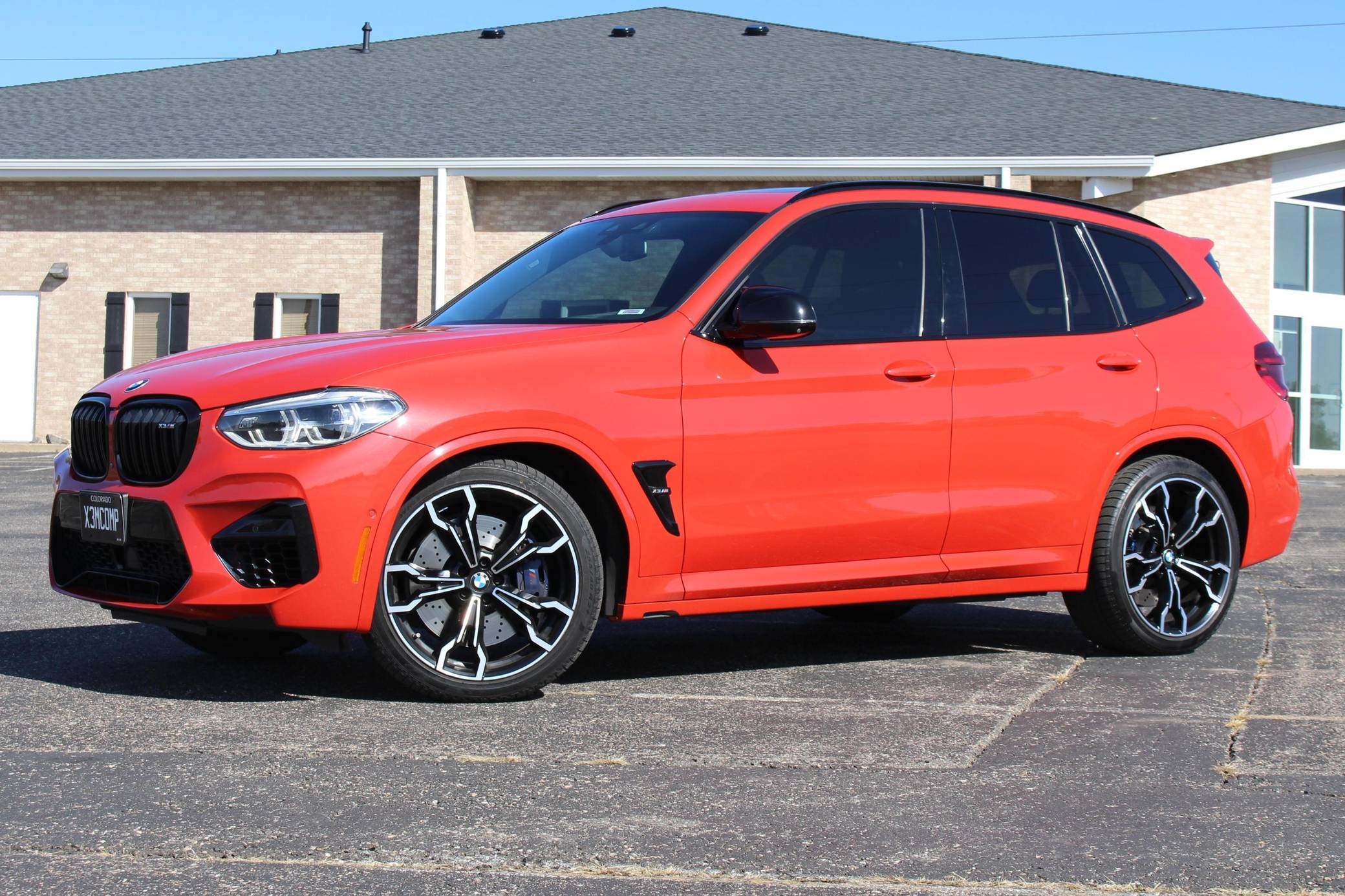
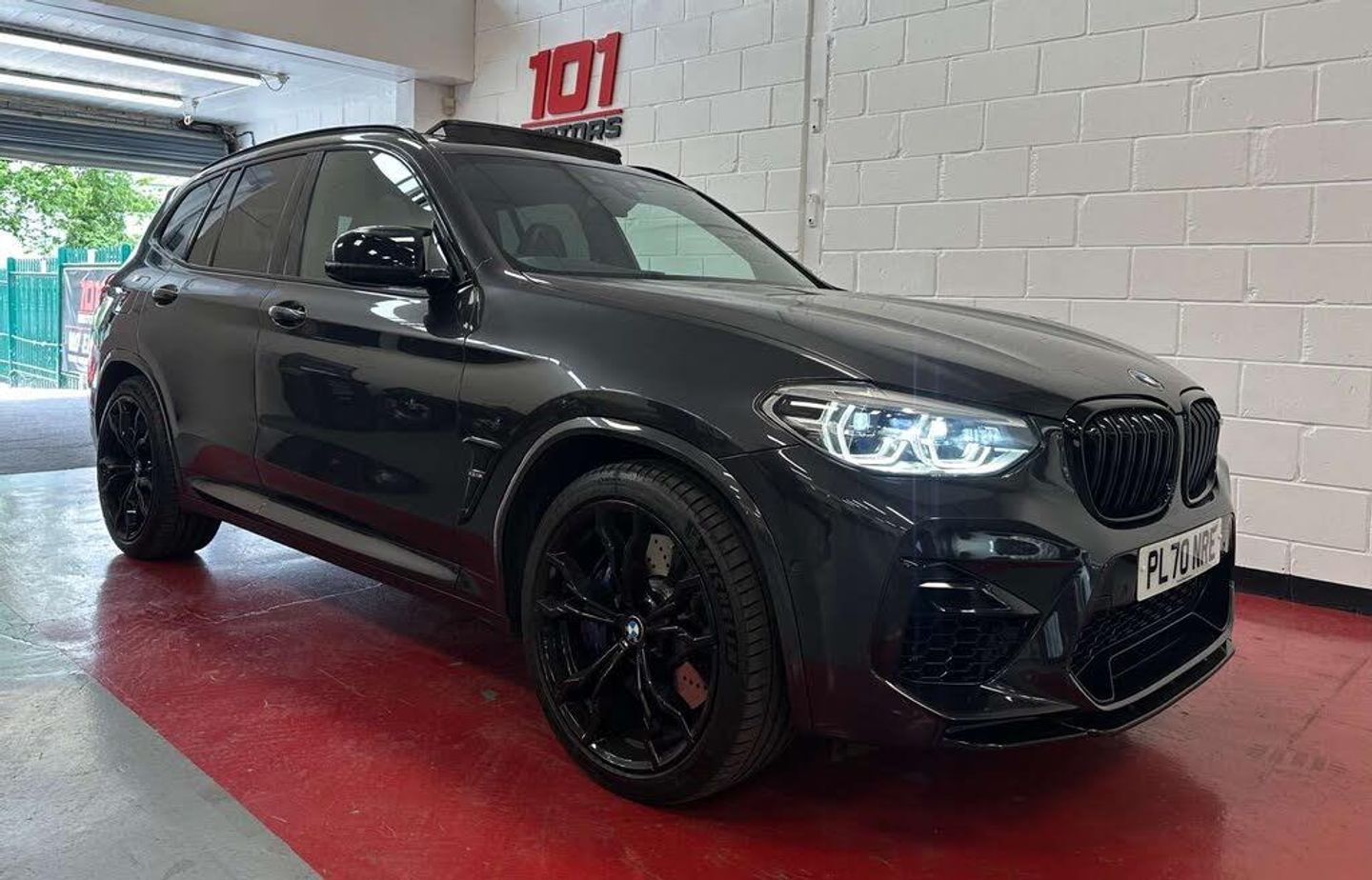
The 2020 BMW X3 M Competition achieves a 0 to 60 mph acceleration time of approximately 3.7 to 4.0 seconds, depending on track conditions, traction, and equipment. Powered by a high-output 3.0-liter twin-turbocharged inline-six engine producing 503 horsepower, this performance-focused crossover combines everyday family utility with aggressive sports car acceleration.
Introduction to the 2020 BMW X3 M Competition
The high-performance compact luxury SUV segment has undergone a remarkable evolution, shifting from heavy utility haulers into legitimate track-capable machines. When BMW introduced the full-fat M variants of the X3 for the 2020 model year, it targeted drivers who required the practicality of a four-door crossover without sacrificing the precision, feedback, and raw speed associated with the brand's iconic M sedans and coupes. At the apex of this lineup sits the 2020 BMW X3 M Competition.
Designed to challenge performance benchmarks previously reserved for dedicated sports cars, this vehicle merges aggressive styling, heavily revised chassis dynamics, and a ferocious powerplant. Central to its enthusiast appeal is its straight-line speed, headlined by the coveted 0 to 60 mph sprint. Understanding how this performance figure is achieved requires examining the engineering, powertrain architecture, transmission capabilities, and technological systems that translate horsepower into forward momentum.
Powertrain Engineering and Specifications
Under the sculpted aluminum hood of the 2020 BMW X3 M Competition lies the S58 engine. This 3.0-liter twin-turbocharged inline-six serves as a generational leap forward from the older N55 and B58 powerplants found in standard or M-Performance models. The S58 was built from the ground up for heavy track duty, featuring a closed-deck crankcase for enhanced cylinder block rigidity, a forged, lightweight crankshaft, and a 3D-printed cylinder head manufactured using additive manufacturing techniques to optimize coolant routing and save weight.
In the standard X3 M, this engine produces 473 horsepower. However, the Competition package elevates output to a staggering 503 horsepower at 5,950 to 7,300 rpm, alongside 442 lb-ft of torque available from a wide band of 2,600 to 5,500 rpm. This broad torque curve ensures that power delivery is virtually instantaneous, minimizing turbo lag and driving the vehicle forward with relentless urgency. Dual mono-scroll turbochargers, direct fuel injection operating at up to 350 bar, and Valvetronic fully variable valve control work in seamless harmony to breathe efficiently through high-revving ranges up to a redline of 7,200 rpm.
Translating Power to the Pavement: Transmission and Drivetrain
Power alone does not dictate a rapid 0 to 60 mph time; how that power is managed and transferred to the asphalt is equally critical. The 2020 BMW X3 M Competition utilizes an eight-speed M Steptronic automatic transmission with Drivelogic. Unlike dual-clutch transmissions that can sometimes feel abrupt in low-speed city driving, this torque-converter-based automatic combines the smoothness required for daily commuting with lightning-fast shift speeds when pushed in manual mode via the steering-wheel-mounted paddle shifters or the traditional gear selector.
To handle the immense torque output without slipping, the vehicle employs the M xDrive all-wheel-drive system, paired with an Active M Differential at the rear axle. The M xDrive system is heavily rear-biased, operating primarily in an all-wheel-drive mode designed to maximize traction during hard launches. By continuously monitoring wheel slip, steering angle, and lateral acceleration, the transfer case can dynamically split torque between the front and rear wheels in milliseconds. When launching the vehicle from a standstill, the system locks power distribution to all four corners, virtually eliminating wheel spin and ensuring that the 503 horsepower translates directly into maximum linear acceleration.
| Performance Metric | Specification |
|---|---|
| Engine Type | 3.0L Twin-Turbocharged Inline-6 (S58) |
| Horsepower | 503 hp @ 5,950–7,300 rpm |
| Torque | 442 lb-ft @ 2,600–5,500 rpm |
| Transmission | 8-Speed M Steptronic with Drivelogic |
| Drivetrain | M xDrive All-Wheel Drive with Active M Differential |
| Curb Weight | Approximately 4,585 lbs |
| Tested 0–60 mph Time | 3.7 to 4.0 seconds |
Analyzing the 0 to 60 mph Run: Real-World Testing vs. Factory Claims
BMW initially advertised a factory-claimed 0 to 60 mph time of 4.0 seconds for the 2020 BMW X3 M Competition. However, automotive publications and independent performance testers frequently subjected the vehicle to rigorous track testing using precise GPS-based timing equipment. Across multiple independent tests, professional drivers consistently recorded 0 to 60 mph times ranging from 3.7 to 3.9 seconds when utilizing the vehicle's built-in launch control system.
Achieving these figures requires specific operating procedures and favorable environmental conditions. Launch control on the X3 M Competition is engaged by shifting the transmission into its most aggressive setting (Stage 3 Drivelogic), deactivating dynamic stability control partially or fully, holding the brake pedal firmly with the left foot, and depressing the accelerator pedal past the kick-down switch. The engine revs automatically to a programmed launch speed of approximately 2,500 rpm, building boost pressure. Releasing the brake pedal initiates a controlled, high-traction launch that pins occupants firmly against their seats as the heavy crossover surges forward. Surface temperature, tire compound wear, fuel load, and altitude heavily influence these times, with cooler ambient temperatures and high-octane fuel yielding the closest results to the 3.7-second benchmark.
Chassis Dynamics, Suspension, and Braking
While straight-line acceleration dominates specification sheets, the 2020 BMW X3 M Competition was engineered to handle corners with equal composure. The vehicle features a model-specific chassis reinforcement package, including a carbon-fiber engine strut brace that ties the front suspension towers to the bulkhead, minimizing structural flex under heavy lateral loading.
The adaptive M suspension utilizes electronically controlled dampers with three distinct driver-selectable modes: Comfort, Sport, and Sport Plus. These modes dynamically adjust compression and rebound characteristics to balance ride compliance with track-ready body control. Despite weighing nearly 4,600 pounds, the X3 M Competition manages its mass exceptionally well, masking its physical dimensions through corners thanks to stiff anti-roll bars and a bespoke elastokinematics setup on the front double-joint spring strut and rear five-link suspension.
Slowing down from highway speeds with the same authority that accelerates the vehicle requires robust stopping power. The Competition package includes ventilated, perforated compound disc brakes gripped by fixed four-piston calipers up front and single-piston floating calipers in the rear, finished in high-gloss blue or optional red. These brakes provide exceptional thermal stability, resisting brake fade during repeated hard stops, and offering progressive pedal feel that allows drivers to modulate braking force precisely upon corner entry.
Practicality, Daily Drivability, and Compromises
A critical element of the high-performance crossover segment is the delicate balance between uncompromising track capability and day-to-day usability. The 2020 BMW X3 M Competition succeeds in providing spacious seating for five adults, generous cargo capacity with the rear seats folded flat, and a commanding driving position. Premium amenities such as Merino leather upholstery, standard navigation, a panoramic sunroof, and advanced driver assistance systems ensure that long road trips remain comfortable.
However, this dual-purpose nature introduces certain compromises, particularly regarding ride quality. To achieve the lateral grip and chassis responsiveness required for a sub-4-second 0 to 60 mph vehicle, the suspension tuning of the Competition package is inherently firm. Even in Comfort mode, the ride can feel stiff and unyielding over broken pavement, expansion joints, and potholes, exacerbated by the large 21-inch alloy wheels wrapped in low-profile performance tires. Potential buyers accustomed to standard luxury crossovers should carefully evaluate this ride firmness during a test drive to ensure it aligns with their daily commuting preferences.
Frequently Asked Questions
What is the exact factory-claimed 0 to 60 mph time for the 2020 BMW X3 M Competition?
BMW officially claimed a 0 to 60 mph acceleration time of 4.0 seconds for the 2020 BMW X3 M Competition model. However, independent instrumental testing by automotive journalists frequently achieved times between 3.7 and 3.9 seconds under optimal track conditions using the factory launch control system.
How does the Competition package differ mechanically from the standard X3 M?
The Competition package increases engine output from 473 horsepower to 503 horsepower while maintaining the same 442 lb-ft of torque. Additionally, it adds a standard M Sport exhaust system with distinct black chrome tailpipes, 21-inch M lightweight wheels, M Sport seats with illuminated badges, and a recalibrated adaptive suspension tuned for sharper handling dynamics.
Does the 2020 BMW X3 M Competition feature launch control?
Yes, the vehicle features a sophisticated launch control system built into its eight-speed M Steptronic transmission. To activate it, the driver must place the transmission in its most aggressive shift program, deactivate stability control appropriately, hold the brake firmly, and floor the accelerator to engage the launch RPM hold before releasing the brake pedal.
What is the fuel economy of the 2020 BMW X3 M Competition?
EPA fuel economy estimates for the 2020 BMW X3 M Competition are rated at approximately 14 mpg city, 19 mpg highway, and 16 mpg combined. Real-world fuel economy heavily depends on driving habits; aggressive acceleration and frequent use of the vehicle's upper RPM range will easily drop figures below the EPA estimates.
Can the M xDrive system be switched to rear-wheel drive only?
Unlike the larger BMW M5 and M8 models, which feature a selectable 2WD mode that disconnects the front axle entirely, the M xDrive system in the 2020 X3 M does not offer a dedicated rear-wheel-drive drift mode. The system continuously manages power distribution across all four wheels, though it retains a distinct rearward bias to mimic the dynamic handling characteristics of a traditional rear-wheel-drive sports car.
Conclusion and Buying Considerations
The 2020 BMW X3 M Competition is an engineering achievement that bridges two previously incompatible worlds: supercar-shattering straight-line acceleration and everyday utility. With its verified 3.7 to 4.0-second 0 to 60 mph capability, ferocious 503-horsepower twin-turbo inline-six, and track-honed chassis, it satisfies the demands of driving enthusiasts who refuse to compromise on family transport needs. Prospective buyers should weigh the exceptionally firm ride quality and higher operational costs against the thrilling performance envelope before making a purchase decision.