The 2015 BMW M6 achieves a 0 to 60 mph time of approximately 3.9 to 4.1 seconds depending on the body style, transmission choice, and whether the vehicle is equipped with the optional Competition Package. Powered by a potent twin-turbocharged V8 engine, this high-performance luxury grand tourer combines immense straight-line speed with heavy engineering designed for stability and high-speed cruising.
Evaluating the performance capabilities of a high-end sports car like the 2015 BMW M6 requires looking far beyond a single acceleration metric. While the 0 to 60 mph sprint is a universal shorthand for performance, the M6 was built to deliver heavy-hitting horsepower, robust torque curves, and sophisticated chassis dynamics across a variety of conditions. Understanding how this machine achieves its acceleration figures involves examining its powertrain, transmission technology, aerodynamic profile, and mechanical architecture.
Evolution and Identity of the F12/F13/F06 BMW M6
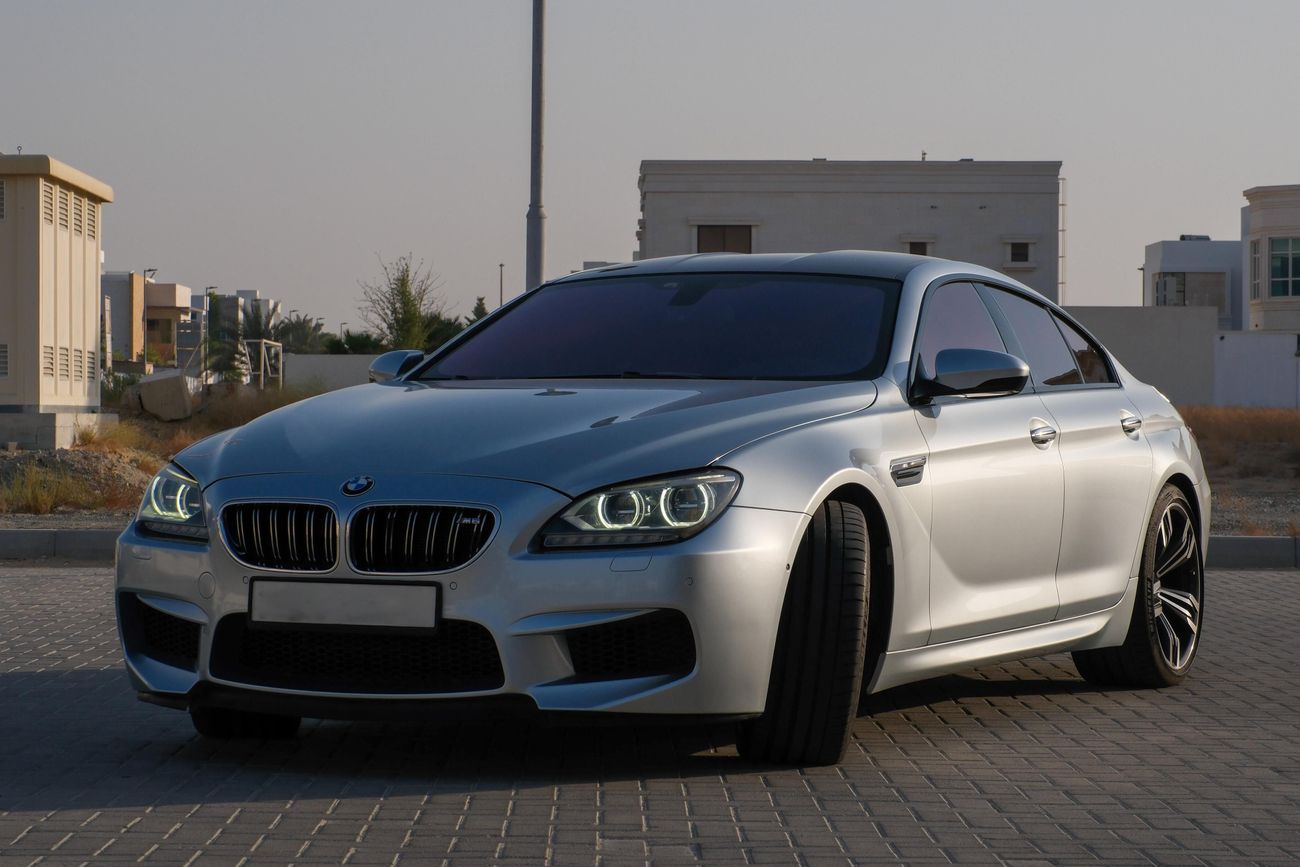
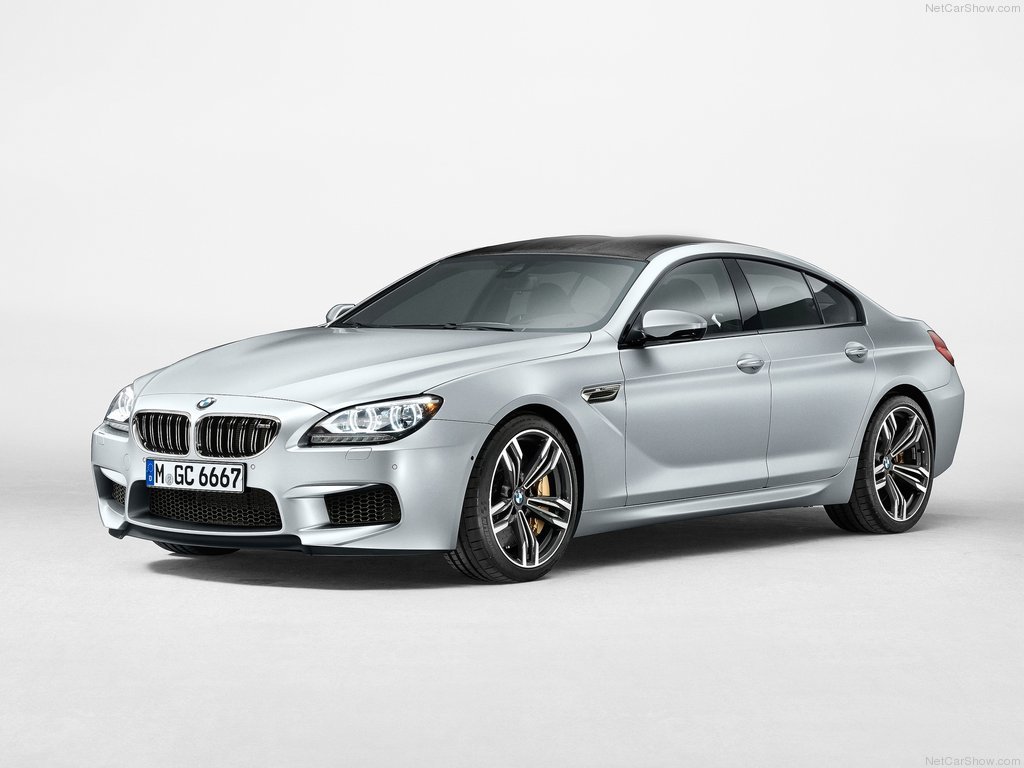
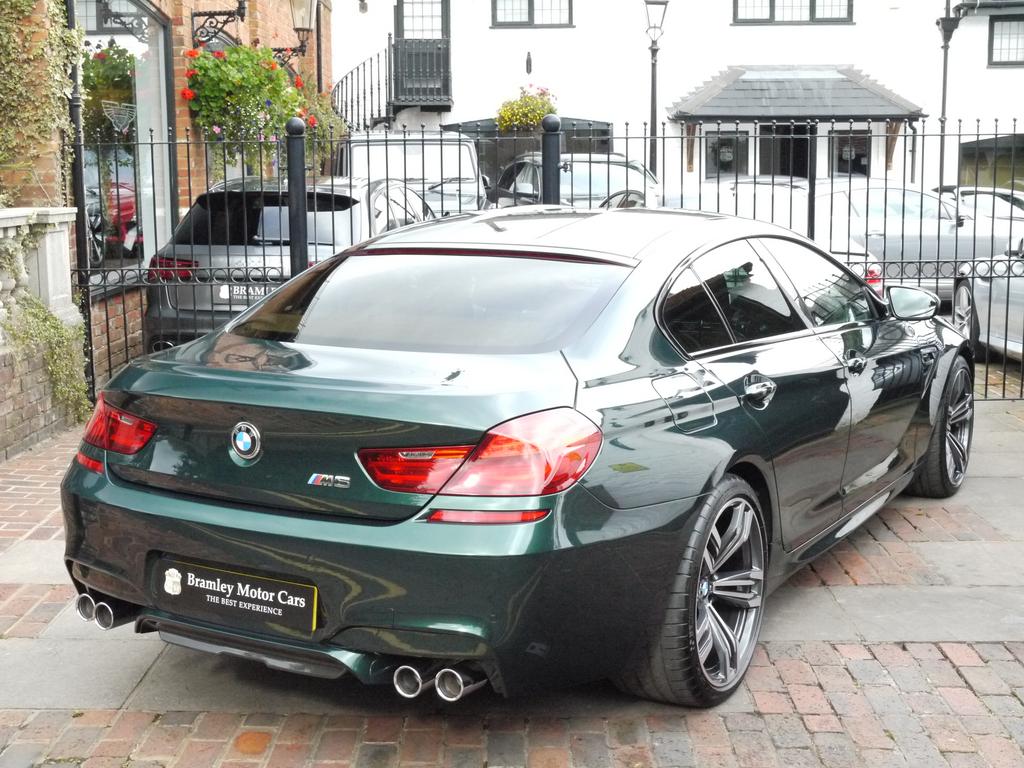
The 2015 model year falls squarely into the third generation of the BMW M6 lineage, known internally by chassis codes F12 (convertible), F13 (coupé), and F06 (Gran Coupé). By 2015, BMW had refined the platform to offer a balance between a brutal track-capable machine and a refined cross-continental grand tourer.
At its core, the M6 shares its fundamental architecture with the BMW M5 sedan, but wraps it in sleeker, lower-slung bodywork. The vehicle's design emphasizes aerodynamics, cooling for the high-output engine, and a wide track that plants the car firmly to the pavement. Despite weighing well over 4,000 pounds across all variants, the M6 manages to mask its mass through advanced electronic driving aids, active differential systems, and immense engine output.
Powertrain Specifications and the S63 Engine
The beating heart of the 2015 BMW M6 is the S63TU engine—a 4.4-liter, twin-turbocharged V8 (M TwinPower Turbo) featuring a hot-vee configuration where the twin-scroll turbochargers are nestled inside the cylinder bank V. This layout minimizes turbo lag and provides instantaneous throttle response.
In standard trim, this powerplant produces 560 horsepower between 6,000 and 7,000 rpm, alongside a massive wave of 500 lb-ft of torque available from just 1,500 rpm all the way up to 5,750 rpm. For drivers opting for the Competition Package, output is bumped to 575 horsepower, while peak torque delivery is sustained over a broader band. This relentless torque output is the primary reason the 2015 BMW M6 achieves its brisk 0 to 60 mph time, pushing the heavy chassis forward with unrelenting force from a standstill.
Transmission Dynamics: Dual-Clutch vs. Manual
Power is channeled to the rear wheels via one of two transmissions, depending on market and consumer preference:
- 7-Speed M Double-Clutch Transmission (DCT): This is the gearbox responsible for the fastest verified 0 to 60 mph times. Utilizing Drivelogic shift-speed settings, the dual-clutch unit executes lightning-fast gear changes without a break in power delivery. It also features a dedicated Launch Control program designed to manage wheel slip and maximize off-the-line acceleration.
- 6-Speed Manual Transmission: Offered primarily in North American markets as a no-cost option, the traditional manual appeals to purists. However, because of human reaction times and the torque-management software required to protect the clutch, models equipped with the 6-speed manual typically record 0 to 60 mph times roughly 0.3 to 0.4 seconds slower than their DCT counterparts.
Comprehensive Performance Breakdown by Variant
Because the 2015 M6 was offered in three distinct body styles, weight distribution and aerodynamic drag play noticeable roles in track and acceleration metrics. The Coupé is the lightest and most structurally rigid, allowing it to record the sharpest acceleration figures. The Gran Coupé adds length and weight with its four-door configuration, while the Convertible pays a weight penalty due to chassis reinforcement and folding-roof mechanisms.
| Body Style | Transmission | Standard Power (HP) | Competition Pkg (HP) | 0–60 MPH Time (Est.) | Top Speed (With M Driver's Package) |
|---|---|---|---|---|---|
| Coupé (F13) | 7-Speed DCT | 560 | 575 | 3.9 - 4.1 sec | 155 mph (189 mph) |
| Coupé (F13) | 6-Speed Manual | 560 | N/A | 4.2 - 4.3 sec | 155 mph (189 mph) |
| Gran Coupé (F06) | 7-Speed DCT | 560 | 575 | 4.0 - 4.2 sec | 155 mph (189 mph) |
| Convertible (F12) | 7-Speed DCT | 560 | 575 | 4.2 - 4.3 sec | 155 mph (189 mph) |
The Role of the Competition Package in 0 to 60 Times
The optional Competition Package went beyond a simple 15-horsepower bump. It introduced modifications specifically targeted at sharpening handling and shaving fractions of a second off dynamic performance metrics:
- Suspension Tuning: Stiffer springs, dampers, and thicker anti-roll bars reduced body roll during aggressive cornering and hard acceleration.
- Steering Calibration: A more direct steering ratio improved turn-in responsiveness.
- Active M Differential: Retuned software for the electronically controlled locking differential optimized traction out of tight corners and from a standing start.
- Exhaust System: Black chrome tailpipes paired with a sport exhaust system reduced backpressure and enhanced the acoustic signature of the V8 engine.
While the 15-hp increase alone contributed marginally to straight-line speed, the revised differential tuning and suspension geometry helped the rear tires put power down more efficiently when utilizing Launch Control.
Real-World Factors Influencing Acceleration
Achieving factory-claimed or magazine-tested 0 to 60 mph times in a high-horsepower rear-wheel-drive car requires specific environmental and mechanical conditions. Owners and testers frequently encounter variables that shift these numbers:
- Tire Compound and Temperature: The M6 relies heavily on wide, high-performance summer tires. Cold pavement, worn tread, or non-performance all-season tires will easily overwhelm rear traction, leading to wheelspin and slower times.
- Density Altitude: Temperature, humidity, and barometric pressure dictate engine breathing. Forced-induction engines like the S63 compensate well for altitude compared to naturally aspirated motors, but extreme heat can still induce heat soak in the intercoolers, reducing peak power output.
- Surface Preparation: Drag strips with treated, rubber-laden surfaces yield significantly better 0 to 60 acceleration figures than public asphalt or concrete highways.
Frequently Asked Questions
Does the 2015 BMW M6 have All-Wheel Drive (xDrive)?
No. The 2015 BMW M6 is strictly a rear-wheel-drive vehicle. All-wheel drive capability was not introduced to the M6 or its direct successor (the M8) until later generations. Managing 560+ horsepower through the rear wheels requires careful throttle modulation, especially on wet or cold surfaces.
How do you use Launch Control on a 2015 BMW M6?
To activate Launch Control on a DCT-equipped M6, the engine must be fully warmed up. The driver shifts the transmission into sequential mode (S mode), sets the Drivelogic to its most aggressive setting (Level 3), disengages dynamic stability control (or activates MDM mode), holds the brake firmly with the left foot, and pushes the gear selector forward while flooring the accelerator. A checkered flag icon appears on the instrument cluster, allowing the driver to release the brake for maximum acceleration.
Is the manual transmission faster than the automatic in the 2015 M6?
No. The 7-speed dual-clutch transmission shifts gears much faster than any human can operate a clutch pedal and stick shift. Furthermore, factory Launch Control is only programmed for the DCT variant, making it consistently quicker to 60 mph than the 6-speed manual.
What is the top speed of the 2015 BMW M6?
From the factory, top speed is electronically limited to 155 mph. However, if the vehicle is equipped with the optional M Driver’s Package, the electronic limiter is raised to 189 mph, allowing the grand tourer to stretch its legs on unrestricted stretches of road or closed tracks.
How does the M6 0 to 60 time compare to the M5 of the same year?
The 2015 BMW M5 utilizes the exact same S63 4.4-liter twin-turbo V8 engine and transmission options. Because the M5 sedan and M6 coupé share nearly identical mechanical underpinnings and curb weights, their official 0 to 60 mph times are virtually identical, hovering right around 3.9 to 4.2 seconds.
Conclusion and Final Recommendation
The 2015 BMW M6 remains an engineering milestone of its era, marrying luxury grand-tourer comfort with supercar-level straight-line performance. Delivering a 0 to 60 mph time of roughly 3.9 seconds, it punches well above its weight class despite being a large, heavily appointed coupe or convertible. For prospective buyers or performance enthusiasts researching historical specifications, prioritizing a model equipped with the 7-speed DCT and the Competition Package ensures access to the sharpest acceleration and handling dynamics the platform has to offer.