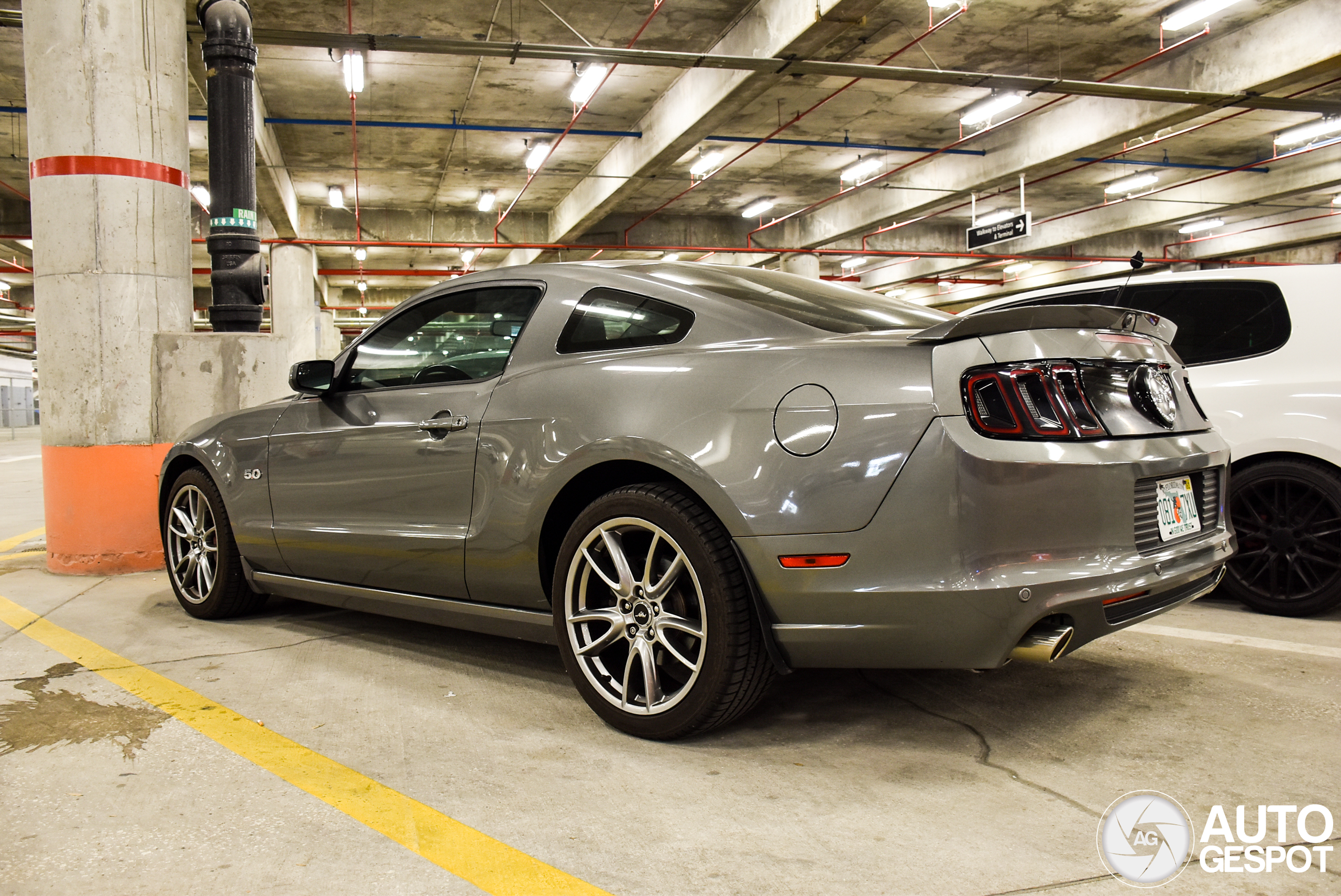
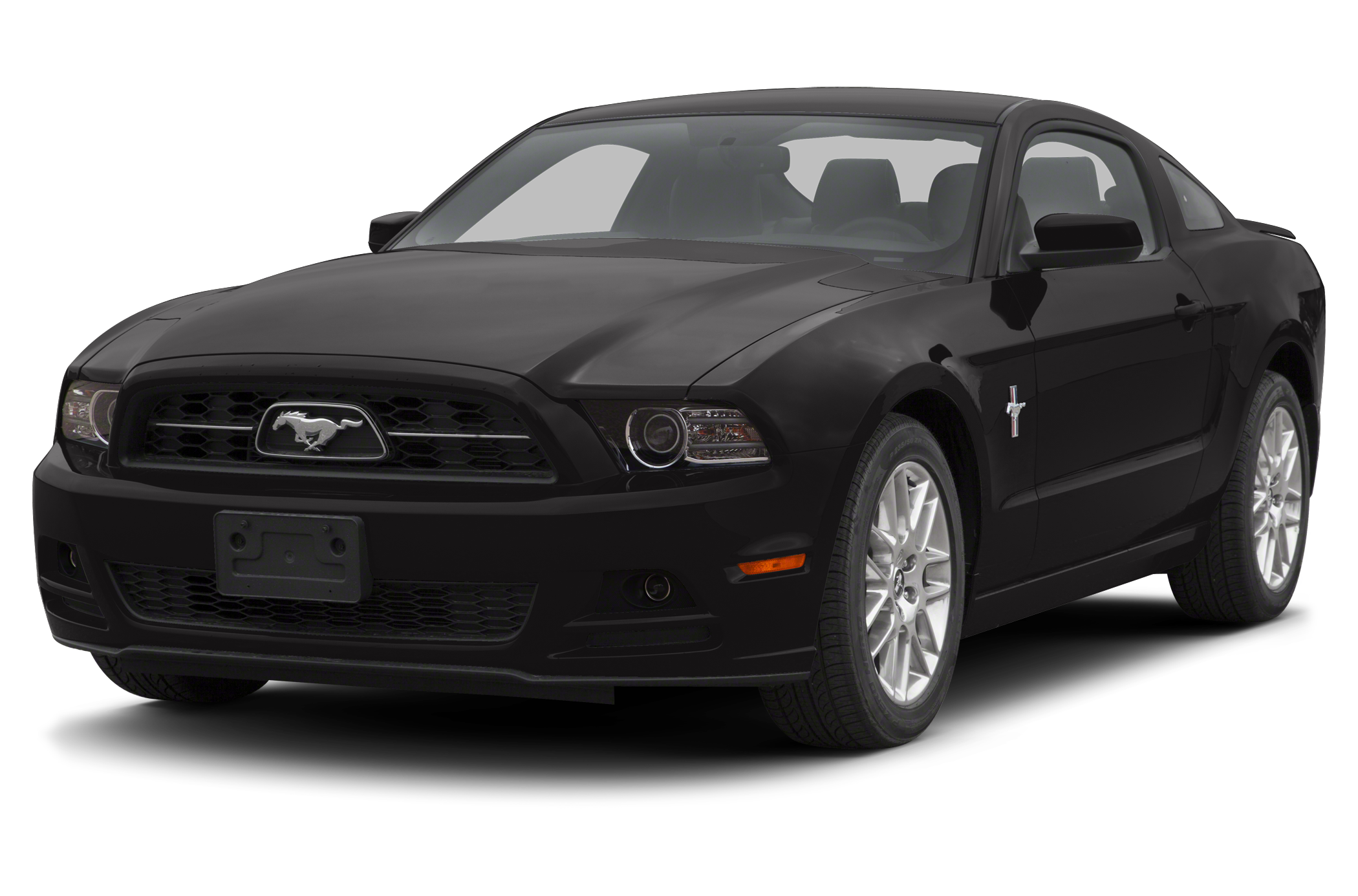
The 2013 Ford Mustang V6 typically records a 0-60 mph acceleration time between 5.1 and 5.8 seconds. These figures depend heavily on the transmission type—6-speed manual versus 6-speed automatic—and the presence of the optional Performance Package, which equips the vehicle with shorter 3.31 rear-end gears for more aggressive off-the-line performance.
Understanding the 2013 Mustang V6 Performance Profile
The 2013 model year represented a high point for the S197 generation of the Ford Mustang. While the 5.0L V8 GT often stole the headlines, the V6 model underwent a massive transformation starting in 2011 that carried through to 2013. This era introduced the 3.7L "Cyclone" engine, which effectively ended the era of the "rental car" Mustang being a slow, underpowered vehicle.
In 2026, the 2013 Mustang V6 is viewed as a definitive entry-level enthusiast car. It offers a power-to-weight ratio that remains competitive with many modern turbocharged four-cylinder sports cars. To understand why the 0-60 mph times vary by nearly a full second across different tests, we must look at the mechanical components that define how this pony car puts its power to the pavement.
The Heart of the Machine: The 3.7L Ti-VCT V6
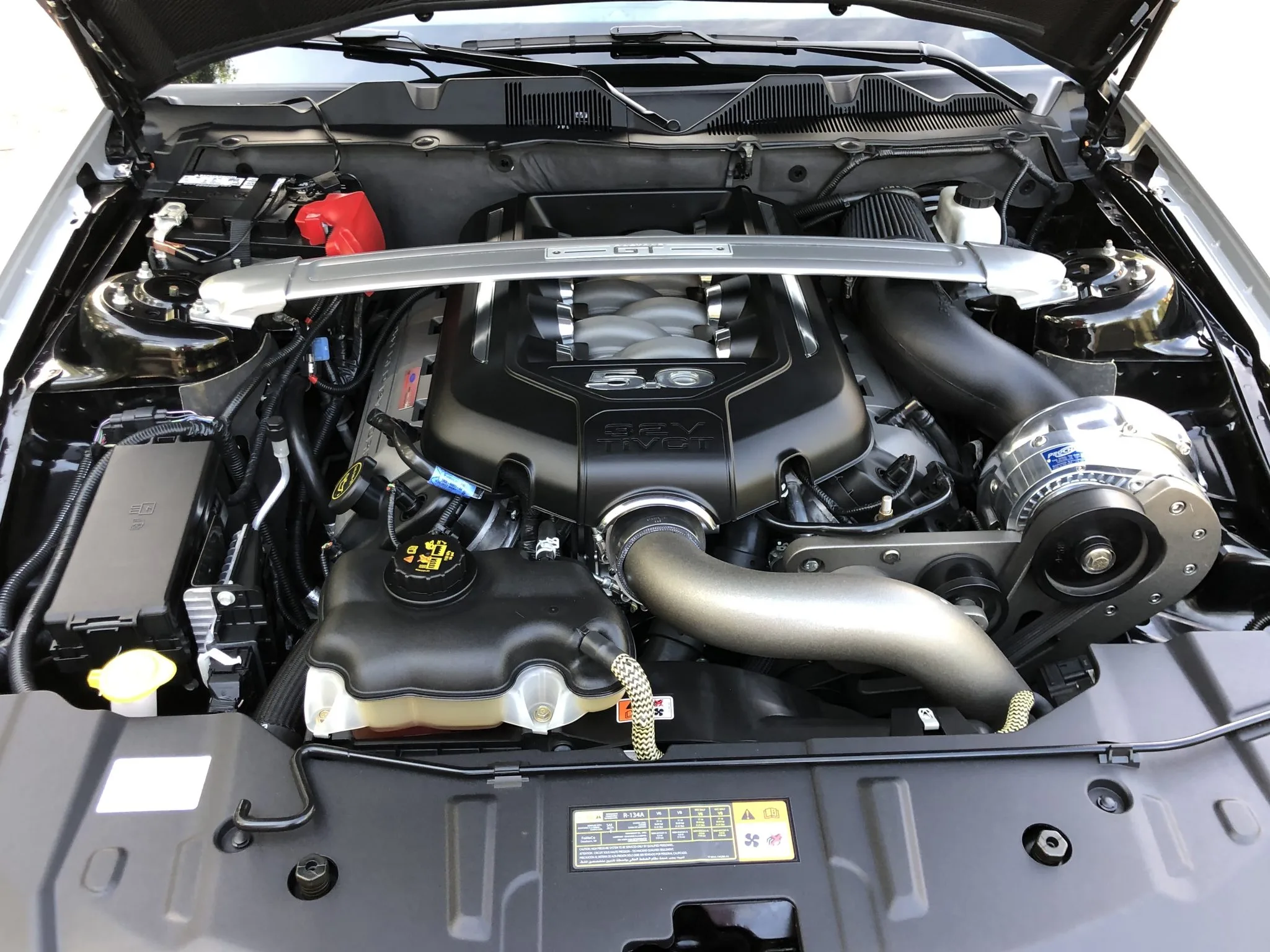
The primary reason for the 2013 Mustang V6’s respectable 0-60 time is the 3.7-liter DOHC V6 engine. This power plant produces 305 horsepower at 6,500 rpm and 280 lb-ft of torque at 4,250 rpm.
One of the most critical technologies within this engine is Twin Independent Variable Cam Timing (Ti-VCT). This system allows the engine control module (ECM) to advance or retard the intake and exhaust camshaft timing independently. For 0-60 mph sprints, this is vital because it allows the engine to maximize torque at lower RPMs to get the car moving, while still breathing efficiently at high RPMs to finish the sprint.
The engine features an all-aluminum construction, which keeps the front-end weight lower than the V8 counterpart. This weight distribution benefits not just handling, but the initial launch, as there is less mass to overcome when the light turns green.
Transmission and Rear-End Gearing: The Variables
When discussing "2013 Ford Mustang v6 0 60 time explained," the conversation is incomplete without discussing the drivetrain. The 0-60 mph time is as much about gearing as it is about horsepower.
The 6-Speed Manual (MT82)
Drivers opting for the 6-speed manual transmission generally see the fastest 0-60 times, often reaching the low 5-second range. The manual allows the driver to "launch" the car—holding the RPMs at an optimal point (usually around 3,000–3,500 RPM) and slipping the clutch to manage traction. However, the MT82 transmission in this era was sometimes criticized for its shift quality, which can lead to missed shifts or slower times if the driver is not precise.
The 6-Speed Automatic (6R80)
The 6R80 automatic is a robust transmission that provides consistent, albeit slightly slower, 0-60 times. Most stock automatics will land in the 5.6 to 5.8-second range. The 2013 model year was notable because Ford added "SelectShift" capability, allowing drivers to manually control gear choices via a button on the shifter. While this adds engagement, the automatic's torque converter and standard gearing are optimized more for fuel economy than raw 0-60 acceleration.
The Importance of the 3.31 Rear Axle Ratio
The standard 2013 Mustang V6 came with a 2.73 rear axle ratio. This "long" gearing is excellent for highway cruising and fuel economy but is detrimental to 0-60 times. If a buyer opted for the V6 Performance Package, the car was equipped with a 3.31 rear axle ratio.
In the world of acceleration, a higher numerical ratio (shorter gears) means the engine can reach its power band faster in every gear. A V6 Mustang with 3.31 gears will almost always beat an identical V6 with 2.73 gears in a 0-60 mph race by several tenths of a second.
2013 Mustang V6 Performance Specifications
The following table breaks down the estimated performance metrics based on the different configurations available for the 2013 model year.
| Configuration | Rear Axle Ratio | 0-60 MPH (Seconds) | 1/4 Mile (Est.) | Top Speed (Limited) |
|---|---|---|---|---|
| Manual + Perf. Package | 3.31 | 5.1 - 5.3 | 13.7 @ 102 mph | 113 mph |
| Manual (Base) | 2.73 | 5.4 - 5.6 | 14.0 @ 100 mph | 113 mph |
| Automatic (Base) | 2.73 | 5.7 - 5.9 | 14.3 @ 98 mph | 113 mph |
| Automatic (Optional) | 3.31 | 5.5 - 5.7 | 14.1 @ 99 mph | 113 mph |
Note: The top speed is electronically limited by Ford to 113 mph on V6 models due to the speed rating of the factory tires and the driveshaft's critical speed limits.
External Factors That Affect Acceleration
Even with the best configuration, a 2013 Mustang V6 may not hit its theoretical 0-60 mph potential. Several environmental and mechanical factors play a role, especially as these vehicles have aged into 2026.
Tire Condition and Compound
The 2013 V6 Performance Package came with 19-inch wheels and Pirelli summer tires. These tires provided the grip necessary for a sub-5.5-second run. If a vehicle is currently equipped with "all-season" or "economy" tires, the 0-60 time will suffer due to wheel spin. In 2026, the rubber compounds on original tires will have hardened significantly, making them dangerous and inefficient for performance testing. Fresh, high-performance tires are the single best way to ensure the car meets its original factory performance specs.
Density Altitude (DA)
Naturally aspirated engines like the 3.7L Cyclone are highly sensitive to air density. At high altitudes (like Denver, Colorado) or in extreme heat, the air is less dense, meaning the engine takes in less oxygen. This can add as much as 0.5 to 1.0 seconds to a 0-60 mph time compared to a run performed at sea level on a cool, 60-degree day.
Traction Control and AdvanceTrac
The 2013 Mustang features a multi-stage stability control system. For the absolute best 0-60 mph time, most expert drivers use "Sport Mode" or turn Traction Control off entirely. Standard Traction Control often "cuts" power or applies the brakes the moment it senses wheel spin, which can ruin an acceleration run. However, without it, the driver must be skilled enough to modulate the throttle to prevent excessive tire smoke.
How the 2013 V6 Compares to Its Rivals
To truly explain the 0-60 time, one must look at the landscape of 2013. The "Pony Car Wars" were in full swing between Ford, Chevrolet, and Dodge.
- 2013 Chevrolet Camaro V6: The Camaro used a 3.6L LFX engine making 323 horsepower. Despite the higher horsepower on paper, the Camaro was significantly heavier than the Mustang. Consequently, the two cars were nearly identical in 0-60 performance, with the Mustang often feeling more nimble due to its lower curb weight (approx. 3,500 lbs vs 3,750 lbs).
- 2013 Dodge Challenger SXT: The Challenger utilized the 3.6L Pentastar V6. Because the Challenger is a much larger, heavier "Grand Tourer" rather than a pony car, its 0-60 times were usually in the 6.2 to 6.4-second range, making the Mustang V6 considerably faster.
- 2013 Mustang GT (V8): For context, the V8 Mustang GT of the same year produced 420 horsepower and could hit 0-60 mph in roughly 4.3 to 4.5 seconds. While the V6 was over a second slower, it was also significantly cheaper and offered better fuel economy.
Enhancing the 0-60 Time: 2026 Modifications
For owners looking to improve their 2013 Mustang V6’s 0-60 time in 2026, several common "bolt-on" modifications can yield measurable results.
- Aftermarket Tuning: An ECM tune from reputable shops can recalibrate the Ti-VCT, sharpen throttle response, and optimize the shift points on automatic transmissions. This alone can often shave 0.2 seconds off the 0-60 time.
- Rear Gear Swap: If the car has the 2.73 gears, swapping them for 3.55 or 3.73 gears is the most dramatic way to improve acceleration. This makes the car much "punchier" in city driving and off the line, though it will slightly increase highway RPMs.
- Cold Air Intake (CAI) and Exhaust: While these provide minimal horsepower gains on their own, they allow the 3.7L engine to breathe better at the top of the tachometer, helping the car pull harder as it approaches the 60 mph mark (which usually requires a shift into 2nd or 3rd gear).
Practical Maintenance for Performance Retention
As of 2026, a 2013 Mustang V6 is thirteen years old. To achieve the 0-60 times originally published by automotive journals, the vehicle must be in peak mechanical condition.
Owners should prioritize the ignition system, specifically replacing spark plugs that may have carbon buildup. The 3.7L engine is also sensitive to the cleanliness of the Mass Air Flow (MAF) sensor and the throttle body. If these are dirty, the engine may suffer from "hesitation" during the initial launch, adding precious tenths of a second to the acceleration time. Furthermore, ensuring the transmission fluid in the 6R80 or MT82 is fresh will help maintain shift speed and consistency.
Frequently Asked Questions
Can a 2013 Mustang V6 beat a modern EcoBoost Mustang?
In a 0-60 mph sprint, a stock 2013 V6 (5.1–5.8s) is generally slightly slower than a modern EcoBoost Mustang (approx. 5.0–5.3s). The EcoBoost benefits from turbocharging, which provides significantly more low-end torque. However, the V6 is often preferred by enthusiasts for its linear power delivery and more traditional exhaust note.
Is the 2013 Mustang V6 faster than the 2010 Mustang GT?
Yes, surprisingly. The 2010 Mustang GT used the older 4.6L 3-valve V8, which produced 315 horsepower. Because the 2013 V6 is lighter and produces 305 horsepower with more efficient gearing, it is often a "driver's race," with both cars capable of mid-5-second 0-60 times. This was a major point of pride for Ford when the 3.7L engine was released.
Does the 2013 Mustang V6 have a launch control feature?
No, the 2013 V6 did not come with factory launch control. That feature was reserved for the Shelby GT500 in 2013. However, the 2013 V6 did receive the "Track Apps" in the instrument cluster (on Premium models), which includes a built-in accelerometer to measure your own 0-60 mph and quarter-mile times.
What is the best way to launch a manual 2013 Mustang V6?
For the best 0-60 time, place the car in Sport Mode, hold the RPMs at approximately 3,200, and quickly but smoothly release the clutch while simultaneously rolling into the throttle. If you "dump" the clutch too fast, you will simply spin the tires; if you are too slow, the engine will bog down.
Why is my 2013 Mustang V6 limited to 113 mph?
Ford limited the V6 models to 113 mph because the standard two-piece driveshaft was not designed to handle the harmonics and rotational speeds beyond that point. Additionally, the base V6 tires were not speed-rated for higher velocities. While the engine has enough power to reach approximately 155 mph, it is unsafe to do so without an aftermarket one-piece aluminum driveshaft and speed-rated tires.
Recommendation for Enthusiasts
If you are looking to purchase or optimize a 2013 Ford Mustang V6 for the best possible 0-60 performance, prioritize finding a model with the V6 Performance Package. This package is easily identified by its 19-inch black-painted wheels and the presence of a strut tower brace under the hood. The 3.31 gears included in this package are the most critical factor in achieving the lower end of the 5.1–5.3 second range. In 2026, always ensure your tires are less than five years old and of a high-performance summer or "Ultra High Performance" (UHP) all-season variety before attempting performance testing.