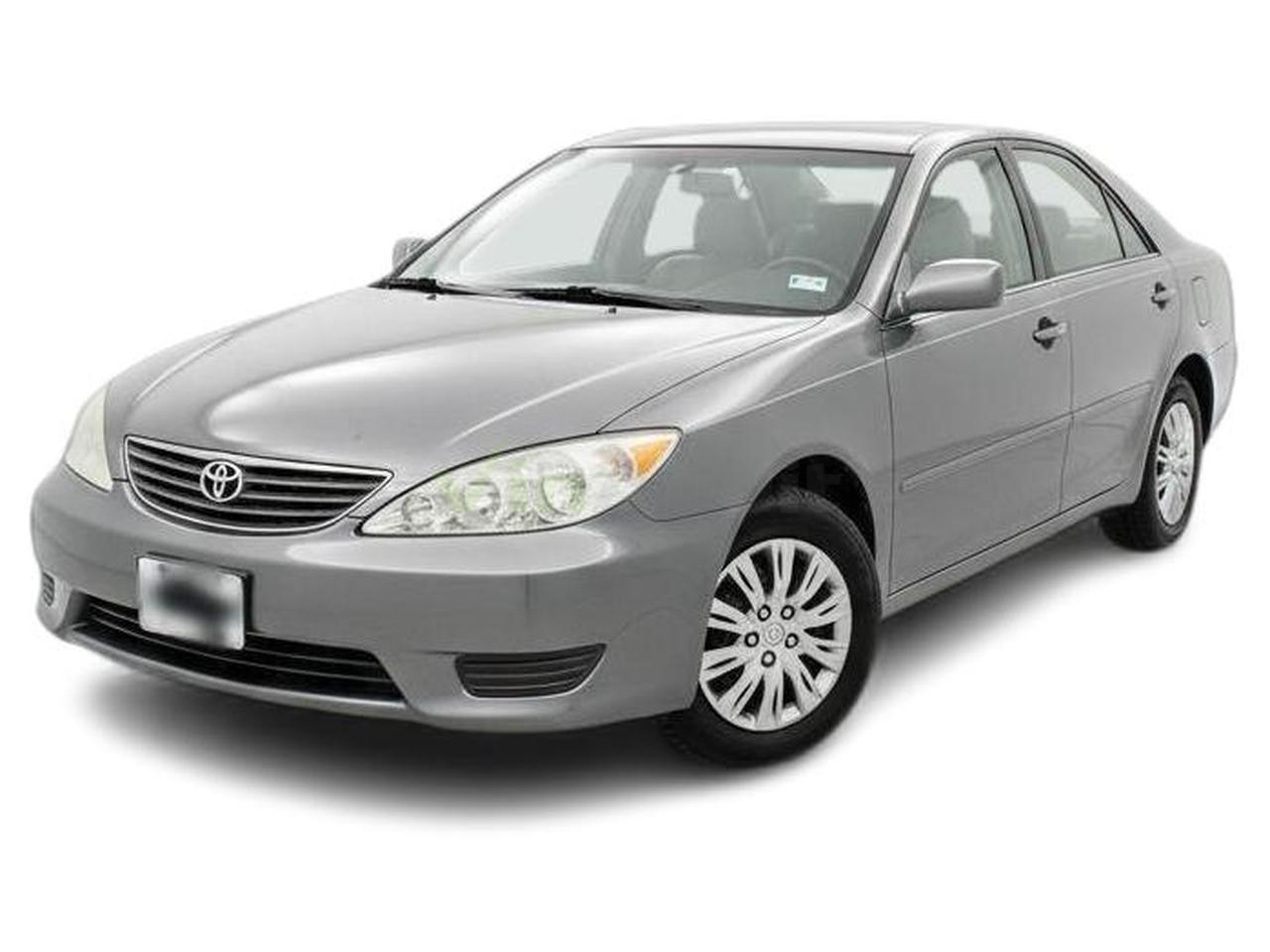
The 2006 Toyota Camry, a staple of the XV30 generation's final year, is generally expected to achieve between 21 and 24 mpg in city driving and 30 to 34 mpg on the highway, depending on the engine configuration. Real-world fuel economy is heavily influenced by vehicle maintenance, driving habits, tire pressure, and the specific powertrain—either the 2.4-liter four-cylinder or the 3.3-liter V6.
Historical Context and EPA Ratings
When evaluating the fuel economy of a 2006 Toyota Camry, it is essential to ground expectations in the original EPA testing standards of the era. The 2006 model year predates the 2008 revisions to EPA testing methods, which were implemented to more accurately reflect real-world driving behaviors such as faster acceleration, higher speeds, and the use of air conditioning.
For the 2006 model year, the standard 2.4-liter, 4-cylinder engine (2AZ-FE) paired with a 5-speed automatic transmission was rated at approximately 24 mpg city and 34 mpg highway. The more powerful 3.3-liter V6 (3MZ-FE), also paired with a 5-speed automatic, was rated at approximately 20 mpg city and 29 mpg highway. Because these figures were calculated using the older testing cycles, modern drivers often find that their vehicles achieve slightly lower results when measured against contemporary, more aggressive driving patterns.
Powertrain Variations and Fuel Consumption
The Camry’s fuel economy is dictated primarily by its powertrain. Understanding which engine is under the hood is the first step in setting realistic expectations for your vehicle's performance.
The 2.4-Liter Four-Cylinder Engine
The 2.4-liter inline-four was the volume seller for the 2006 Camry. It offers the best fuel efficiency of the lineup. Because this engine is tasked with moving a mid-size sedan, it operates most efficiently during steady-state highway cruising. Drivers who predominantly utilize the vehicle for commuting on highways often report exceeding 30 mpg if the vehicle is well-maintained. However, in heavy stop-and-go traffic, the efficiency of this engine drops significantly, as the weight of the vehicle requires more energy to reach cruising speed from a dead stop.
The 3.3-Liter V6 Engine
The V6 option provides a significant jump in horsepower and torque, which naturally comes at the expense of fuel economy. The increased displacement and the additional cylinders create more internal friction and require more fuel to sustain the higher performance output. While owners often choose the V6 for its smooth power delivery and highway passing capability, the "cost" is a noticeable decrease in fuel economy. In urban environments, it is not uncommon for V6 models to dip into the high teens (17–19 mpg) if the driver has a heavy foot.
Factors Influencing Real-World MPG
Vehicle age and usage patterns create a gap between "as-new" estimates and the reality of a 20-year-old vehicle. Several variables determine how close your 2006 Camry stays to its original efficiency ratings.
Mechanical Condition and Maintenance
A vehicle's fuel efficiency is a direct reflection of its engine health. As a 2006 model, components that were once tight and clean may have degraded. Key maintenance factors include:
- Mass Air Flow (MAF) Sensor: This sensor measures the amount of air entering the engine. If it becomes contaminated with dust or oil, it sends incorrect data to the ECU, often leading to a fuel-rich mixture that kills mileage.
- Spark Plugs and Ignition Coils: Misfires or weak sparks cause incomplete combustion. If your Camry has not had a tune-up in the last 60,000 to 100,000 miles, replacing the spark plugs is often the single most effective way to restore lost fuel economy.
- Fuel Injectors: Over time, carbon deposits can build up in fuel injectors, leading to a poor spray pattern. This prevents fuel from atomizing correctly, which reduces power and efficiency.
Tire Pressure and Rolling Resistance
The contact patch between your tires and the road is one of the most overlooked factors in fuel consumption. Tires that are under-inflated by even 5 psi create significantly more rolling resistance, forcing the engine to work harder to maintain speed. Always refer to the tire pressure placard located on the driver’s side door jamb—not the maximum pressure listed on the tire sidewall—to find the manufacturer’s recommended specification.
Driving Habits and Environment
Aggressive acceleration and high-speed driving are the enemies of fuel economy in any vehicle. The 5-speed automatic transmission in the 2006 Camry is calibrated for comfort and efficiency, but it cannot compensate for erratic throttle inputs. Drivers who anticipate traffic flow and avoid sudden, rapid acceleration will see much higher figures than those who drive in a "stop-and-go" manner. Furthermore, if you live in a region with significant elevation changes, your fuel economy will fluctuate based on whether you are primarily ascending or descending during your commute.
Comparative Fuel Economy Expectations
The following table summarizes the typical expectations for the 2006 Toyota Camry based on historical data and user-reported averages for vehicles in well-maintained condition.
| Engine Configuration | City MPG (Est) | Highway MPG (Est) | Combined MPG (Est) |
|---|---|---|---|
| 2.4L 4-Cylinder (Auto) | 21–24 | 30–34 | 25–27 |
| 3.3L V6 (Auto) | 17–20 | 26–29 | 21–23 |
| 2.4L 4-Cylinder (Manual) | 22–25 | 31–35 | 26–28 |
Note: Figures are estimates based on standardized EPA methodology for the 2006 model year, adjusted for current age and mechanical variance. Individual results will vary based on maintenance and driving style.
Troubleshooting Poor Fuel Economy
If your 2006 Camry is consistently achieving mileage significantly lower than the ranges listed above, it may indicate an underlying issue that requires attention.
- Check for Check Engine Lights: Even if the light is not flashing, there may be stored "pending" codes in the ECU that indicate an issue like a failing Oxygen (O2) sensor. An O2 sensor that is "lazy" (slow to respond) can cause the car to consume more fuel than necessary without triggering an immediate catastrophic engine failure.
- Inspect the Air Filter: A clogged engine air filter restricts airflow. While modern engine management systems will compensate by reducing fuel, it still results in sluggish performance and inefficient engine operation.
- Evaluate Drag Sources: Check for seized brake calipers. If a brake pad is dragging against the rotor, the engine is effectively pulling the weight of the car against a brake. This is a common issue in older vehicles and is often identified by excessive heat emanating from one wheel after a drive.
- Alignment Issues: Poor wheel alignment creates drag. If the vehicle "pulls" to one side, the tires are essentially scrubbing against the pavement rather than rolling freely.
Addressing Fuel Quality
The 2006 Toyota Camry was designed to run on 87-octane (regular) gasoline. There is a common misconception that using higher octane fuel (premium) in a standard engine will improve fuel economy or clean the engine. In reality, unless the engine is specifically tuned for higher compression or forced induction, using premium fuel provides no benefit to fuel economy and effectively wastes money. Stick to the manufacturer’s recommendation of 87-octane to ensure optimal combustion efficiency without unnecessary costs.
Sustainability and Long-Term Ownership
In 2026, the 2006 Camry is recognized as a vehicle with exceptional longevity. While fuel economy is a factor in ownership costs, it must be balanced against the vehicle’s reliability. Because these engines were built to last well beyond 200,000 miles, the "cost per mile" of fuel is often offset by the lack of major repair bills associated with newer, more complex vehicles. If you are experiencing poor fuel economy, investing in a professional fuel system cleaning or a comprehensive ignition system service is usually a cost-effective way to preserve the vehicle’s value and efficiency for several more years of operation.
Frequently Asked Questions
Why does my 2006 Camry get lower gas mileage than the EPA rating?
The EPA ratings from 2006 used a different testing cycle that was less demanding than modern standards. Additionally, the aging of components—such as O2 sensors, fuel injectors, and suspension alignment—naturally causes efficiency to decline over two decades of operation.
Is it worth using fuel additives to increase my MPG?
Most over-the-counter fuel additives provide marginal benefits at best. If you suspect your fuel system is dirty, a one-time treatment with a reputable fuel system cleaner containing polyetheramine (PEA) may help clean intake valves and injectors, but it will not fix mechanical wear or sensor issues.
Does the 5-speed manual transmission get better mileage?
Yes, the 5-speed manual transmission typically offers a slight edge in fuel economy over the 5-speed automatic because it lacks the "parasitic loss" associated with a torque converter. However, this is highly dependent on the driver’s ability to shift at optimal RPMs.
How much does cold weather affect my Camry's MPG?
Cold weather significantly reduces fuel economy. Engine oil is thicker at startup, the engine takes longer to reach its efficient operating temperature, and the air density is higher, increasing aerodynamic drag. Expect a 10–15% drop in efficiency during winter months.
Should I replace my O2 sensors to improve mileage?
If the O2 sensors are original, they have likely drifted from their factory specifications. While they may not trigger a "Check Engine" light, replacing them can sometimes restore lost efficiency. However, verify with a diagnostic scan before performing expensive, unnecessary replacements.
Recommended Next Steps
To determine if your vehicle is performing as it should, track your fuel economy manually for three consecutive fill-ups. Reset your trip odometer at every fill-up, divide the miles driven by the gallons required to fill the tank to the first click, and average the result. If your calculated figure is more than 15% below the expected range provided in the table above, start by verifying your tire pressure and replacing your air filter. If performance remains low, schedule a diagnostic check with a mechanic to look for pending ECU codes or potential vacuum leaks, which are common culprits in aging engines.