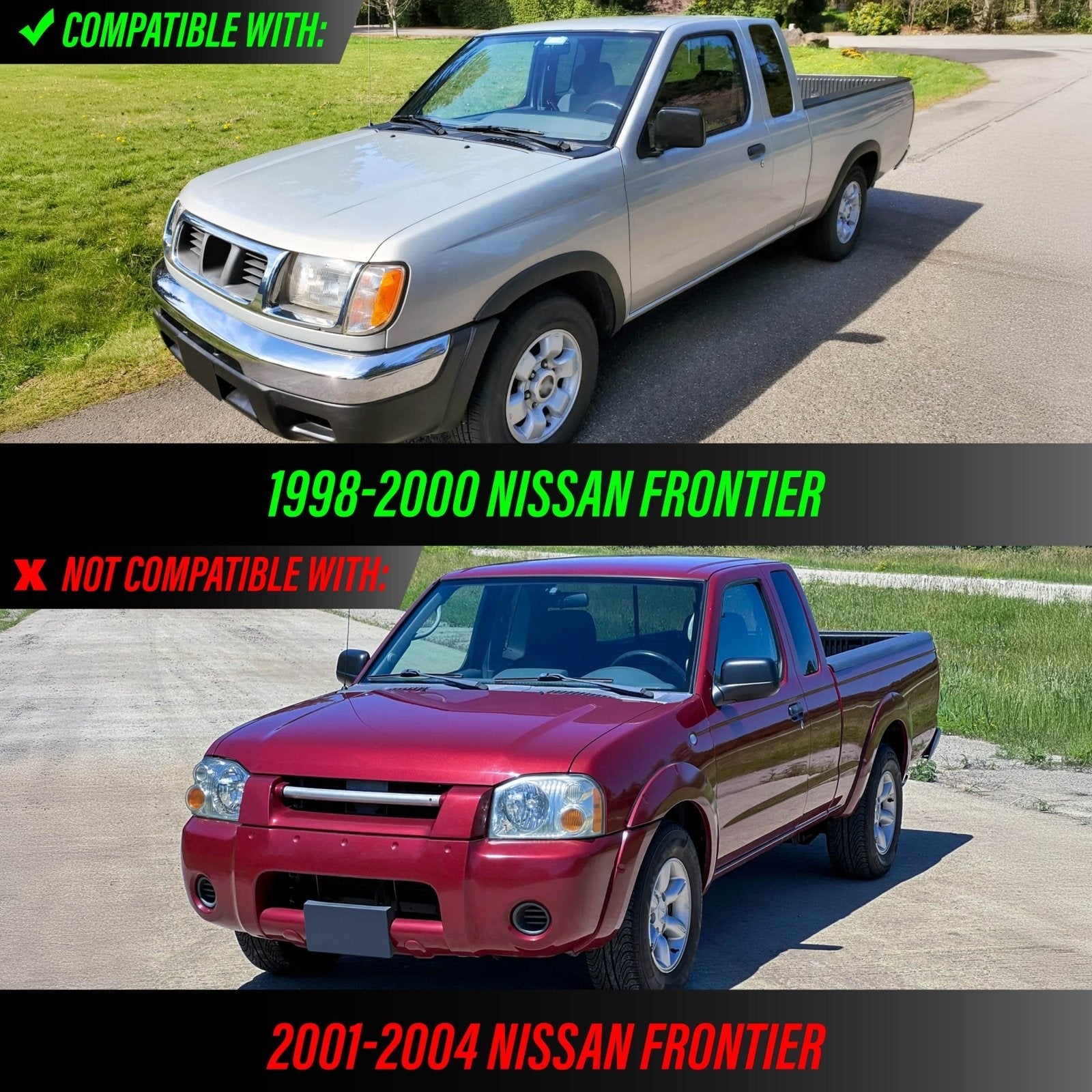
The 2000 Nissan Frontier remains a popular choice for budget-conscious buyers seeking a compact pickup, but owners often encounter common mechanical hurdles such as cracked exhaust manifolds, distributor failure, and worn steering components like the idler arm. While the truck is praised for its longevity, maintaining the 3.3L V6 engine requires strict adherence to timing belt intervals to avoid catastrophic internal damage, as it is an interference-style powerplant.
The 2000 Nissan Frontier was a pivotal model for Nissan, representing the first generation (D22) of the Frontier nameplate in North America. By 2026, many of these trucks have surpassed the 200,000 or even 300,000-mile mark. While their "bulletproof" reputation is largely earned, age-related degradation and specific engineering weaknesses require attention. This guide provides a deep dive into the mechanical, electrical, and structural problems associated with the 2000 Nissan Frontier.
Engine Performance and Reliability Issues
The 2000 Frontier was offered with two primary engines: the 2.4-liter KA24DE inline-four and the 3.3-liter VG33E V6. Each engine has a distinct set of common failures that owners should monitor.
Exhaust Manifold Cracking (V6 Models)
Perhaps the most notorious issue for the 3.3L V6 is the tendency for the factory cast-iron exhaust manifolds to crack. This is typically caused by extreme heat cycles and a lack of flexibility in the original design.
Symptoms:
- A loud ticking or tapping sound when the engine is cold, which often fades as the metal expands and seals the crack.
- The smell of exhaust fumes in the cabin.
- Poor fuel economy due to skewed oxygen sensor readings.
The Fix: Replacement is the only permanent solution. Many owners in 2026 opt for aftermarket headers or improved aftermarket manifolds that are designed to withstand heat cycles more effectively than the original Nissan parts.
Timing Belt Neglect (3.3L V6)
Unlike the 2.4L inline-four, which uses a timing chain, the 3.3L V6 uses a rubber timing belt. This is an interference engine, meaning that if the belt snaps or skips, the pistons will likely strike the valves, leading to a complete engine rebuild or replacement.
Maintenance Standard: Nissan recommends replacement every 105,000 miles. However, as these trucks age into 2026, the rubber degrades regardless of mileage. If you cannot verify when the belt was last changed, it is a high-priority repair.
Knock Sensor Failure
The knock sensor on the V6 engine is located in the "valley" of the engine, underneath the intake manifold. When this sensor fails, it usually does not trigger a Check Engine Light (CEL), but it will store a code (P0325).
Impact: The Engine Control Module (ECM) will retard ignition timing to protect the engine, resulting in a noticeable loss of power and decreased fuel efficiency. Because of the labor-intensive location, many owners wait to replace the knock sensor until they are already performing a intake manifold gasket or fuel injector service.
KA24DE Timing Chain Rattle
The 2.4L engine is generally more robust in terms of its timing mechanism, but it is not flawless. Over time, the plastic timing chain guides can wear down or break.
Symptoms: A metallic rattling or "marbles in a can" sound coming from the front of the engine, particularly during cold starts or at idle. If left unaddressed, the chain can eventually wear through the timing cover or jump teeth, causing engine timing issues.
Transmission and Drivetrain Troubleshooting
The 2000 Frontier was equipped with either a five-speed manual or a four-speed automatic transmission. While both are generally reliable, they are reaching the end of their design life cycles in 2026.
Automatic Transmission Slipping and Overheating
The automatic transmissions in these trucks can suffer from overheating, especially when used for towing or heavy hauling. Over time, the internal friction plates wear down, leading to "slipping"—where the engine RPMs rise but the truck does not accelerate proportionally.
Preventative Measure: Installing an auxiliary transmission cooler is a highly recommended modification for 2000 Frontier owners. This bypasses the radiator’s internal cooler, which can fail and mix coolant with transmission fluid (a "strawberry milkshake" scenario that destroys the transmission).
Manual Transmission Synchronizer Wear
The five-speed manual is legendary for its durability, but high-mileage units often show wear in the synchronizers, particularly for second and third gears. This manifests as grinding when shifting or difficulty engaging gears when the transmission is cold. Switching to a high-quality synthetic gear oil can often improve shift quality and extend the life of these components.
Steering and Suspension Weaknesses
The Frontier’s steering system is a traditional recirculating ball design with a linkage system. While tough, it has several specific wear points that lead to "sloppy" steering.
Idler Arm Failure
The idler arm is the most common steering failure point on the 2000 Frontier. It supports the passenger side of the center link. When the bushings inside the idler arm wear out, the front wheels can develop excessive toe-in/toe-out movement.
Symptoms:
- Vague or "loose" steering feel.
- Uneven front tire wear.
- Shaking in the steering wheel at highway speeds.
Center Link and Tie Rod Ends
Like the idler arm, the center link (also called the drag link) and the inner/outer tie rod ends are prone to wear. On 4WD models that see off-road use, these components are under significant stress. Owners should regularly inspect the grease boots for tears and check for any play in the joints.
Electrical Systems and Sensor Faults
While the 2000 Nissan Frontier is not as electronically complex as modern trucks, it does have a few sensors that are known to fail as they approach three decades of service.
Distributor Failure
The distributor on both the 2.4L and 3.3L engines is a common failure point. Inside the distributor is the camshaft position sensor (optical sensor) and the ignition coil (on some versions). If the internal bearing fails, it can create red "dust" inside the cap, leading to erratic spark or a total no-start condition.
Common Symptom: The truck suddenly dies while driving and refuses to restart until it has cooled down, or it may misfire under load.
Fuel Level Sensor Inaccuracy
Many 2000 Frontier owners report that their fuel gauge is inaccurate, often showing half-full when the tank is actually empty, or fluctuating wildly. This is usually caused by a failure of the fuel level sending unit located inside the gas tank. While not a mechanical threat, it can lead to the inconvenience of running out of gas unexpectedly.
Summary of Common Problems and Costs
The following table outlines the most frequent issues, their symptoms, and the estimated repair costs as of 2026. Prices may vary based on geographic location and whether you use OEM or aftermarket parts.
| Component | Problem | Symptoms | Severity | Est. Cost (Parts & Labor) |
|---|---|---|---|---|
| Exhaust Manifold | Cracking/Leaking | Ticking sound, exhaust smell | Moderate | $450 - $900 |
| Timing Belt (V6) | Age/Mileage Wear | None (until it snaps) | Critical | $600 - $1,100 |
| Distributor | Internal Bearing/Sensor Failure | Engine stalling, no-start | High | $250 - $500 |
| Idler Arm | Worn Bushings | Loose steering, tire wear | Moderate | $150 - $300 |
| Knock Sensor | Sensor Failure | Power loss, poor MPG | Low | $400 - $700 (High Labor) |
| Radiator | Cracking/Leakage | Overheating, visible leaks | High | $300 - $500 |
| Fuel Level Sensor | Worn Resistor Track | Inaccurate fuel gauge | Low | $350 - $600 |
Structural Integrity: The Rust Factor
For those living in the "Salt Belt" (Northeast and Midwest United States), frame rust is the single biggest threat to a 2000 Nissan Frontier. Unlike some contemporary trucks that had massive recalls for frame replacement, the Frontier was generally more resilient, but it is not immune.
Critical Areas to Inspect:
- Rear Spring Shackles: The mounts where the leaf springs attach to the frame often rust through.
- Box Frame Sections: Inspect the area near the fuel tank and the rear wheel arches where dirt and salt trap moisture against the frame.
- Bed Floor: While the frame is the priority, the bed floor can also develop significant rot, especially under plastic bed liners.
In 2026, any 2000 Frontier with significant structural rust on the frame rails is generally considered "totaled," as the cost of safe welding and repair often exceeds the market value of the truck.
Buyer's Guide: What to Look for in 2026
If you are looking to purchase a 2000 Nissan Frontier today, your inspection should prioritize maintenance history over raw mileage. A 200,000-mile truck with a documented timing belt change and regular oil changes is a better investment than a 100,000-mile truck that has been sitting for years.
- Check the Oil: Look for "milky" residue under the oil cap, which could indicate a blown head gasket (though rare on these engines).
- Test the 4WD: If the truck is a 4x4 model, ensure the transfer case engages in both 4-Hi and 4-Lo. Listen for clunking from the front CV axles during tight turns while in 4WD.
- Listen for the Tick: Start the engine cold. If it sounds like a diesel for the first 30 seconds, it has cracked exhaust manifolds.
- Steering Check: With the engine off, wiggle the steering wheel. If there is more than an inch of play before the wheels move, prepare to replace steering linkage components.
Maintenance Best Practices for Longevity
To keep a 2000 Frontier on the road in 2026, proactive maintenance is essential.
- Fluid Intervals: Change the oil every 3,000–5,000 miles using a high-quality filter. Change the transmission and differential fluids every 30,000 miles, especially if used for work.
- Cooling System Care: Flush the coolant every two years. Use the specific green coolant recommended by Nissan to prevent corrosion of the internal engine components.
- Grease the Fittings: Unlike many modern vehicles with "sealed-for-life" joints, the 2000 Frontier has several grease zerks on the steering linkage. Greasing these during every oil change can double the life of the ball joints and tie rod ends.
Frequently Asked Questions
Is the 2000 Nissan Frontier a reliable truck?
Yes, the 2000 Nissan Frontier is considered a very reliable compact truck. Both the 2.4L and 3.3L engines are capable of lasting over 300,000 miles with proper care. The primary issues are related to age-related wear on rubber components and specific design flaws like the V6 exhaust manifolds.
How long does a 2000 Nissan Frontier engine last?
With consistent oil changes and cooling system maintenance, the 2.4L KA24DE engine often reaches 250,000 to 300,000 miles. The 3.3L VG33E V6 can reach similar milestones, provided the timing belt is replaced every 105,000 miles.
Why is my 2000 Nissan Frontier losing power?
Common causes for power loss include a failed knock sensor (code P0325), a clogged fuel filter, or a failing distributor. On V6 models, a cracked exhaust manifold can also cause the ECM to adjust fuel trim incorrectly, leading to a slight loss in performance.
Does the 2000 Nissan Frontier have a timing belt or chain?
It depends on the engine. The 2.4L 4-cylinder engine uses a timing chain, which is designed to last the life of the engine. The 3.3L V6 engine uses a timing belt, which must be replaced every 105,000 miles to prevent engine damage.
What are the most common recalls for the 2000 Frontier?
Historically, the most significant recalls for this era of Nissan trucks involved the Takata airbag inflators and issues with the steering column shaft or lower control arm cracking under extreme conditions. By 2026, most of these recalls should have been addressed, but you should always check the VIN on the NHTSA website.
Final Recommendation
The 2000 Nissan Frontier is an excellent candidate for a "forever truck" if you are willing to handle minor mechanical repairs. For those looking to buy or maintain one in 2026, the priority should be timing belt verification (on V6 models) and frame rust inspection. If the frame is solid and the timing belt is fresh, the 2000 Frontier remains one of the most cost-effective and dependable workhorses in the used truck market.