If you are researching a 1977 Great Southern Life Insurance Company pension, you are likely dealing with a legacy annuity or retirement product that has transitioned through several corporate acquisitions. These policies are now typically managed by successor insurance entities, requiring you to locate your original policy documents and contact the current administrator—often American General Life Insurance Company—to verify status, current values, or benefit eligibility.
Historical Context of Great Southern Life Insurance
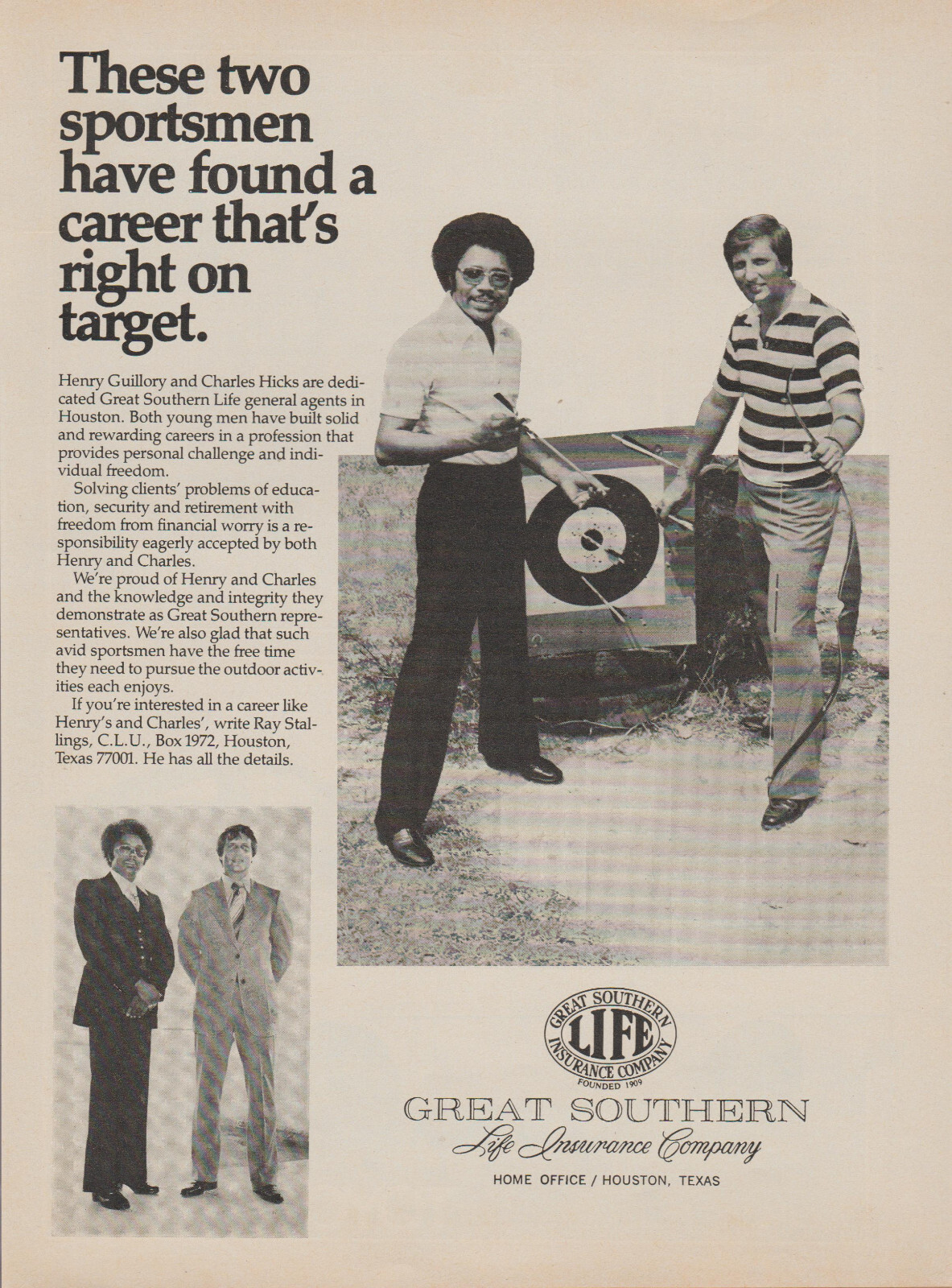
Great Southern Life Insurance Company, founded in 1909 and based in Houston, Texas, was a prominent provider of life insurance and retirement products throughout the mid-20th century. By 1977, the company was actively marketing various pension-linked annuity products and individual retirement accounts (IRAs) under the regulatory landscape of the Employee Retirement Income Security Act of 1974 (ERISA).
For policyholders from this era, the most critical factor is the series of mergers and acquisitions that followed. Great Southern Life was eventually acquired by American General Corporation in the 1980s. Over the subsequent decades, these blocks of business were integrated into the American General Life Insurance Company (AGL), which is a subsidiary of Corebridge Financial. Understanding this lineage is the first step in locating the records for a contract initiated in 1977.
Determining Your Pension or Annuity Status
A "1977 pension" from Great Southern Life is rarely a traditional defined-benefit pension managed by the insurance company itself. More frequently, these were tax-deferred annuities or retirement plans where Great Southern acted as the underwriter for the investment vehicle.
To determine the current status of your holdings, you must distinguish between:
- Individual Annuities: These are contracts held in your name. You are the policyholder, and the assets are likely still accessible if they were not annuitized (converted into a stream of income) or surrendered decades ago.
- Employer-Sponsored Pensions: If the 1977 plan was tied to a former employer, the insurance company may have served as the funding agent for a group annuity contract. If the company that employed you at the time has since folded or merged, the Pension Benefit Guaranty Corporation (PBGC) or the current successor insurance company may hold the records.
Locating Records and Verifying Assets
The passage of nearly 50 years makes record-keeping challenging. If you do not have the original 1977 policy jacket, the following steps are the standard professional approach to locating historical insurance assets:
Step 1: Gather Identifying Documentation
Before contacting any financial institution, consolidate every piece of information you have from the 1977 period. This includes Social Security numbers associated with the policy, old correspondence, cancelled checks, or employer records from the time the policy was active.
Step 2: Utilize the NAIC Policy Locator
The National Association of Insurance Commissioners (NAIC) provides a Life Insurance Policy Locator service. While this is primarily designed for death benefit claims, it can assist in identifying the state-regulated insurance entity that currently holds the liabilities associated with Great Southern Life blocks of business.
Step 3: Contacting Successor Entities
As of 2026, inquiries regarding legacy Great Southern Life contracts should be directed to the customer service department of American General Life (AGL). When you call, provide the historical name "Great Southern Life Insurance Company" to ensure the representative routes your request to the appropriate legacy-records department.
Technical Considerations for 1977-Era Contracts
Contracts initiated in 1977 functioned under significantly different interest rate environments and regulatory standards than those issued today.
- Guaranteed Minimum Interest Rates: Many annuities from the late 1970s contain "guaranteed minimums" that may be significantly higher than current market rates. If your policy is still active, ensure you understand the specific crediting rate provisions.
- Tax Implications: Withdrawals from these vehicles are governed by the tax laws in effect at the time of distribution. In 2026, distributions from a tax-deferred annuity are generally taxed as ordinary income to the extent of gain. Consult a tax professional before initiating a full surrender, as the tax impact could be substantial.
- Dormancy and Escheatment: If the company lost contact with the policyholder, the assets may have been turned over to the state’s Unclaimed Property Division. If your search with the insurance company yields no results, search the unclaimed property database for the state where the policy was originally issued.
Comparison of Legacy Retirement Assets
The table below identifies the differences in how legacy assets are managed based on their original purpose.
| Asset Type | Primary Purpose | Risk Profile | Current Management |
|---|---|---|---|
| Deferred Annuity | Wealth accumulation | Conservative | Current Successor (e.g., AGL) |
| Group Pension | Retirement income stream | Low | PBGC or Insurer |
| Life Insurance Cash Value | Death benefit/Liquidity | Stable | Current Successor (e.g., AGL) |
Frequently Asked Questions
What should I do if the insurance company cannot find my 1977 record?
If the successor insurance company has no record, the policy may have been surrendered, annuitized, or allowed to lapse. Request a "Certificate of Non-Existence" or a written statement confirming that they have no record of the policy, then proceed to search state unclaimed property databases using the NAIC’s MissingPolicy website.
Are 1977 pension assets protected by inflation?
Generally, no. Fixed-rate annuities or pensions from the late 1970s typically provided a fixed dollar benefit. They were not indexed to inflation. Consequently, the purchasing power of these assets may be significantly lower in 2026 than it was when the policy was issued.
Do I need a lawyer to claim these assets?
Usually, no. If the asset is a simple annuity or insurance policy, you can deal directly with the claims department. However, if the asset involves a complex trust, a deceased spouse, or a missing employer, an estate attorney may be necessary to navigate the legal claim process.
Is my policy still earning interest?
It depends on the type of contract. If it is an accumulation annuity, it may still be earning interest, though it may have matured. If it is a life insurance policy, it may have reached "endowment age," at which point the death benefit is paid out to the policyholder. You must check the current status via the insurance carrier's customer service.
Can I change the beneficiary on a 1977 policy?
Yes, as long as the policy is currently in-force and you are the owner. You will need to request a "Change of Beneficiary" form from the current insurance administrator. They will require proof of ownership or legal authority to amend the contract.
Recommended Next Actions
Your priority should be to verify the existence of the policy with American General Life’s legacy department. If they confirm the policy exists, request a "Status Report" or "Current Valuation Statement." This document will detail the current cash value, the death benefit (if applicable), and any outstanding beneficiary information.
Do not sign any surrender documents or accept a "lump sum payout" until you have received an official illustration from the company detailing exactly what you are forfeiting. Given the age of the policy, there may be unique historical riders or guarantees that could be lost if the contract is prematurely closed or replaced. Always work with a certified financial planner to evaluate whether keeping the policy—or moving the funds to a more modern vehicle—serves your current 2026 financial goals.