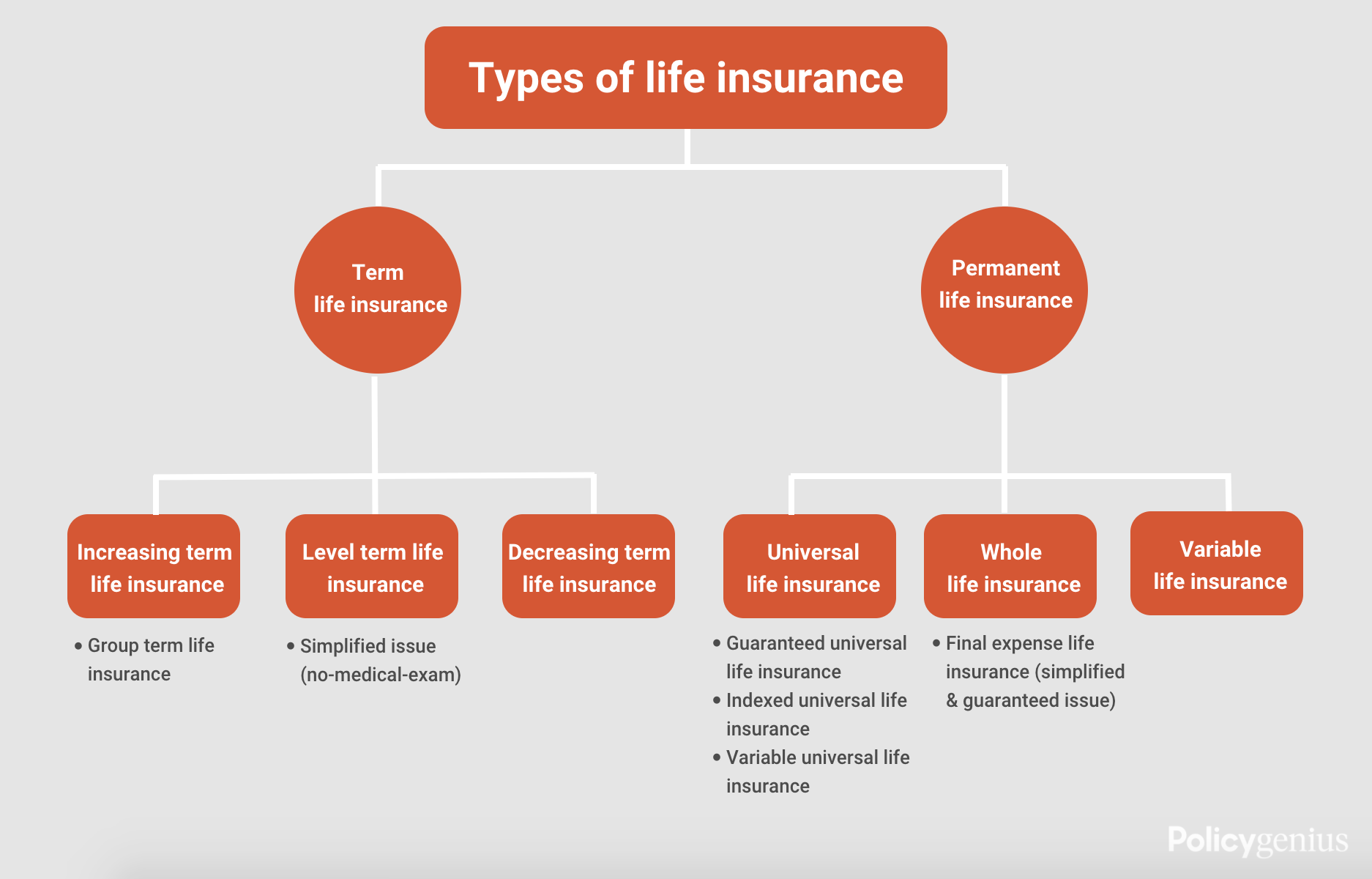
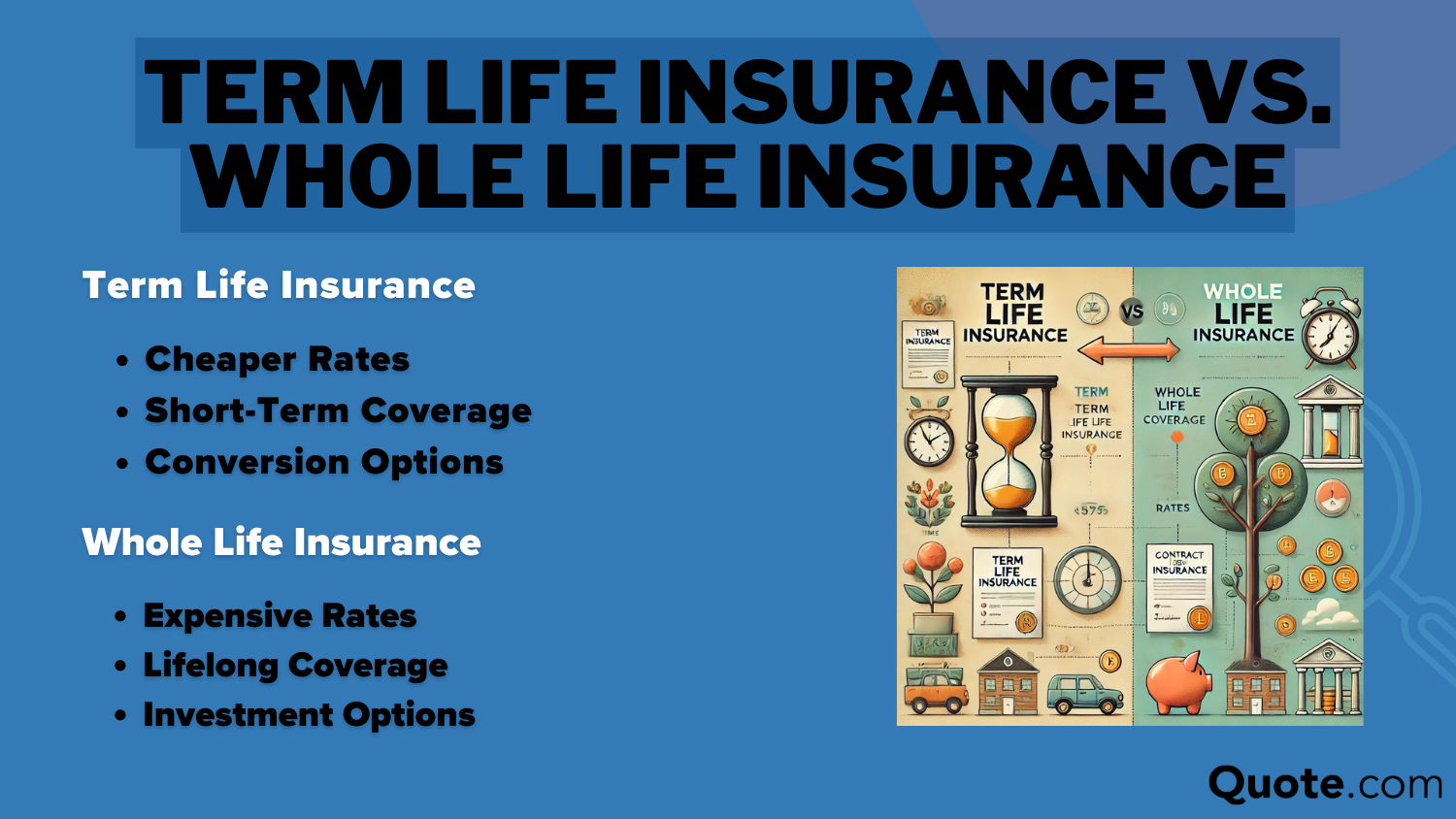
Another term for life insurance depends largely on the context and the specific type of policy being discussed. The most common alternative is life assurance, frequently used in the United Kingdom and Commonwealth nations for permanent policies. In financial and legal sectors, it is often called mortality risk insurance, financial protection, or a death benefit policy.
Understanding these alternative terms is essential for navigating the complex landscape of personal finance in 2026. Whether you are reviewing a contract, speaking with a financial advisor, or researching international coverage options, the vocabulary used can change based on the product’s structure, its legal jurisdiction, and the specific goal of the coverage.
The Distinction Between Insurance and Assurance
In the professional insurance industry, the terms "insurance" and "assurance" are often used interchangeably by the public, but they carry distinct technical meanings that remain relevant in 2026.
Life Assurance
"Life assurance" is a term predominantly used for policies that are guaranteed to pay out eventually. Because death is a certainty, the "assurance" refers to the fact that the event being covered is inevitable. This term is most commonly associated with whole-of-life policies. In these arrangements, the policy remains in force as long as premiums are paid, and a payout is assured upon the death of the policyholder, regardless of when that occurs.
In many international markets, including the UK, Australia, and parts of Europe, you will see "Assurance" on official documentation for permanent products. If you are looking for a term that implies a guaranteed legacy or an investment-linked product, "assurance" is the technically accurate synonym.
Life Insurance
Strictly speaking, "insurance" refers to protection against an event that might happen. In the context of life coverage, this technically applies to term life insurance. Under a term policy, a payout only occurs if the insured individual passes away within a specific timeframe (e.g., 10, 20, or 30 years). If the policyholder survives the term, the policy expires without a payout. Therefore, the term "insurance" denotes the coverage of a conditional risk.
Industry-Specific and Technical Synonyms
Depending on who you are speaking to—an actuary, a lawyer, or a human resources manager—life insurance may be referred to by more clinical or functional names.
Mortality Risk Insurance
This is a term frequently used in the world of reinsurance and actuarial science. It strips away the marketing language to describe exactly what the contract is: a hedge against mortality risk. For an insurance company, the risk is the financial loss associated with the premature death of a policyholder. When you see this term in a financial report or a complex legal document, it is referring to the core mechanism of a life insurance policy.
Death Benefit Coverage
In many employee benefit handbooks and pension summaries, life insurance is simply labeled as death benefit coverage. This focuses on the outcome rather than the product. It refers to the sum of money paid to beneficiaries. In 2026, many corporate "Group Life" plans are officially categorized under the umbrella of "Death Benefits" or "Survivor Benefits."
Income Replacement Insurance
Financial planners often use the term income replacement when discussing life insurance with clients. This synonym describes the purpose of the policy. For families relying on a primary breadwinner, the life insurance policy is not just a "death payout"; it is a financial tool designed to replace the future earnings of the deceased. Using this term helps align the policy's face value with the actual financial needs of the survivors.
Product-Specific Alternatives
Life insurance is not a monolithic product. Different versions of the coverage have their own specialized names that act as synonyms in specific niches.
Final Expense Insurance
Also known as burial insurance or funeral insurance, this is a specific type of life insurance with a low face value. In 2026, these products are heavily marketed to seniors. While it is legally a life insurance policy, most consumers and agents refer to it by its functional purpose: covering the immediate costs associated with end-of-life arrangements.
Credit Life Insurance
When life insurance is tied specifically to a loan, such as a mortgage or a car loan, it is called credit life insurance. In this scenario, the "another term" would be loan protection insurance. The primary difference here is that the beneficiary is the lender, not the family members. The policy is designed to pay off the outstanding debt if the borrower dies, ensuring the asset (like a home) remains with the family.
Mortgage Protection Insurance (MPI)
A subset of credit life, mortgage protection is often used as a synonym for a decreasing term life policy. As the mortgage balance goes down, the coverage amount decreases accordingly. Consumers often search for "mortgage insurance," though it is important not to confuse this with Private Mortgage Insurance (PMI), which protects the lender against default, not death.
Comparative Terminology Table
To help clarify which term to use in different scenarios, the following table breaks down common synonyms by their primary context and regional usage.
| Term | Primary Context | Geographical Commonality | Policy Type |
|---|---|---|---|
| Life Assurance | Permanent/Whole Life | UK, Commonwealth, Europe | Guaranteed Payout |
| Life Insurance | General/Term Life | North America, Global | Conditional Payout |
| Mortality Risk | Actuarial/Legal | Global (B2B) | Risk Assessment |
| Survivor Benefits | Corporate/Social Security | North America | Group/Public Plans |
| Financial Protection | Wealth Management | Global | Comprehensive Planning |
| Final Expense | Senior/End-of-Life | North America | Small Whole Life |
| Death Benefit | Payout/Claims | Global | Functional Outcome |
| Legacy Planning | Estate/High Net Worth | Global | Wealth Transfer |
The Role of Life Insurance in Financial Planning
When a financial advisor refers to life insurance as estate liquidity, they are highlighting a very specific function of the policy. In 2026, high-net-worth individuals often face significant estate taxes or illiquid assets (like real estate or private businesses). In this context, life insurance provides the "liquidity" needed to pay taxes or settle debts without forcing the sale of those assets.
Asset Class Comparison
In modern portfolio theory, some types of permanent life insurance (like Variable or Universal Life) are referred to as an alternative asset class. Because these policies accumulate cash value that grows tax-deferred, they are viewed as more than just "insurance." They are a component of a diversified investment strategy, offering a combination of protection and wealth accumulation.
Human Capital Protection
Economists often use the term human capital to describe a person’s ability to earn money over their lifetime. Life insurance is the primary tool for human capital protection. If an individual dies prematurely, their "human capital" is lost to their family. The insurance policy acts as a financial surrogate for that lost potential.
Why the Terminology Matters
Choosing the right term is more than a matter of semantics; it impacts how you interact with the legal and financial systems.
- Contractual Accuracy: If you are looking for a policy that grows in value and never expires, searching for "life assurance" or "permanent life" will yield better results than "life insurance," which may primarily show you term-limited options.
- Regulatory Clarity: In 2026, different terms are governed by different regulations. For example, "Survivor Benefits" provided through an employer may be subject to ERISA (Employee Retirement Income Security Act) regulations in the United States, whereas a private life insurance policy is governed by state insurance commissioners.
- Tax Implications: The terminology used in your policy can signal different tax treatments. "Death benefits" are generally income-tax-free for beneficiaries, but if a policy is framed as an "investment vehicle" or has "cash value," there may be different tax considerations for withdrawals or loans taken against the policy during the holder's lifetime.
Historical Evolution of Life Insurance Terms
The language we use in 2026 has evolved significantly since the early days of maritime insurance. Historically, the term "tontine" was a precursor to modern life insurance, though it functioned more like a collective investment where the last survivors took the pot.
As the industry modernized, the shift toward "assurance" in the 19th century was a marketing effort to distinguish reputable companies from smaller, riskier "friendly societies." Today, the terminology continues to shift toward "protection" and "wellness-linked" coverage, reflecting a trend where insurers provide incentives for healthy living, effectively rebranding life insurance as a proactive health and legacy tool.
Frequently Asked Questions
Is "life assurance" the same thing as "life insurance"?
While often used as synonyms, they have technical differences. Life assurance generally refers to policies that cover an event that is certain to happen (death), meaning they are permanent or whole-life policies. Life insurance technically refers to term policies where the payout only happens if the insured person dies within a specific time frame.
What is the term for life insurance provided by an employer?
Employer-provided life insurance is most commonly called Group Life Insurance or Survivor Benefits. These policies are often "term" policies that remain in effect only as long as you are employed by that specific company, though some offer portability options.
What do you call life insurance that covers funeral costs?
This is typically called Final Expense Insurance, Burial Insurance, or Funeral Insurance. These policies usually have smaller face values (typically between $5,000 and $25,000) and are designed specifically to cover the immediate costs of a service and interment.
Is "mortgage insurance" another name for life insurance?
It depends. Mortgage Protection Insurance (MPI) is a form of life insurance that pays off your mortgage if you die. However, Private Mortgage Insurance (PMI) is different; it is a fee borrowers pay to protect the lender if they default on their loan, and it provides no benefit to the borrower's family in the event of death.
What is "key person insurance"?
This is a term for life insurance used in a business context. It is a policy taken out by a business on the life of a crucial employee or owner. In this case, the "another term" would be business-owned life insurance (BOLI) or corporate-owned life insurance (COLI).
Choosing the Right Coverage in 2026
When searching for "another term for life insurance," it is vital to identify your primary goal. If you are looking for the most affordable way to protect your family during their most vulnerable years (such as when children are young or a mortgage is active), focus on Term Life Insurance.
If you are looking for a lifelong guarantee and a way to build a tax-advantaged asset, you should explore Life Assurance or Permanent Life Insurance options. Always consult with a licensed financial advisor or insurance professional to ensure that the terminology in your policy matches your long-term financial objectives.