A 19 year age gap relationship involves partners at significantly different life stages, presenting unique psychological, social, and structural dynamics that require open communication, aligned values, and mutual respect to navigate successfully over the long term.
Relationships spanning nearly two decades of age difference often attract intense curiosity, skepticism, and social commentary from friends, family, and the wider public. While age-gap relationships are historically and culturally documented across societies, contemporary couples navigating a 19 year age gap face a distinct set of modern realities. These encompass shifting legal considerations, divergent generational milestones, and varying physical and emotional life phases. Understanding these dynamics is essential for any couple attempting to build a sustainable, healthy, and mutually fulfilling partnership across a generational divide.
Defining the Age-Gap Landscape: What a 19-Year Difference Means
When two individuals come together with a 19 year age gap, they are rarely operating from the same cultural or developmental baseline. A generation is commonly defined as approximately 20 years, meaning a 19-year difference places partners squarely in two distinct generational cohorts—such as a younger Millennial and an older Generation X, or a younger Generation Z and an older Millennial.
This generational separation influences more than just musical tastes or childhood memories; it shapes formative historical experiences, economic realities during early adulthood, and societal expectations regarding gender roles, career trajectories, and communication styles. For instance, the older partner may have established their career, purchased real estate, or navigated prior marriages and children during a markedly different economic climate than the one experienced by the younger partner during their formative years.
Furthermore, public perception of age-gap relationships often changes depending on the absolute ages of the individuals involved. A relationship between a 22-year-old and a 41-year-old involves a starkly different balance of power, experience, and brain development than a relationship between a 42-year-old and a 61-year-old. Developmental psychology notes that the human prefrontal cortex continues maturing into the mid-twenties, meaning age gaps involving partners under the age of 25 require heightened vigilance regarding power dynamics, emotional autonomy, and life experience imbalances.
Core Dynamics and Relational Challenges
Every relationship faces hurdles, but couples in 19 year age gap relationships frequently encounter specific systemic challenges that stem directly from their chronological disparity. Addressing these challenges proactively is critical for maintaining emotional health and relationship longevity.
Life Stages and Future Planning
The most pressing challenge in a nearly two-decade age gap involves asynchronous life planning. Partners may find themselves wanting entirely different things at the same time:
- Career vs. Retirement: The younger partner may be in the nascent stages of building a professional identity, taking risks, changing fields, or working irregular hours to establish themselves. Conversely, the older partner may be winding down their career, planning for retirement, or seeking a slower-paced lifestyle.
- Family and Children: The question of children is often a major fault line. An older partner may have already raised children and feel entirely finished with parenting, or conversely, they may feel an urgent timeline to start a family. A younger partner may be uncertain, or eager to delay children for a decade to focus on personal and professional growth.
- Social Circles and Energy Levels: Social preferences can diverge based on physical energy and peer group norms. One partner might thrive in high-energy nightlife settings or extensive travel schedules, while the other prefers domestic tranquility or quieter social engagements.
Social Acceptance and External Pressure
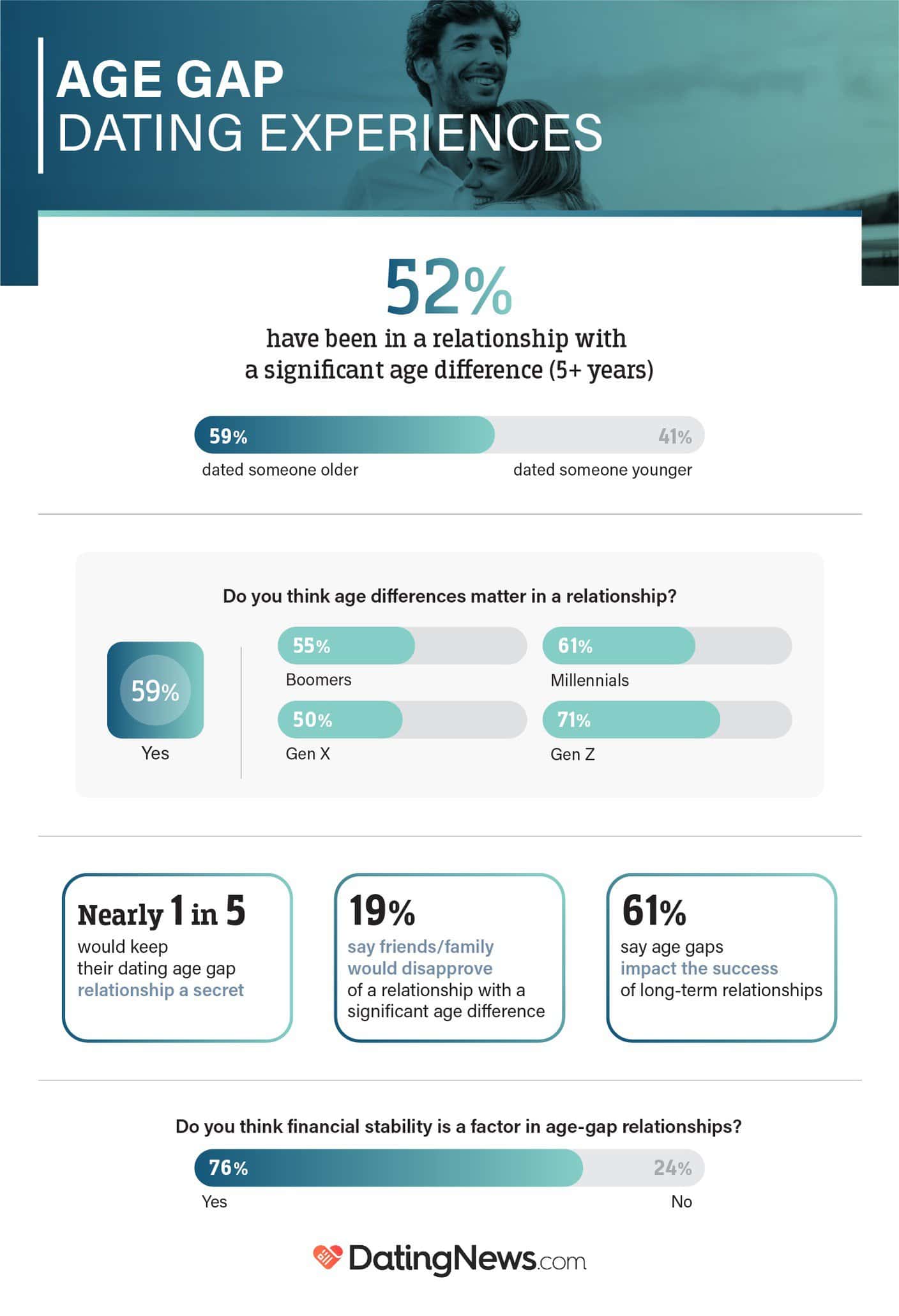
Societal stigma remains a tangible hurdle. Friends, family members, and colleagues may project their own biases onto the relationship, questioning the motives of both partners. The younger partner may be unfairly stereotyped as naive, opportunistic, or overly dependent, while the older partner may face cynical assumptions about control, vanity, or a reluctance to date peers. Navigating these external judgments requires a united front, firm personal boundaries, and the resilience to prioritize the internal health of the relationship over external validation.
| Dynamic Area | Younger Partner Perspective (Typical) | Older Partner Perspective (Typical) | Potential Friction Point |
|---|---|---|---|
| Career Focus | Establishing identity, taking professional risks, long-term growth. | Consolidating gains, planning exit strategies, stability. | Mismatched availability and stress levels regarding work. |
| Family Planning | Exploring options, potential delay, or initial family building. | Completed parenting, potential reluctance, or urgent ticking clock. | Fundamental disagreement on having or raising children. |
| Social Preferences | High adaptability, peer-heavy social calendar, dynamic outings. | Established routines, smaller intimate circles, quieter environments. | Social isolation or friction over how leisure time is spent. |
| Financial Power | Developing earning potential, potential asset disparity. | Established wealth, accumulated debt-free assets, pension readiness. | Power imbalances regarding shared expenses and financial decisions. |
Legal, Financial, and Practical Considerations
Beyond emotional compatibility, long-term relationships featuring a 19 year age gap require careful navigation of practical, financial, and legal realities. Failing to plan for these aspects can create severe vulnerabilities, particularly as the partners age.
Financial disparity is common in significant age-gap pairings due to the head start the older partner has had in the workforce. This disparity can inadvertently create a dynamic of financial dependency. To foster a healthy partnership, both individuals must establish clear boundaries regarding financial autonomy, shared expenses, and future asset protection. Prenuptial agreements or cohabitation agreements are frequently utilized in significant age-gap relationships to ensure clarity and protect both parties' financial security in the event of separation.
Long-term health and mortality planning is another unavoidable reality. Because of the 19-year difference, the older partner will likely face health decline, mobility challenges, or end-of-life care decisions nearly two decades before the younger partner. Couples must discuss these topics openly, ensuring that wills, healthcare proxies, power of attorney documents, and estate plans are legally established to protect both parties' rights and wishes. Ignoring these practicalities can leave the surviving or caregiving partner legally vulnerable or unprepared for the immense emotional and logistical burden of caregiving.
Fostering Long-Term Compatibility and Success
Despite the unique hurdles, many 19 year age gap relationships thrive and provide deep emotional fulfillment, companionship, and mutual growth. Success typically hinges on several foundational principles:
- Radical Transparency and Communication: Partners must be ruthlessly honest about their expectations, fears, and changing desires. Assumptions based on age or generation should be replaced by direct conversations.
- Balancing Power and Autonomy: Maintaining equality within the relationship is vital. The older partner must resist the urge to adopt a parental or mentoring role, while the younger partner must assert their autonomy and independent decision-making.
- Appreciating Shared Values Over Shared Timelines: While chronological milestones may not align, core values—such as trust, humor, emotional intelligence, and mutual respect—can bridge generational divides far more effectively than identical life experiences.
- Building an Independent Support System: Neither partner should rely exclusively on the other for all social, emotional, and intellectual fulfillment. Maintaining diverse friendships and independent hobbies prevents codependency and enriches the relationship.
Frequently Asked Questions
What are the main challenges in a 19 year age gap relationship?
The primary challenges include asynchronous life stages (such as career building versus retirement planning), differing perspectives on starting a family, potential social stigma from family and peers, and imbalances in financial stability and life experience.
How do power dynamics affect age-gap relationships?
Power dynamics can become skewed if one partner holds significantly more financial wealth, professional standing, or life experience. Healthy relationships require conscious effort to ensure both partners maintain equal voice, mutual respect, and emotional autonomy.
Are family and friends always unsupportive of age-gap relationships?
Not always. While initial skepticism, worry, or judgment from loved ones is common due to protective instincts or cultural conditioning, many families and friend groups eventually accept and embrace the relationship once they observe genuine happiness, mutual respect, and stability between the partners.
How can couples handle future planning regarding retirement and health?
Couples must have proactive, honest discussions about long-term care, retirement timelines, financial investments, and legal documentation such as wills and healthcare proxies. Addressing these practical realities early prevents future legal vulnerabilities and ensures shared alignment.
Does a 19 year age gap affect long-term relationship success?
Age alone does not determine relationship success or failure. Studies and relationship counseling insights indicate that communication quality, shared core values, emotional maturity, and the ability to navigate life transitions together are far stronger predictors of long-term compatibility than chronological age.
Navigating a 19 year age gap relationship requires moving past societal noise to focus on foundational compatibility, open communication, and proactive planning for future life stages. Couples who approach their differences with curiosity, mutual respect, and unwavering equality can build resilient, deeply rewarding partnerships that transcend generational boundaries.