As of 2026, Insurance Auto Auctions (IAA) maintains a significant operational presence in the Greater Chicago area, serving as a critical hub for salvage vehicle remarketing. If you are tracking the Oak Brook, IL location, it is essential to understand that while "Oak Brook" is often cited as a search term for regional vehicle logistics, the actual facility handling auctions and vehicle storage in that specific sector of the Illinois market operates under specific site-based protocols. Prospective buyers and sellers should note that the physical processing of salvage units in this region is optimized for regional access rather than direct public retail, necessitating a clear understanding of current registration, inspection, and bidding requirements.
Clarifying the Geographic and Operational Scope
When users search for "Insurance Auto Auctions Oak Brook," they are frequently looking for the primary salvage processing hub serving the western suburbs of Chicago. It is important to clarify that Insurance Auto Auctions, Inc. (IAA) utilizes a network of facilities across the United States. In the Illinois market, these locations are strategically placed to handle the logistics of total-loss vehicles, donated cars, and repossessed assets.
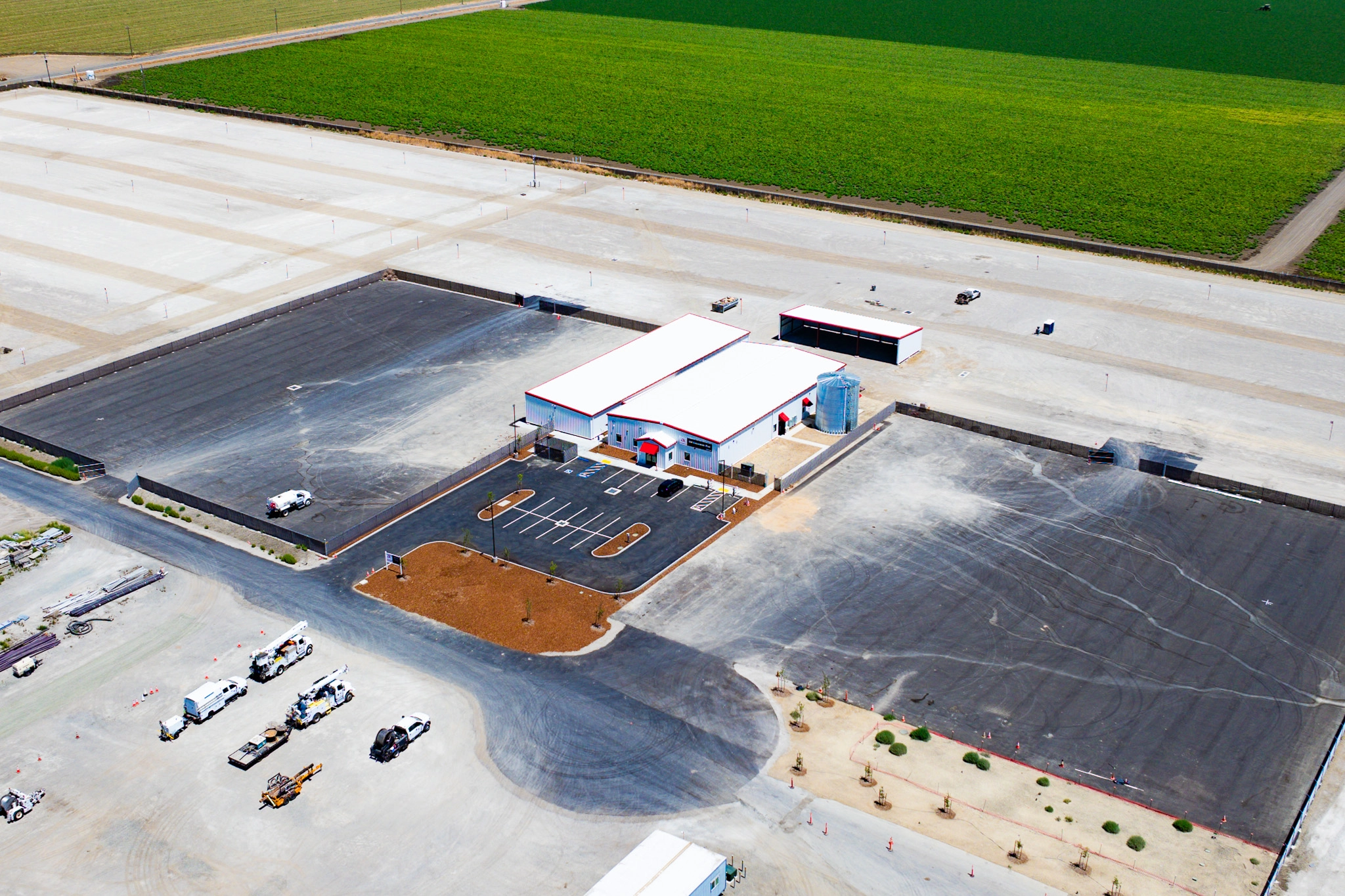
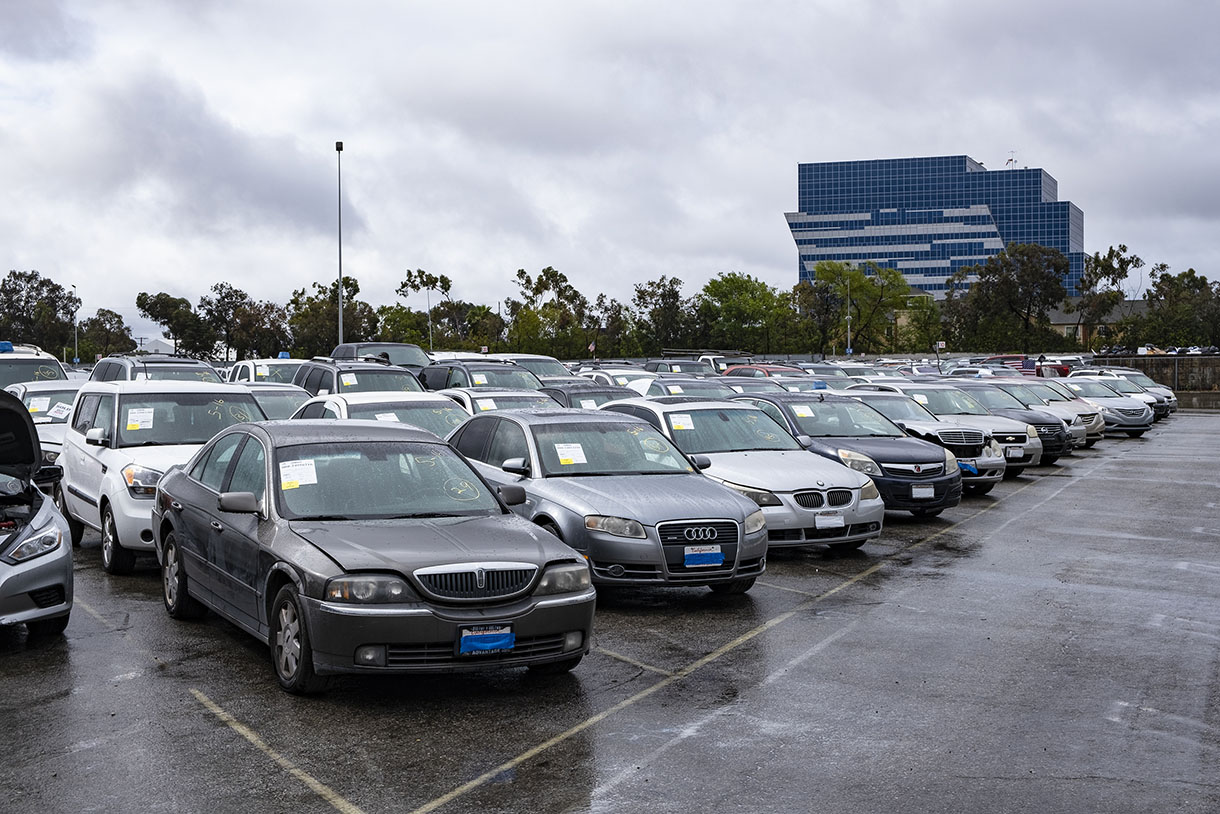
While the "Oak Brook" keyword is heavily associated with the business corridor of DuPage County, the physical facilities designated for vehicle storage and auction previewing are specialized industrial zones. Before heading to any location, users must verify the specific "Yard Number" or location code provided in their IAA portal account. Operations at these facilities are governed by strict safety protocols, and unauthorized access is prohibited. The facility serving the western Chicago area acts as a processing center where high-volume logistics occur daily, meaning the site is not a retail dealership and does not provide test drives or traditional customer service walk-ins.
Prerequisites for Participation in 2026
To engage with the auction inventory at the Illinois-based facilities, you must satisfy specific registration criteria. As of 2026, the industry has shifted toward more rigorous digital verification to ensure that all participants are licensed or meet the legal requirements for salvage vehicle purchasing.
1. Account Registration and Documentation
Individuals must register for an IAA account. This is the foundational step for any user. During the registration process, you will be required to provide:
- Government-Issued Identification: A valid driver’s license or passport.
- Business Licensing: If you are buying on behalf of a business, you must provide documentation that proves you are a licensed motor vehicle dealer or recycler.
- Tax Documentation: An Employer Identification Number (EIN) or relevant sales tax exemption certificates if applicable to your jurisdiction.
2. Understanding Buyer Tiers
IAA categorizes buyers into tiers based on their professional status. Public buyers have different bidding privileges compared to licensed, professional dismantlers or repair shops. In some states, including Illinois, certain auctions are restricted exclusively to licensed automotive dealers. Understanding your tier is critical, as it dictates whether you can place a bid on a high-value salvage vehicle or if your access is limited to specific categories of "Public" inventory.
Operational Procedures for Vehicle Previewing
The 2026 guidelines for inspecting vehicles at the Illinois facility emphasize safety and efficiency. Because these yards are industrial environments filled with non-running, damaged, or hazardous vehicles, the process for on-site inspection is highly structured.
- Scheduling: Most facilities require a preview appointment or adherence to specific preview hours published in the online auction catalog. You cannot simply show up at the gate and request entry.
- Personal Protective Equipment (PPE): Visitors are typically required to wear high-visibility vests and, in many cases, closed-toe footwear. Hard hats may be required depending on the current activity levels of forklifts and heavy machinery on the lot.
- Scope of Inspection: The inspection is strictly visual. You are generally not permitted to start engines, connect external battery jumpers, or dismantle components to check internal damage. If you suspect an engine or transmission issue, you must rely on the provided catalog descriptions and high-resolution photographs available on the IAA portal.
The Financial Framework: Bidding, Fees, and Costs
Purchasing a vehicle through an auto auction in the Chicago region involves more than just the hammer price. As of 2026, standard industry practices include a tiered fee structure that must be calculated into your total acquisition budget.
Comparative Cost Considerations
When calculating the viability of an auction purchase, use the following framework to avoid common financial pitfalls:
| Cost Component | Description | Impact on Budget |
|---|---|---|
| Hammer Price | The winning bid amount. | Primary investment. |
| Buyer Fee | A variable fee based on the final bid. | Increases with bid amount. |
| Internet Bid Fee | Charge for utilizing the online bidding platform. | Fixed or tiered. |
| Gate/Loading Fee | Cost for the yard to load the car onto your trailer. | Essential for transport. |
| Storage Fees | Charged if the vehicle is not picked up by the deadline. | Significant if delayed. |
Always check the "Vehicle Details" page for any specific surcharges related to that specific auction lot. Certain vehicles may be subject to environmental or documentation surcharges that are not immediately obvious at the start of the bidding process.
Frequently Asked Questions
Can anyone attend an auction in the Illinois area?
While many auctions allow public registration, specific vehicles are often restricted to licensed buyers only. You must check the specific lot details in your account to see if you are eligible to bid on a particular vehicle.
Is the Oak Brook facility an office or a vehicle yard?
The Oak Brook reference usually refers to regional administrative or logistical outreach. The actual auction inventory is held at specialized yards throughout Illinois. Always verify the address in your bidding dashboard; never drive to a corporate office expecting to see vehicles.
What should I do if I win an auction?
Upon winning, you will receive an invoice via your email or portal account. You must make payment within the specified time frame (usually within 24 to 48 hours) to avoid late fees. Once paid, you must arrange for transport, as the facility will not deliver the vehicle to you.
Are there environmental hazards I should be aware of?
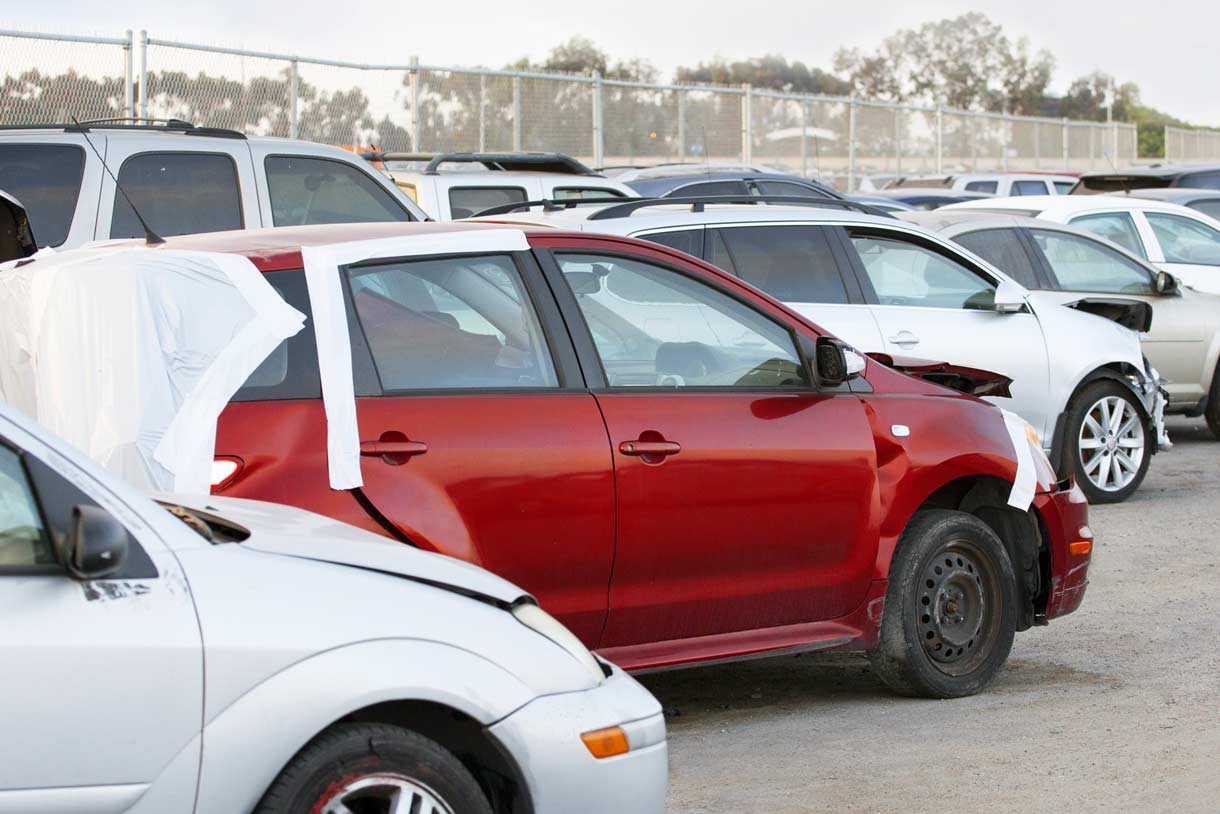
Yes. Salvage vehicles may have deployed airbags, leaking fluids, or shattered glass. When inspecting, never reach into an area where you cannot see, and always be aware of your surroundings, as industrial machinery operates continuously in these yards.
How do I check the status of a title?
The title status (e.g., Clear, Salvage, Junk, Parts Only) is listed in the auction catalog. This is the most critical piece of information, as it dictates whether you can legally register the vehicle for road use after repairs. Always verify the title type for your state of residence before bidding.
Next Actions and Expert Recommendations
If you are currently evaluating a vehicle at an Illinois IAA location, your immediate next step is to log into your portal and verify the specific "Lot Number." Do not rely on third-party site listings, as these may be outdated. Once you have confirmed the lot is currently active and you have the necessary documentation, schedule your inspection during the published public viewing hours.
Remember that the salvage market is highly competitive and moves rapidly. In 2026, advanced buyers use real-time market data to determine their maximum bid, ensuring they remain profitable after accounting for parts, labor, and transport. If you are new to the salvage market, start by observing several auctions without bidding to understand the pace, the terminology used by auctioneers, and the typical condition of vehicles that meet your repair or resale criteria. If you have specific questions about a title or a transport request, utilize the official IAA support ticketing system rather than calling local administrative lines, as the ticketing system ensures your inquiry is routed to the personnel capable of providing a verified, binding answer.