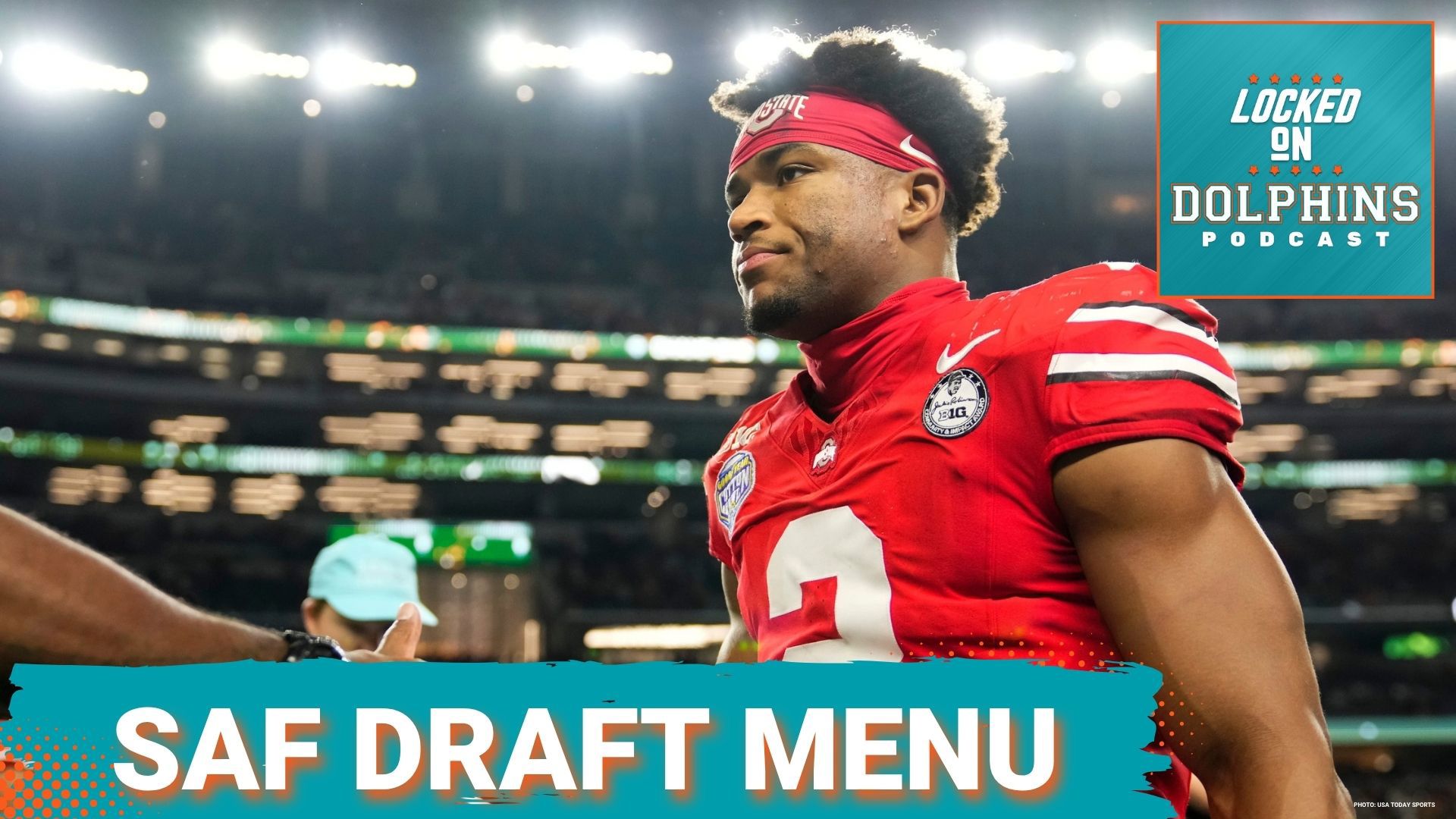
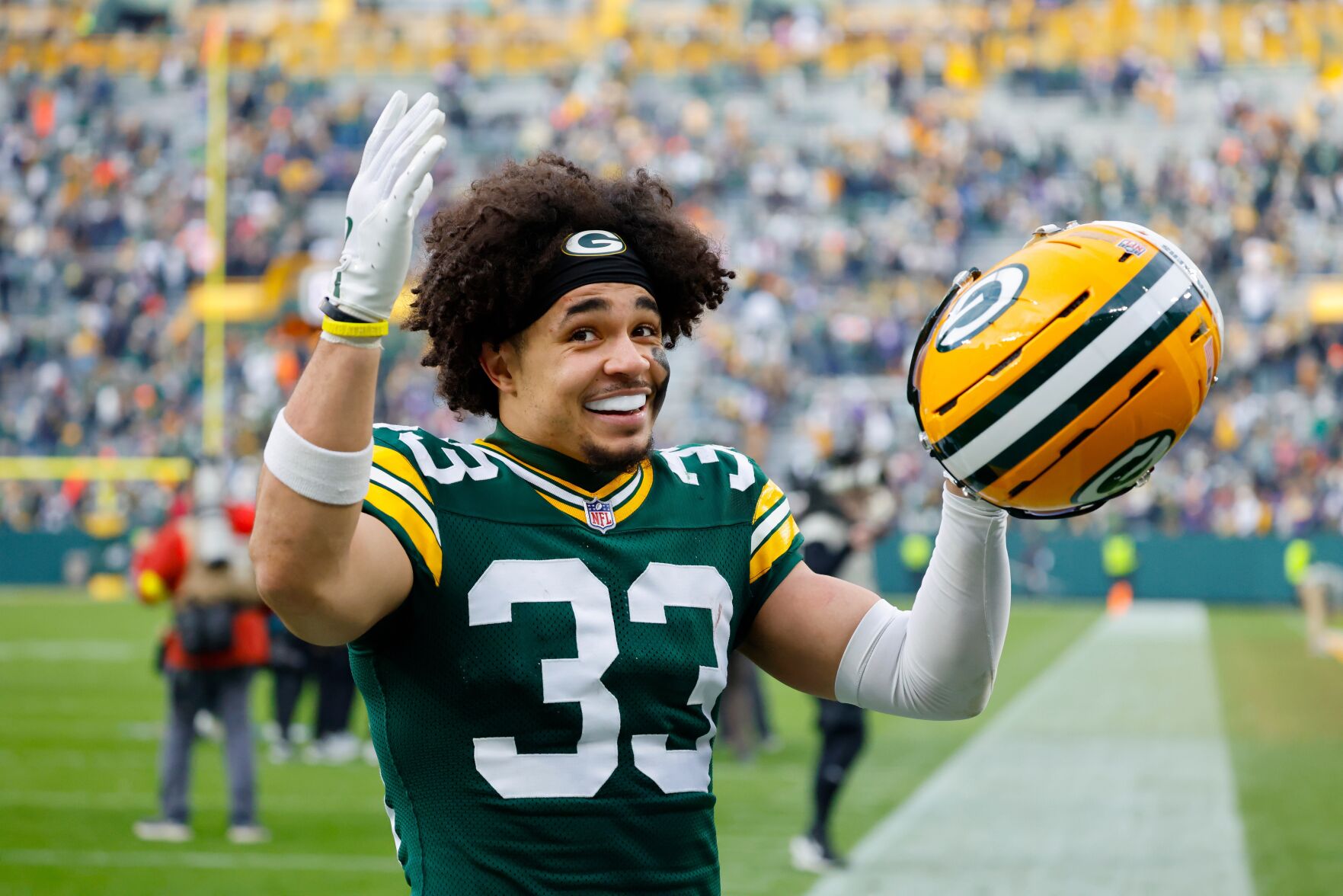
In the landscape of the 2026 NFL Draft, the position of safety has evolved from a pure deep-field coverage role into a multifaceted defensive chess piece. Identifying the top safety prospect requires a rigorous analysis of range, mental processing speed, versatility in man-to-man coverage, and the physicality necessary to support the run game at the professional level.
The modern NFL defense relies heavily on the "two-high" safety structure, which places a premium on versatile athletes capable of rotating into the box, matching up against elite tight ends, and tracking deep passes across the hash marks. As teams refine their defensive schemes to counter increasingly complex passing attacks, the distinction between a traditional free safety and a strong safety has blurred, leaving only the most instinctive and physically gifted players to climb to the top of the draft board.
The Evolution of the Safety Position in 2026
The role of the safety has arguably undergone the most significant transformation of any defensive position over the last decade. In the early 2010s, defensive coordinators looked for specific archetypes: the "enforcer" who played in the box and the "centerfielder" who patrolled the deep third. Today, those distinctions are largely artifacts of the past.
In 2026, the prototypical top safety prospect is a "positionless" defender. They must be comfortable playing at depth, blitzing off the edge, and holding their own in the slot against wide receivers. This versatility is not just a luxury; it is a tactical necessity. Offenses are constantly using motion and pre-snap alignment to force defenses into unfavorable matchups. A top safety must be able to communicate defensive adjustments, identify offensive formations, and trigger his movement within milliseconds of the ball being snapped.
Scouts looking at the 2026 draft class prioritize "play speed" over "timed speed." While a 40-yard dash time at the NFL Scouting Combine is a useful data point, it rarely tells the whole story. The elite safety candidates this year are defined by their "trigger"—the ability to recognize a run-pass option (RPO) and commit to the correct assignment without hesitation.
Key Attributes of an NFL-Ready Safety
To be considered the top safety in the 2026 NFL Draft, a prospect must demonstrate mastery in several distinct areas of the game. These attributes determine not just whether a player is drafted, but how early they will hear their name called.
1. Diagnostic Intelligence and Mental Processing
The most valuable asset for an NFL safety is the "mental processor." Before the snap, the safety is the quarterback of the defense. They are responsible for relaying coverage shells, identifying the strength of the formation, and alerting linebackers to potential blitzes. The top prospect in this draft class shows a high degree of football IQ, often identifying the play direction based on the offensive lineman’s initial step or the receiver’s stance.
2. Range and Recovery Speed
Even with the best preparation, defenders will get beat. The ability to recover is what separates a starting safety from a practice squad candidate. Range is measured by the ability to cover ground from a static position to the ball's landing spot. In 2026, the elite safety prospects demonstrate fluid hips—the ability to turn and run in any direction without losing speed or balance.
3. Ball Skills and Instincts
Interceptions are often a product of being in the right place at the right time, but finishing a play requires genuine ball skills. Prospects who can catch the ball at its highest point, rather than just swatting it down, provide immense value to an NFL secondary. These "difference-makers" are capable of flipping field position and creating momentum-shifting turnovers.
4. Tackling Efficiency and Physicality
While the NFL has shifted toward a passing-heavy league, the safety is still the last line of defense against the run. The best safety in the 2026 class must be a reliable tackler in space. This means avoiding "diving" or "arm tackling" and instead using proper breakdown technique to ensure the ball carrier goes down on first contact.
Scouting the 2026 Draft Landscape
The 2026 class of safeties is deep, characterized by a mix of high-floor players from major collegiate programs and high-ceiling athletes from smaller conferences who have tested well in analytics-based scouting models.
When evaluating the top prospect, NFL general managers use a weighted matrix to rank these athletes. This ensures that a player who excels in man-to-man coverage is not undervalued compared to a player who thrives in zone coverage. The following table illustrates the comparative metrics often used by scouts to differentiate between top prospects.
| Attribute | Elite Prospect (Tier 1) | Development Prospect (Tier 2) | Importance to NFL |
|---|---|---|---|
| Range | High (sideline to sideline) | Moderate (deep third only) | Critical |
| Man Coverage | Sticky, mirrors well | Struggles in space | High |
| Tackling | Consistent, low miss rate | High miss rate in open field | High |
| Instincts | Reads QB eyes perfectly | Reacts to the ball late | Critical |
| Blitzing | High impact / High motor | Limited experience | Moderate |
How Teams Utilize Safety Data in Draft Prep
The modern NFL front office relies on more than just the "eye test." In 2026, the use of player tracking technology—such as the data gathered by Next Gen Stats—is ubiquitous in the draft process. Organizations look for "acceleration metrics" rather than just peak velocity.
For example, a prospect might have a fast 40-yard dash, but if their "first-step burst" is sluggish, they will struggle to close windows at the NFL level. When identifying the top safety, scouts look at the "time to trigger." This is the time elapsed between the quarterback starting his drop and the safety beginning his break toward the ball or the line of scrimmage. A difference of 0.15 seconds is often the difference between a pass breakup and a reception.
Furthermore, medical evaluations are more stringent than ever. Safeties, due to their involvement in high-impact collisions, are prone to specific injuries, particularly in the lower extremities and shoulders. A clean medical report is often the deciding factor when two prospects are graded equally on tape.
Common Mistakes in Evaluating Safety Talent
One of the most frequent errors made by observers during the draft process is overvaluing "interception totals" as the primary indicator of skill. Interceptions can be a product of a weak defensive line forcing a quarterback into a bad throw, or a corner playing "sticky" coverage that forces the ball to be thrown into a safety's lap.
Instead, the top analysts focus on "targeted completion percentage against." This measures how many yards a player allows when they are the nearest defender in coverage. A safety who never registers an interception but consistently forces check-downs and limits yards-after-catch is often more valuable than a "ball-hawk" who frequently gets out of position chasing interceptions and gives up big plays.
Another common mistake is ignoring the scheme fit. A safety who dominated in a "Cover 4" heavy collegiate system may struggle if drafted by an NFL team that primarily runs a "Cover 1" man-heavy scheme. Understanding the transition from college to professional systems is a crucial element of scouting.
Frequently Asked Questions
What physical metrics are most important for a top 2026 NFL draft safety?
Scouts primarily look for explosive testing numbers, such as the vertical jump and broad jump. These correlate to the "snap" or "burst" a player shows when closing on a receiver or attacking the line of scrimmage. Arm length and height are also measured, as longer levers provide a wider radius for disrupting passes.
Can a safety who struggles in man coverage be a top pick in the 2026 draft?
It is increasingly rare. While a "zone specialist" can have a productive career, the modern NFL is defined by "match-up" defense. If a safety cannot line up against a modern tight end or a slot receiver in a man-to-man scenario, they are often relegated to a situational role rather than being a high-value, early-round draft pick.
How does the 2026 class compare to previous years?
The 2026 safety class is characterized by high-end athleticism. Compared to recent years, this cohort has a higher average of players with "cornerback-like" movement skills. This trend reflects the changing nature of the college game, where high-school defensive backs are increasingly pushed toward the safety position if they possess the requisite size.
Does the team's defensive scheme affect the prospect's draft stock?
Absolutely. Prospects who have played in "multiple" schemes—meaning they have experience in both man and zone, as well as playing in the box and at depth—are highly coveted. Versatility allows NFL coaches to deploy the player in various roles without needing to simplify the playbook, making them safer, more "plug-and-play" assets.
Are there any specific positions that a top safety prospect often rotates into?
Yes, the "Big Nickel" position has become a staple of 2026 defensive schemes. This involves the safety moving into a linebacker-like role in passing downs to cover a slot receiver or tight end. A top safety prospect who has proven capable of handling the "Big Nickel" responsibilities is seen as having a much higher ceiling.
Practical Steps for Following Draft Developments
For those interested in the intricacies of the 2026 draft process, the most reliable path to understanding is to follow the transition of these players from the Senior Bowl to the NFL Scouting Combine. During these events, the "official" numbers are recorded, and the prospects undergo the comprehensive interviewing process that reveals their football intelligence.
- Monitor the Senior Bowl: This is where the best college players compete against each other in a professional coaching environment. It is the best indicator of how a prospect adjusts to NFL-style schemes.
- Review the Combine Data: Pay attention to the "10-yard split" rather than the full 40-yard dash. The 10-yard split is the best predictor of functional explosiveness in the secondary.
- Analyze Scheme Fit: Look at which NFL teams have the most vacancies in their secondary. Teams with high-round picks and a history of utilizing three-safety sets are the most likely landing spots for the top talent.
The evaluation of the top safety in the 2026 NFL Draft is an ongoing process that balances raw athletic data with the nuances of defensive play-calling. By focusing on mental processing, versatility, and the ability to contribute in both coverage and run support, analysts can identify the players most likely to transcend the collegiate level and become fixtures in the professional secondary. Whether it is a hard-hitting enforcer or a rangy deep-field technician, the next elite safety will be the player who best adapts to the high-speed, high-complexity demands of the modern NFL.