The "Shrek 1990 timeline" refers to the publication and literary history surrounding William Steig’s original children’s picture book, Shrek!, released in 1990. This seminal work serves as the definitive source material for the later global media franchise, establishing the core characters and the subversive, fairy-tale-inverting tone that distinguishes the property from traditional children's literature.
Historical Context of the 1990 Publication
In the landscape of children’s literature, 1990 marked a significant departure from standard morality tales. William Steig, an acclaimed cartoonist and author known for his work with The New Yorker, brought his cynical yet affectionate sense of humor to Shrek!. The book was published by Farrar, Straus and Giroux, and it immediately stood out due to its departure from the "happily ever after" formula.
At the time of its release, the literary world viewed the story of a repulsive, fire-breathing, swamp-dwelling ogre as a creative exercise in anti-fairytale narrative. Steig, who was already 83 years old at the time of publication, drew upon a long career of creating characters that were flawed, messy, and deeply human despite their monstrous exteriors. The 1990 timeline begins here, with the physical release of the hardbound book, which introduced readers to Shrek—an ogre who is not merely misunderstood but is genuinely pleased with his own grotesque nature.
The Original Character Archetypes
To understand the 1990 source material, one must recognize how it differed from later screen interpretations. In the original book, the character dynamics were significantly more contained.
- Shrek: In the 1990 text, Shrek is a creature whose parents cast him out of their swamp to explore the world. He encounters a witch who provides a prophecy that leads him toward his destiny.
- The Donkey: While the cinematic version of Donkey is a boisterous, comedic sidekick, the character in the 1990 book serves as a more philosophical, albeit reluctant, companion.
- The Princess: The princess in the 1990 narrative is purposefully designed as a subversion of the "damsel in distress" trope. She is described in terms that prioritize her physical similarity to Shrek rather than traditional beauty, framing the ending as a union of two "monstrous" spirits finding comfort in their own skin.
Development and Transition toward Adaptation
Between 1990 and the mid-90s, the book garnered a cult following among librarians and parents who appreciated its "ugly-is-beautiful" moral. During this period, the property remained primarily a niche literary asset. The 1990 timeline effectively concludes its "purely literary" phase when DreamWorks SKG acquired the rights.
The transition from a 32-page picture book to a feature-length film required substantial world-building that did not exist in the 1990 version. For instance, the book lacks the dense references to fairy tale lore that became the hallmark of the DreamWorks franchise. In the original 1990 publication, the focus is entirely on Shrek's personal journey toward self-acceptance, rather than a meta-commentary on the Disney or Brothers Grimm universes.
Comparative Analysis: 1990 Book vs. Later Media
The following table delineates the core differences between the source material established in 1990 and the subsequent franchise developments that emerged later in the decade and into the early 2000s.
| Feature | 1990 Original Book | Later Film Franchise |
|---|---|---|
| Character Voice | Muted, observational | High-energy, comedic |
| Setting | Generic, nameless swamp | Duloc and Far Far Away |
| Primary Theme | Self-possession and acceptance | Deconstruction of fairy tales |
| Antagonists | Minimal; mostly internal growth | Lord Farquaad/Fairy Tale creatures |
| Art Style | Steig’s signature ink/watercolor | 3D Computer Animation |
Understanding the 1990 Literary Impact
The success of the 1990 book provided a foundation for a specific type of storytelling that challenged the "perfect prince/perfect princess" narrative. By 2026, educational and literary analysts often point to the 1990 publication as a precursor to the modern wave of "anti-hero" stories.
The primary lesson of the 1990 text was that a protagonist does not need to undergo a physical transformation to be deemed "good." In the book, Shrek does not turn into a handsome man, nor does the princess turn into a conventional beauty. They remain ogres, and their "happily ever after" consists of them living together in a swamp, content with their identity. This refusal to conform to 1990-era standards of children’s book endings is exactly why the property became a target for the high-budget satirical adaptation that followed.
The Legal and Creative Shift in the 1990s
Following the 1990 debut, there was a period of quiet consolidation regarding the property's potential. Rights acquisition is a complex legal process involving intellectual property (IP) transfers. The 1990 timeline is defined by the moment William Steig sold the film rights to Steven Spielberg and his partners.
The importance of this era cannot be overstated. By securing the rights to the 1990 story, the producers obtained the name "Shrek" and the central premise of an ogre seeking his place in a world that fears him. However, the legal reality of the 1990 acquisition meant that the creative team had to invent nearly all of the secondary characters and supporting cast members, as the 1990 book was far too brief to support a 90-minute film.
Challenges in Preservation and Access
Collectors and fans seeking the original 1990 edition often note the difference in quality and aesthetic between the first print runs and later reprints. The 1990 hardbound copy is the authoritative version for researchers interested in the "ur-text" of the character.
For those looking to verify the authenticity of the 1990 source, consider the following:
- Publisher: Ensure the edition is marked by Farrar, Straus and Giroux.
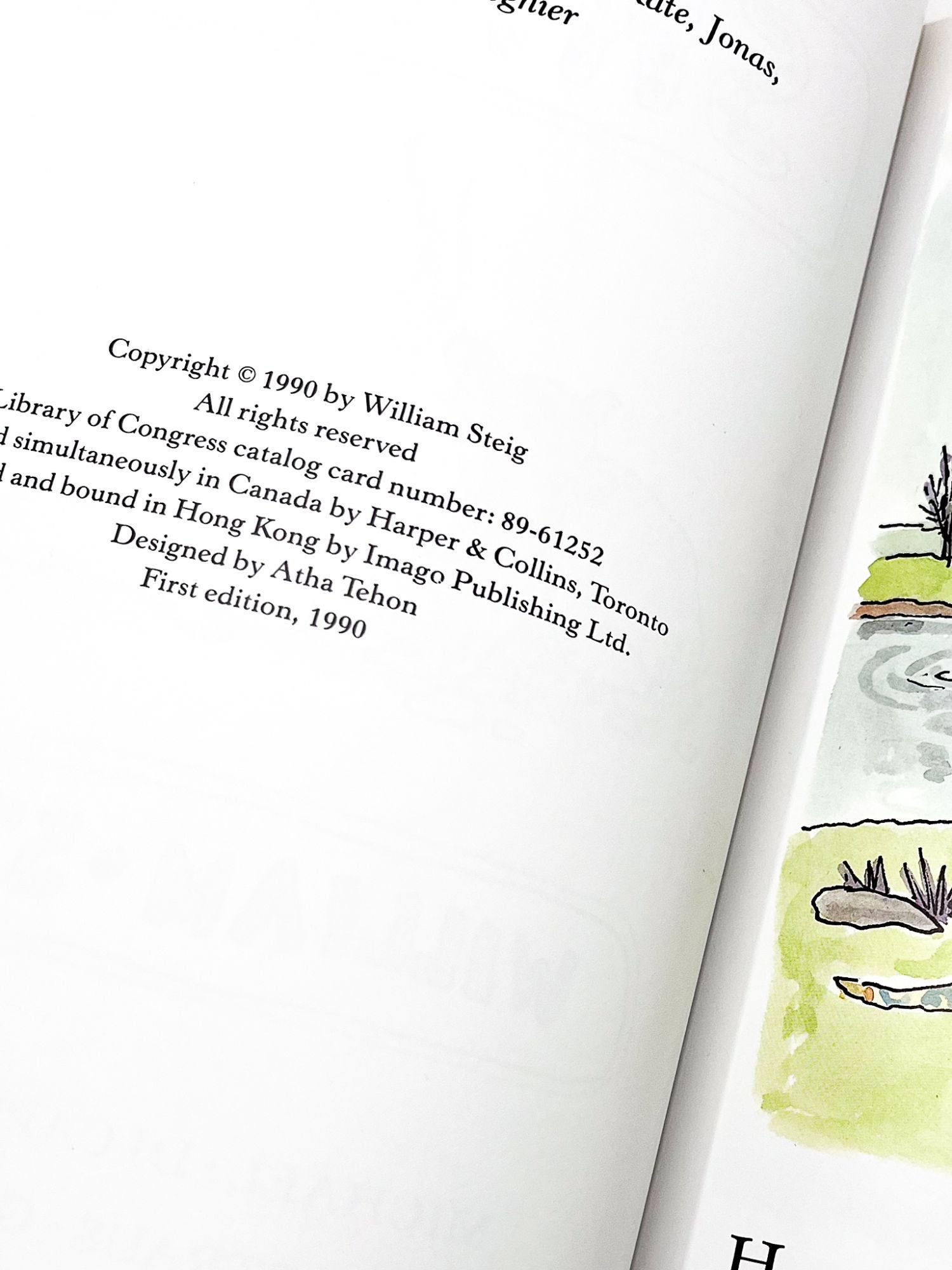
- Copyright Page: Verify the 1990 date. Later editions often include references to the film or subsequent theatrical adaptations on the back cover or inside flaps, which distinguishes them from the pristine 1990 release.
- Illustrations: Steig’s original art in the 1990 book is much darker and more muted than the vibrant colors used in later marketing materials for the franchise.
Frequently Asked Questions
Is the 1990 book the same as the movie? No. The 1990 book is a short picture book that serves as the creative seed for the later films. It lacks the specific plot points, the kingdom of Duloc, and the ensemble of secondary characters found in the cinema franchise.
Why is 1990 significant to the franchise? 1990 marks the birth of the property as a published literary work. Without the original book, the character of Shrek would not exist in the public consciousness as an independent, iconic ogre archetype.
How many pages were in the 1990 edition? The original 1990 publication is roughly 32 pages long. It is designed as a traditional children's picture book, heavily reliant on illustrations to convey the narrative flow.
Are the 1990 characters consistent with the film versions? Only in name and general demeanor. The 1990 Shrek is far more isolated, whereas the film version is highly integrated into a world full of other fairy tale characters.
Does the 1990 book have a "Happily Ever After"? Yes, but it is defined by the characters’ mutual acceptance. Unlike traditional fairy tales where a curse is broken, the 1990 book ends with the characters embracing their true, "monstrous" nature, which is presented as a victory.
Final Recommendation for Enthusiasts
If you are researching the 1990 timeline, your next action should be to consult a digital archive or a physical library holding that specifically catalogs 20th-century American children’s literature. The 1990 edition of Shrek! provides an essential look at the creative freedom of the era and the specific, quirky humor of William Steig. By treating the 1990 text as its own distinct artifact—separate from the corporate juggernaut it later became—you will gain a deeper appreciation for the original, stripped-down narrative that started it all.