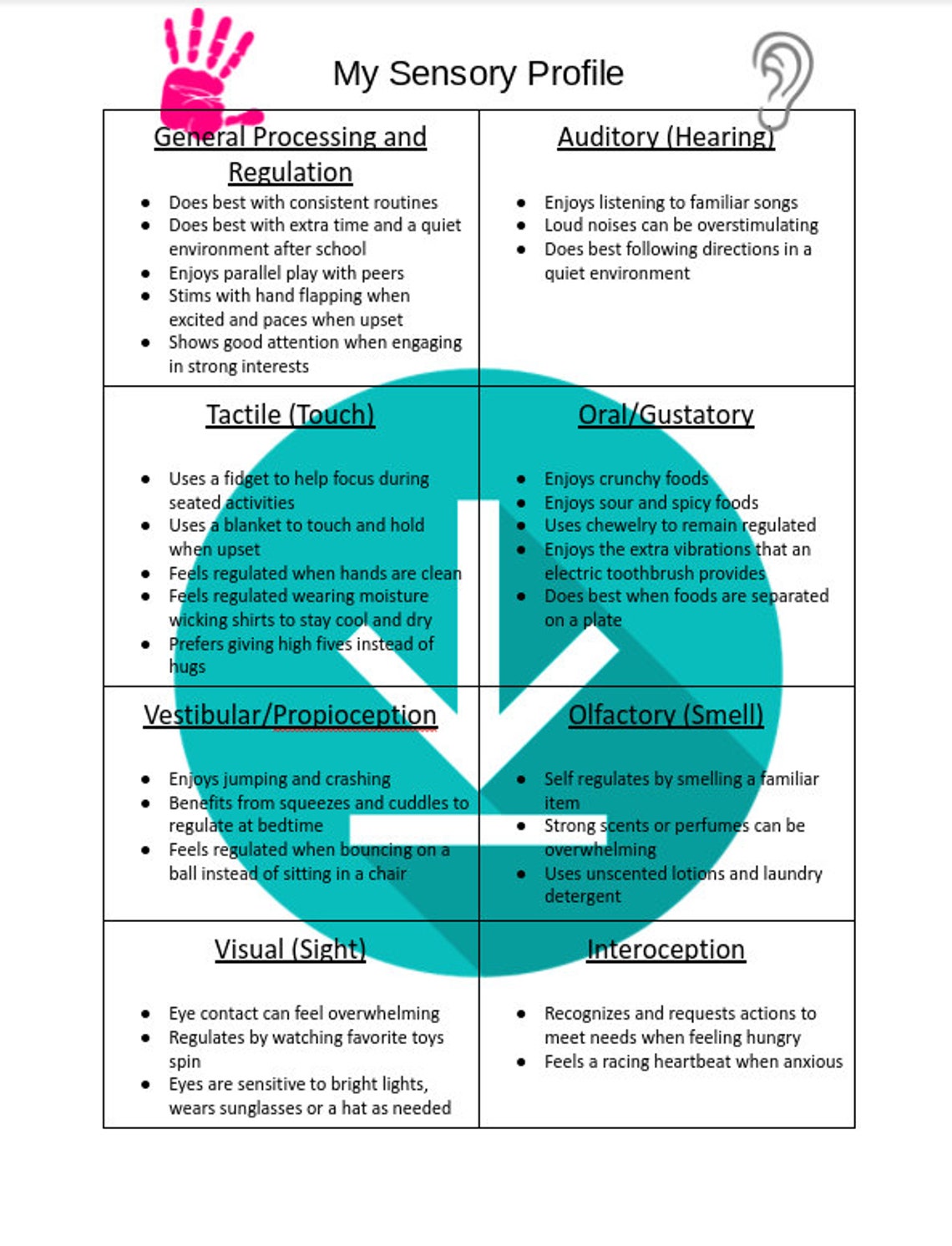
A sensory profile 2 PDF overview typically refers to a structured, standardized documentation format used in food science, perfumery, and product testing to map human responses to stimuli. It serves as a digitized instrument for capturing data points—such as intensity, aroma, texture, and flavor—that characterize a specific product. These documents are essential for research and development teams aiming to maintain consistency across batches and perform quantitative analysis of consumer perception.
The Role of Sensory Profiling in Product Development
Sensory profiling is the systematic measurement of human perception regarding a product's characteristics. When organizations produce a "1 sensory profile 2" document, they are usually referring to a specific tier, version, or module within a broader sensory evaluation framework. These profiles are not merely subjective descriptions; they are rigorously defined sets of attributes that trained panels or consumers must evaluate using consistent scales.
The movement toward digital PDF-based overviews is driven by the need for archival accessibility and standardized reporting. By utilizing a PDF format, organizations ensure that the evaluation criteria, instructions for panelists, and the resultant data visualization remain immutable during the sharing process between departments, quality control teams, and external research partners.
Components of a Standard Sensory Profile Document
A professional sensory profile document is composed of several critical sections, each designed to minimize bias and maximize the reliability of the sensory data.
1. Attribute Selection and Lexicon Definition
Before any testing begins, the profile must establish a lexicon. This is a shared vocabulary used to describe the sensory experience. For example, in a food product, terms like "sweetness intensity," "astringency," "crunchiness," or "bitterness" must be clearly defined so that every panelist understands them identically. A PDF overview will often contain a glossary that defines these terms in detail.
2. Scaling Methodologies
Data collection requires a mathematical foundation. Most profiles utilize one of two primary scaling methods:
- Category Scales: Simple ordinal or interval scales (e.g., 1 to 9).
- Line Scales: Unstructured or structured 10cm lines where panelists place a mark to indicate intensity. The document must clearly state which scale is being used, as this dictates how the final statistical analysis is performed.
3. Evaluation Environment Specifications
Standardization of the environment is mandatory. The PDF overview will often specify the requirements for the sensory booth, including lighting (sometimes monochromatic to mask color differences), temperature, relative humidity, and noise levels. These variables can significantly influence human sensory threshold, and documenting them ensures that the testing environment is replicable.
Workflow for Implementing a Sensory Profile
To successfully execute an evaluation based on a sensory profile overview, organizations follow a strictly controlled process. This ensures that the data collected is valid for comparison against previous batches or competitive products.
Step-by-Step Execution
- Preparation: The product samples are prepared under controlled conditions. This includes precise weighing, temperature regulation, and standardized vessel choice (e.g., specific glass types for wine or perfume).
- Panelist Recruitment and Calibration: Before interacting with the document, panelists are trained. Calibration involves testing the panelists against a reference standard to ensure they are using the scales in alignment with the rest of the group.
- The Evaluation Process: Panelists interact with the product and the document. In many 2026 workflows, this involves a hybrid approach where the paper or PDF guide provides the visual/textual reference, while input is entered into a digital database.
- Data Normalization and Aggregation: Once the raw scores are collected, the results are normalized. This eliminates individual bias, such as "halo effects" or "scale usage bias," where one panelist consistently marks higher than others.
Comparison of Common Sensory Evaluation Methods
The following table compares common methodologies often referenced within sensory profile documentation.
| Methodology | Primary Use Case | Complexity | Output Type |
|---|---|---|---|
| Quantitative Descriptive Analysis (QDA) | Detailed product mapping | High | Radar/Spider Chart |
| Free Choice Profiling | Exploratory research | Low | Consensus Map |
| Spectrum Method | Absolute intensity measurement | Very High | Standardized Score |
| Check-All-That-Apply (CATA) | Consumer perception/preference | Low | Frequency Count |
Technical Challenges in Sensory Documentation
Even with a well-structured PDF overview, technical challenges can impede the quality of sensory data. The most common pitfall is panelist fatigue. When a sensory profile requires the evaluation of too many attributes, the panelist’s ability to discriminate between subtle differences diminishes. To combat this, researchers must limit the number of attributes in the "1" and "2" modules of the profile.
Another challenge is "the expectation effect," where the panelist’s prior knowledge of the brand or the product category influences their sensory perception. Modern sensory profile documents include instructions on "blind testing" procedures, such as the use of random three-digit codes, to neutralize these psychological biases.
Maintaining Data Integrity in PDF Format
While the industry is trending toward fully integrated cloud-based sensory software, the PDF overview remains a vital component for record-keeping and regulatory submissions. When managing these files in a 2026 environment, organizations should adhere to the following best practices:
- Version Control: Ensure that the PDF is explicitly marked with a version number and date. If a sensory lexicon is updated, the version of the PDF must be updated to prevent the use of obsolete criteria.
- Read-Only Access: To maintain the validity of the testing criteria, the overview document should be locked to prevent unauthorized alterations to the attribute definitions.
- Archival Standardization: Use a consistent naming convention (e.g.,
YYYY-MM-DD_ProjectID_SensoryProfile_v2) to ensure that retrieval is efficient during quality audits.
Frequently Asked Questions
What should be included in a sensory profile document?
A comprehensive document should include a clear statement of objectives, a detailed lexicon of attributes, the definition of the scaling method, instructions for sample preparation, and the specific environmental protocols to be followed by the panel.
Can a sensory profile be used across different product categories?
Generally, no. Sensory profiles are highly specific to the matrix of the product. A profile designed for a beverage will have vastly different attributes and descriptors than one designed for a solid food or a personal care product.
How often should a sensory lexicon be updated?
Lexicons should be reviewed annually or whenever there is a significant change in the product formulation. If the new formula introduces new sensory cues, the existing profile will likely fail to capture the user experience accurately.
What is the difference between a sensory profile and consumer preference testing?
A sensory profile is an analytical, objective measurement conducted by trained experts to determine what the product is. Consumer preference testing is an affective, subjective measure conducted by untrained users to determine if they like the product.
How do I troubleshoot inconsistent panelist data?
Inconsistency is often a result of poor calibration. Re-evaluate the panelist training protocols, ensure that the reference standards used during training are fresh and high-quality, and verify that the environment is truly standardized across all testing booths.
Recommendations for Next Actions
If you are currently managing sensory evaluation programs, the immediate next step is to conduct an audit of your existing PDF documentation against your current product portfolio. Verify that the lexicons in use are still relevant and that the scaling methods provide enough resolution to detect meaningful differences. If you find that your data is inconsistent, prioritize the "re-calibration" of your panelist team before updating the PDF overview, as the document is only as effective as the human sensory input it supports.