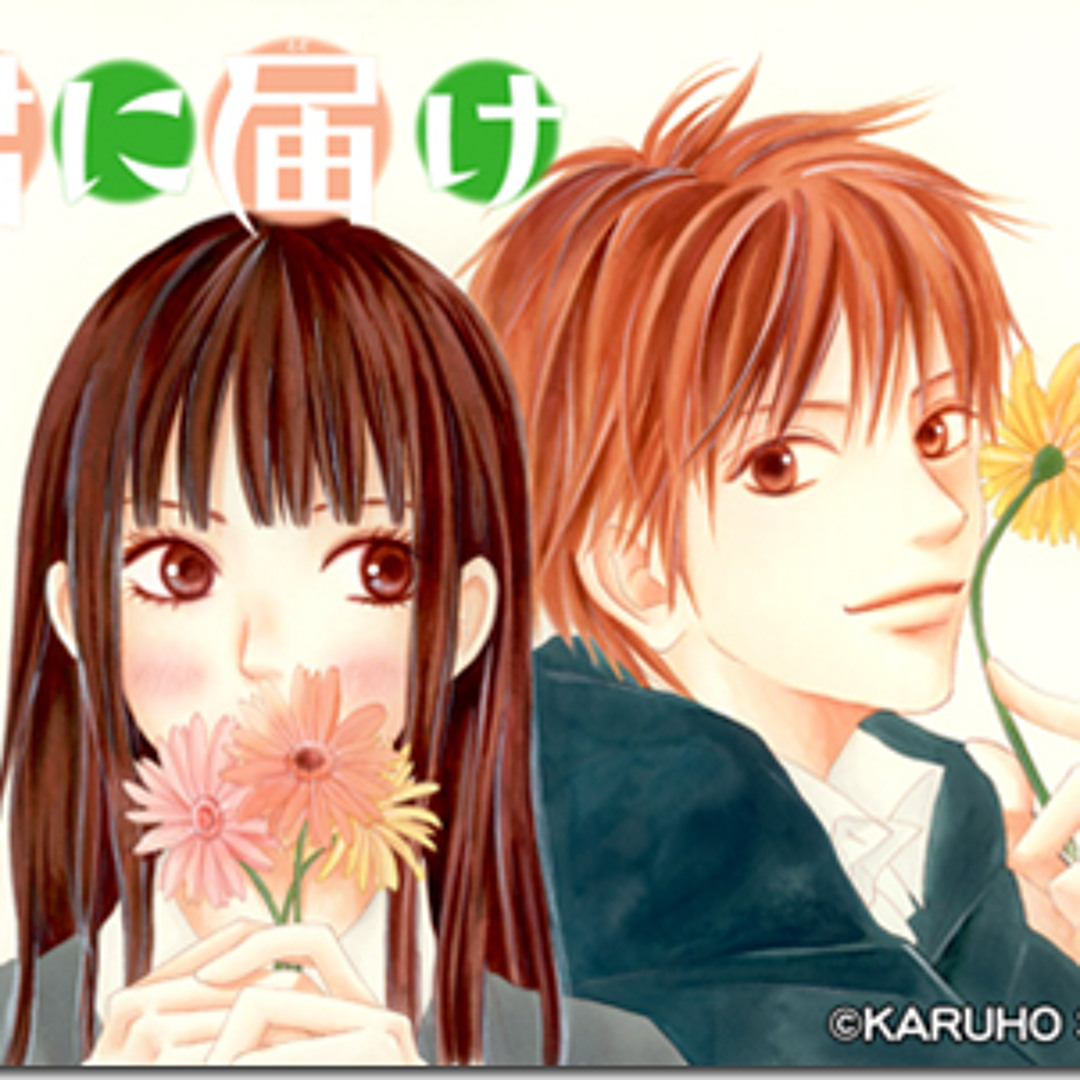
Kimi ni Todoke: From Me to You Season 2 premiered in Japan on January 4, 2011, and concluded its original broadcast run on March 29, 2011. Produced by Production I.G, the second season consists of 12 episodes, continuing the story of Sawako Kuronuma and Shota Kazehaya as they navigate the complexities of high school life, romance, and personal growth.
Understanding the Kimi ni Todoke Anime Timeline
To fully appreciate the context of the Kimi ni Todoke Season 2 release, it is necessary to understand the structure of the franchise. The series is based on the shojo manga written and illustrated by Karuho Shiina. The anime adaptation was highly anticipated due to the manga's significant popularity within the romance and slice-of-life genres.
The first season, which established the foundation of the narrative, aired from October 2009 to March 2010, spanning 25 episodes. Given the success of the first season, fans quickly turned their attention toward the continuation of the story. The announcement of a second season was a strategic decision by the production committee to maintain the momentum generated by the initial run. When the second season arrived in early 2011, it served as a direct narrative continuation, picking up exactly where the previous season’s character arcs left off.
The Production Context of the 2011 Release
Production I.G, a studio renowned for high-quality animation, maintained the aesthetic and emotional tone established in the first season. The transition to a shorter 12-episode format for the second season was a notable shift from the 25-episode debut. This reduction was likely driven by the progress of the source material at the time and the desire to maintain a focused narrative pacing, ensuring that the critical emotional climaxes of the manga were adapted with appropriate detail and care.
For viewers accessing the series today, it is important to note that the release date of January 4, 2011, marks the official broadcast commencement on Nippon Television (NTV). While global distribution platforms have made the series widely accessible in the years since, the original production timeline is anchored firmly in the winter 2011 anime season. Understanding this date helps viewers contextualize the visual style, pacing, and cultural trends present in the production.
Why the Second Season Remains Relevant Today
Even by 2026, Kimi ni Todoke is frequently cited as a quintessential example of the "slow-burn" romance genre. The release of the second season is often discussed in retrospect because it shifted the focus from Sawako’s initial social isolation to the intricacies of her evolving relationship with Kazehaya and her deepening bonds with friends like Chizuru and Ayane.
The 2011 release date represents a period where high-quality shojo adaptations were becoming more prominent in international markets. Because the series does not rely on transient pop-culture tropes, it retains a "timeless" quality that continues to draw new audiences. For long-term fans, the arrival of the second season remains a milestone in the series' history, as it solidified Sawako’s journey from a misunderstood outcast to a confident young woman.
Comparison of Kimi ni Todoke Animation Seasons
| Season | Original Broadcast Year | Episode Count | Primary Narrative Focus |
|---|---|---|---|
| Season 1 | 2009–2010 | 25 | Introduction, social integration, and initial friendships. |
| Season 2 | 2011 | 12 | Romantic progression and emotional maturity. |
| Season 3 | 2024 | 13 | Adapting later manga arcs and mature developments. |
Note: Season 3 was released in 2024, continuing the adaptation of the manga long after the original 2011 run.
Navigating the Series Chronology
When researching the release date, many viewers often find themselves confused by the gap between the 2011 release and the later continuation of the series. It is critical to differentiate between the original broadcast era of the 2010s and the modern revival of the series.
- The Origin (2009-2011): This period covers the first two seasons, which focused on the core high school experience and the budding romance between the two leads.
- The Long Gap: For over a decade, the anime remained stationary until the franchise was revisited for the third season, which premiered on global streaming platforms in 2024.
- Current Viewing Status: In 2026, the entire collection of seasons is available on various major streaming platforms, allowing viewers to watch the full progression of the story without the wait times that original fans experienced during the 2011 broadcast.
Common Misconceptions Regarding the Release
A frequent error in online discussions is the belief that Season 2 was a "standalone" event or that it was meant to conclude the series entirely. In reality, the 2011 broadcast was an ongoing adaptation of an active manga series. At the time of its release, the conclusion of the second season left room for further development, consistent with the trajectory of the manga.
Another misconception involves the availability of dubbed versions. While the 2011 release was originally aired in Japanese, multiple language dubs were commissioned in subsequent years as the series gained international traction. When you see a "release date" listed on a streaming service in 2026, it often refers to the date that specific version was added to the platform’s library rather than the original 2011 Japanese broadcast date.
Frequently Asked Questions
Did the 2011 season finish the entire manga story?
No, the 12 episodes of the second season covered only a specific portion of the manga. The narrative continued well beyond the events of the 2011 broadcast, eventually being adapted further in the 2024 season.
Why is there such a large gap between Season 2 and the next installment?
The anime industry often pauses production based on the availability of source material, studio scheduling, and the commercial viability of a revival. The gap between the 2011 conclusion and the 2024 return reflects a strategic decision to revisit the series for a new generation of viewers.
Is the quality of the 2011 season comparable to modern anime?
Yes, the aesthetic and production values of the 2011 series are widely regarded as having aged well. Because the art style is character-focused and uses a soft, watercolor-inspired palette, it remains visually appealing and consistent with modern standards.
Are there any spin-offs associated with the 2011 release?
While the primary focus was the main series, the release period coincided with various promotional media and audio dramas that expanded on side character perspectives, which were common marketing practices in the Japanese anime industry during the early 2010s.
Should I watch the series in order of release date?
It is strongly recommended to watch the series in order: start with the first season (2009), followed by the second season (2011), and finally the most recent installments. This ensures the emotional growth of the characters is experienced as the creators intended.
How can I verify the specific episode release dates?
For historical accuracy, viewers should consult databases such as MyAnimeList or the official show pages on major licensing streaming services. These platforms maintain accurate broadcast logs that differentiate between the original 2011 Japanese airing and subsequent international releases.
Final Recommendation
If you are looking to experience Kimi ni Todoke, proceed by watching the first two seasons in their original release order. The 2011 broadcast of the second season provides essential character development that is required to understand the emotional stakes of the later narrative installments. By starting with the 2009 debut and following through the 2011 season, you will gain a complete appreciation for the story's slow-burn pacing and the authentic, gentle nature of the characters' relationships.