At 26, you are generally eligible for Gerber Life Insurance products, as the company offers coverage options that span from childhood into adulthood. While Gerber is widely recognized for its Grow-Up Plan for children, it also provides adult-oriented life insurance products, such as Whole Life and Term Life policies, that are accessible to young adults once they meet basic age and residency requirements.
Understanding Gerber Life Insurance for Young Adults
Many individuals associate Gerber Life Insurance exclusively with policies designed for infants and children. However, the organization functions as a full-service life insurance provider. When you are 26 years old, you have transitioned out of the "minor" demographic, meaning you are legally eligible to enter into binding insurance contracts independently.
For a 26-year-old, the primary question regarding eligibility is not whether you are "allowed" to purchase a policy, but rather which product best fits your financial stage. Unlike child-specific policies, adult plans from Gerber Life are typically underwritten based on your personal health profile, lifestyle, and financial requirements. Eligibility is determined by your ability to satisfy the application criteria, which include residency status and medical history disclosures.
Core Eligibility Criteria
To successfully apply for a Gerber Life Insurance policy at age 26, you must meet several foundational requirements established by the insurer and dictated by state insurance regulations.
1. Legal Residency and Citizenship
Gerber Life Insurance policies are available to U.S. citizens and permanent residents. If you are not a citizen, you may still be eligible, but you generally need a valid Social Security Number or Taxpayer Identification Number to facilitate the application and premium payment process. Eligibility is also subject to the specific laws of the state where you reside, as insurance is regulated at the state level.
2. Age Restrictions
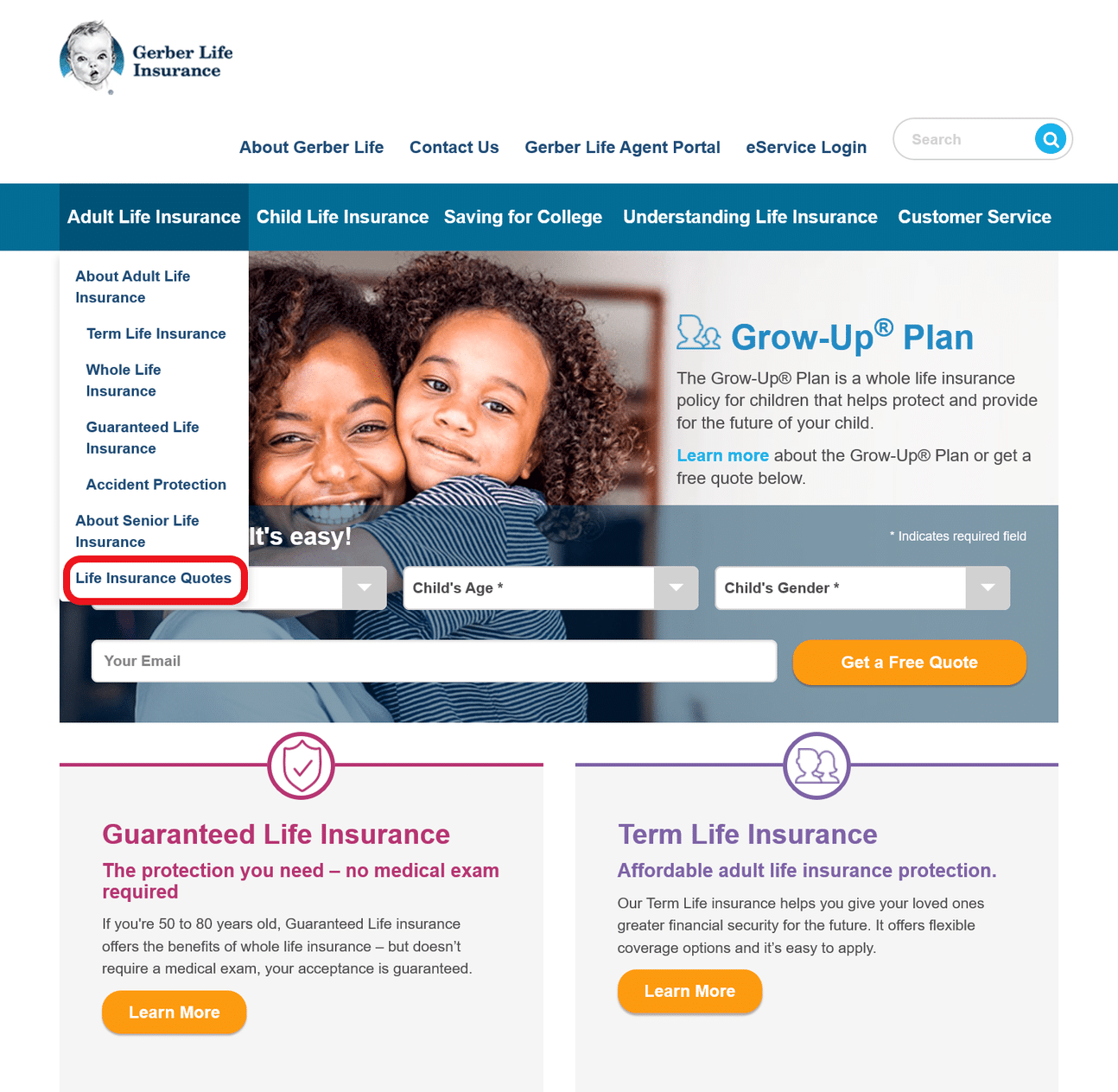
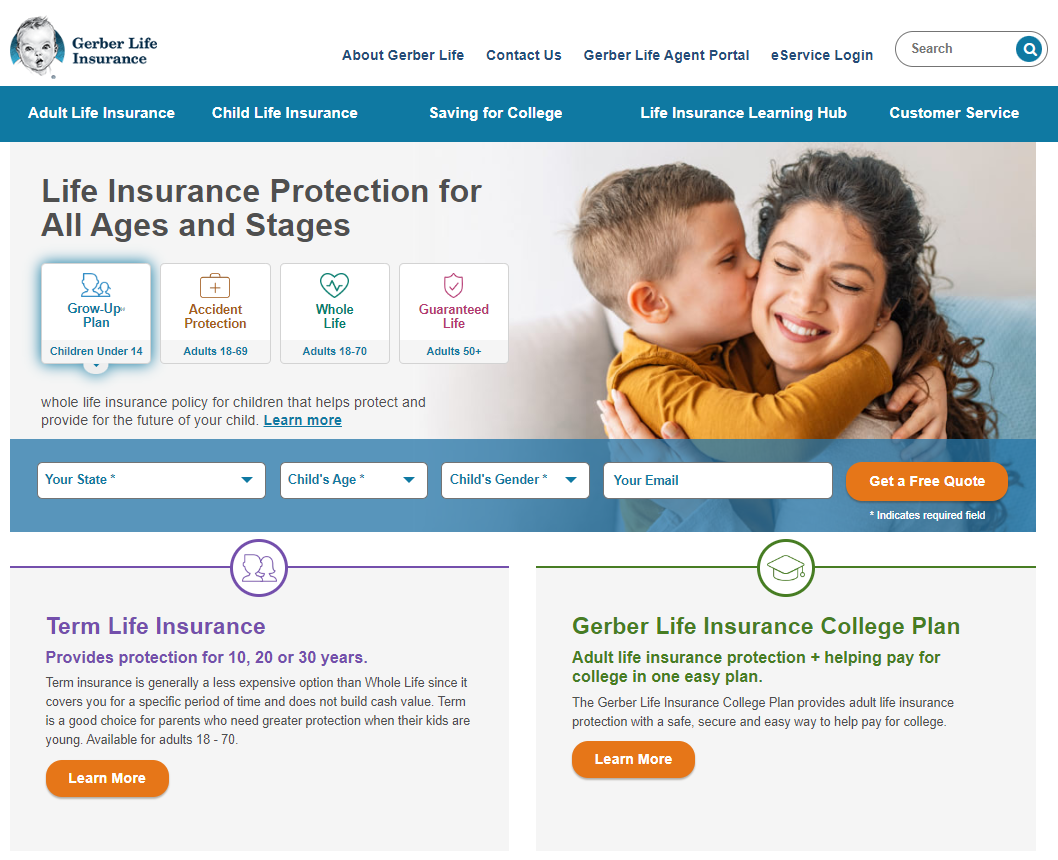
At 26, you are well beyond the minimum age threshold for adult life insurance products. While the Grow-Up Plan is limited to children up to age 14, adult-oriented whole life and term life products are designed for individuals aged 18 to 80 (varying by specific product). Therefore, at 26, you have full access to these adult portfolios.
3. Underwriting and Health Declarations
Unlike some guaranteed-issue products intended for seniors or those with severe health complications, most standard adult life insurance policies require a degree of medical underwriting. Even at 26, your eligibility for specific premium rates or coverage amounts may depend on your health history. You will be asked to provide information regarding your tobacco usage, pre-existing conditions, and, in some cases, your current health status to determine if you qualify for the policy.
Evaluating Product Options for a 26-Year-Old
At 26, you are likely in a period of life marked by career growth, potential student loan debt, and perhaps the early stages of family planning. Choosing the right insurance product is as important as confirming your eligibility.
Whole Life Insurance
Whole life insurance provides a death benefit and builds cash value over time. For a 26-year-old, the primary advantage is that the premium remains level for the duration of the policy. By starting a whole life policy in your mid-twenties, you benefit from lower premiums compared to those who wait until their 40s or 50s to purchase coverage. This policy is often viewed as a long-term financial tool, offering both protection for beneficiaries and a modest savings component.
Term Life Insurance
Term life insurance provides coverage for a specific period, such as 10, 20, or 30 years. This is often the most cost-effective solution for young adults who have specific financial obligations—such as a mortgage or personal debt—that will eventually be paid off. If you are 26 and looking for high death benefit protection at the lowest possible monthly cost, term life is generally the standard recommendation.
Comparison of Insurance Types for Young Adults
| Feature | Whole Life Insurance | Term Life Insurance |
|---|---|---|
| Duration | Lifetime (as long as premiums are paid) | Fixed term (e.g., 20 or 30 years) |
| Cash Value | Accumulates over time | No cash value |
| Premiums | Generally higher and fixed | Generally lower and fixed for the term |
| Primary Goal | Permanent protection & savings | Affordable coverage for specific needs |
| Eligibility | Requires underwriting | Requires underwriting |
The Application Process: A Step-by-Step Approach
Applying for life insurance at 26 is a straightforward process, but it requires preparation to ensure your application is processed efficiently.
- Assess Your Coverage Needs: Calculate the amount of money your beneficiaries would need to cover debts, final expenses, or income replacement. At 26, many people look for coverage that equates to 5 to 10 times their annual salary.
- Gather Necessary Documentation: Have your personal information ready, including your Social Security number, basic medical history, and contact information for your designated beneficiaries.
- Complete the Application: You can initiate the process through the Gerber Life website or by speaking with a licensed agent. Be honest in your declarations; providing inaccurate information during the underwriting process can lead to the denial of a future claim.
- Underwriting Review: Once submitted, the insurance company will review your application. They may request further information regarding your health or medical records.
- Policy Issuance: If approved, you will receive your policy documents. Review these carefully, noting the premium due dates, coverage limits, and any exclusions.
Factors That Influence Your Eligibility and Costs
Even if you meet the baseline requirements, certain factors will influence your "eligibility" in terms of cost and the specific policies available to you.
- Tobacco Use: Smoking or the use of other tobacco products significantly increases premiums. Most insurers view tobacco use as a high-risk behavior that limits the pool of "preferred" pricing tiers.
- Medical History: Chronic conditions or a history of high-risk medical procedures may change your eligibility for preferred health ratings. While you may still qualify for a policy, the premiums may be higher than those offered to someone without these issues.
- Occupation and Hobbies: Engaging in high-risk professions (such as aviation, professional racing, or commercial deep-sea diving) or high-risk hobbies (such as skydiving or rock climbing) may affect your risk assessment.
- Financial Objectives: Insurers look at your "insurable interest." They need to ensure that the coverage amount you are applying for is reasonable in relation to your income and financial obligations.
Common Mistakes to Avoid
When applying for life insurance in your mid-twenties, avoid these common pitfalls:
- Underestimating Coverage Needs: Many young adults purchase a policy simply to "have one" without calculating the actual amount needed to support their dependents. Ensure your coverage aligns with your current liabilities.
- Delaying Enrollment: The younger and healthier you are, the lower your premiums will be. Waiting until you have a health diagnosis can make life insurance significantly more expensive or even difficult to obtain.
- Ignoring the Fine Print: Always read the policy's exclusions. Understand what is covered and what is not, particularly concerning suicide clauses or contestability periods, which are standard in almost all life insurance contracts.
- Assuming Child-Policy Status: Do not assume that a policy purchased for you as a child automatically transitions into the exact coverage you need as an adult. Evaluate your current needs independently of any policies your parents may have opened for you.
Seeking Professional Advice
While this guide provides a roadmap for your eligibility and application process, life insurance is a significant financial commitment. It is often beneficial to speak with a licensed financial advisor or a representative from the insurance company. They can help you navigate the nuances of specific policy riders—such as accidental death benefits or waiver of premium riders—which might be valuable additions to your plan at age 26.
Keep in mind that financial needs evolve. You should review your life insurance coverage every few years, particularly during major life events such as marriage, purchasing a home, or having children. Your eligibility remains the same, but your requirement for protection will likely change as you move through your late twenties and into your thirties.
Frequently Asked Questions
Can I get Gerber Life Insurance if I have a pre-existing medical condition? Yes, you can generally apply. However, your eligibility for specific premium rates will depend on the nature and severity of the condition. During the application process, you must disclose your medical history, and the insurer will determine if you qualify for coverage.
What is the minimum death benefit I can purchase? The minimum coverage amounts vary by policy type and state. Gerber Life offers various tiers, and you can usually choose a benefit amount that fits your budget. Check the specific product page on the official Gerber Life website for the most recent minimum requirements for your state.
Do I need a medical exam to qualify at 26? Not all policies require a physical medical exam. Some products are underwritten based on your answers to health questions on the application. Whether an exam is required often depends on the face amount of the policy and your medical history.
Can I change my policy type later in life? Some policies allow for conversion or modification, but this depends entirely on the terms of the specific contract you purchase. If you anticipate that your needs might change, discuss these options with a representative before signing your policy documents.
Is my life insurance premium guaranteed for life? If you choose a Whole Life policy, your premium is typically guaranteed to stay the same for the life of the policy. If you choose a Term Life policy, the premium is fixed only for the duration of the chosen term.
Next Steps for You
To determine your specific eligibility and pricing, start by visiting the official Gerber Life Insurance website. Review the current brochures for both Whole Life and Term Life products to compare which structure aligns with your financial goals for your 26th year. Once you have a clear picture of your needs, use the online quote tool to get an estimate of potential costs. Taking these steps early allows you to lock in lower premiums while you are young and generally healthy, providing a foundation of financial security for your future.