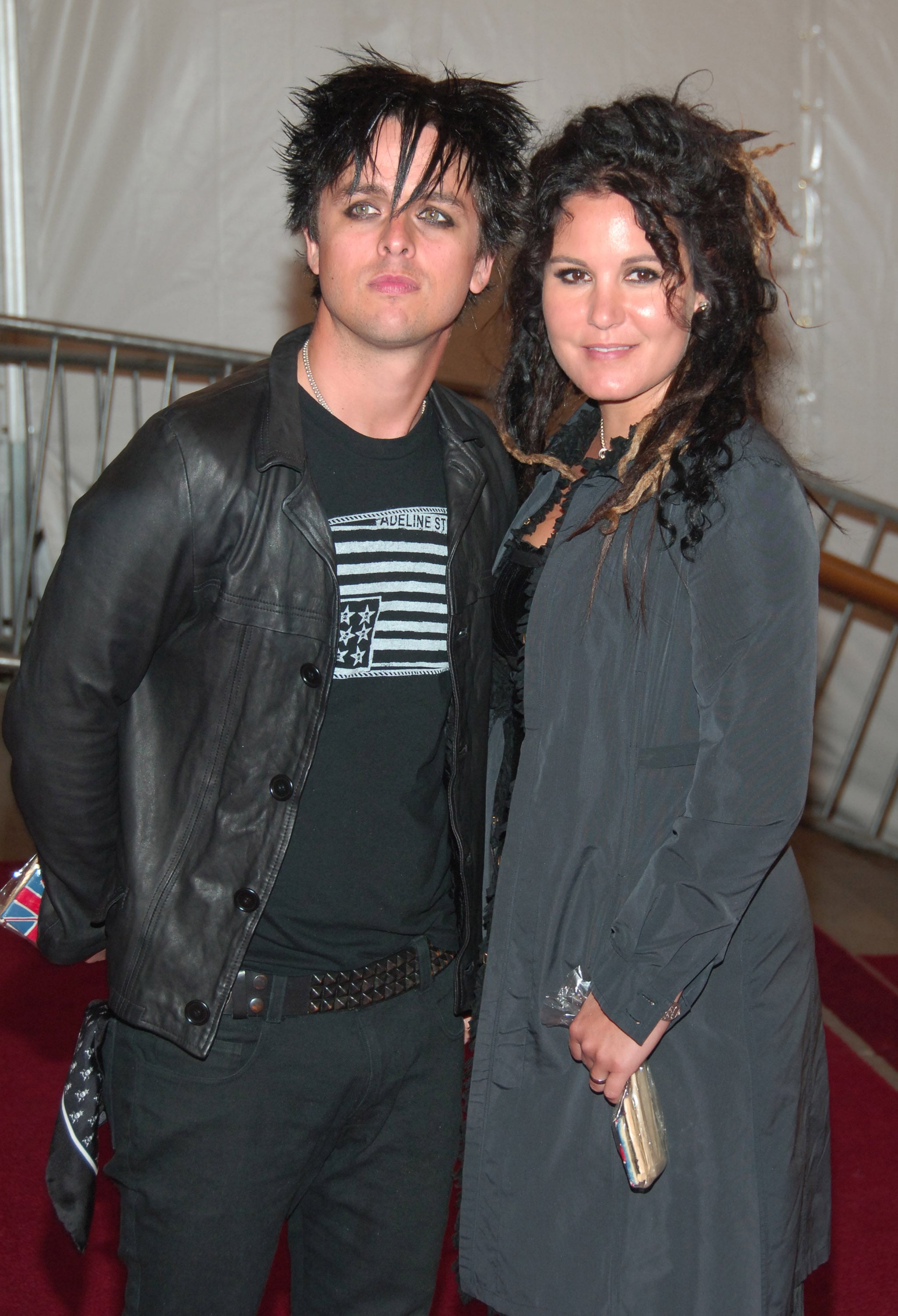
Adrienne Armstrong (née Nesser) was a pivotal figure in the 1990s punk rock scene, primarily known as the co-founder of Adeline Records and the wife of Green Day frontman Billie Joe Armstrong. Throughout the decade, she transitioned from a Minneapolis scene regular to a key strategist in the DIY punk community, influencing Green Day’s early discography and fostering independent music.
The Minneapolis Roots and the 1990 Encounter
To understand Adrienne Armstrong’s impact in the 1990s, one must first look at the underground music landscape of Minneapolis at the dawn of the decade. Adrienne Nesser was a staple in the local twin cities punk scene, a community known for its grit and historical significance in the alternative rock movement. It was here, at a Green Day show in 1990, that she first met Billie Joe Armstrong. At the time, Green Day was far from a household name; they were an indie band traveling in a van, playing small clubs like the 7th Street Entry.
The meeting was not merely a chance encounter between a fan and a musician; it was the start of a partnership that would bridge the geographic gap between the East Bay’s Gilman Street scene and the Midwestern punk aesthetic. In the early 90s, long-distance relationships were maintained through handwritten letters and expensive long-distance phone calls, a reality that deeply influenced the songwriting on Green Day’s sophomore album, Kerplunk!. Adrienne became a fixture of the band's lore before she ever moved to California, representing a sense of stability and intellectual match for Billie Joe during the band's most formative years.
The Muse of the East Bay: "80" and the Kerplunk! Era
As the 1990s progressed, Adrienne’s influence became immortalized through music. One of the most significant examples is the song "80" from the 1991 album Kerplunk!. The title "80" is a phonetic play on her nickname, "Adrie." The lyrics reflect the anxieties and the intensity of a long-distance relationship, capturing the mental state of a young musician grappling with fame, identity, and his connection to Adrienne.
During this period, Adrienne was more than just a subject of lyrics; she was a participant in the DIY ethos that defined the decade. She understood the internal mechanics of independent labels and the importance of community support. This understanding allowed her to navigate the transition when Green Day eventually signed with a major label. While many "punk purists" viewed the jump to Reprise Records as a betrayal, Adrienne remained a grounding force, ensuring that the band's personal lives and business ventures stayed rooted in the independent spirit they grew up with.
1994: A Year of Cultural and Personal Transformation
The year 1994 was a watershed moment for alternative culture, and for Adrienne Armstrong, it was the year her private life became a matter of public interest. In February 1994, Green Day released Dookie, an album that would eventually sell over 10 million copies in the United States alone. As the band skyrocketed to international superstardom, Adrienne and Billie Joe made the decision to solidify their partnership.
They were married on July 2, 1994, in a small, 5-minute ceremony. The timing was significant; it occurred just as the band was becoming the face of a new generation of rock. Adrienne’s presence during this whirlwind was essential. She provided a buffer against the chaotic demands of the music industry. Remarkably, the day after their wedding, she discovered she was pregnant with their first child. This transition from "punks on the road" to a young family occurred under the intense scrutiny of the MTV era, yet Adrienne managed to maintain a level of privacy and dignity that was rare for the partners of rock stars at the time.
Building a Punk Rock Family: Motherhood and the Road
In the mid-to-late 90s, Adrienne Armstrong redefined what it meant to be a parent within the rock industry. Her first son, Joseph "Joey" Marciano Armstrong, was born in February 1995, followed by Jakob Danger Armstrong in September 1998. Rather than retreating from the scene, Adrienne integrated her family life with the band’s professional obligations.
This was a period of intense touring for Green Day, covering the Insomniac (1995) and Nimrod (1997) cycles. Adrienne was often seen backstage or traveling with the band, helping to create a stable environment for her children amidst the loud, abrasive world of punk tours. Her ability to balance these roles was a testament to her organizational skills and her commitment to the DIY lifestyle. She wasn't just "along for the ride"; she was managing a household that happened to move at 70 miles per hour across the country. This era of her life proved that the rebellious spirit of the 90s could coexist with responsible parenthood, a concept that resonated with many aging fans of the genre.
The Genesis of Adeline Records (1997)
Perhaps Adrienne’s most tangible contribution to the 1990s music scene was the co-founding of Adeline Records in 1997. Alongside Billie Joe Armstrong and business partners Lynn and Jim Thiebaud, Adrienne took an active role in the label’s operations. Based in Oakland, California, Adeline Records was created to support the local punk scene and give smaller bands a platform that major labels would often overlook.
Under Adrienne’s influence, Adeline Records became a staple of the late-90s punk landscape. The label provided a home for bands like AFI (A Fire Inside), The Network, and various side projects. Her involvement was not merely titular; she was deeply involved in the aesthetic and ethical direction of the company. She helped oversee everything from merchandise production to the signing of new talent. By establishing Adeline, Adrienne ensured that the wealth and influence generated by Green Day’s mainstream success would be funneled back into the independent community that raised them.
Key Milestones for Adrienne Armstrong in the 1990s
| Year | Event | Significance |
|---|---|---|
| 1990 | Meets Billie Joe Armstrong | Marks the beginning of the Minneapolis-East Bay connection. |
| 1991 | Release of "80" | Immortalized as a muse in punk rock history on the Kerplunk! album. |
| 1994 | Marriage (July 2) | Solidified her role as a partner during Green Day's mainstream breakout. |
| 1995 | Birth of Joey Armstrong | Transitioned into motherhood while the band toured Insomniac. |
| 1997 | Founded Adeline Records | Established a business legacy supporting independent punk music. |
| 1998 | Birth of Jakob Armstrong | Continued building the family unit during the Nimrod era. |
The "Anti-Groupie": Defining the 90s Aesthetic
Adrienne Armstrong’s public persona in the 90s was the antithesis of the traditional "rock wife" or groupie archetype. She possessed a distinct aesthetic that blended the grunge influences of the Pacific Northwest with the classic punk look of the East Bay. Her style—often featuring vintage clothing, dark hair, and a minimalist approach to makeup—became a blueprint for many young women in the alternative scene.
More importantly, her attitude was one of independence. She was frequently interviewed not just as a spouse, but as a business owner and a person with deep-seated environmental and social convictions. In the late 90s, she began advocating for sustainable living and organic products, long before these concepts became mainstream trends. This intellectual depth made her a role model within the Green Day fandom, showing that one could be part of a high-profile couple while maintaining a separate, meaningful identity.
Navigating the Challenges of Fame and Privacy
The 1990s were a decade where the line between public and private lives began to blur due to the rise of tabloid journalism and early internet forums. Adrienne Armstrong was tasked with navigating this shift while protecting her young children. She was known for being fiercely protective of her family’s privacy, rarely granting interviews that didn't focus on her professional work or specific causes she supported.
This period was also marked by the internal pressures of the music industry. After the massive success of Dookie, the band faced a "sophomore slump" (commercially speaking) with Insomniac and the experimental risks of Nimrod. Adrienne’s role as a confidante and strategist was crucial during these times of creative tension. She was often the person Billie Joe turned to when questioning the direction of the band or the demands of the label. Her presence ensured that the band stayed true to their roots even when the industry pressured them to repeat the formula of their early hits.
Legacy of the 90s: From Muse to Mogul
By the end of 1999, Adrienne Armstrong had transitioned from a scene-staple in Minneapolis to a respected figure in the California music industry. Her work with Adeline Records had helped launch the careers of several influential bands, and her family life had become a model of stability in an industry known for volatility.
The 90s served as the foundation for her later ventures into fashion (such as the eco-friendly clothing line Adeline Street) and her continued activism. Her influence on Green Day’s music remained a constant, with Billie Joe continuing to write songs inspired by their relationship, a trend that would persist into the 2000s and beyond. Adrienne’s 1990s journey was not just about being the partner of a famous musician; it was about building an independent legacy that empowered the punk community and redefined the role of women in the rock world.
Frequently Asked Questions
How did Adrienne Armstrong meet Billie Joe in the 90s?
They met in 1990 at a Green Day show in Minneapolis. At the time, Adrienne was a regular in the local punk scene. After the show, they began a long-distance relationship, communicating via letters and phone calls until she eventually moved to California.
What is the meaning of the song "80" regarding Adrienne?
The song "80" is named after Adrienne; "80" is a phonetic pun on her nickname "Adrie." Released on the 1991 album Kerplunk!, the song explores the feelings of longing and anxiety Billie Joe felt while being away from her during the band's early tours.
What was Adrienne Armstrong's role in Adeline Records?
As a co-founder, Adrienne was deeply involved in the day-to-day operations and the creative direction of Adeline Records. She helped manage the label's roster, oversaw merchandise, and ensured the label maintained its DIY ethics while supporting bands like AFI and Dillinger Four.
Did Adrienne Armstrong influence Green Day's fashion in the 90s?
While the band members had their own styles, Adrienne’s background in the punk and alternative scenes contributed to the band's overall aesthetic. She later turned this interest into a professional venture by launching Adeline Street, a clothing line that focused on punk-inspired and eco-friendly fashion.
How did Adrienne handle the fame of the "Dookie" era?
Adrienne remained largely out of the tabloid spotlight, focusing on her family and her own business ventures. She married Billie Joe in 1994, just as the band became world-famous, and worked to maintain a sense of normalcy and privacy for their children during the height of the band's 90s fame.
Practical Recommendation for Historians and Fans
If you are researching the 1990s punk scene or the history of Green Day, it is essential to look beyond the band members and examine the "architects" behind the scenes. Adrienne Armstrong’s work with Adeline Records provides a valuable case study in how independent labels operated in the pre-digital era. To understand her influence fully, one should listen to the lyrics of Kerplunk! and Insomniac while also researching the discography of Adeline Records between 1997 and 2000. Her contribution is a reminder that the success of the 90s alternative explosion was built on a foundation of strong personal partnerships and a commitment to independent business models.