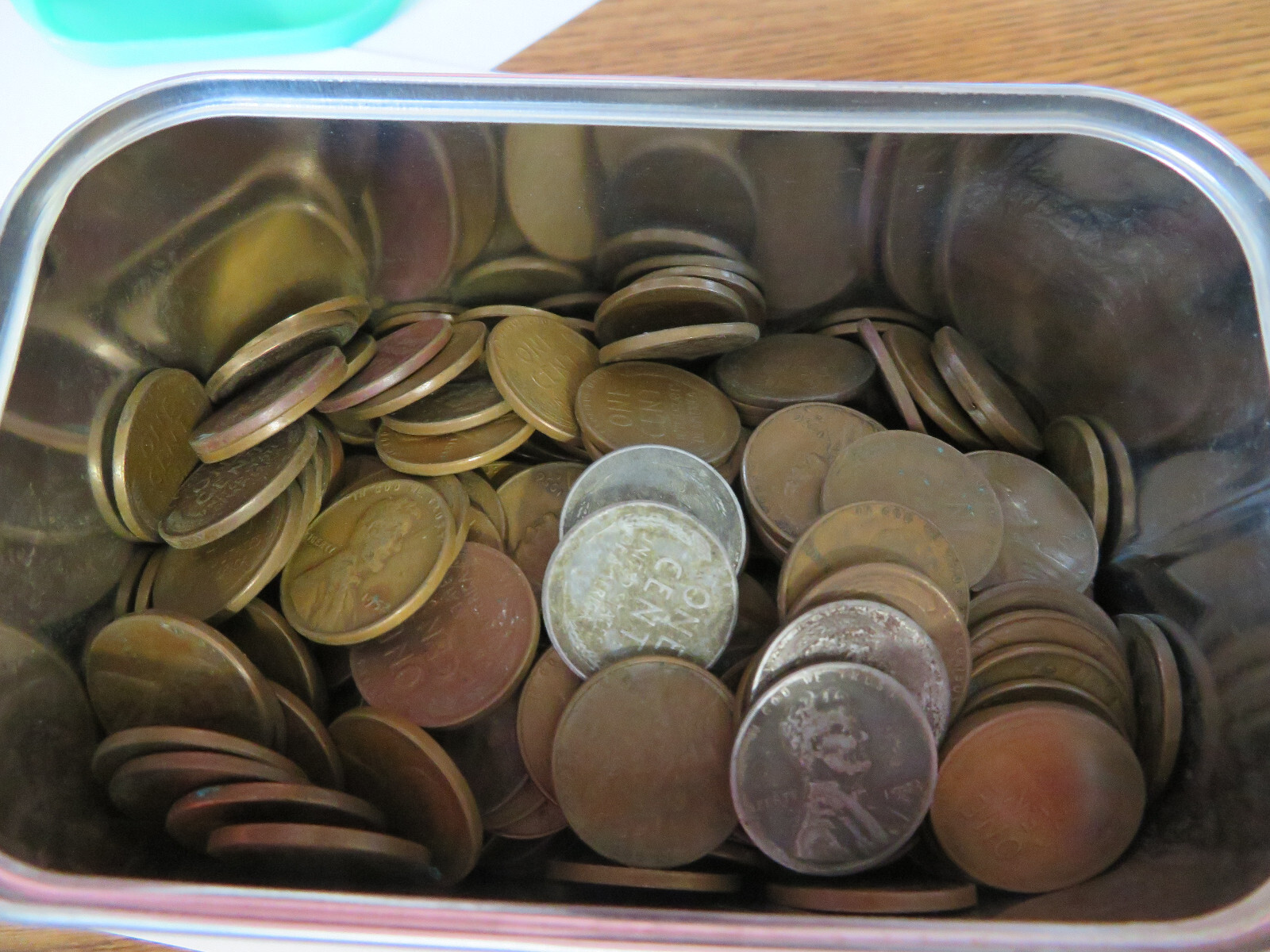
As of 2026, the United States government has not passed legislation to discontinue the production or circulation of the one-cent coin. Despite ongoing debates regarding the production cost of the penny versus its face value, it remains legal tender, and the United States Mint continues to manufacture it as part of the nation's standard coinage series to meet public demand.
Understanding the Status of the United States Penny
The question of whether the penny is being discontinued often arises due to its unique position in the American economy. Unlike many other nations that have successfully retired their lowest-denomination coins—such as Canada’s move to phase out the penny in 2013—the United States has maintained the status quo. In 2026, the penny remains a staple of cash transactions, supported by federal law and maintained by the United States Mint.
The Mint is an agency within the Department of the Treasury that operates under specific mandates from Congress. While the Department of the Treasury has the authority to adjust the composition of coins to save costs, the decision to eliminate a denomination entirely requires an act of Congress. Currently, no such legislation has cleared both houses of Congress and been signed into law. Consequently, the penny is not being phased out, and the federal government continues to fulfill orders from the Federal Reserve to ensure that banks and retailers have access to sufficient supply.
The Economic Argument: Cost of Production
The primary driver behind the persistent rumors of discontinuation is the unit cost of production. It is a well-documented fact that the United States Mint spends more money to manufacture and distribute a penny than the coin is actually worth.
Since 1982, the penny has been composed of 97.5% zinc and 2.5% copper. Despite this base-metal composition, the rising costs of raw materials, labor, transportation, and administrative overhead have consistently pushed the unit cost of producing a penny above one cent. According to the United States Mint’s Annual Report, this deficit has persisted for over a decade.
Critics of the penny argue that this represents a waste of taxpayer resources—a "seigniorage loss"—where the government loses money on every coin it places into circulation. Proponents of keeping the penny argue that eliminating it would lead to "rounding up" on all cash transactions, which could potentially result in higher costs for consumers, particularly those in lower-income brackets who rely heavily on cash. Furthermore, there is a cultural attachment to the coin, and many charitable organizations rely on penny drives to collect significant funds in small increments.
The Comparison: How the US Compares to Other Nations
Several countries have successfully navigated the transition away from low-denomination coins. By examining these examples, we can better understand the logistical challenges that would face the United States should it decide to discontinue the penny.
| Country | Discontinued Coin | Year | Transition Strategy |
|---|---|---|---|
| Canada | Penny | 2013 | Mandatory rounding for cash transactions only |
| Australia | 1 and 2 Cent | 1992 | Voluntary rounding; coins remain legal tender |
| New Zealand | 1, 2, and 5 Cent | 1990/2006 | Strict rounding rules for cash; electronic remains exact |
| United Kingdom | Half-Penny | 1984 | Inflation-adjusted withdrawal |
As shown in the table above, the most common strategy for countries that discontinue low-value currency is the implementation of a rounding system. Under such a system, electronic transactions (credit, debit, and mobile payments) continue to be charged at the exact cent, while cash transactions are rounded to the nearest five-cent increment. This prevents the need for the one-cent coin without affecting the precision of digital banking.
The Role of the Federal Reserve
The Federal Reserve plays a vital role in the lifecycle of the penny. While the Mint manufactures the coins, the Federal Reserve serves as the distribution network. When banks need pennies to meet the needs of local businesses and retail customers, they order them from the Federal Reserve.
If the demand for pennies were to drop significantly, the Federal Reserve would notice the change in circulation trends. However, in 2026, demand remains steady. A large volume of pennies exists in "circulation," though many are effectively removed from the economy by individuals who keep them in jars, piggy banks, or other containers. This phenomenon, often called "hoarding" or "static circulation," means that the Mint must continue producing billions of new pennies every year to replace those that are taken out of active use, further complicating the economic argument for keeping the coin in production.
Practical Considerations for Businesses and Consumers
For the average consumer or business owner in 2026, the status of the penny has little immediate impact on daily operations. Because the penny is still legal tender, businesses are not legally prohibited from accepting them, nor are they required to stop using them.
What happens if you have too many pennies?
Many consumers accumulate large amounts of loose change. If you find yourself with an excess of pennies, you have several options:
- Deposit at a Bank: Most financial institutions accept rolled coins. Some banks require you to be an account holder, and some may have policies regarding coin-counting machines.
- Coin Redemption Kiosks: Retail-based coin-counting machines are available in many grocery stores. Note that these services often charge a percentage-based fee for processing the coins.
- Charitable Donations: Many local charities continue to accept large volumes of coins, particularly through organized fundraising events.
Businesses, meanwhile, must continue to ensure they have enough change to provide for customers who pay with cash. Transitioning to a cashless model is an option for many private enterprises, but it is important to note that federal law does not require private businesses to accept cash, provided they state their policy clearly.
Frequently Asked Questions
Is it illegal to melt down pennies?
No, but it is subject to regulation. While the act of melting pennies is not explicitly criminalized for all individuals, the United States Mint has issued regulations (under 31 CFR Part 82) that prohibit the unauthorized export, melting, or treatment of one-cent and five-cent coins. These regulations were put in place to prevent the destruction of circulating currency, especially when the metal content value exceeds the face value.
What would happen if the US decided to stop producing the penny?
If the government decided to discontinue the penny, they would likely follow the "Canadian model." This would involve a gradual cessation of distribution to the Federal Reserve, followed by a period where pennies remain legal tender but are no longer produced. A national rounding policy for cash transactions would be introduced to standardize prices.
Why does the US still make pennies if they cost more than a cent to produce?
The primary reason is the lack of a legislative consensus. While the economic cost is clear, proponents of the penny argue that the impact on inflation (rounding up) and the cost of replacing coin-counting systems are not worth the savings. Additionally, some believe that prices would naturally rise if the penny were removed, as retailers would round up more often than they would round down.
Can a private business refuse to accept pennies?
Yes. In the United States, there is no federal statute mandating that a private business, a person, or an organization must accept currency or coins as payment for goods or services. Private businesses are free to develop their own policies on whether to accept cash unless there is a specific state or local law that dictates otherwise.
Will the penny be discontinued in the near future?
As of 2026, there are no active, pending bills in Congress that suggest the immediate discontinuation of the penny. While the topic is frequently discussed in economic journals and occasionally brought up in legislative hearings, it remains a low priority compared to other fiscal and budgetary concerns.
Moving Forward
The penny remains a fixture of the American monetary system, supported by the ongoing production activities of the United States Mint and the logistical operations of the Federal Reserve. While the economic cost of production remains a point of contention, there is no current movement to remove it from circulation. If you are a business owner or a consumer, you should continue to treat the penny as legal tender, as no changes to its status are currently planned. If you have concerns about the efficiency of your own cash management, consider moving toward digital payment solutions or utilizing coin-processing services at your local bank to manage large volumes of loose change.