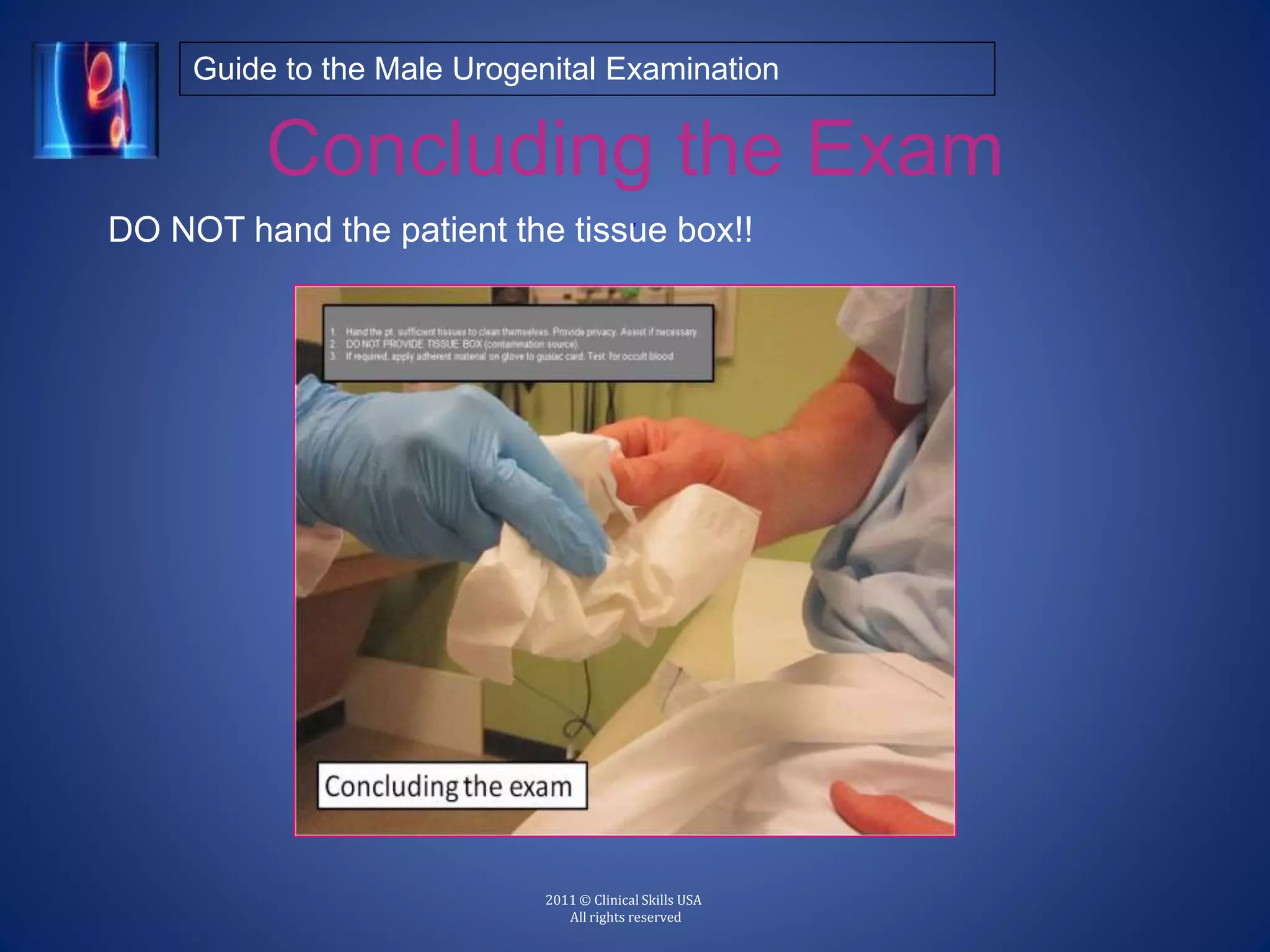
A male examination, often referred to as a routine physical or wellness check-up, is a scheduled medical evaluation designed to assess a man’s overall health status, detect early signs of potential illness, and provide guidance on lifestyle adjustments. These examinations typically integrate physical assessments, laboratory testing, and risk-stratified screenings tailored to an individual’s age, family history, and clinical profile to promote long-term well-being.
The Purpose of Routine Male Examinations
The primary objective of a male examination is not merely to address acute symptoms but to engage in preventive medicine. By the time many chronic conditions—such as hypertension, Type 2 diabetes, or certain malignancies—manifest clear clinical symptoms, they have often progressed to stages that are more difficult to manage.
A scheduled examination serves as a diagnostic baseline. Through regular monitoring of vital signs, blood chemistry, and physical indicators, a healthcare provider can identify subtle, incremental shifts in a patient’s health trajectory. This allows for early intervention, often through diet, exercise, or minor pharmaceutical adjustments, which can prevent the development of more severe systemic diseases. Furthermore, these sessions provide a structured environment for men to discuss sensitive health concerns that might otherwise go unaddressed, including mental health, sexual wellness, and cardiovascular risk.
Preparing for Your Appointment
Preparation is essential to maximize the clinical value of the time spent with a physician. To ensure a productive examination, patients should arrive with a clear summary of their health status.
Essential Documentation and Information
- Medical History: A chronological list of previous surgeries, chronic conditions, and ongoing medical treatments.
- Medication Reconciliation: A comprehensive list of all current prescriptions, over-the-counter medications, vitamins, and herbal supplements, including specific dosages and the frequency of intake.
- Family Medical History: Details regarding first-degree relatives and their history of hereditary conditions such as coronary artery disease, specific cancers, or autoimmune disorders.
- Symptom Log: A brief, objective account of any changes in energy levels, sleep patterns, digestion, or sexual function.
Many clinicians require fasting for 8 to 12 hours prior to an examination if blood panels are scheduled. This ensures accurate glucose and lipid profile readings. Patients should confirm specific fasting requirements with their provider’s office during the appointment scheduling process.
Core Components of the Physical Examination
While the exact content of a male examination varies based on age and health history, most clinical standards include a consistent set of assessments.
Vital Signs and Systemic Screening
The physical assessment begins with standard vital signs: blood pressure, heart rate, respiratory rate, and temperature. These metrics act as immediate indicators of cardiovascular and pulmonary health. A physician will then move to a physical examination, which may involve:
- Cardiovascular assessment: Auscultation of the heart to check for murmurs or irregular rhythms.
- Respiratory assessment: Examination of the lungs to ensure clear breath sounds.
- Abdominal palpation: Checking for organ enlargement or tenderness in the abdomen.
- Dermatological check: A visual inspection of the skin for suspicious moles or lesions, which is particularly important for men with high sun exposure.
Age-Specific Screenings
As men age, the focus of the examination shifts toward screenings that address age-related risks.
| Age Range | Primary Screening Focus |
|---|---|
| 18–39 | Cardiovascular health, testicular health, and mental health screening. |
| 40–49 | Lipid panels, glucose monitoring, and initial prostate risk stratification. |
| 50+ | Colorectal cancer screening, bone density testing, and regular prostate surveillance. |
The Role of Laboratory Testing
Laboratory tests provide the objective data required to support clinical findings. A standard male examination often includes a Complete Blood Count (CBC) and a Comprehensive Metabolic Panel (CMP). The CBC evaluates red and white blood cells and platelets to check for anemia, infection, or blood disorders. The CMP provides a snapshot of kidney function, liver health, and electrolyte balance.
For men, a lipid panel is also critical. This test measures total cholesterol, HDL (high-density lipoprotein), LDL (low-density lipoprotein), and triglycerides. Understanding these levels allows for a calculated assessment of the patient's risk for atherosclerosis and coronary heart disease. Depending on the patient's risk profile, the physician may also order hemoglobin A1c testing to screen for diabetes or pre-diabetes, as elevated blood sugar levels often remain asymptomatic for extended periods.
Specialized Assessments: Prostate and Sexual Health
The prostate is a common focus of the male examination, particularly for men over the age of 50. Screening typically involves a discussion regarding the Prostate-Specific Antigen (PSA) blood test. While the PSA test is a valuable tool, it is not diagnostic on its own and requires nuanced interpretation. High levels of PSA can be caused by benign prostatic hyperplasia (BPH) or prostatitis, as well as malignancy. Consequently, clinicians weigh the potential benefits of screening against the risks of overdiagnosis.
Additionally, sexual health is a legitimate and necessary component of the examination. Erectile dysfunction, a decrease in libido, or concerns regarding urinary function can be indicators of underlying vascular issues or endocrine imbalances. Physicians are equipped to investigate these symptoms, often checking hormone levels such as serum testosterone if clinically indicated by patient history.
Mental Health and Lifestyle Evaluation
In modern clinical practice, the "male examination" has expanded beyond physical anatomy. Mental health—specifically the prevalence of anxiety and depression—is increasingly recognized as a vital aspect of male healthcare. Men are statistically less likely to report symptoms of depression, often manifesting as irritability or physical fatigue rather than sadness. A comprehensive examination provides the space for clinicians to utilize standardized screening tools to assess mental well-being and provide referrals to specialists when necessary.
Lifestyle counseling is the final pillar of the consultation. This includes an assessment of dietary habits, physical activity levels, alcohol consumption, and tobacco use. Physicians use these findings to help the patient establish attainable, evidence-based goals that address specific risk factors identified earlier in the visit.
Next Steps and Follow-Up
The conclusion of the examination is as important as the assessment itself. Patients should leave with a clear understanding of their results. If abnormalities are detected, the physician will outline a plan of action, which may include follow-up testing, referral to a specialist, or a new management plan for chronic conditions.
If no immediate concerns are identified, the provider will recommend a timeline for the next routine check-up. Adhering to this recommended schedule is essential for maintaining a valid health baseline. For those who receive advice regarding lifestyle modifications, the follow-up visit serves as a point of accountability where progress can be reviewed and adjustments can be made to the patient's health strategy.
Frequently Asked Questions
How often should a man have a routine physical examination? For healthy adults, a comprehensive physical is generally recommended once every one to three years, depending on age and risk factors. Once a patient reaches the age of 50, annual examinations become the standard to monitor for age-related health changes.
Is a prostate exam always part of a routine check-up? A digital rectal exam (DRE) is not universally required for every man. The need for a prostate examination is determined by age, family history, and symptoms. Physicians typically discuss the risks and benefits of prostate screening with their patients to reach an informed decision based on the individual’s risk profile.
What should I do if my examination reveals an abnormality? An abnormal result does not necessarily indicate a serious health condition. If a test result is outside the normal range, the physician will perform further investigation or recommend a specialist consultation to clarify the findings. Do not attempt to interpret lab reports independently; wait for the physician's professional assessment.
Are there specific preparations for a lipid panel test? Yes. To ensure the accuracy of a lipid panel, you are usually required to fast—abstaining from food and beverages other than water—for 8 to 12 hours before your blood draw. Always confirm these requirements with your clinic when booking your appointment.
Can a routine exam address mental health issues? Absolutely. Primary care physicians are trained to screen for mental health conditions, including anxiety and depression. Bringing up these concerns during your physical allows for early intervention and support, which is critical for long-term health outcomes.
Recommendation for Action
To take control of your health, start by reviewing your medical records to determine the date of your last comprehensive physical. If it has been more than two years, contact your primary care provider to schedule an appointment. During the call, mention that you would like a "preventive health physical" to ensure the office allocates sufficient time for a thorough evaluation and discussion of your medical history.