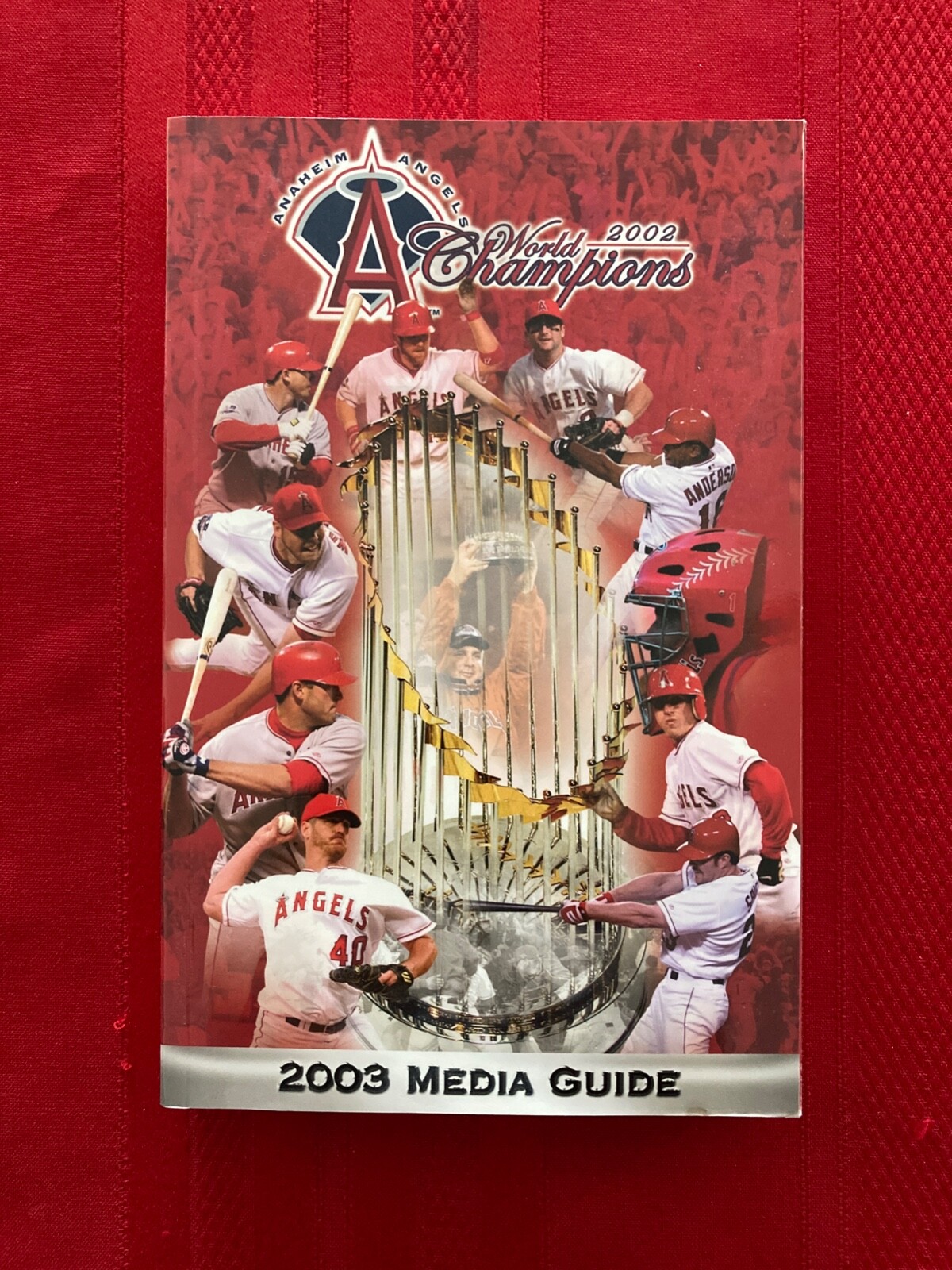
The Anaheim Angels won the 2002 World Series by defeating the San Francisco Giants four games to three in a memorable seven-game Fall Classic. After entering the postseason as the American League Wild Card team, Anaheim mounted a historic Game 6 comeback from a five-run deficit before securing a 4–1 victory in Game 7 to capture the franchise’s first and only World Series championship.
Season Overview: The 2002 Anaheim Angels Wild Card Run
The 2002 Anaheim Angels entered the Major League Baseball season with modest national expectations. Coming off a 75–87 season in 2001, manager Mike Scioscia—in his third year at the helm—built an identity centered around aggressive baserunning, disciplined contact hitting, deep bullpen management, and fundamental defense. This style of play, often referred to as "small ball" or "relentless pressure," contrasted sharply with the home-run-heavy era of the late 1990s and early 2000s.
After a sluggish 6–14 start to the regular season, the Angels staged a dramatic turnaround. Between mid-April and late September, the team put together multiple long winning streaks, eventually finishing with a 99–63 record. Despite winning 99 games, Anaheim finished four games behind the 103-win Oakland Athletics in the American League West. However, their record was more than sufficient to secure the American League Wild Card spot.
- Regular Season Record: 99–63 (.611)
- Postseason Qualification: AL Wild Card
- ALDS Result: Defeated New York Yankees (3–1)
- ALCS Result: Defeated Minnesota Twins (4–1)
- World Series Result: Defeated San Francisco Giants (4–3)
In the postseason, Anaheim faced formidable competition before reaching the World Series. In the American League Division Series (ALDS), the Angels eliminated the four-time reigning AL champion New York Yankees in four games, powered by an explosive offense that posted 31 runs over the final three games of the series. They followed that performance by taking down the Minnesota Twins four games to one in the American League Championship Series (ALCS), earning the franchise’s first World Series berth in its 42-year history.
Roster Dynamics and Key Contributors
The success of the 2002 Angels relied on a balanced roster rather than a single superstar. While the opposing San Francisco Giants featured Barry Bonds—who was in the middle of one of the most dominant individual stretches in baseball history—the Angels countered with depth across their entire lineup and pitching staff.
2002 Anaheim Angels Core Stars:
- Everyday Lineup:
- Troy Glaus (3B)
- Garret Anderson (LF)
- Darin Erstad (CF)
- Tim Salmon (RF)
- Scott Spiezio (1B)
- Pitching & Bullpen:
- Jarrod Washburn (LHP)
- John Lackey (RHP Rookie)
- Francisco Rodríguez (RHP)
- Troy Percival (Closer)
The Offense
- Troy Glaus (3B): Provided elite power in the middle of the order. Glaus hit 30 home runs during the regular season and delivered an extraordinary postseason performance, hitting seven home runs across three series.
- Garret Anderson (LF): The team's primary run producer, driving in 123 runs during the regular season while batting .305. Anderson possessed an exceptional ability to make contact with runners in scoring position.
- Darin Erstad (CF): The emotional leader of the squad, playing relentless defense in center field and leading off the lineup with high-energy at-bats.
- Tim Salmon (RF): Long considered the "Face of the Franchise," Salmon had spent ten seasons in Anaheim without a single playoff appearance. His veteran leadership and middle-of-the-order power were crucial to the team's postseason run.
- Scott Spiezio (1B): A clutch utility player who posted a career year, driving in 82 runs during the regular season and delivering pivotal hits throughout October.
The Pitching Staff
- Jarrod Washburn (LHP): Anchored the starting rotation with an 18–6 record and a 3.15 ERA during the regular season, finishing fourth in AL Cy Young Award voting.
- John Lackey (RHP): A rookie called up mid-season who quickly established himself as a durable, fierce competitor in the rotation.
- Francisco "K-Rod" Rodríguez (RHP): A 20-year-old rookie called up in September who became the breakout star of the postseason. Rodríguez posted a 5–1 record out of the bullpen in October, baffling hitters with a high-velocity fastball and a sharp slider.
- Troy Percival (RHP): The team's veteran closer who anchored the ninth inning with high heat, going a perfect 7-for-7 in save opportunities during the postseason.
The 2002 World Series Matchup: Anaheim Angels vs. San Francisco Giants
The 2002 World Series made history as the first Fall Classic played between two Wild Card teams. The San Francisco Giants, led by manager Dusty Baker, had won 95 games during the regular season and defeated the Atlanta Braves and St. Louis Cardinals to win the National League pennant.
The matchup highlighted contrasting roster construction styles:
- San Francisco Giants: Centered around slugger Barry Bonds, supported by strong veterans like Jeff Kent, Rich Aurilia, and veteran starter Livan Hernandez, alongside closer Robb Nen.
- Anaheim Angels: Focused on depth, contact hitting, relentless baserunning pressure, and a bullpen designed to shorten games to six innings.
The fan culture in Anaheim during this postseason became famous for two distinct traditions: the pounding of red plastic "ThunderStix" provided to stadium attendees, and the appearance of the "Rally Monkey"—a video clip from the movie Ace Ventura: Pet Detective played on the Edison Field JumboTron to ignite late-game comebacks.
Game-by-Game World Series Breakdown
The 2002 World Series was a high-scoring, volatile seven-game series where momentum shifted rapidly between Anaheim and San Francisco.
| Game | Date | Venue | Winner | Score | Winning Pitcher | Losing Pitcher | Save | Key Highlight |
|---|---|---|---|---|---|---|---|---|
| Game 1 | Oct 19 | Edison Field (Anaheim) | Giants | 4–3 | Jason Schmidt | Jarrod Washburn | Robb Nen | Barry Bonds hits HR in first career World Series AB. |
| Game 2 | Oct 20 | Edison Field (Anaheim) | Angels | 11–10 | Francisco Rodríguez | Felix Rodríguez | Troy Percival | Tim Salmon hits two home runs, including go-ahead shot in 8th. |
| Game 3 | Oct 22 | Pacific Bell Park (SF) | Angels | 10–4 | Ramon Ortiz | Livan Hernandez | None | Angels score 4 runs in 3rd inning; Glaus hits 2-run HR. |
| Game 4 | Oct 23 | Pacific Bell Park (SF) | Giants | 4–3 | Tim Worrell | Francisco Rodríguez | Robb Nen | David Bell singles home go-ahead run in bottom of 8th. |
| Game 5 | Oct 24 | Pacific Bell Park (SF) | Giants | 16–4 | Chad Zerbe | Jarrod Washburn | None | Giants hit 16 runs; Jeff Kent hits two HRs in blowout victory. |
| Game 6 | Oct 26 | Edison Field (Anaheim) | Angels | 6–5 | Francisco Rodríguez | Felix Rodríguez | Troy Percival | Angels erase 5–0 7th-inning deficit with Spiezio & Glaus hits. |
| Game 7 | Oct 27 | Edison Field (Anaheim) | Angels | 4–1 | John Lackey | Livan Hernandez | Troy Percival | Rookie Lackey pitches 5+ strong innings; Anderson clears bases. |
Game 1: Giants 4, Angels 3
Playing in front of a home crowd in Anaheim, the Angels dropped Game 1. San Francisco star Barry Bonds homered in his very first World Series at-bat off Anaheim starter Jarrod Washburn. Additional home runs by Reggie Sanders and J.T. Snow gave Giants starter Jason Schmidt enough run support to secure a 4–3 victory, despite a late home run by Troy Glaus.
Game 2: Angels 11, Giants 10
Game 2 developed into an offensive shootout featuring 21 combined runs and 28 hits. Both starting pitchers struggled, but Anaheim’s offense kept pace with San Francisco's power output. Veteran outfielder Tim Salmon put together a career night, hitting two home runs, including a dramatic two-run shot off Felix Rodríguez in the bottom of the eighth inning. Troy Percival shut the door in the ninth to level the series at 1–1.
Game 3: Angels 10, Giants 4
As the series shifted to Pacific Bell Park in San Francisco, Anaheim’s lineup dominated Game 3. The Angels struck early, building a 4–1 lead in the third inning against Giants starter Livan Hernandez. Anaheim third baseman Troy Glaus added a two-run homer, and starting pitcher Ramon Ortiz held the Giants in check over five innings. The Angels took a 2–1 series lead with a convincing 10–4 win.
Game 4: Giants 4, Angels 3
Game 4 was a tightly contested tactical battle. Barry Bonds was repeatedly walked or pitching-avoided, but the Giants leveraged timely hitting from the rest of their order. With the score tied 3–3 in the bottom of the eighth inning, Giants third baseman David Bell hit a RBI single to drive in Shawon Dunston. Closer Robb Nen picked up his second save of the series, evening the series at two games apiece.
Game 5: Giants 16, Angels 4
San Francisco dominated Game 5 in front of their home fans, blowing out the Angels 16–4. Second baseman Jeff Kent drove in four runs with two home runs, while J.T. Snow added two RBIs. Anaheim starter Jarrod Washburn surrendered six runs in just four innings. The defeat put the Angels on the brink of elimination, returning to Anaheim trailing three games to two.
Turning Points: The Historic Game 6 Comeback and Game 7 Victory
Game 6: The Comeback for the Ages
Game 6 of the 2002 World Series is remembered as one of the most famous comebacks in Major League Baseball history.
Entering the bottom of the seventh inning at Edison Field, the Angels trailed 5–0. Giants starter Russ Ortiz had dominated Anaheim’s lineup, pitching 6.1 shutout innings. After recording one out in the seventh, Dusty Baker removed Ortiz from the game and handed him the game ball—a gesture widely debated by fans and commentators in subsequent years.
Game 6 Comeback Sequence (Bottom 7th & 8th Innings):
Bottom 7th: Scott Spiezio hits 3-run HR off Felix Rodríguez (5–3 Giants)
Bottom 8th: Darin Erstad hits lead-off solo HR off Tim Worrell (5–4 Giants)
Bottom 8th: Troy Glaus hits 2-run double off Robb Nen (6–5 Angels)
Top 9th: Troy Percival secures final 3 outs (Angels Win)
Scott Spiezio's Home Run: With runners on first and second and two outs in the bottom of the seventh, first baseman Scott Spiezio worked an eight-pitch at-bat against reliever Felix Rodríguez. Spiezio pulled a line drive down the right-field line that cleared the wall for a three-run home run, cutting San Francisco's lead to 5–3 and re-energizing the crowd.
Darin Erstad's Home Run: Leading off the bottom of the eighth inning, center fielder Darin Erstad launched a solo home run off reliever Tim Worrell, pulling Anaheim within one run at 5–4.
Troy Glaus's Go-Ahead Double: After hits by Tim Salmon and Garret Anderson placed runners on the corners, Giants closer Robb Nen entered to face Troy Glaus. Glaus lined a deep double over center fielder Kenny Lofton’s head, scoring two runs to give the Angels a 6–5 lead.
Troy Percival Closes It Out: Percival pitched a scoreless top of the ninth inning, securing a 6–5 victory and forcing a deciding Game 7.
Detailed play-by-play statistics and official game logs for Game 6 are preserved in the official record archives at Baseball-Reference.
Game 7: Rookie John Lackey and the Championship Victory
On October 27, 2002, Anaheim hosted Game 7. Mike Scioscia handed the starting assignment to 24-year-old rookie right-hander John Lackey, while the Giants started veteran Livan Hernandez.
| Team | 1 | 2 | 3 | 4 | 5 | 6 | 7 | 8 | 9 | R | H | E |
|---|---|---|---|---|---|---|---|---|---|---|---|---|
| SF Giants | 0 | 1 | 0 | 0 | 0 | 0 | 0 | 0 | 0 | 1 | 6 | 0 |
| Anaheim Angels | 0 | 0 | 3 | 0 | 0 | 0 | 0 | 0 | X | 4 | 5 | 1 |
San Francisco opened the scoring in the top of the second inning when Dunston hit an RBI single. However, Anaheim responded immediately in the bottom of the third inning. With the bases loaded and one out, left fielder Garret Anderson lined a bases-clearing three-run double into the right-field corner, driving in Chone Figgins, Darin Erstad, and Tim Salmon to give the Angels a 4–1 lead.
John Lackey pitched 5.0 solid innings, allowing just one run on six hits while striking out four batters. By doing so, Lackey became the first rookie pitcher to win a World Series Game 7 since Babe Adams accomplished the feat for the Pittsburgh Pirates in 1909.
Following Lackey’s departure, the Angels bullpen locked down the remaining four innings:
- Ben Weber: Pitched a scoreless 6th inning.
- Scott Schoeneweis: Retired a key batter.
- Francisco Rodríguez: Pitched a scoreless 7th and 8th inning.
- Troy Percival: Came on in the 9th inning, retiring Kenny Lofton on a flyout to Darin Erstad in center field for the final out of the championship.
Detailed historical box scores for Game 7 are available through the official National Baseball Hall of Fame research archives.
Postseason MVP and Key Series Statistics
Third baseman Troy Glaus was awarded the World Series Most Valuable Player (MVP) award. Glaus batted .385 with three home runs, two doubles, and eight RBIs during the seven-game series, capstone to a postseason run where he hit seven total home runs.
Troy Glaus 2002 World Series Performance:
- Batting Average: .385
- Home Runs: 3
- Runs Batted In (RBI): 8
- On-Base Percentage (OBP): .467
- Slugging Percentage (SLG): .846
Key Statistical Highlights of the 2002 World Series
- Barry Bonds (Giants): Despite losing the series, Bonds had a statistically historical Fall Classic, reaching base in 21 of his 30 plate appearances. He batted .471 with four home runs, six RBIs, and 13 walks (seven intentional).
- Francisco Rodríguez (Angels): Set a Major League Baseball record for the most wins by a reliever in a single postseason (5), posting 23 strikeouts across 18.2 postseason innings.
- Total Runs Scored: The two teams combined to score 85 total runs across seven games, establishing a new record for the highest-scoring World Series in history at the time.
Historical Significance and Franchise Legacy
The 2002 World Series victory represents a singular milestone in the history of the Angels franchise. Founded in 1961 as an expansion team by Gene Autry, the franchise had experienced four decades of regular-season success punctuated by heartbreaking postseason collapses (most notably in the 1982 and 1986 ALCS).
Identity and Name Evolution
At the time of their 2002 championship, the team was officially known as the Anaheim Angels, having changed their name from the California Angels in 1997 following a stadium renovation deal with the City of Anaheim. In 2005, owner Arturo Moreno altered the team name to the Los Angeles Angels of Anaheim, which eventually transitioned into the current Los Angeles Angels.
Despite subsequent roster evolutions—including the later arrivals of global superstars like Mike Trout and Shohei Ohtani—the 2002 team remains the only roster in franchise history to win a World Series title.
Evolution of Franchise Names:
- 1961–1965: Los Angeles Angels
- 1965–1996: California Angels
- 1997–2004: Anaheim Angels (2002 World Series Champion)
- 2005–2015: Los Angeles Angels of Anaheim
- Present: Los Angeles Angels
The 2002 champion Angels established a blueprint for how a deep, fundamentally sound Wild Card team could dismantle heavily favored opponents through bullpen depth, low strikeout rates, and timely situational hitting.
Frequently Asked Questions
Who was the manager of the Anaheim Angels when they won the World Series in 2002?
Mike Scioscia managed the 2002 Anaheim Angels. Scioscia, a former Catcher for the Los Angeles Dodgers, won Manager of the Year honors in 2002 and went on to manage the Angels for 19 seasons (2000–2018), becoming the winningest manager in franchise history.
Who won the World Series MVP in 2002?
Third baseman Troy Glaus won the 2002 World Series MVP Award. Glaus hit .385 with three home runs, two doubles, and eight RBIs in the seven games against San Francisco, including the game-winning hit in Game 6.
How did the Rally Monkey become associated with the 2002 Angels?
The "Rally Monkey" originated on June 6, 2000, when stadium operators displayed a clip of a jumping monkey from the movie Ace Ventura: Pet Detective on the scoreboard to rally the crowd during a comeback victory over the San Francisco Giants. By 2002, the clip—accompanied by the words "Rally Time"—became an iconic stadium phenomenon credited with igniting late-inning comebacks.
What was the key turning point in Game 6 of the 2002 World Series?
The key turning point occurred in the bottom of the seventh inning when Scott Spiezio hit a three-run home run off San Francisco reliever Felix Rodríguez with two outs. The home run cut a 5–0 Giants lead down to 5–3, sparking a six-run unanswered scoring stretch by Anaheim over the 7th and 8th innings.
Has the Angels franchise won any other World Series championships?
No. The 2002 title remains the only World Series championship won by the Angels franchise since its inception in 1961. The team reached the ALCS in 2005 and 2009 but did not return to the World Series.
Practical Summary for Baseball Researchers and Fans
To analyze or rewatch the 2002 World Series from a historical or tactical perspective, focus on three key structural elements of the series:
- Bullpen Usage: Examine how Mike Scioscia utilized setup reliever Francisco Rodríguez and closer Troy Percival to lock down games starting in the 7th inning.
- Contact Hitting vs. Power: Compare how Anaheim minimized strikeout rates against San Francisco's pitching staff while Barry Bonds generated isolated power opportunities.
- In-Game Momentum: Study Game 6 sequentially from the 7th inning onward to understand modern high-leverage pitching relief decisions under extreme postseason stress.
For complete game film and officially licensed historical archives, consult the official historical video vaults hosted by MLB.com.