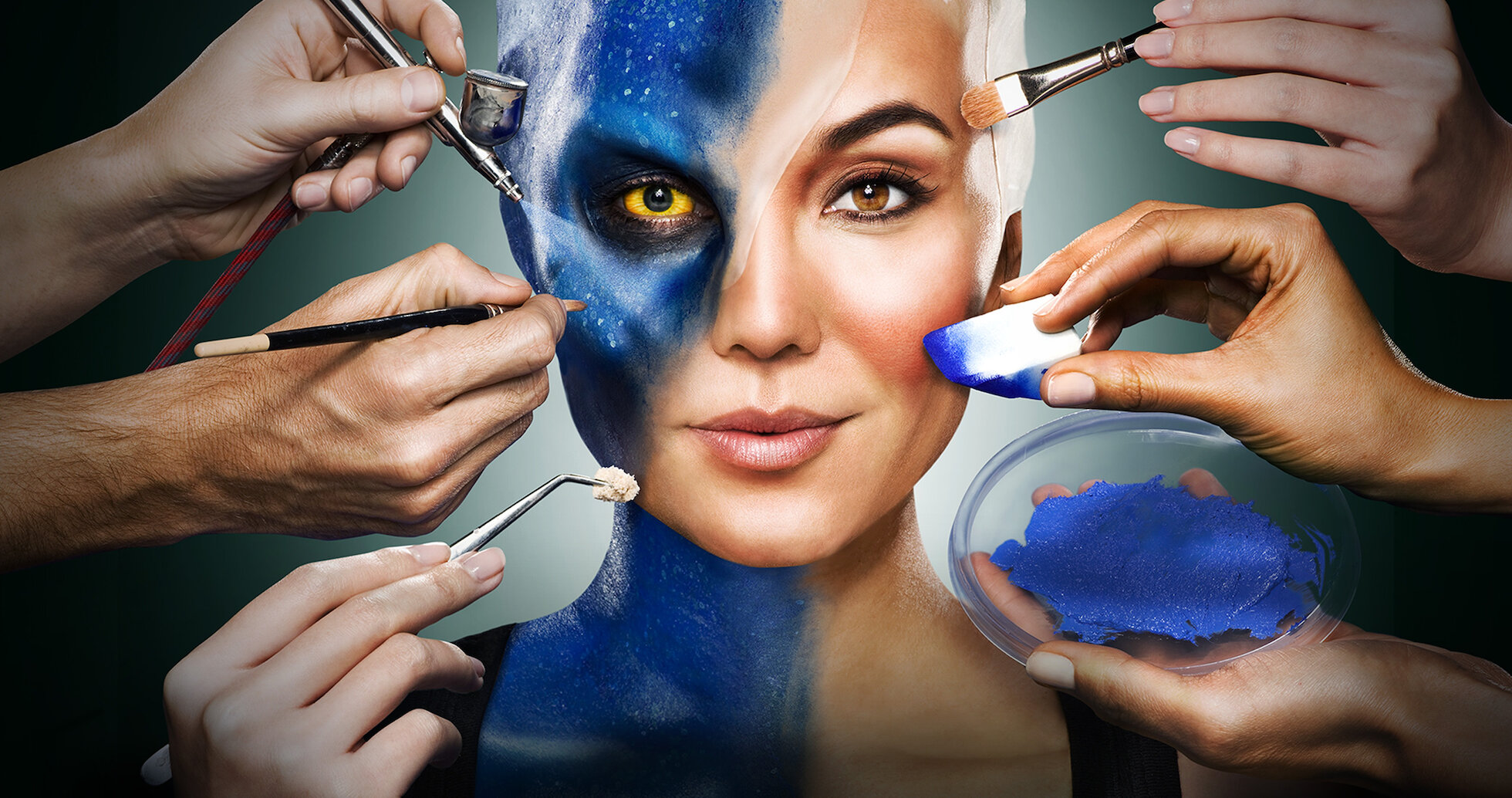
The "About Face" television series on TLC was a pioneering reality makeover program that documented the emotional and physical transformation of individuals undergoing plastic surgery. Distinct from later aesthetic modification shows, the series explored the psychological motivations behind patients seeking dramatic surgical interventions, combining clinical realities with personal narratives of self-image and renewal.
Origins and Premise of "About Face" on TLC
The late 1990s and early 2000s marked a significant cultural shift in television programming, characterized by the rise of lifestyle enhancement and reality television. During this era, The Learning Channel (TLC) evolved from an educational and instructional programming network into a dominant force in lifestyle and reality entertainment. Within this strategic shift, "About Face" emerged as a prominent entry in the medical makeover subgenre.
The primary premise of the show centered on individuals who were profoundly dissatisfied with their facial features due to congenital conditions, injuries, the natural aging process, or severe psychological distress linked to their physical appearance. Rather than focusing solely on superficial vanity, the series attempted to frame cosmetic surgery as a tool for psychological restoration. Each episode followed one or more participants through consultations with board-certified plastic surgeons, the surgical procedures themselves, the arduous recovery periods, and the ultimate unveiling of the final results to family, friends, and the television audience.
The show's production style relied heavily on dramatic tension, contrasting the patients' pre-surgical insecurities with the clinical precision of the operating room. By detailing the medical mechanics of procedures such as rhytidectomy (facelifts), rhinoplasty (nose reshaping), blepharoplasty (eyelid surgery), and reconstructive jaw surgery, "About Face" served as both an emotional human interest program and an educational window into elective medical technology.
The Evolution of Medical Makeover Television on TLC
To understand the specific cultural footprint of "About Face," it is necessary to examine its position within TLC's broader programming lineage. Before the network became synonymous with sprawling family chronicles and unconventional relationship series, it frequently broadcasted programs that examined human biology, medical oddities, and surgical advancements.
"About Face" occupied a middle ground between clinical documentary programming and commercial entertainment. While earlier medical shows on cable television adopted a detached, academic tone, "About Face" prioritized individual narrative arcs, emotional vulnerability, and interpersonal dynamics. This format laid structural groundwork for subsequent TLC megahits such as "Extreme Makeover" (which migrated to ABC) and "The Swan," as well as specialized surgical series like "Dr. Pimple Popper" or "My 600-lb Life."
However, "About Face" maintained a distinct focus on the face as the primary site of identity and social interaction. Because facial features are central to human communication and self-perception, alterations to this region carried profound psychological weight. The series frequently underscored the emotional stakes of surgery, highlighting how participants hoped a physical transformation would alleviate years of social anxiety, bullying, or professional stagnation.
Clinical Realities and Ethical Considerations Explored on Screen
A defining characteristic of "About Face" was its integration of medical professionals into the narrative structure. Plastic surgeons featured on the program were presented not merely as technicians, but as counselors and gatekeepers. Episodes regularly featured consultations where surgeons evaluated whether a patient's expectations were realistic and whether they possessed the emotional resilience required to withstand major surgery and recovery.
Pre-Surgical Psychological Screening
One of the most valuable structural elements of the show was its depiction of the evaluation phase. Ethical plastic surgery requires a thorough assessment of psychological stability, ensuring that patients are seeking procedures for themselves rather than to satisfy a partner or remedy deep-seated emotional trauma that surgery cannot fix. "About Face" occasionally exposed the friction between patient desires and surgical ethics, showing instances where doctors advised against specific procedures or recommended psychological counseling before moving forward.
Surgical Procedures Highlighted
The series provided viewers with detailed explanations of common and complex facial operations. The table below outlines the primary surgical interventions frequently featured on the program, along with their clinical definitions and standard recovery expectations as depicted during the show's broadcast era.
| Procedure Name | Clinical Definition / Target Area | Typical Recovery Timeline | Primary Patient Motivation on Show |
|---|---|---|---|
| Rhinoplasty | Surgical reshaping of the bone and cartilage of the nose. | 1 to 3 weeks for initial swelling and splint removal; months for final contouring. | Correction of congenital deformities, injury aftermath, or chronic self-consciousness. |
| Rhytidectomy | Facelift procedure involving the removal of excess facial skin and tightening of underlying tissues. | 2 to 4 weeks of visible bruising and swelling; activity restrictions. | Reversal of advanced aging signs to restore youthful professional or personal appearance. |
| Blepharoplasty | Removal or redistribution of fat, muscle, and skin from the upper and lower eyelids. | 10 to 14 days for suture removal and subsidence of primary bruising. | Elimination of drooping eyelids, impaired vision, or chronic "tired" appearance. |
| Reconstructive Jaw Surgery | Realignment of the jaw bones to correct functional malocclusion and facial asymmetry. | 6 weeks to several months for bone healing and dietary progression. | Correction of severe structural anomalies affecting breathing, speech, and facial balance. |
Cultural Impact and Audience Reception
When "About Face" aired, it captured a significant segment of the viewing public that was increasingly fascinated by the democratization and commercialization of cosmetic enhancement. By demystifying surgical procedures that were once restricted to the wealthy or secretive, the show contributed to the broader mainstreaming of plastic surgery in contemporary culture.
Critics and media analysts often debated the societal implications of shows like "About Face." On one hand, advocates argued that the program empowered individuals by giving them agency over their bodies, helping them overcome debilitating self-esteem issues caused by physical anomalies or aging. On the other hand, cultural critics expressed concern that such programming normalized unrealistic aesthetic standards, promoted the commodification of human appearance, and suggested that complex psychological distress could be resolved through surgical intervention alone.
Despite these ongoing debates, the show remained a notable artifact of early 2000s television, reflecting changing attitudes toward body modification, medical transparency, and personal reinvention.
Frequently Asked Questions
What was the main premise of the TLC show "About Face"?
The show documented individuals undergoing transformative facial plastic surgery, exploring both the physical mechanics of the medical procedures and the emotional journeys of patients seeking to alter their appearance to overcome personal insecurities or physical trauma.
How did "About Face" differ from other makeover shows?
Unlike lifestyle makeover programs focused exclusively on wardrobe, hair, and cosmetics, "About Face" featured permanent, invasive surgical interventions performed by board-certified plastic surgeons, requiring extensive medical evaluation and physical recovery.
What types of procedures were most commonly featured?
Episodes frequently highlighted rhinoplasty, facelifts, eyelid surgery, scar revision, and corrective jaw surgery, showcasing the specific clinical challenges and recovery processes associated with each operation.
Did the show address the psychological aspects of plastic surgery?
Yes, the series regularly incorporated pre-surgical consultations where surgeons evaluated patients' mental readiness, motivations, and expectations to ensure they were psychologically prepared for the realities of surgical transformation.
Where can I watch episodes of "About Face" today?
Availability on streaming platforms varies over time due to licensing agreements. Viewers can check major digital video-on-demand marketplaces or official network streaming archives to see if legacy episodes are currently syndicated.
Conclusion and Legacy
"About Face" on TLC remains a compelling case study in the evolution of reality and medical television. By balancing clinical education with deeply personal narratives, the series offered a detailed look at the intersection of modern surgery and human identity. While aesthetic television has evolved significantly in the decades since its broadcast, "About Face" established narrative conventions that continue to influence how medical transformation is presented to television audiences today.