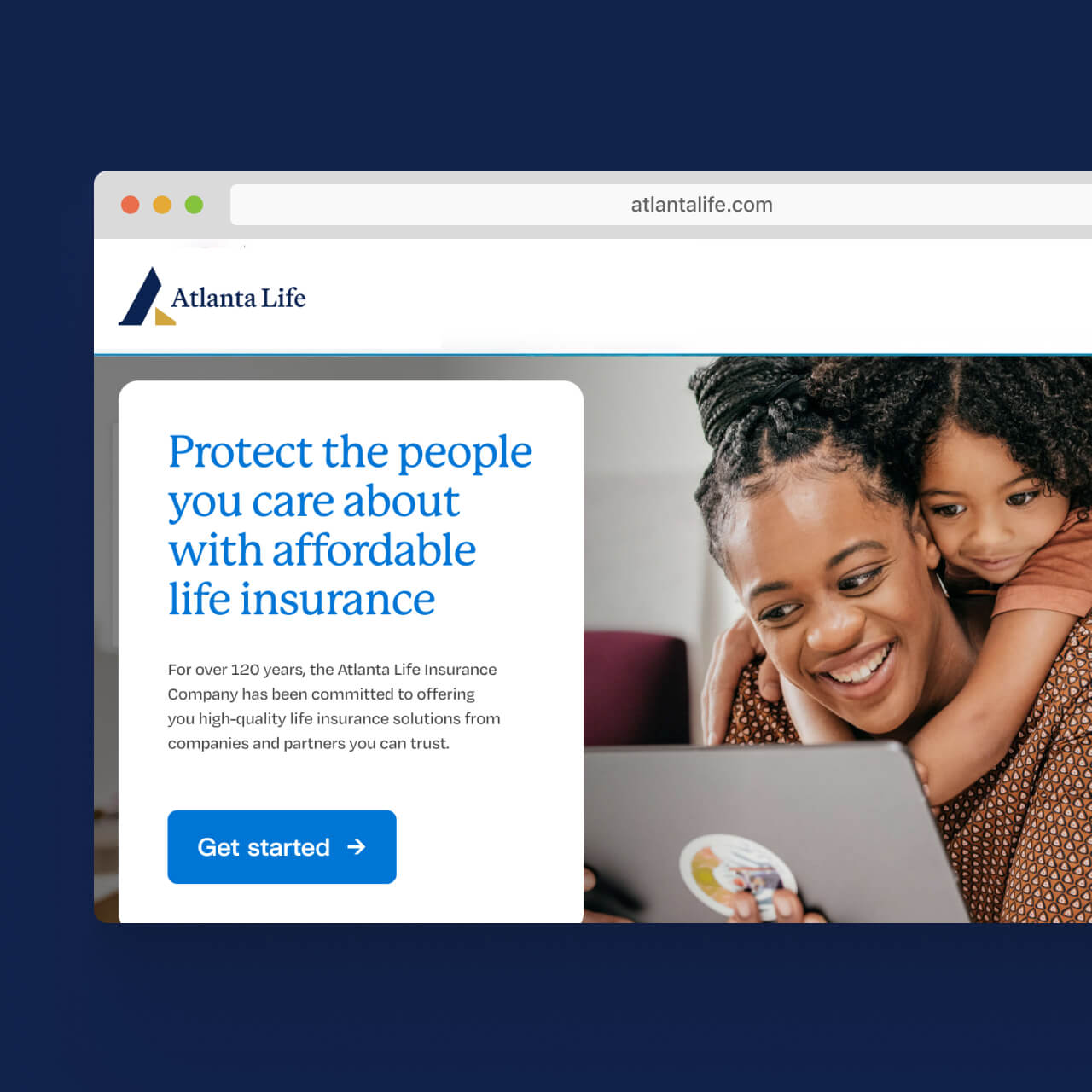
If you have received a letter regarding an unclaimed policy or an urgent premium notice from an entity claiming to be Atlanta Life Insurance, you should exercise extreme caution. These mailings are often sophisticated scams designed to harvest your personal information or solicit "processing fees" for non-existent benefits. To protect yourself, never provide financial details or Social Security numbers via mail; instead, verify the policy's status through the official Georgia Department of Insurance or the National Association of Insurance Commissioners (NAIC).
Understanding the Atlanta Life Insurance Brand and Its Appeal to Scammers
The Atlanta Life Insurance Company is a historic and legitimate institution with deep roots in the American financial landscape. Founded in 1905 by Alonzo Herndon, a formerly enslaved man who became Atlanta’s first African American millionaire, the company has represented stability and community progress for over a century. However, it is precisely this long-standing reputation for reliability that makes the brand a prime target for impersonation by fraudsters.
In 2026, mail-based scams continue to use the names of reputable, older insurance companies because these brands often have "orphan policies"—life insurance contracts where the company has lost contact with the policyholder or the beneficiaries. Scammers capitalize on the possibility that a deceased relative might have held a policy decades ago. By using the Atlanta Life name, scammers tap into a sense of historical trust and the very real likelihood that families in the Southeast may have ancestral links to the company.
Common Tactics Used in the Atlanta Life Insurance Mail Scam
Fraudulent mailings are becoming increasingly difficult to distinguish from official correspondence. Scammers use high-quality stationery, official-looking seals, and legalistic language to create a sense of urgency or windfall. Understanding the specific "hooks" used in these letters is the first step in defense.
The "Unclaimed Death Benefit" Hook
This is the most frequent variation of the scam. The recipient receives a letter stating that the company has identified them as the beneficiary of a long-lost life insurance policy. The letter typically quotes a significant sum—often between $25,000 and $100,000—to grab the reader's attention. To "release" these funds, the recipient is asked to provide a copy of their driver’s license, Social Security number, and a "small administrative fee" or "tax clearance deposit." Legitimate insurance companies never require a beneficiary to pay a fee upfront to receive a death benefit.
The "Premium Overdue" Tactic
This tactic targets current or former policyholders. The mailer claims that a policy is at risk of lapsing due to unpaid premiums. It may offer a "limited-time reinstatement" if the recipient sends a check or provides bank routing information immediately. These letters often use aggressive language, warning that the "entire cash value will be forfeited" if action is not taken within 48 to 72 hours.
The "Policy Update" or "Settlement" Notice
Some scammers send mailings disguised as mandatory policy updates required by new 2026 federal regulations or state insurance department mandates. They may claim that a recent "class-action settlement" or "corporate restructuring" entitles the recipient to a payout or a lower premium, provided they "verify" their account details by returning a form containing sensitive PII (Personally Identifiable Information).
Red Flags: How to Spot a Fraudulent Letter
While scammers are sophisticated, they almost always leave "tells" that indicate the mailing is not legitimate. In the insurance industry, regulatory standards dictate how companies must communicate with the public.
- Generic Salutations: Legitimate correspondence regarding a specific life insurance policy will almost always include the policy number and the specific name of the insured party. Scams often use "Dear Beneficiary" or "To the Estate of [Last Name]."
- Requests for Wire Transfers or Prepaid Cards: No legitimate insurance company, including Atlanta Life, will ever ask you to pay a fee via Wire Transfer, Zelle, cryptocurrency, or prepaid debit cards.
- Inconsistent Branding: Look closely at the logo and the return address. Scammers often use addresses that are P.O. Boxes in different states or residential addresses that do not match the official corporate headquarters.
- High-Pressure Deadlines: Fraudsters rely on fear and urgency. If a letter threatens "immediate forfeiture" without a standard 30-day grace period (which is legally mandated in most jurisdictions), it is likely a scam.
- Poor Grammar and Formatting: While some scams are professional, many contain subtle spelling errors, awkward phrasing, or mismatched fonts that an official corporate legal department would never permit.
Comparing Legitimate vs. Fraudulent Insurance Mail
The following table outlines the key differences between a standard, regulated communication from a life insurance carrier and a fraudulent mailing.
| Feature | Legitimate Correspondence | Fraudulent/Scam Mailing |
|---|---|---|
| Return Address | Official corporate office or known regional hub. | P.O. Box, residential address, or out-of-state "processing center." |
| Policy Details | Includes specific policy numbers and dates of coverage. | Vague references to "unclaimed assets" or "lost policies." |
| Payment Method | Standard billing via check, EFT, or official online portal. | Requests for wire transfers, gift cards, or "tax fees." |
| Identification | May ask for a death certificate (if claiming a benefit). | Demands Social Security Number and ID upfront before "processing." |
| Tone | Professional, regulatory-compliant, and informative. | Alarmist, urgent, or overly "congratulatory" about a windfall. |
| Contact Info | Direct lines to customer service and claims departments. | Often provides a single "claims agent" number or no number at all. |
Steps to Take If You Receive a Suspicious Letter
If you receive mail that raises these red flags, do not discard it immediately, as it may be useful for evidence, but do not respond to the instructions in the letter. Follow these verification steps instead:
- Do Not Call the Number Provided: If the letter is a scam, the phone number listed will lead directly to the fraudsters. They may have a professional-sounding "claims department" set up to deceive you further.
- Contact the Official Company Directly: Look up the official website for Atlanta Life Insurance or its current parent/successor entity. Use the contact information found on their official, secure website (look for the "https" and lock icon) to inquire about the mailing.
- Verify with the State Insurance Commissioner: Every state has a Department of Insurance (DOI). In Georgia, you can contact the Office of Commissioner of Insurance and Safety Fire. They maintain records of all licensed insurers and can verify if a specific solicitation is part of a known fraud ring.
- Use the NAIC Policy Locator: If you believe you truly are a beneficiary of a lost policy, use the National Association of Insurance Commissioners (NAIC) Life Insurance Policy Locator Service. This is a free, secure tool that allows you to submit a request to all participating companies to search for policies in the name of a deceased loved one.
How the Search Process Works for Legitimate Unclaimed Policies
It is important to note that unclaimed life insurance is a real phenomenon. However, the process for claiming these funds is strictly regulated and does not involve "finders' fees" paid to the insurance company.
When a life insurance company becomes aware that a policyholder has passed away (often through the Social Security Administration's Death Master File), they are legally required to attempt to locate the beneficiaries. If the beneficiaries cannot be found after a certain period (defined by state "escheatment" laws), the funds are turned over to the State Treasurer’s Unclaimed Property Division.
In 2026, the proper way to search for these funds is through the state’s official unclaimed property website (e.g., Georgia’s "Great Georgia Treasure Hunt") or the multi-state database MissingMoney.com. These services are free. If a letter asks you to pay to "search" or "unlock" these funds, it is a scam.
Legal Protections and Reporting Scams in 2026
The fight against mail fraud is governed by several federal and state laws. The U.S. Postal Inspection Service (USPIS) is the primary agency responsible for investigating crimes that use the mail system to defraud consumers.
Why Reporting Matters
Reporting a scam mailing helps authorities track the "postmark" or "permit imprint" on the envelope. This information allows investigators to identify where the mailings are being generated and which bulk-mail services the scammers are exploiting. Even if you did not lose money, reporting the attempt can prevent others—particularly vulnerable seniors—from falling victim.
Where to Report
- Federal Trade Commission (FTC): Report via their online portal for consumer fraud. The FTC tracks patterns of scams to coordinate with law enforcement.
- U.S. Postal Inspection Service: File a "Mail Fraud" report if you received the solicitation through the USPS.
- State Attorney General: Most state AG offices have a consumer protection division that handles insurance-related fraud.
The Role of PII in Modern Mail Scams
A common question is: "Why would they send a letter just to get my information if they don't ask for money immediately?" In 2026, PII is a valuable commodity on the dark web. By confirming your name, address, and Social Security number, scammers can:
- Open fraudulent credit card accounts.
- File false tax returns to claim your refund.
- Engage in "synthetic identity theft," where they combine your real SSN with a fake name to create a new credit profile.
The Atlanta Life Insurance mail scam is often just the "top of the funnel" for a much larger identity theft operation. Protecting your data is just as important as protecting your cash.
Practical Recommendation: The "Verify Before You Comply" Rule
The most effective way to handle any insurance-related mailing is to adopt a policy of non-compliance until independent verification is complete. If you receive a letter from "Atlanta Life Insurance":
- Check the envelope: Look for a "presorted standard" marking. Official legal notices regarding benefits are often sent via First-Class mail.
- Verify the entity: Ensure the company still exists in the form described. Over decades, many insurance companies merge or are acquired. A letter using an outdated logo or an old corporate address is a major red flag.
- Consult a Professional: If you are unsure, show the letter to a trusted financial advisor or an attorney. They can often spot the legal inconsistencies that suggest fraud.
FAQ: Common Questions About Atlanta Life Insurance Mailings
Can I be arrested for ignoring a "Final Notice" regarding an insurance policy? No. Life insurance is a private contract. Failure to respond to a notice regarding a policy—even a legitimate one—is not a criminal offense. At worst, a legitimate policy might lapse or the funds might be sent to the state's unclaimed property division. Any letter threatening legal action or arrest for "failure to claim" is a scam.
Why did I get this letter if I never lived in Atlanta or Georgia? Scammers buy mailing lists that include thousands of names across the country. They don't necessarily know if you have a connection to Atlanta Life; they are simply "casting a wide net." Additionally, because Atlanta Life was a major provider for African American families nationally for much of the 20th century, scammers target diverse zip codes across the U.S.
Does Atlanta Life Insurance Company still issue new policies in 2026? The corporate structure of historic insurance companies often changes. While the brand name may persist through subsidiary arrangements or management by larger groups (such as Atlanta Life Financial Group), you should always check the Georgia Department of Insurance to see which entity currently holds the certificate of authority to service those policies.
What should I do if I already sent money or info to a scammer? First, freeze your credit with the three major bureaus (Equifax, Experian, and TransUnion) to prevent identity theft. If you paid by check or wire, notify your bank immediately to see if the transaction can be reversed or the account closed. Finally, file a police report to document the fraud, which you will need if you become a victim of identity theft.