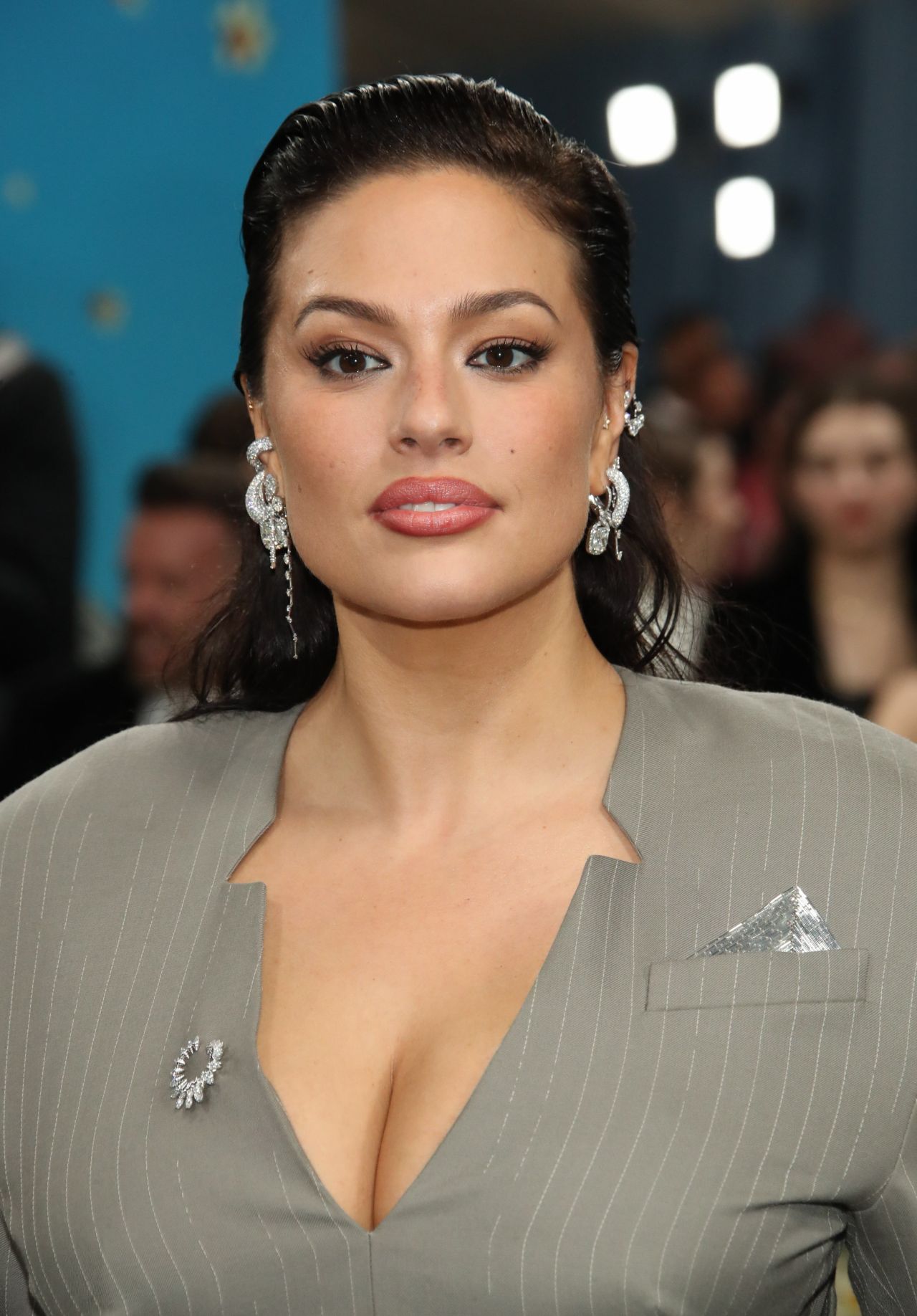
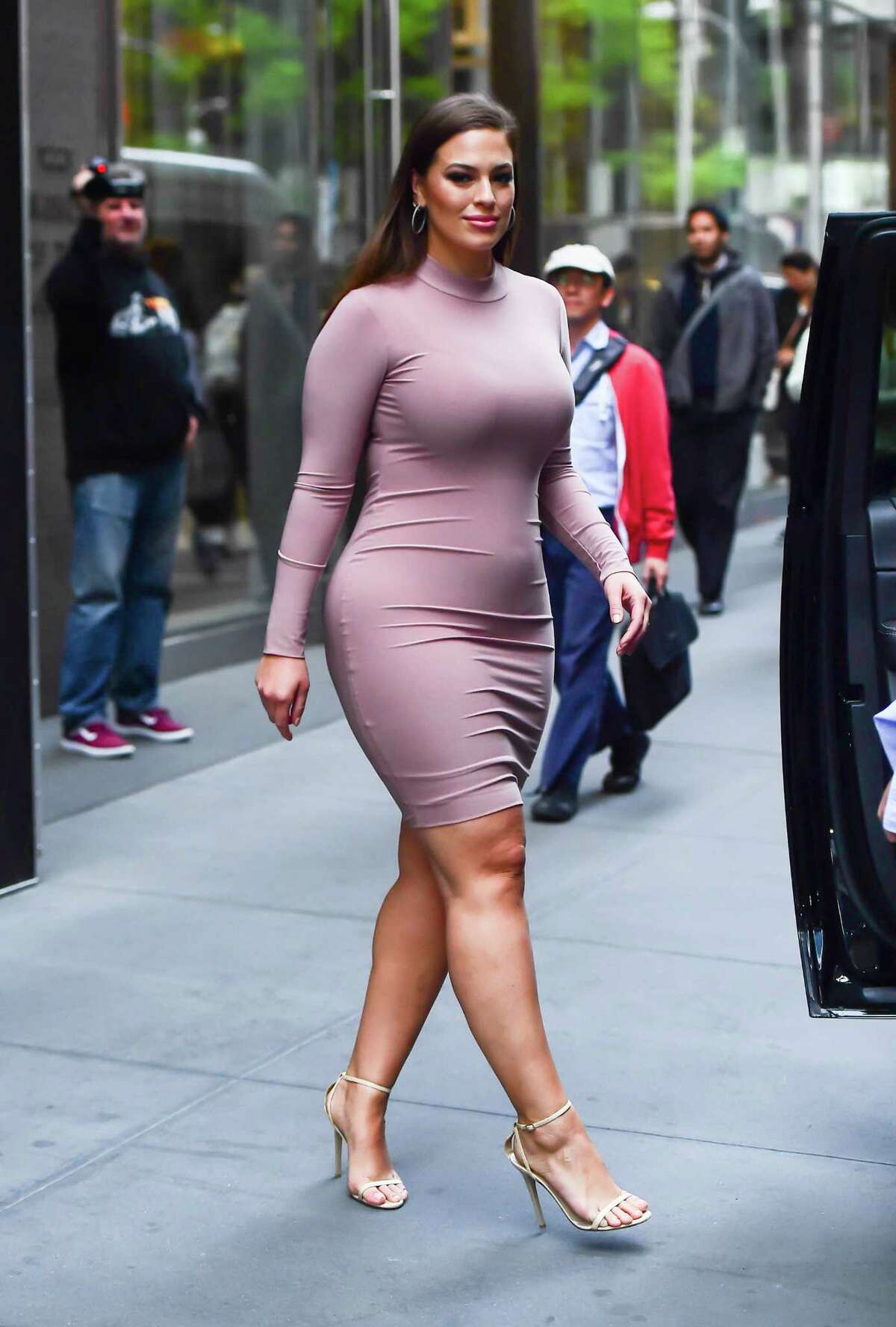
Ashley Graham is a prominent American model and advocate whose influence in the fashion industry has played a pivotal role in shifting global beauty standards. By championing body diversity and challenging traditional size requirements, she has transitioned from a professional model into a globally recognized figure who emphasizes self-acceptance, size inclusivity, and the normalization of diverse body types in high-fashion media.
The Evolution of Industry Beauty Standards
For decades, the fashion industry was governed by rigid metrics that prioritized a specific, narrow silhouette. Historically, professional modeling—particularly for runway and editorial print—demanded bodies that aligned with a standard sample size. This systemic preference created a cultural divide between the image projected in luxury magazines and the reality of the average consumer’s physique.
Ashley Graham’s entry into the mainstream modeling circuit arrived during a time of slow but significant change. As a pioneer in the "plus-size" or "curve" modeling category, she utilized her platform not merely to model clothing, but to dismantle the stigma associated with bodies that did not fit the industry’s exclusionary molds. Her work across various media platforms—including television, social media, and major advertising campaigns—has forced a recalibration of how brands define "marketable" beauty.
Advocacy for Size Inclusivity
Graham’s career trajectory is marked by milestones that redefined the professional expectations for models. In 2016, she became the first plus-size model to appear on the cover of the Sports Illustrated Swimsuit Issue. This was a watershed moment for the industry, as it signaled that the public appetite for diverse representation in high-profile editorial photography was growing.
Her advocacy extends beyond surface-level aesthetics. She has consistently communicated the necessity for fashion retailers to extend their size ranges. By partnering with major brands to create inclusive clothing lines, she has provided practical solutions for consumers who previously struggled to find contemporary, high-quality fashion that accommodated their specific proportions. This movement is not strictly about size; it is about the structural design of garments, ensuring that fit and comfort are prioritized alongside style.
The Intersection of Media and Public Perception
Public interest in Ashley Graham often focuses on the way she presents her body, which acts as a focal point for the wider conversation about body autonomy. In an era dominated by digital photo editing and filtered aesthetics, Graham has been noted for her commitment to transparency. She frequently advocates for the display of unretouched images, including the visibility of cellulite, stretch marks, and natural body fluctuations.
This transparency serves a dual purpose: it validates the lived experience of her audience and challenges the psychological burden of unrealistic perfectionism. By modeling a range of intimate apparel and swimwear, she has normalized the conversation around physical attributes that were previously considered "flaws" in traditional media. This shift encourages consumers to demand more authentic representation from brands, effectively pushing the industry toward a more human-centric marketing strategy.
Navigating the Influence of Social Media
As of 2026, the intersection of digital influence and traditional celebrity branding remains highly potent. Ashley Graham’s social media presence functions as a direct line of communication to millions of followers, providing a space where beauty standards are openly debated. Her influence is evidenced by the "Graham Effect," where brands that collaborate with her often see a measurable increase in engagement among demographics that prioritize inclusivity.
The following table summarizes the shifts in industry practices influenced by advocacy efforts in the fashion sector:
| Industry Standard | Traditional Approach (Pre-2010s) | Modern Approach (2026) |
|---|---|---|
| Model Size | Limited to sample size 0-2 | Broad spectrum (0-22+) |
| Retouching | Heavy digital smoothing | Movement toward "unretouched" |
| Clothing Design | Sizing capped at large/XL | Extended sizing options |
| Marketing Focus | Aspirational perfection | Relatability and diversity |
| Brand Representation | Homogeneous casting | Inclusive, multi-faceted casting |
Addressing Challenges in Representation
Despite the progress made by advocates like Graham, challenges remain. "Tokenism"—the practice of making only a perfunctory or symbolic effort to be inclusive—is a frequent criticism directed at luxury brands. While inclusion in a single campaign is a step forward, the true metric of change is the permanent integration of diverse sizing across all collections and brand touchpoints.
Graham has often navigated this by choosing collaborations that require deeper integration. Her work focuses on the supply chain and design philosophy, ensuring that inclusive sizing is not treated as a secondary "special collection" but as a foundational aspect of the brand identity. This approach forces companies to address the technical difficulties of pattern making for diverse bodies, effectively raising the bar for the entire industry.
The Role of Fashion Journalism and Editorial Criticism
Fashion journalism in 2026 has adapted to reflect these changes. Critical analysis of runway shows now frequently includes discussions on size representation, often benchmarking new collections against the standards set by industry leaders. When a brand fails to represent a diverse array of body types, the backlash is often immediate and informed by the standards of inclusivity that Graham has helped establish.
This public accountability has made it necessary for brands to reconsider their hiring practices, their board-level diversity, and their design teams. The goal is to move past the era of the "representative model" and into an era where diverse bodies are the baseline expectation rather than the exception.
Practical Implications for Consumers
For the average consumer, the shift toward body positivity has had tangible effects on the marketplace. With the rise of inclusive branding, shoppers have more options than ever before. However, the abundance of choice also requires a more discerning eye. Understanding how to interpret garment sizing, identifying brands that utilize sustainable and inclusive manufacturing processes, and recognizing the difference between genuine inclusivity and performative marketing are essential skills for the modern consumer.
Frequently Asked Questions
1. How has Ashley Graham changed the definition of a "supermodel"? Ashley Graham redefined the supermodel by proving that success in the industry is not tethered to a specific size. Her success in high-fashion editorials and mainstream campaigns forced the industry to decouple "professional model" from "sample size model," opening doors for generations of models with diverse body types.
2. What is the significance of the "unretouched" movement in fashion? The unretouched movement seeks to remove the standard digital smoothing applied to model photographs. By showing natural skin textures, body fat, and muscle tone, the movement aims to reduce the body dysmorphia and unrealistic expectations that have been prevalent in media-driven culture for decades.
3. Is "plus-size" still the correct terminology in 2026? The terminology continues to evolve. While "plus-size" remains a standard retail descriptor for inventory purposes, many activists and models prefer terms like "curve," "inclusive sizing," or simply "model," arguing that labels often serve to segregate bodies rather than normalize them within the general industry.
4. How can consumers support the movement toward body inclusivity? Consumers support this movement by voting with their wallets—choosing brands that offer a wide range of sizes and maintain transparent, inclusive marketing practices. Engaging with and supporting media that promotes body neutrality and diversity is also a key way to keep the pressure on industry gatekeepers.
5. What is the next frontier for body representation in fashion? The next frontier is the full integration of adaptive clothing design and the normalization of bodies with disabilities, chronic illnesses, and those that fall outside the traditional binary. Ensuring that the "inclusive" umbrella covers all human variations is the ongoing objective for designers and advocates alike.
Moving Forward
The ongoing work of figures like Ashley Graham highlights that advocacy is not a static state but a continuous process of challenging norms. As the fashion industry continues to navigate the complexities of inclusivity, the focus remains on the structural, material, and cultural changes required to sustain progress. For those interested in the future of the industry, the most productive path forward involves supporting transparency in design and demanding that brands treat inclusivity as a standard operational requirement rather than a passing trend.