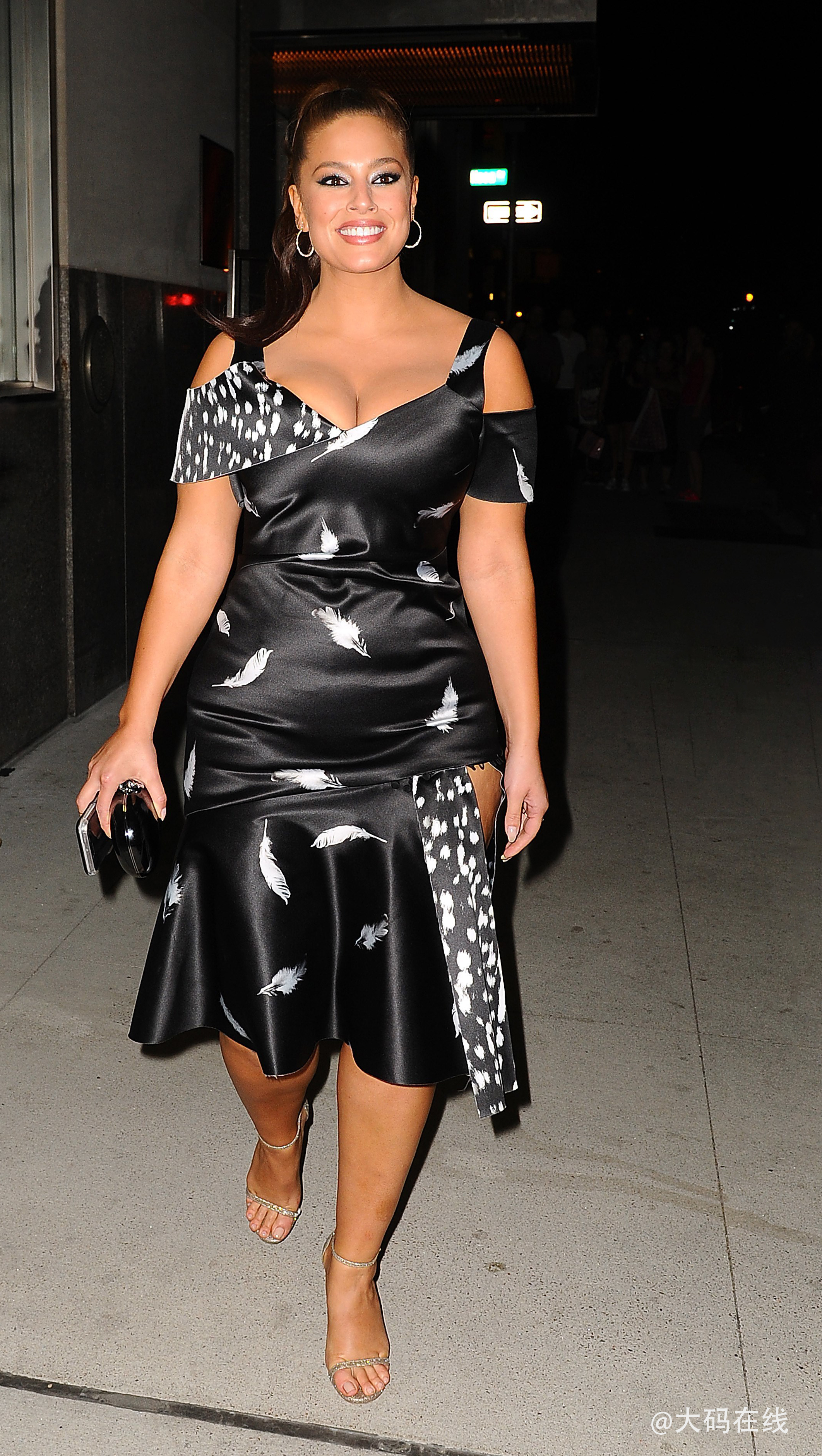
The question of Ashley Graham’s current clothing size—often cited in the range of US sizes 14 to 16—reflects a broader public interest in how the fashion industry defines "plus-size" and how individual bodies are categorized within professional modeling standards. As of 2026, Graham remains a prominent figure in the body positivity movement, though her specific measurements are subject to the natural fluctuations of any individual’s physique and the varying vanity sizing standards used by different garment manufacturers.
The Complexity of Modeling Sizes vs. Commercial Sizing
When the public searches for the size of a high-profile model like Ashley Graham, there is often a misconception that a model’s size is a static, rigid number. In reality, the fashion industry operates with a fluid definition of sizing that differs significantly from the standardized sizing charts found in everyday retail environments.
The Professional Modeling Standard
In the professional modeling world, particularly within the category often termed "plus-size" or "curve" modeling, sizes are viewed as a tool for fit and silhouette. Ashley Graham has long been a size 14 to 16, which is considered the industry standard for the curve category. These models provide designers with a specific mannequin-like silhouette that maintains proportions considered "ideal" for showing off clothing designs intended for the plus-size market.
However, it is crucial to recognize that "size 14" is not a universal measurement. A size 14 in a structured, high-fashion blazer from a European design house will fit vastly differently than a size 14 in mass-market loungewear. Because Graham works with diverse brands, her "size" is less a number and more a professional requirement to fit sample garments that are intended to be scaled up or down for a broader consumer base.
The Reality of Vanity Sizing
"Vanity sizing" is a practice where clothing manufacturers label garments with smaller sizes than their actual measurements to make consumers feel better about their purchases. This has led to massive inconsistencies across the retail landscape. A woman who wears a size 14 at one boutique may find she needs an 18 at another, or a 10 at a store that caters to a different demographic.
For a public figure, these inconsistencies create a false narrative that their body size is constantly changing. When fans see Graham in a size 12 in one brand and a size 18 in another, they may assume her body has changed significantly, when in fact, the only thing that has changed is the brand's internal sizing chart.
Ashley Graham’s Role in Shaping Industry Standards
Ashley Graham’s career has been defined by her refusal to be pigeonholed by the rigid definitions of the modeling industry. By consistently maintaining her presence as a size 14/16 model, she has challenged the fashion industry to stop viewing bodies at the edges of the bell curve as "exceptions" and start viewing them as standard.
Beyond the Number: The Focus on Health and Proportions
Graham has frequently spoken about her dedication to fitness and wellness, emphasizing that her size is a reflection of her personal health and body composition rather than a target she is trying to escape. By openly discussing her size range, she has provided a necessary touchstone for millions of women who fall into the US 12–18 bracket—a segment of the population that was, until relatively recently, largely ignored by high-fashion retailers.
Changing the Representation of Size
Before the rise of models like Graham, the fashion industry largely utilized "straight-size" models and padded them to appear larger for plus-size advertisements. This created a visual dishonesty that frustrated consumers. Graham’s insistence on representing her actual body type provided a shift in marketing. Today, the focus has moved toward "size inclusivity," where models of varying sizes are featured in campaigns to show how garments drape on actual, non-digitally-altered human bodies.
How Sizing Metrics Compare Across the Industry
To understand why a size 14 or 16 is a significant measurement in the fashion world, it is helpful to look at the historical context of retail standards. The following table illustrates the common categorization of sizes and how they have historically transitioned into the public consciousness.
| Size Category | Typical Numeric Range | Industry Context |
|---|---|---|
| Straight Size | 0–8 | Traditional high-fashion runway standards. |
| Mid-Size | 10–12 | Often underrepresented in both straight and curve retail. |
| Curve/Plus | 14–24 | The focus for Ashley Graham’s professional work. |
| Extended Size | 26+ | Specialized market segment for high-volume retailers. |
Note: These ranges are approximations. Sizing charts vary wildly between high-end designers and fast-fashion retailers.
The Impact of Public Curiosity on Self-Perception
The intense public focus on a celebrity’s specific size creates a secondary effect: it encourages consumers to obsess over their own numeric sizing. When a woman identifies with a celebrity's body shape, she often uses that celebrity’s stated size as a benchmark for her own worth.
Moving Away from Numeric Benchmarks
Experts in body image and psychology suggest that using a specific size, such as 14 or 16, as a benchmark for beauty or health is inherently flawed. Because height, bone structure, and muscle mass play such large roles in how clothing sits on a frame, two people who wear the exact same size may look completely different. Graham’s own messaging often pivots toward finding clothing that fits the body, rather than forcing the body to fit a specific size label.
Advice for Consumers Shopping for Their Own Size
If you are struggling to find your own size while comparing yourself to professional models like Ashley Graham, consider the following practical steps:
- Ignore the label: Focus on the measurement in inches or centimeters rather than the number on the tag.
- Know your measurements: Keep a record of your bust, waist, and hip measurements. Use these to check individual brand size charts before purchasing.
- Prioritize fit over size: If a garment is tight in the shoulders but fits the waist, tailor it. Clothing that fits correctly is more flattering than a garment that is the "right size" but fits poorly.
Frequently Asked Questions
Why does Ashley Graham’s size seem to change in different photos?
Public perception of a celebrity’s size is often influenced by camera angles, lighting, and the specific cut of the clothing. Furthermore, like all people, models experience natural weight fluctuations. However, the primary cause of perceived changes is often the inconsistency of sizing standards between different fashion labels.
Is size 14/16 considered "plus-size" by all retailers?
Not necessarily. Many brands have rebranded their "plus" lines as "extended" or "curve" collections. Some retailers begin their plus-size range at size 12, while others may consider a size 14 to be at the upper end of their standard sizing.
Does Ashley Graham design her own clothing lines?
Yes, Graham has collaborated with various brands and retailers to create lines that specifically address the needs of sizes 14 and up. These collaborations are often designed to ensure better fit for curvy silhouettes, moving away from the "make it larger" approach that many mass-market brands previously used.
How can I find the right size in a new brand?
Always look for the brand's specific "Size Guide" or "Fit Chart" on their website. Never assume your size is consistent across different stores. If the brand provides a tool to input your height and weight, use it as a starting point, but always verify against your actual body measurements.
Why is there so much focus on celebrity clothing sizes?
The focus reflects a culture that is increasingly interested in body diversity. Seeing a woman who is a size 14 or 16 celebrated in mainstream media provides a sense of validation for consumers who rarely see their own body types represented in luxury or high-fashion settings.
Final Recommendations for Personal Style
Finding your own place in the sizing spectrum is an exercise in trial and error. Rather than seeking to match the size of a specific celebrity, use their style as a reference for how to dress your shape. Ashley Graham’s style is characterized by confidence, the use of structured fabrics that support curves, and an embrace of silhouettes that highlight rather than hide the body.
Ultimately, the most important "size" is the one that allows you to move, breathe, and feel confident. When shopping, prioritize the brands that offer detailed sizing charts and clear return policies, allowing you to find the fit that respects your body’s unique proportions rather than the label on a garment.