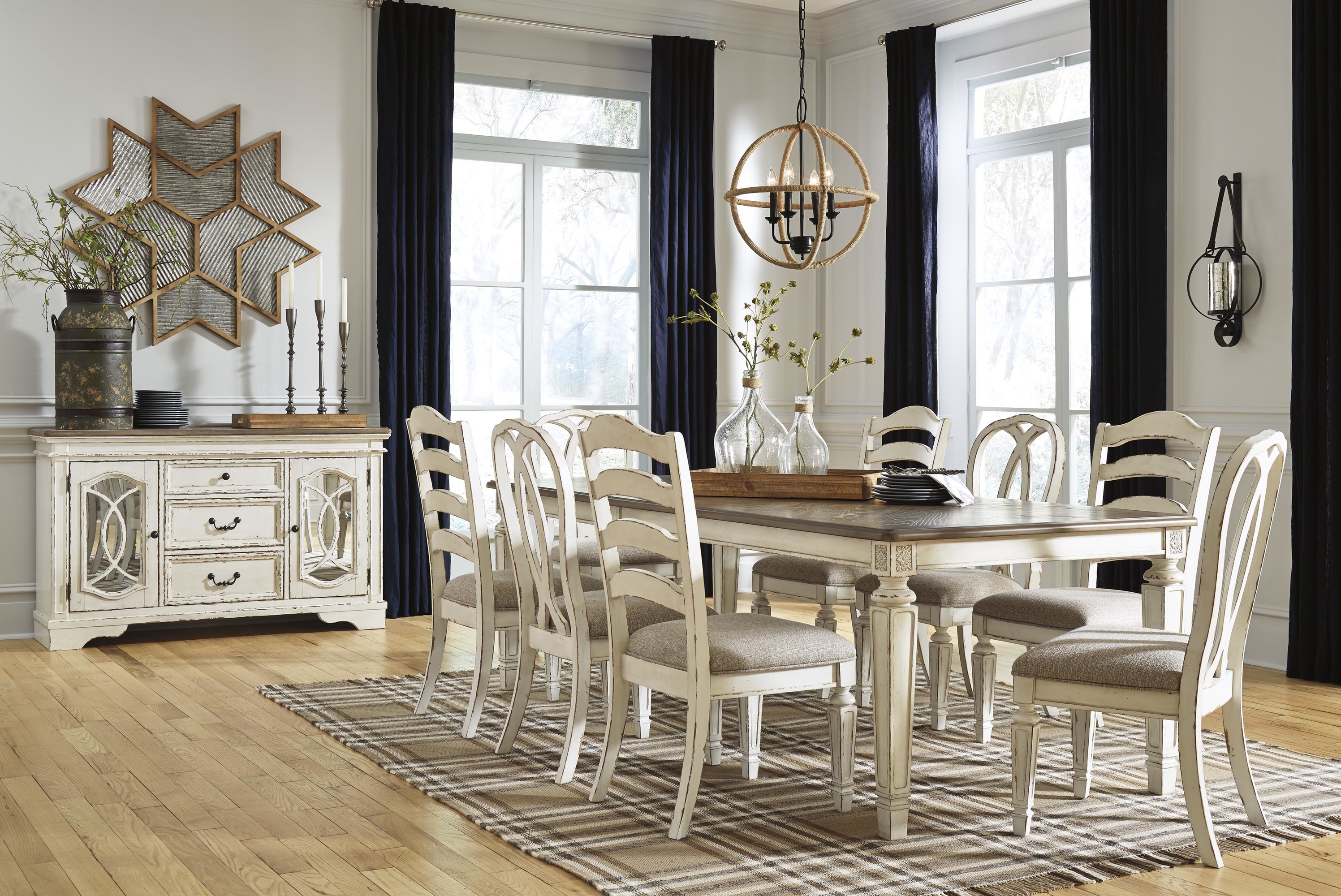
Ashley Furniture Industries Inc is the largest manufacturer and retailer of home furnishings in the United States, operating as a vertically integrated entity that manages product design, manufacturing, logistics, and a vast network of corporate-owned and licensed retail stores. Consumers engaging with the brand encounter a dual-structured business model that encompasses both wholesale manufacturing and direct-to-consumer retail, requiring an understanding of how these divisions interact to affect purchasing, delivery, and warranty support.
The Scope of Ashley Furniture Industries Inc
Ashley Furniture Industries Inc, often referred to simply as Ashley, occupies a dominant position in the global furniture market. Founded in 1945 in Chicago, Illinois, the company has evolved from a small sales organization into an international powerhouse. Today, the organization functions through two primary channels: the manufacturing arm, which produces furniture sold through independent retailers, and Ashley Global Retail, which manages the brand's expansive storefront presence.
This vertical integration is a defining feature of the company. By controlling the supply chain from the sourcing of raw materials to the final delivery to the consumer’s home, Ashley aims to maintain cost efficiencies that are passed on in the form of mid-range pricing. For the consumer, this structure means that when purchasing from an Ashley-branded store, they are dealing with the company’s retail division, whereas purchasing "Ashley" products from a third-party furniture store involves a different set of service terms and support protocols.
Distinguishing Between Corporate and Licensed Retail
One of the most common points of confusion for shoppers is the distinction between a "Corporate" Ashley store and a "Licensee" store. While both share the same branding, signage, and product catalogs, their operational backend differs.
- Corporate-Owned Stores: These locations are operated directly by Ashley Furniture Industries. Policies regarding returns, customer service escalations, and store-specific promotions are standardized across these locations.
- Licensee Stores: Many Ashley storefronts are independently owned and operated by licensed dealers. These dealers purchase furniture from Ashley’s manufacturing division and operate under the Ashley brand name.
Why this matters: If a consumer experiences a logistical issue, such as a delayed delivery or a damaged shipment, the resolution process for a licensee store is managed by that independent operator’s staff. When visiting a showroom or utilizing their website, consumers can often verify whether a location is corporate-owned by checking the "About Us" or "Store Information" sections on the specific store page, which will indicate ownership details.
Manufacturing Capabilities and Product Categories
The company’s manufacturing prowess is centered on its ability to produce high volumes of furniture across various price points, ranging from budget-conscious "value" lines to more premium collections. Their manufacturing facilities—many of which are located within the United States—focus on upholstery, case goods, and mattresses.
The product catalog is expansive, covering:
- Living Room: Sectionals, sofas, recliners, and occasional tables.
- Bedroom: Beds, dressers, nightstands, and mattresses (including their proprietary brand, Ashley Sleep).
- Dining Room: Full sets, bar stools, and hutches.
- Home Office and Entertainment: Desks, bookcases, and TV stands.
A core strategy for the manufacturer is "speed to market." By utilizing a sophisticated logistics network, the company can move products from production facilities to regional distribution centers and finally to store showrooms or residential addresses with significant agility. For the buyer, this generally results in shorter lead times compared to custom-order manufacturers who build pieces only after a purchase is made.
Consumer Considerations: Purchasing and Delivery
When preparing to purchase furniture, understanding the logistical requirements is essential. Whether buying in-store or online, the transaction involves specific stages that determine the final cost and the timeline for receiving goods.
Financial and Service Logistics
| Aspect | Consideration |
|---|---|
| Pricing Models | Often fluctuates based on seasonal promotions; regional pricing may vary. |
| Financing | Frequently offered through third-party credit partners; requires credit approval. |
| Delivery Options | Options typically include curbside delivery, threshold delivery, or full-service room-of-choice assembly. |
| Protection Plans | Third-party or internal furniture protection plans are often available for purchase to cover accidental stains or damages. |
Navigating Protection Plans
Ashley Furniture frequently offers furniture protection plans at the point of sale. These plans are usually underwritten by third-party insurance providers. Before adding these to a purchase, consumers should read the specific exclusions list. Most plans cover accidental spills or structural defects that occur after the manufacturer’s limited warranty expires, but they rarely cover issues deemed "wear and tear" or damages resulting from pet activity. Always request the full terms and conditions document rather than relying on the sales representative's summary.
Troubleshooting Common Issues
When a purchase does not meet expectations, the path to resolution depends on the nature of the problem:
- Manufacturing Defects: If a product arrives with a structural failure (e.g., a broken frame or malfunctioning reclining mechanism), this is covered under the manufacturer’s limited warranty. Documentation requirements usually include photos of the defect and the original proof of purchase.
- Shipping Damage: Damage occurring during transit (e.g., scratched wood, torn fabric) must be reported immediately upon delivery. It is standard practice to inspect the furniture while the delivery team is still present and document any damage on the delivery receipt before signing.
- Delayed Delivery: For retail orders, delays are often caused by supply chain bottlenecks. If an item is backordered, the store is generally responsible for providing updated estimated arrival dates.
Frequently Asked Questions
Does Ashley Furniture offer a lifetime warranty on all products? No. Warranties are product-specific and limited. Most upholstery frames and springs may carry longer warranties, but electrical components, cushions, and fabric are generally covered for much shorter periods, such as one year. Always consult the specific warranty card provided with your item.
Can I return furniture if I simply do not like the color? Return policies vary significantly by location and purchase method. Many retail stores have restrictive return policies once items have been delivered and unboxed, often charging a restocking fee. Check the specific return policy of the retail location before finalizing your purchase.
Are the prices online the same as in the store? Not necessarily. Corporate-owned stores may offer regional promotions that differ from the national website. Additionally, licensed dealers may set their own pricing independent of the Ashley national retail site.
How do I track my furniture order? For direct-to-consumer orders, the company provides a tracking portal via their official website. You will need your order number and the email address used during the checkout process to view the status of your shipment.
What is the difference between "White Glove" delivery and standard delivery? "White Glove" or full-service delivery typically includes bringing the items into your home, assembling the furniture, and removing all packaging materials. Standard or "threshold" delivery often involves leaving the items at the front door or in the garage.
Recommendations for Future Action
To ensure a positive experience, prioritize the following steps when engaging with Ashley Furniture Industries Inc:
- Pre-Purchase Inspection: If shopping in a showroom, inspect the exact floor model or ask for a detailed description of the materials used in the specific model you are considering.
- Document Everything: Keep a digital folder containing your receipt, the specific warranty document for your items, and photographs of the condition of your furniture at the time of delivery.
- Review the Fine Print: Never rely solely on verbal promises regarding delivery timelines or coverage. Read the contract provided at the point of sale, especially regarding return windows and assembly requirements.
- Confirm Ownership: If you have concerns about customer service or local policies, ask your salesperson whether the location is corporate-owned or independently licensed. This will clarify the escalation path if you need to resolve a future dispute.