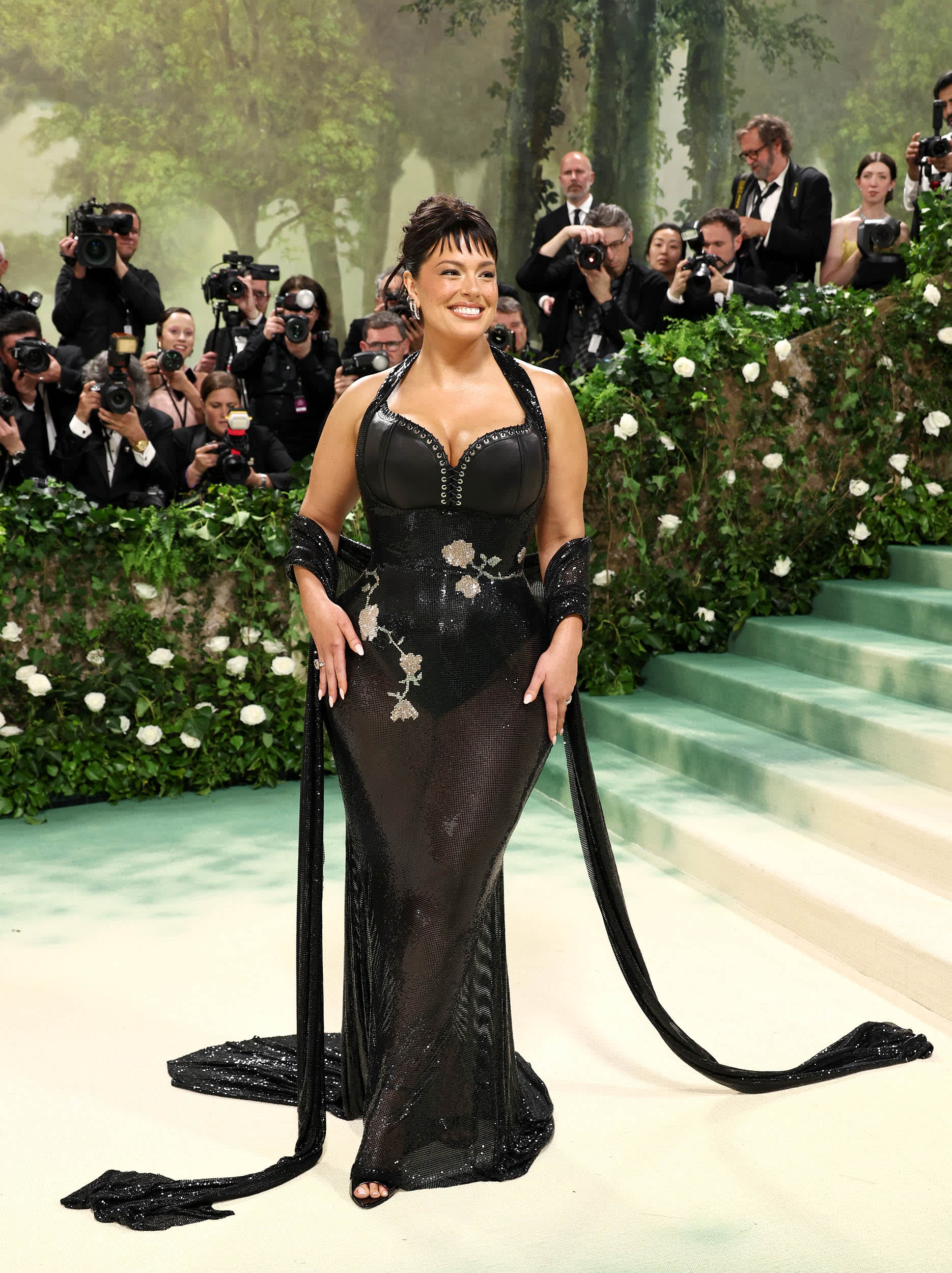
Ashley Graham’s consistent presence at the Met Gala has evolved into a significant case study in contemporary fashion advocacy, where her appearances serve as a focal point for discussions on size inclusivity, red-carpet styling, and the intersection of traditional high fashion with modern media influence. By leveraging her global platform, Graham has effectively navigated the exclusive nature of the Costume Institute’s gala to bridge the gap between aspirational couture and authentic body representation.
The Evolution of the Met Gala as a Cultural Institution
The Met Gala, hosted annually by the Metropolitan Museum of Art in New York City, serves as the most exclusive fashion event in the world. Organized by the Costume Institute, the event functions as a major fundraising gala, signaling the opening of its annual exhibition. Over the last decade, the gala has shifted from a rarefied gathering of established elite into a massive digital event driven by social media saturation, celebrity endorsement, and brand collaborations.
For a public figure like Ashley Graham, whose career was built on disrupting the narrow standards of the modeling industry, the Met Gala represents a complex territory. The event is characterized by stringent dress codes—often linked to the theme of the exhibition—and a reliance on high-end luxury fashion houses. For years, critics argued that the fashion industry maintained a "size ceiling," where high-concept designs were exclusively available to a limited range of body types. Graham’s attendance challenges this historical bottleneck, proving that red-carpet excellence is not a derivative of size, but of execution, design partnership, and personal brand strategy.
Analyzing the Impact of Ashley Graham’s Fashion Choices
Graham’s approach to the Met Gala involves a strategic collaboration between stylists, designers, and her personal brand identity. Her impact is measured not just by the aesthetic quality of the gowns, but by how these choices influence the conversation surrounding inclusivity in luxury fashion.
Strategic Styling and Design Collaboration
When Ashley Graham walks the Met Gala steps, the process is highly technical. It involves custom fittings that prioritize structural integrity, fabric choice, and silhouette definition. Unlike off-the-rack styling, the Met Gala requires garments that must often withstand complex construction—corsetry, heavy embroidery, or avant-garde shaping.
Graham’s choice of designers frequently highlights a willingness to work with established houses that are traditionally known for specific, often rigid, aesthetics. By bringing her frame to these houses, she compels a reassessment of how these garments are drafted and finished. The technical requirement for a successful "plus-size" red-carpet look is high; it demands an understanding of weight distribution in fabrics and the precise placement of structural support, such as boning or invisible mesh, to ensure the garment maintains its intended shape while providing comfort for the wearer.
The Media Reception and Public Discourse
The reception of Graham’s Met Gala looks consistently trends toward a mix of fashion criticism and cultural commentary. Her influence is significant because she functions as a bridge. For the average viewer, she represents an accessible iteration of the "supermodel" archetype, while for the fashion industry, she acts as an agent of change.
Public reception is generally analyzed through three specific lenses:
- Aesthetic Adherence: Did the look fit the Costume Institute’s theme?
- Structural Execution: Did the gown demonstrate high-level tailoring commensurate with the event’s prestige?
- Sociocultural Significance: Did the appearance advance the conversation regarding body diversity in high fashion?
The following table summarizes the key metrics used to evaluate the success and impact of high-profile red carpet appearances like those of Graham:
| Evaluation Metric | Description | Goal for Inclusivity |
|---|---|---|
| Theme Alignment | Integration with the historical/modern exhibit theme | Demonstrating that diverse bodies fit the narrative |
| Tailoring Precision | Quality of custom fit and structural support | Proving haute couture is a matter of skill, not size |
| Brand Recognition | Association with major luxury design houses | Normalizing size-inclusive high-fashion portfolios |
| Public Engagement | Social media sentiment and press coverage volume | Expanding the visibility of diverse beauty standards |
Navigating the Requirements of High-Fashion Events
Participating in the Met Gala is not merely about receiving an invitation; it is a complex logistical and professional operation. For celebrities, the process begins months in advance and involves a rigorous cycle of design consultations, travel, and preparation.
Prerequisites for Participation
To attend the Met Gala, a celebrity must typically be invited by a host, a sponsoring brand, or the Metropolitan Museum of Art itself. For an individual like Ashley Graham, the requirement often involves being the "muse" or the primary guest of a luxury brand that has purchased a table or has a vested interest in showcasing its design capabilities on a global stage.
The process involves:
- Design Proposal: Brands present sketches that align with the specific Met Gala theme.
- Fitting Cycles: Multiple fittings occur to ensure the garment fits the body correctly without compromising the designer's vision.
- Accessory Curation: Jewelry and beauty teams must coordinate to match the structural requirements of the gown.
Technical Challenges in Couture
The primary technical challenge for stylists working with diverse body types at this level is the adaptation of classic couture techniques. Traditional haute couture is often developed on standard mannequins that do not reflect a broad range of body shapes. When Graham attends, the work shifts from standard reproduction to custom engineering. This includes the use of specialized textiles that offer stretch without losing the luster or weight expected of luxury materials, and the customization of silhouettes to highlight the wearer's proportions rather than attempting to "mask" them.
Common Criticisms and Industry Misconceptions
Despite the positive reception of her appearances, discourse remains polarized. One common area of misunderstanding is the concept of "dressing for the body" versus "dressing for the art." Critics occasionally argue that celebrities should focus exclusively on the costume's artistic integrity, regardless of their own aesthetic preference. However, Graham’s approach counters this by showing that the wearer’s confidence and comfort are the final components of a successful look.
A frequent, though often misinformed, critique involves the assumption that certain silhouettes are "inappropriate" for specific body types. Graham’s career, and specifically her Met Gala appearances, act as a direct rebuttal to these archaic styling rules. By intentionally choosing cuts that were once deemed "forbidden" for non-straight-sized women—such as high-thigh slits, plunging necklines, or form-fitting bodices—she effectively resets the bar for what is considered acceptable in the fashion mainstream.
Strategic Impact on Fashion Inclusivity
The long-term impact of Ashley Graham at the Met Gala extends beyond individual red-carpet moments. Her presence exerts pressure on the fashion industry to expand its casting and size ranges, not just for PR campaigns, but for the most high-stakes, exclusive environments.
When a major brand spends the resources to dress a person of Graham's stature for the Met Gala, it signals to the broader industry that size inclusivity is a commercial and artistic imperative. It moves the needle from "experimental" to "standard practice." This, in turn, influences the availability of extended-size luxury goods for the general public, as design houses are incentivized to develop the technical capabilities required to cater to a wider customer base.
Related Questions and Expert Guidance
To better understand the nuances of this subject, it is helpful to address the following frequently asked questions regarding the logistics and cultural impacts of red-carpet fashion.
How are red-carpet looks selected for themes?
The process is collaborative. A stylist researches the year's specific exhibition, and then a design house proposes concepts that honor the theme. The celebrity must then select the vision that best represents their personal brand while ensuring the garment is technically feasible for the gala's environment.
What is the role of the stylist in modern red-carpet events?
The stylist acts as a creative director. They manage the relationship between the talent, the brand, the makeup artists, and the hair stylists. Their goal is to ensure that the entire ensemble is cohesive, thematic, and photogenic under the intense lighting of the red carpet.
Do celebrities pay to attend the Met Gala?
Generally, no. Guests are invited, and their tickets are typically purchased by the brand sponsoring their look or hosting their table. The cost of a seat at the Met Gala can be substantial, often representing a significant donation to the Costume Institute.
How does the Met Gala influence broader fashion trends?
The gala acts as a "trend incubator." Because it features the most influential designers and celebrities, the silhouettes, color palettes, and textures showcased on the carpet often filter down into luxury ready-to-wear collections and eventually into mass-market fashion, typically with an 18-to-24-month lag.
Is size inclusivity permanent in luxury fashion?
While progress is undeniable, it is not guaranteed. It requires the continued participation of prominent figures to ensure that size diversity remains a focus for major fashion houses rather than a passing trend. Constant engagement from the media and the public is necessary to keep this expectation at the forefront of the industry.
Recommendation for Further Observation
For those interested in the ongoing intersection of fashion and advocacy, the most practical step is to follow the evolution of the "post-gala" critique. Instead of focusing solely on the "best dressed" lists, monitor the technical breakdowns provided by industry journalists. Pay attention to the designers who are increasingly integrating diverse sizing into their core collections, as these are the brands that will define the future of high-fashion accessibility. By analyzing the technical construction of the garments—rather than just the visual impact—one gains a clearer understanding of how the industry is changing and where it still needs to improve.