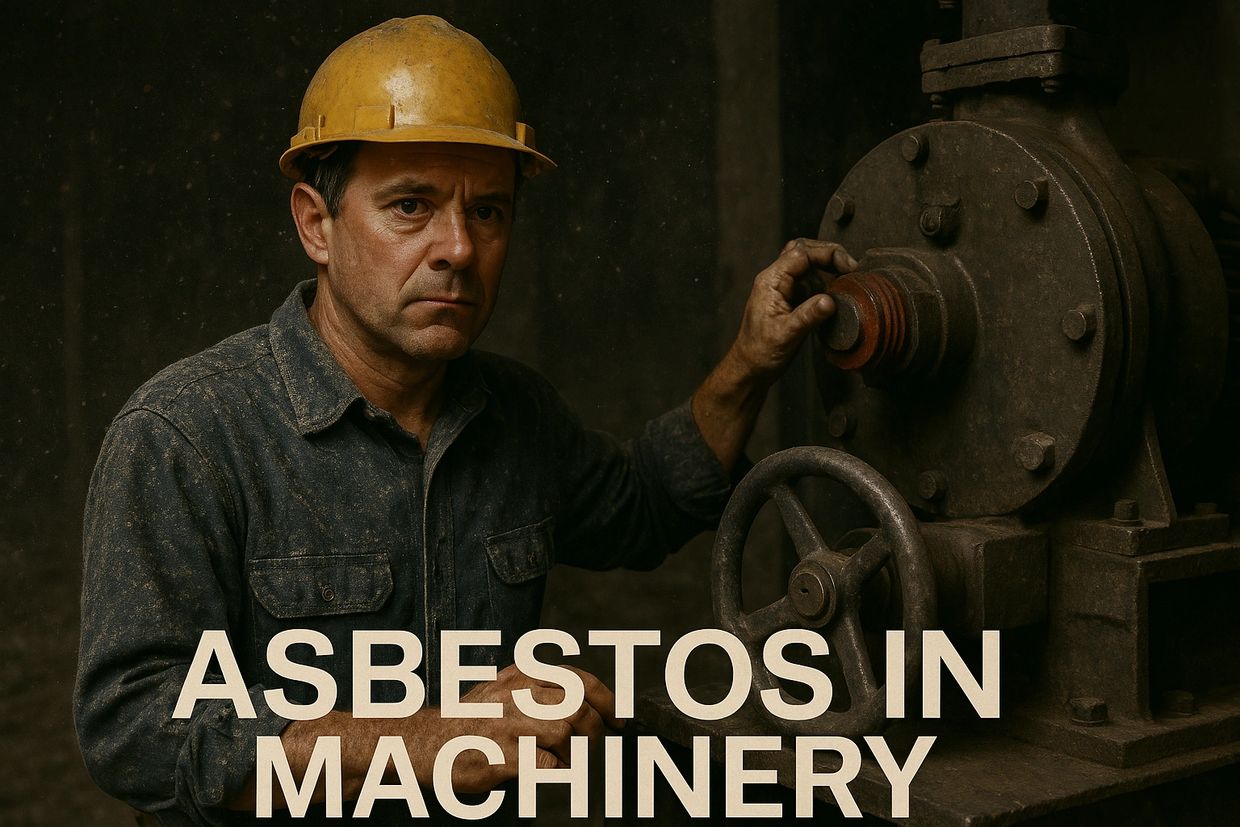
Asbestos litigation functions as a primary mechanism for enforcing industrial responsibility, compelling corporations to acknowledge the long-term health consequences of their manufacturing and distribution practices. By creating significant financial liabilities for negligent companies, these legal actions have historically forced shifts in corporate transparency, occupational safety standards, and the establishment of trust funds designed to compensate victims of asbestos-related illnesses.
The Intersection of Litigation and Corporate Responsibility
The history of industrial development in the 20th century is deeply intertwined with the widespread use of asbestos, a mineral prized for its fire-resistant and insulating properties. For decades, many corporations prioritized the economic utility of these materials despite internal knowledge of the severe, life-shortening respiratory conditions—such as mesothelioma and asbestosis—linked to inhalation.
Asbestos lawsuits have served as a vital corrective force. Unlike traditional regulatory oversight, which may fluctuate based on political climate or administrative priorities, civil litigation provides a direct path for victims to hold manufacturers, distributors, and property owners accountable. When a corporation faces the existential threat of thousands of individual and class-action claims, the "cost of doing business" calculation shifts. The financial burden of litigation eventually outweighs the cost of maintaining unsafe practices, thereby incentivizing the development of safer alternatives and stricter workplace protocols.
Historical Evolution of Accountability
To understand the current state of industry accountability, one must look at the transition from early, isolated claims to the massive, multi-district litigation structures of the late 20th and early 21st centuries.
From Knowledge to Liability
In the early stages of discovery, plaintiffs faced significant hurdles, including "statutes of repose," which limited the timeframe during which a lawsuit could be filed after the initial sale of a product. However, as medical literature increasingly linked asbestos exposure to specific pathologies, courts began to recognize the "discovery rule." This legal standard allows the statute of limitations to begin only when a patient is diagnosed with an asbestos-related illness, rather than when the exposure originally occurred. This shift was monumental; it prevented corporations from using the passage of time as a shield against the delayed onset of asbestos-related diseases.
The Rise of Trust Funds
As the volume of litigation threatened to bankrupt numerous entities, the legal system responded with Chapter 11 bankruptcy reorganizations. Under Section 524(g) of the U.S. Bankruptcy Code, companies facing overwhelming asbestos liability could restructure while creating dedicated trust funds. These trusts are designed to provide consistent compensation to future claimants without requiring the exhaustion of company assets. This created a new layer of accountability: the perpetual requirement for these trusts to manage claims fairly, ensuring that the burden of corporate negligence is addressed systematically rather than ignored.
Economic Impacts and the "Polluter Pays" Principle
The economic reality of asbestos litigation is defined by the "polluter pays" principle. When companies are held liable, the financial consequences extend beyond simple compensatory damages.
- Insurance Pressure: High-profile litigation drives up the cost of liability insurance for industries still utilizing hazardous materials. This serves as a self-regulating market mechanism, as insurers demand stringent risk-mitigation strategies before offering coverage.
- Corporate Transparency: Discovery processes in these lawsuits often unearth internal memoranda and historical data that were previously hidden. These documents force corporations to confront their own history of inaction, frequently leading to public apologies and changes in leadership or safety culture.
- Asset Allocation: Companies must divert significant capital toward legal defenses, settlements, and the funding of medical monitoring programs. This reduction in available capital for expansion or dividend payouts serves as a tangible penalty for the failure to prioritize human safety.
Table: Mechanisms of Industrial Accountability
| Mechanism | Primary Function | Impact on Industry |
|---|---|---|
| Discovery Rules | Expands legal timeframe | Removes the "time-out" defense for old hazards |
| Bankruptcy Trusts | Ring-fences compensation | Prevents total asset liquidation for victims |
| Liability Insurance | Adjusts premiums based on risk | Penalizes companies with poor safety records |
| Safety Regulations | Sets federal standards | Formalizes the shift to asbestos-free alternatives |
| Tort Litigation | Provides individual recourse | Quantifies the price of negligence in damages |
Challenges in Seeking Justice
Despite the influence of lawsuits, the process is far from streamlined. For the victim, the journey to accountability involves complex hurdles that can impede the ability to receive timely support.
The Problem of Corporate Dissolution
Many companies that manufactured asbestos products have long since ceased operations or have been acquired through a series of mergers and acquisitions. Navigating the legal landscape to determine successor liability—the legal principle that holds a purchasing company responsible for the liabilities of the company it bought—is a sophisticated task requiring specialized legal expertise.
Establishing Causation
A significant challenge in modern asbestos litigation is the concept of "cumulative exposure." Because asbestos-related diseases often result from exposure to various products from multiple manufacturers over many years, proving that a specific entity’s product was the substantial cause of an illness is technically demanding. This requires detailed work histories and, often, the testimony of industrial hygienists or medical experts who can trace the path of exposure back to specific industrial sources.
The Role of Evidence and Technical Verification
Effective accountability depends heavily on the quality of evidence. In 2026, the reliance on digital archives and historical manufacturing records has streamlined the identification of responsible parties.
- Job Site Verification: Plaintiffs must provide documented evidence of their physical presence at a location where asbestos-containing materials (ACMs) were used.
- Product Identification: Identifying the specific brand or manufacturer of the insulation, pipe covering, or adhesive is essential for matching a claim to an existing bankruptcy trust.
- Medical Documentation: Pathology reports must clearly link the diagnosis (e.g., mesothelioma, pleural thickening) to the biological signature of asbestos inhalation, excluding other environmental or genetic factors.
Future Outlook: Accountability Beyond 2026
As we move further into 2026, the landscape of asbestos litigation is shifting from the aggressive pursuit of active, solvent corporations toward the rigorous management of established trust funds and the addressing of "secondary exposure" cases. Secondary exposure involves individuals who were not directly employed in the industry but were exposed through family members who brought asbestos fibers home on their work clothing.
The accountability model has effectively forced the industrial sector to adopt a "safety-first" ethos regarding hazardous materials. The legacy of these lawsuits is a more transparent, highly regulated, and liability-conscious industrial environment where the suppression of safety data is no longer a viable or cost-effective strategy.
Frequently Asked Questions
What happens if the company responsible for asbestos exposure no longer exists?
In many cases, the legal liability survives through a bankruptcy trust. Even if a company has shuttered, its successor entities or the court-ordered trust remains responsible for claims. Legal counsel can track the corporate lineage to identify the entity currently holding these liabilities.
Why do asbestos lawsuits take so long to resolve?
These cases are inherently complex because they require extensive investigation into an individual's historical employment record. Compiling work history, identifying all potential manufacturers involved, and establishing medical causation requires significant time and meticulous documentation.
Can family members file a lawsuit for secondary asbestos exposure?
Yes. Courts have recognized claims for secondary exposure, also known as "take-home" exposure. If you can provide evidence of proximity to an individual who worked with asbestos and subsequently developed a related illness, you may be eligible to seek compensation through the same legal channels as former employees.
How are damages calculated in an asbestos lawsuit?
Damages are typically determined by assessing medical costs, lost wages, pain and suffering, and the long-term impact on the victim's quality of life. For trust claims, there are often pre-set payment schedules based on the severity of the diagnosis.
Is professional legal assistance necessary for these claims?
Given the complexity of trust protocols, bankruptcy law, and the strict statute of limitations in many jurisdictions, professional representation is highly recommended. Experienced asbestos attorneys have access to databases of work sites and product information that significantly simplify the verification process.
Recommendation for Affected Individuals
If you or a loved one have been diagnosed with an asbestos-related illness, the most critical step is to initiate a medical and legal consultation immediately. Do not attempt to navigate the requirements of various bankruptcy trusts on your own. Start by documenting your employment history—including specific job sites, dates of work, and descriptions of the work environment—as this will be the cornerstone of your claim. Consult with a legal professional who specializes in toxic tort litigation to ensure your claim is filed within the relevant jurisdictional deadlines, as these vary significantly by state and country.