Asbestos was historically incorporated into various plastic products—such as phenolic resins, vinyl floor tiles, and automotive components—to enhance thermal resistance, structural integrity, and durability. While the production of new asbestos-containing plastics has been largely curtailed in many jurisdictions, these materials remain present in aging infrastructure, legacy consumer goods, and industrial equipment, requiring specialized handling and risk management protocols.
Historical Context and Usage of Asbestos in Polymers
During the mid-20th century, the chemical and physical properties of asbestos fibers made them an ideal additive for synthetic polymers. Asbestos is a naturally occurring mineral composed of thin, needle-like fibers that are heat-resistant, electrically insulating, and chemically inert. When integrated into a plastic matrix, these fibers acted as a reinforcing agent, significantly increasing the tensile strength, flame retardancy, and dimensional stability of the finished material.
Manufacturers utilized asbestos in both thermoplastic and thermoset plastics. Thermosets, which undergo a chemical reaction to set permanently, were particularly common candidates for asbestos reinforcement. Applications included electrical switchgear, circuit breakers, heavy-duty machinery housings, and automotive friction components like brake pads and clutch facings, which rely on phenolic resins bonded with asbestos to withstand extreme frictional heat. In the construction industry, vinyl-asbestos tile (VAT) and mastic adhesives represented the most widespread consumer use, binding chrysotile asbestos into a durable, flexible floor covering.
Understanding the Material Matrix
To understand the risk of asbestos in plastics, one must distinguish between "friable" and "non-friable" materials. This classification is the cornerstone of regulatory safety standards worldwide.
- Non-friable (Category I and II): In these materials, asbestos fibers are firmly bound within a solid matrix, such as vinyl or resin. If the material remains intact, the likelihood of fibers becoming airborne is minimal. Examples include vinyl floor tiles, roofing shingles, and hardened resin-based gaskets.
- Friable: Materials that can be crumbled, pulverized, or reduced to powder by hand pressure. While most plastics are manufactured as non-friable, they can become friable through mechanical damage, weathering, or high-heat degradation. Once a plastic matrix breaks down, it can no longer contain the fibers, releasing them into the respiratory environment.
Safety Risks: The Fiber Release Mechanism
The primary health risk associated with asbestos in plastic components arises when the material is disturbed. Under normal, undisturbed conditions, the plastic matrix acts as a sealant. However, common maintenance tasks, renovation, or accidental breakage can compromise this seal.
- Mechanical Abrasion: Sanding, drilling, grinding, or cutting plastic containing asbestos releases high concentrations of fibers. This is particularly dangerous with automotive friction materials, which generate fine dust during normal vehicle operation, and with the removal of old vinyl flooring.
- Thermal Degradation: Exposure to extreme heat can cause the polymer matrix to char or disintegrate. If the plastic component is damaged by fire or intense industrial heat, the asbestos fibers that were previously encapsulated become liberated.
- Natural Aging and Embrittlement: Over decades, UV exposure and oxidative degradation can make plastics brittle. Brittle plastics are prone to micro-cracking and shedding, which can slowly release fibers over time, particularly in high-traffic areas or areas with high vibration.
Regulatory Landscape and Identification
As of 2026, the regulation of asbestos remains strictly enforced by agencies such as the U.S. Environmental Protection Agency (EPA) and the Occupational Safety and Health Administration (OSHA). While the EPA has moved toward stricter bans on new uses of asbestos, the legacy of materials installed prior to 1980 remains a major focus of environmental management.
Identifying asbestos in plastics is rarely possible through visual inspection alone. Because the fibers are microscopic and often dyed or embedded deep within the resin, professional testing is mandatory before any intrusive work begins.
Verification Process
- Bulk Sampling: A qualified professional, such as an Asbestos Building Inspector, collects a small sample of the material.
- Laboratory Analysis: The sample is sent to a laboratory accredited by the National Voluntary Laboratory Accreditation Program (NVLAP).
- Methodology: Technicians typically use Polarized Light Microscopy (PLM) to identify the specific mineralogy of the fibers. In cases where the matrix is dense or the fibers are extremely fine, Transmission Electron Microscopy (TEM) may be required for higher resolution and accuracy.
Comparison of Material Risks
| Material Type | Typical Application | Friability Status | Primary Risk Activity |
|---|---|---|---|
| Vinyl Asbestos Tile | Flooring | Non-friable | Sanding or scraping adhesive |
| Phenolic Molding | Electrical housing | Non-friable | Drilling or mechanical impact |
| Automotive Friction | Brake pads/Clutches | Friable (during use) | Brake cleaning/replacement |
| Asphaltic Mastics | Pipe insulation/Glue | Non-friable | Heat-softening/removal |
Managing Asbestos-Containing Plastics
If you suspect you have materials in your home or workplace that contain asbestos-reinforced plastics, the safest course of action is generally to leave them alone. Asbestos is not a hazard when it is stable and intact. However, if the material is damaged or if you are planning a renovation that involves removing these materials, you must follow established safety protocols.
1. Assessment and Planning
Before starting any project, verify the presence of asbestos. If you are a homeowner, contact a certified asbestos professional. If you are a business owner or employer, consult your local safety regulatory agency to ensure compliance with workplace exposure limits (PELs).
2. Containment and Removal
Removal should only be performed by licensed asbestos abatement contractors. These teams utilize:
- HEPA-Filtered Vacuums: Specialized equipment designed to trap microscopic fibers.
- Negative Air Pressure Units: To prevent fibers from migrating to unaffected areas of the building.
- Wet Methods: Spraying materials with water or surfactant solutions to keep fibers weighed down and prevent them from becoming airborne during the removal process.
3. Disposal Requirements
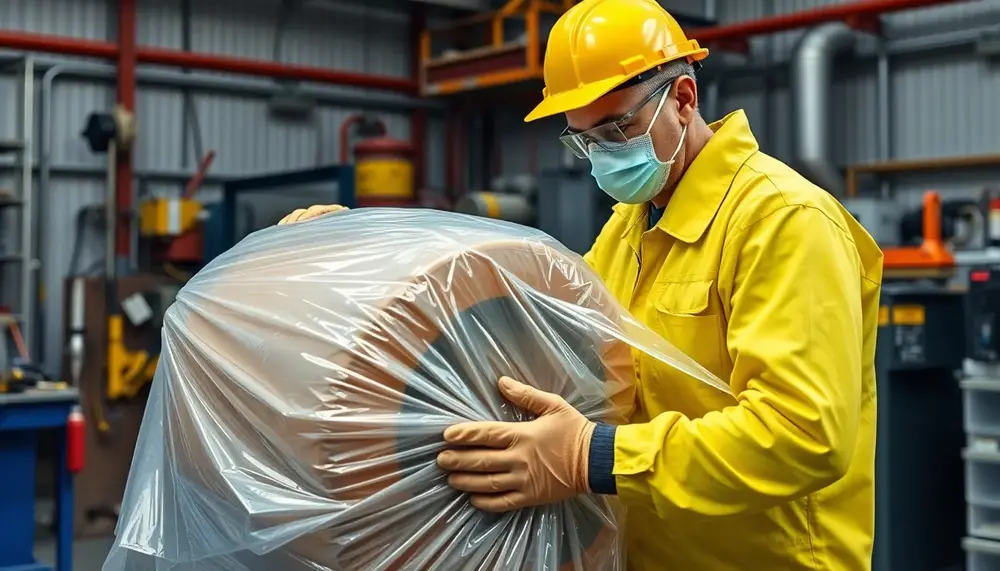
Asbestos-containing materials are classified as hazardous waste. They must be double-bagged in leak-tight, labeled containers and disposed of at authorized landfills that are permitted to accept asbestos waste. It is illegal to dispose of these materials in regular household or industrial trash.
Frequently Asked Questions
Does all old plastic contain asbestos? No. Asbestos was primarily used in specific industrial, electrical, and flooring applications to improve durability or heat resistance. Most household consumer plastics, such as those used in toys, containers, or modern electronics, do not contain asbestos.
Can I identify asbestos in floor tiles by looking at them? No. You cannot confirm the presence of asbestos by visual inspection. Older tiles (typically 9x9 inches, though not exclusively) have a higher probability of containing asbestos, but only laboratory analysis can provide a definitive answer.
Is it safe to drill into old electrical outlet boxes? If the box is made of a hard, brittle, dark-colored resin (often phenolic), it may contain asbestos. If you are unsure, do not drill, sand, or break the material. Treat it as asbestos-containing until proven otherwise by a laboratory test.
What should I do if I accidentally break a suspected asbestos plastic part? Immediately isolate the area by closing doors and windows. Do not attempt to sweep or vacuum the dust, as standard vacuums will circulate fibers into the air. Keep people away from the area and contact a professional abatement firm to handle the cleanup.
Do modern plastic products contain asbestos? In most developed nations, the use of asbestos in new consumer plastics has been phased out due to strict health regulations and the availability of safer, synthetic alternatives like glass fibers, aramid fibers, and various carbon-based reinforcements.
Professional Guidance and Recommendations
When dealing with suspected asbestos-containing plastics, prioritize the "In-Place Management" strategy. If the plastic is in good condition, keeping it painted, sealed, or covered (in the case of flooring) is significantly safer and more cost-effective than attempting removal.
If removal is unavoidable, never attempt a do-it-yourself approach. Asbestos-related diseases, such as mesothelioma and asbestosis, have long latency periods, and exposure—even at low levels—carries health risks. Always verify that your contractor is properly licensed, bonded, and insured specifically for asbestos abatement. If you are an employer, ensure that all maintenance staff are trained to recognize these materials and follow standard operating procedures for hazard avoidance.
For further regulatory guidance and specific laws applicable to your jurisdiction, refer to the official portals of your national environmental agency, such as the EPA in the United States or the Health and Safety Executive (HSE) in the United Kingdom. These resources provide the most current requirements for handling, notification, and disposal of hazardous materials.