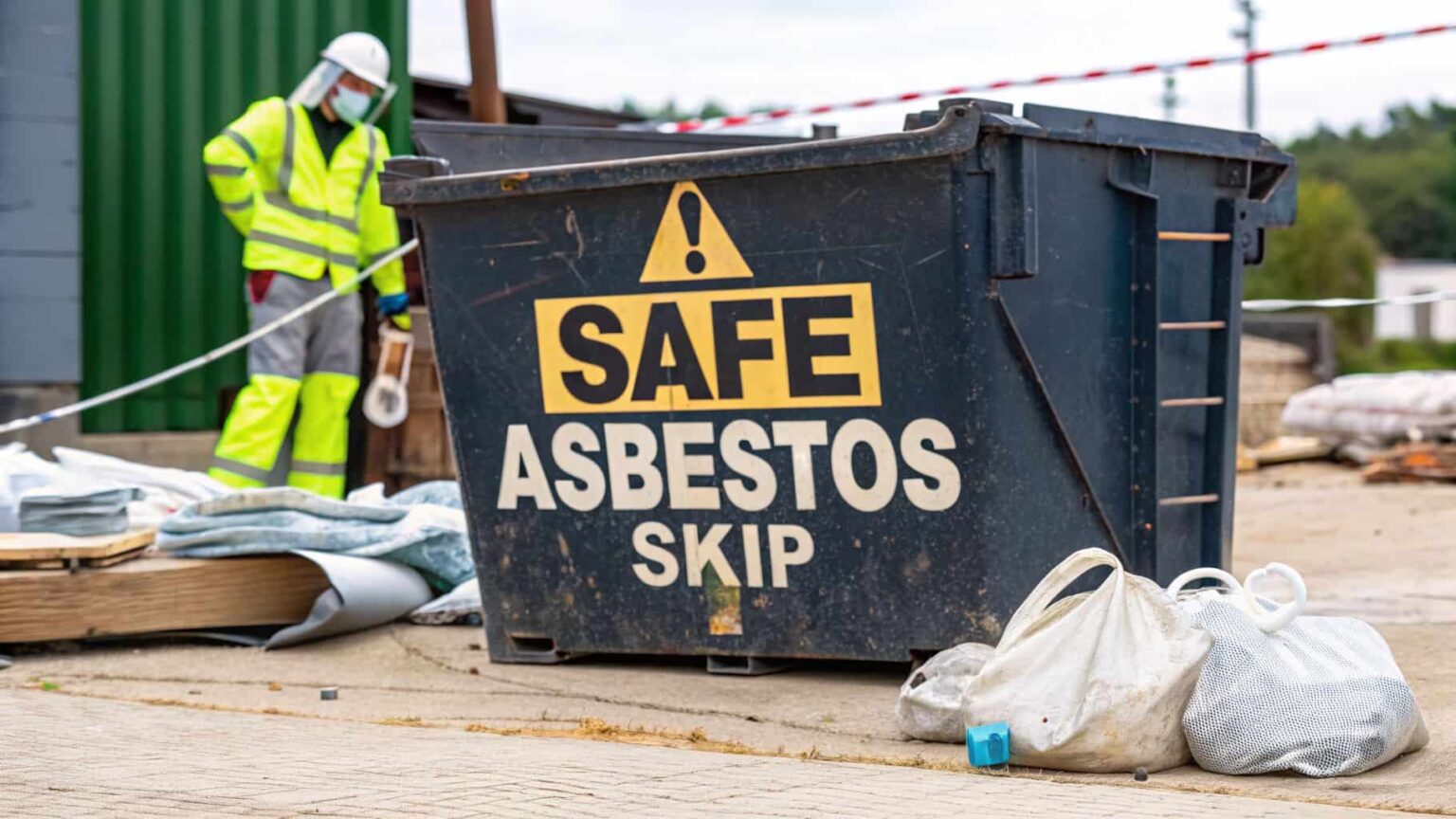
Asbestos removal and disposal requires strict adherence to safety protocols and environmental regulations to prevent the release of hazardous microscopic fibers into the air. Homeowners and property managers must identify asbestos-containing materials, engage licensed professionals for abatement, and ensure that all waste is transported and deposited at specialized, authorized landfill facilities in compliance with local law.
Understanding the Risks of Asbestos Exposure
Asbestos refers to a group of naturally occurring fibrous minerals that were historically valued for their thermal insulation, fire resistance, and tensile strength. Between the 1930s and the 1980s, these minerals were integrated into a wide range of building materials, including flooring tiles, pipe insulation, roofing shingles, and textured ceiling coatings.
The danger of asbestos arises when these materials become "friable"—meaning they can be crumbled, pulverized, or reduced to powder by hand pressure. When friable asbestos is disturbed, it releases microscopic fibers into the air. Because these fibers are inert and virtually indestructible, they can remain suspended for long periods. If inhaled, they lodge deep in the lungs, where they cause inflammation and scarring. Over decades, this exposure is clinically linked to serious medical conditions such as asbestosis, lung cancer, and mesothelioma.
It is critical to understand that the mere presence of asbestos in a building does not necessarily constitute an immediate health threat. If the material is in good condition, is not being disturbed, and is not releasing fibers, it is often safer to leave it undisturbed or encapsulate it than to initiate an aggressive removal process that could inadvertently increase airborne fiber counts.
Identifying Asbestos in Your Property
You cannot identify asbestos simply by looking at a material. Many building products that contain asbestos look identical to those that do not. If you are planning a renovation, demolition, or repair, you must first determine if asbestos is present.
Professional Inspection and Testing
The only reliable way to confirm the presence of asbestos is through laboratory analysis. This process should be performed by a certified building inspector or an industrial hygienist.
- Sampling: A professional will extract small, representative samples of suspected materials under controlled conditions. They use specialized equipment and wetting agents to ensure that the sampling process itself does not create a fiber release.
- Analysis: The samples are sent to an accredited laboratory—often utilizing Polarized Light Microscopy (PLM)—to determine the percentage and type of asbestos fibers present.
- Reporting: The inspector provides a detailed report listing all locations where asbestos was identified, the condition of those materials, and a professional recommendation regarding whether they should be managed in place or removed.
Legal and Regulatory Requirements in 2026
Regulatory frameworks for asbestos are designed to protect workers and the public. In 2026, most jurisdictions maintain strict statutes regarding who may perform removal and how waste must be handled.
The Licensed Professional Requirement
In most cases, DIY asbestos removal is strongly discouraged and, in many regions, illegal for non-professional homeowners. Licensed asbestos abatement contractors must undergo rigorous training, utilize specialized Personal Protective Equipment (PPE), and implement engineering controls such as Negative Pressure Units (NPUs) and High-Efficiency Particulate Air (HEPA) filtration systems.
Notification and Documentation
Before starting any significant removal project, contractors are often required to notify environmental protection agencies or local health departments. This notification process ensures that the authorities are aware of the potential hazard and can perform site inspections if necessary. Following the completion of the work, you should receive a waste shipment record or disposal manifest confirming that the asbestos-containing material (ACM) was accepted by a landfill permitted to receive hazardous or special waste.
The Professional Abatement Process
When removal is necessary, the contractor follows a standardized set of procedures to isolate the hazard. Understanding these steps allows you to monitor the project's quality and ensures you are receiving the professional service you are paying for.
1. Site Containment
The abatement area must be isolated from the rest of the building. This is typically achieved using heavy-duty plastic sheeting to seal off doors, windows, and HVAC vents. If the asbestos is being removed from an interior room, the area is placed under negative pressure. This means that air is constantly pulled out of the room through an NPU, creating an airflow pattern that prevents fibers from escaping into clean areas of the home.
2. Decontamination Units
Workers must pass through a multi-stage decontamination unit—often consisting of a clean room, a shower room, and an equipment room—when entering and exiting the work zone. This prevents workers from carrying asbestos dust on their clothing or skin into the public areas of the building.
3. Wetting and Removal
Asbestos materials are almost always removed using "wet methods." A water-based solution containing a surfactant (a wetting agent) is sprayed onto the asbestos to keep it saturated throughout the removal process. This significantly reduces the likelihood of fiber release. The materials are carefully dismantled or scraped away, rather than broken or sanded.
4. HEPA Cleaning and Clearance
Once the materials have been removed, all surfaces in the containment zone are cleaned using HEPA-filtered vacuums and wet-wiping techniques. The final step is a "clearance test." An independent environmental consultant returns to the site to conduct air sampling or visual inspections to confirm that the fiber concentration is below established safety thresholds before the containment is dismantled.
Comparison of Management Strategies
Homeowners must decide whether to remove, encapsulate, or enclose asbestos. The following table compares these approaches based on site conditions.
| Strategy | Definition | Best For | Pros | Cons |
|---|---|---|---|---|
| Removal | Total extraction of ACM | Impending renovations or major structural damage | Permanent elimination of risk | High cost; high risk during the process |
| Encapsulation | Coating the material with a sealant | Solid materials in good condition | Immediate and low-cost solution | Requires periodic monitoring |
| Enclosure | Installing a physical barrier | Pipe insulation or ceiling tiles | Non-invasive; keeps material intact | Increases building weight/volume |
Costs and Financial Considerations
The cost of asbestos removal is highly variable and depends on the volume, accessibility, and type of asbestos.
- Labor Costs: Because of the stringent training, insurance, and equipment requirements, asbestos abatement is labor-intensive. Most firms charge a premium for mobilizing a crew and setting up containment, meaning small jobs (such as removing a single pipe elbow) can be disproportionately expensive compared to larger projects.
- Disposal Fees: Asbestos is classified as "special waste." Landfills charge significantly higher tipping fees for asbestos than for standard construction debris.
- Testing and Consulting Fees: Do not overlook the cost of the initial testing and the final clearance air monitoring. These services are typically billed separately from the abatement contractor’s quote, ensuring an objective verification of the project's success.
Safety and Troubleshooting
If you discover damaged material that you suspect contains asbestos, your priority should be minimizing movement.
- Do not vacuum or sweep: Using a standard vacuum cleaner—even one with a bag—will blow microscopic asbestos fibers into the air, spreading the contamination throughout your home.
- Restrict access: If a ceiling tile has collapsed or pipe insulation has cracked, isolate the area immediately. Close doors and place a wet towel at the base of the door to prevent dust migration.
- Seek expert advice: Contact a local environmental consultant. They can provide a preliminary assessment and help you decide whether the hazard requires immediate emergency abatement or if it can be managed with professional containment until a full-scale renovation is planned.
Frequently Asked Questions
Can I legally remove asbestos from my own home in 2026? While some jurisdictions may allow limited DIY removal in non-friable states, it is strongly discouraged. Asbestos is a hazardous material, and local health and safety regulations are increasingly restrictive. You are liable for any environmental contamination you cause, which can lead to significant remediation costs and legal penalties.
How do I find a reputable asbestos removal contractor? Seek out firms that have specific, active licenses for asbestos abatement. You should ask for proof of insurance, specifically noting that their policy covers pollution liability. Ask to see a portfolio of recent, similar projects and obtain references. A reputable firm will also be able to explain their waste disposal chain clearly.
What is the difference between friable and non-friable asbestos? Friable asbestos can be crumbled into dust with light pressure, releasing fibers into the air easily. Non-friable asbestos, such as that found in floor tiles or "transite" cement siding, is bound within a hard matrix. While non-friable materials are safer, they can become friable if sanded, sawed, or crushed during demolition.
How do I confirm the removal was done correctly? Never rely solely on the contractor’s word. Insist on a final visual inspection and, preferably, air clearance testing performed by a third-party, independent industrial hygienist. This verification documentation is critical for your own peace of mind and for potential resale of the property.
Is there a government agency that provides guidance on asbestos? In the United States, the Environmental Protection Agency (EPA) and the Occupational Safety and Health Administration (OSHA) provide extensive resources on asbestos safety. Most states also have dedicated departments—often under the state's environmental protection agency—that manage licenses and regional regulations.
Recommended Next Steps
If you suspect asbestos is present, do not touch or disturb the material. Start by locating an accredited environmental testing lab or a certified inspector in your municipality. Obtain a professional assessment, and if removal is recommended, request quotes from at least three licensed, insured abatement contractors. Verify their certifications through your local state or regional environmental agency before signing any work agreements.