ASC 842 lease accounting software is a specialized technology platform designed to help organizations transition from the legacy ASC 840 standard to the current Financial Accounting Standards Board (FASB) guidelines. It automates the calculation of right-of-use assets and lease liabilities, manages complex disclosure requirements, and ensures precise financial reporting for both operating and finance leases.
The implementation of ASC 842 represented one of the most significant shifts in financial reporting history, fundamentally changing how organizations account for lease obligations. Under the legacy standard, many leases remained "off-balance sheet," obscured from investors and auditors. The current FASB Accounting Standards Codification (ASC) Topic 842 requires virtually all leases—with the exception of short-term leases (12 months or less)—to be recognized on the balance sheet. By 2026, the challenge for organizations has shifted from the initial "day-one" compliance phase to maintaining ongoing audit readiness, handling lease modifications, and managing complex remeasurement events efficiently.
The Core Mandate of ASC 842
The primary goal of ASC 842 is to increase transparency by requiring lessees to recognize a right-of-use (ROU) asset and a corresponding lease liability for almost all lease contracts. For financial teams, this manual exercise is fraught with risk. Calculating the present value of future lease payments requires precise application of discount rates, often involving incremental borrowing rates (IBR) or implicit rates, and adjusting for variable lease payments, renewal options, and termination penalties.
Without dedicated software, companies often rely on spreadsheets to manage these calculations. While spreadsheets may suffice for a small portfolio with simple terms, they become a significant liability as lease volumes grow. The lack of version control, the difficulty in tracking modifications (such as extensions or partial terminations), and the inability to automate journal entries present high risks for manual errors and material misstatements during an audit.
How ASC 842 Lease Accounting Software Functions
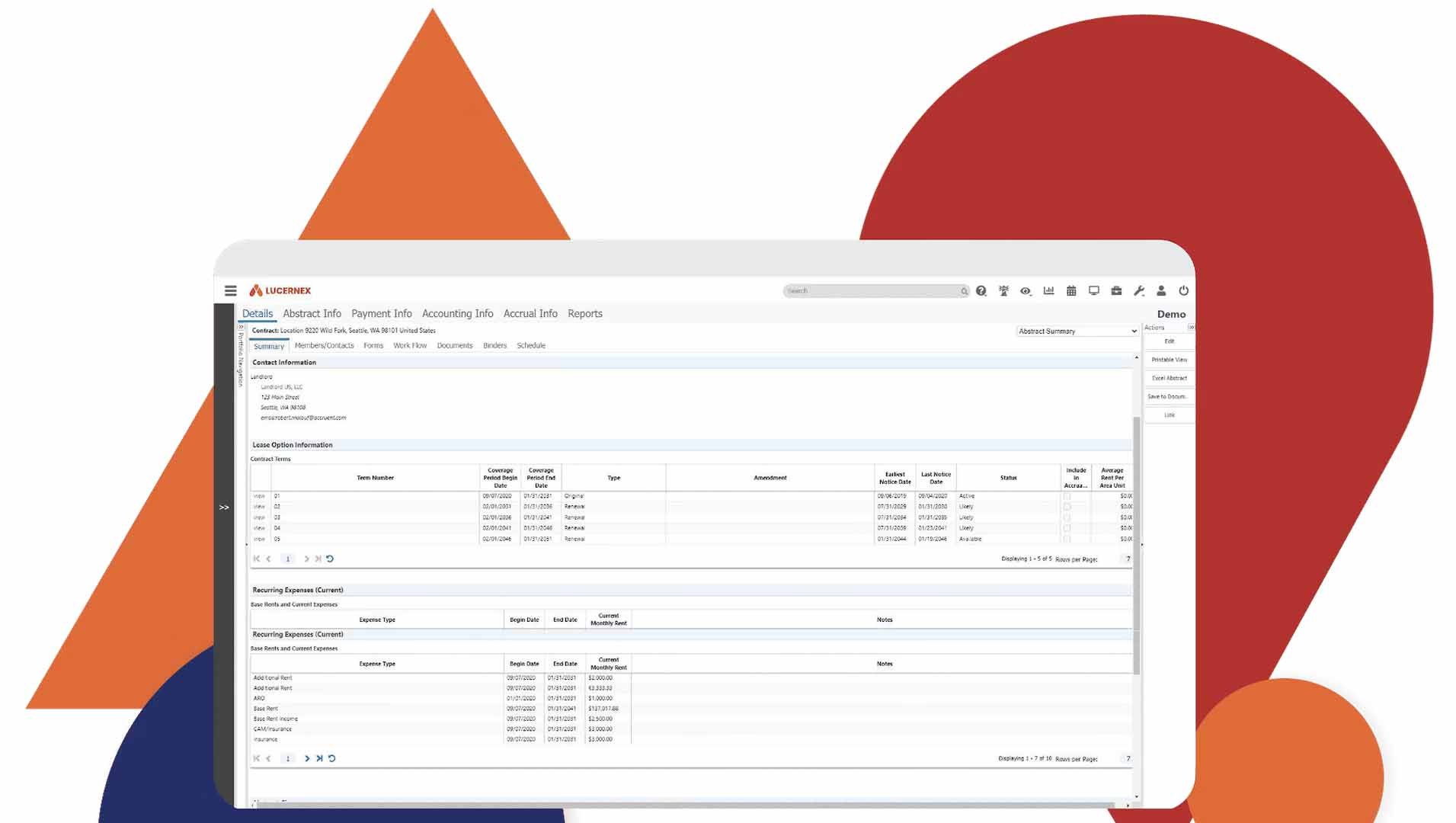
Effective lease accounting software operates as a central repository for all lease data, moving beyond basic storage to provide active financial intelligence. The software bridges the gap between the contract management phase and the general ledger.
1. Data Abstraction and Centralization
The system functions as a "single source of truth." It captures critical data points: commencement dates, lease terms, payment schedules, rent escalations (such as CPI-linked increases), and options to extend or purchase. By centralizing these data points, the software allows accounting teams to apply consistent logic across the entire portfolio.
2. Automated Calculations
The software automatically performs the complex calculations required by FASB. When a lease starts, the system calculates the initial ROU asset and liability based on the present value of future payments. As time progresses, the software performs the necessary amortization of the ROU asset and the accretion of the lease liability, generating the relevant journal entries for the general ledger.
3. Handling Lease Modifications and Remeasurements
Lease terms are rarely static. Business needs change, leading to early terminations, scope reductions, or contract extensions. ASC 842 requires specific accounting treatment for these modifications. Advanced software identifies when a modification triggers a remeasurement event and automatically recalculates the ROU asset and liability, ensuring that the financial impact is captured accurately in the correct reporting period.
Key Features to Evaluate in 2026
As the market has matured, the features offered by lease accounting software have become increasingly sophisticated. When evaluating solutions, prioritize functionality that addresses the "day-two" lifecycle of the lease.
| Feature Category | Description | Why It Matters |
|---|---|---|
| Journal Entry Automation | Direct integration with ERP systems (e.g., SAP, Oracle, NetSuite). | Eliminates manual data entry, reducing risk of human error. |
| Audit Trail Capabilities | Immutable logs of every change made to lease data or accounting assumptions. | Essential for providing auditors with transparency and accountability. |
| Disclosure Reporting | Built-in report templates that output data formatted for ASC 842 footnotes. | Saves dozens of hours during month-end or year-end closing cycles. |
| Modification Tracking | Automated workflows for remeasuring assets when terms change. | Ensures compliance during re-assessments, renewals, or partial terminations. |
| Multi-Currency Support | Handles leases denominated in foreign currencies with automated revaluation. | Necessary for global organizations with international real estate or equipment leases. |
The Role of Integration in Accounting Workflows
The effectiveness of lease accounting software is heavily dependent on how well it interacts with your existing financial ecosystem. In 2026, the gold standard for software is seamless, bi-directional integration with Enterprise Resource Planning (ERP) systems.
When your lease software is integrated, the system pushes journal entries directly into the general ledger. This eliminates the "spreadsheet re-keying" step, which is the most frequent point of failure in accounting controls. Furthermore, integration ensures that the financial data remains in sync; if an invoice is processed in the AP module, it can be verified against the expected payment schedule in the lease module, flagging potential variances that might indicate a lease modification or an accounting discrepancy.
Common Pitfalls and How to Avoid Them
Even with robust software, organizations can encounter significant hurdles. A common mistake is treating lease accounting as a purely "IT" project. ASC 842 is a complex accounting standard; the software is merely a tool to facilitate compliance, not a substitute for accounting expertise.
- Garbage In, Garbage Out: If the initial lease data abstraction is incorrect—such as misinterpreting an "option to extend" as a "reasonably certain" renewal—the software will yield incorrect financial results.
- Neglecting the "Day-Two" Workflow: Organizations often focus on the initial implementation and fail to establish processes for who is responsible for updating the system when a lease is modified. Ensure that there is a clearly defined workflow between the Real Estate department and the Accounting department.
- Ignoring Non-Lease Components: ASC 842 requires the separation of lease and non-lease components (such as service fees, maintenance, or taxes) unless the organization elects the practical expedient to bundle them. Failing to configure the software to handle these components correctly can lead to inflated lease liabilities.
Security and Data Sovereignty
Since lease accounting software contains highly sensitive proprietary data—including lease rates, landlord details, and long-term financial commitments—security cannot be an afterthought.
By 2026, organizations must ensure that their chosen software provider adheres to SOC 1 and SOC 2 Type II compliance standards. These reports provide independent verification that the vendor has the necessary controls in place to protect the confidentiality, integrity, and availability of your data. Additionally, consider the location of data centers if your organization operates in jurisdictions with strict data residency laws, such as those within the EU or specific US states with emerging privacy regulations.
Frequently Asked Questions
1. Does my company need dedicated software, or can we stick with spreadsheets? While spreadsheets may work for very small, static portfolios, they lack the automated audit trails and complex calculation capabilities required for ASC 842 compliance as your portfolio evolves. If you have multiple lease types, varying renewal options, or frequent modifications, software is recommended to mitigate the high risk of audit findings.
2. How does ASC 842 software handle the Incremental Borrowing Rate (IBR)? The software should include a module or input field for the IBR, which is used to calculate the present value of the lease payments. Users must be able to update these rates periodically as market conditions or credit profiles change, ensuring that remeasurements are based on the most accurate data available.
3. Is cloud-based lease accounting software secure? Most modern lease accounting platforms are SaaS (Software-as-a-Service) solutions. As long as the provider maintains rigorous SOC 2 compliance, utilizes encryption for data at rest and in transit, and offers multi-factor authentication, cloud-based platforms are generally more secure than decentralized spreadsheets stored on local drives.
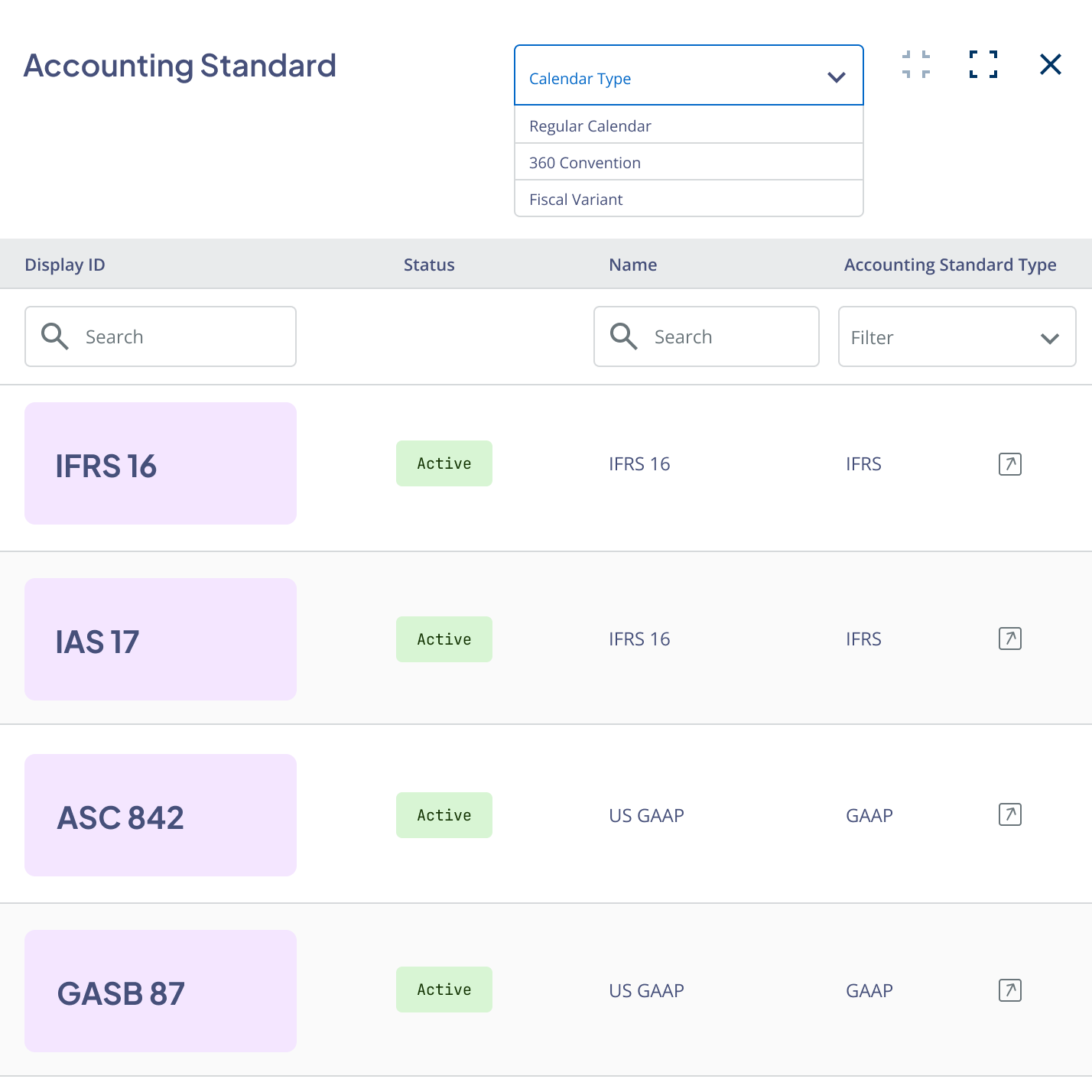
4. Can this software assist with IFRS 16 compliance as well? Yes, most enterprise-grade lease accounting software is "dual-compliant." These systems allow you to configure settings to generate reports that satisfy both the US-based ASC 842 standards and the international IFRS 16 standards simultaneously, which is critical for multinational organizations.
Establishing the Next Steps
If you are currently managing lease accounting through manual processes or outdated tools, the first step is to conduct a portfolio audit. Determine the volume and complexity of your existing leases. Once you have a clear scope, invite vendors to provide demonstrations focused specifically on your organization's unique challenges, such as your specific ERP integration requirements or your process for determining discount rates.
The implementation of dedicated ASC 842 lease accounting software should be viewed as an investment in operational resilience. By automating the recurring calculations and creating an ironclad audit trail, your finance team can shift their focus from manual data reconciliation to higher-level financial analysis and strategic decision-making.