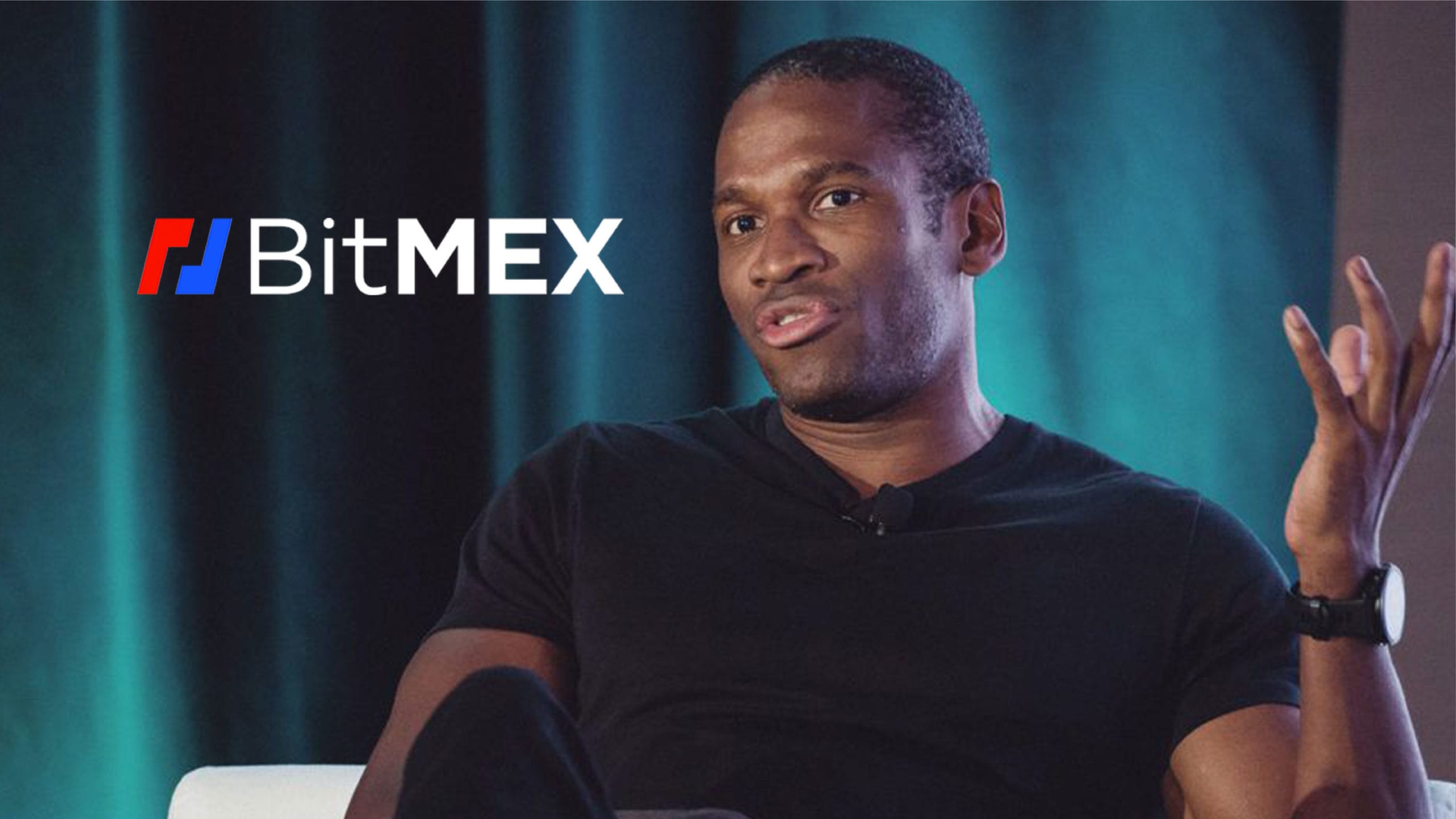
Determining the net worth of Arthur Hayes, the co-founder of the cryptocurrency derivatives exchange BitMEX, involves navigating a blend of public records, historical market valuations, and the private nature of his investment holdings. As of 2026, his wealth is primarily derived from his early success in the fintech sector, his strategic positioning in high-volatility cryptocurrency assets, and his active role as a venture capitalist and thought leader within the decentralized finance ecosystem.
The Foundation: BitMEX and Early Crypto Wealth
Arthur Hayes transitioned from a career in traditional finance—specifically as an equity derivatives trader at Deutsche Bank—into the nascent cryptocurrency market in the early 2010s. Recognizing a significant gap in the market for sophisticated trading tools, he co-founded BitMEX (Bitcoin Mercantile Exchange) in 2014 alongside Ben Delo and Samuel Reed.
BitMEX became a landmark entity in the crypto industry by introducing the "perpetual swap," a derivative product that allowed traders to speculate on the price of Bitcoin without the need for an expiration date. This innovation proved incredibly popular, driving the exchange to become one of the most liquid and volume-heavy platforms globally. During its peak years of operation between 2017 and 2020, BitMEX generated substantial transaction fees. As one of the primary architects and a significant equity holder of the exchange, Hayes’s net worth grew in direct correlation with the astronomical rise in crypto trading volumes and the appreciation of his personal Bitcoin holdings during this period.
Regulatory Challenges and Financial Implications
The financial trajectory of Arthur Hayes cannot be analyzed without acknowledging the legal proceedings that impacted BitMEX. In 2020, the U.S. Commodity Futures Trading Commission (CFTC) and federal prosecutors brought charges against the exchange’s founders, alleging violations of the Bank Secrecy Act and failure to implement adequate Anti-Money Laundering (AML) programs.
In 2022, Hayes entered a plea regarding these charges, which resulted in significant legal expenditures and mandatory financial settlements. While public reporting on the exact dollar value of these legal settlements is often fragmented, the impact on his liquidity and liquid assets was substantial. Despite these challenges, the foundational success of BitMEX provided a capital cushion that allowed Hayes to transition into his current role as a private investor and essayist. His net worth today is less about the direct cash flows from BitMEX and more about his diversified portfolio of digital assets and early-stage project investments.
Venture Capital and Intellectual Capital
Since moving away from the daily operations of BitMEX, Hayes has established himself as a prolific investor through his family office, Maelstrom. Unlike his earlier work as an exchange operator, his current financial focus involves funding infrastructure projects within the blockchain space.
His net worth is increasingly tied to the performance of these "altcoins" and decentralized protocols. By acting as a venture capitalist, Hayes gains equity positions in startups long before they reach public markets. This strategy carries high risk but also high reward, common in the venture capital sector. Furthermore, his writing—often published via his personal blog—serves as a form of intellectual capital. His market analysis and macroeconomic commentary are widely read by institutional investors, which theoretically influences market sentiment and aligns with his investment positions, creating a feedback loop between his research and his portfolio performance.
Comparative Financial Metrics in Crypto Finance
To understand the scale of wealth associated with figures like Arthur Hayes, it is helpful to compare the sources of income and risk profiles prevalent in the industry. The following table illustrates the typical evolution of wealth for crypto entrepreneurs.
| Stage of Development | Primary Income Source | Risk Exposure | Liquidity Profile |
|---|---|---|---|
| Startup Founder | Equity in the exchange/platform | Extreme (Operational/Legal) | Low (Locked in equity) |
| Market Expansion | Trading fees/Platform revenue | High (Market volatility) | High (Cash flow rich) |
| Post-Exit Investor | Portfolio dividends/Token appreciation | Moderate to High (Project failure) | Variable (Asset dependent) |
| Thought Leader | Consulting/Speaking/Substack/VC | Low (Intellectual capital) | High (Stable cash flow) |
Asset Allocation and Wealth Preservation
One of the defining characteristics of high-net-worth individuals in the cryptocurrency sector is the transition from "single-asset concentration" to "portfolio diversification." In the early years of BitMEX, Hayes’s net worth was heavily concentrated in Bitcoin. As his wealth matured, it is widely understood that he pivoted toward a broader spectrum of assets.
- Direct Token Holdings: Hayes maintains significant positions in liquid cryptocurrencies, acting as a "whale" who can influence market liquidity.
- Venture Equity: Through Maelstrom, he holds stakes in decentralized finance (DeFi) protocols, Layer 1 and Layer 2 scaling solutions, and infrastructure tools.
- Real-World Assets (RWA): Like many ultra-high-net-worth individuals, it is standard practice to balance volatile crypto assets with traditional real estate, fiat-denominated bonds, and equity in non-crypto technology firms to preserve wealth against market crashes.
The Role of Market Sentiment on Valuation
Because a large portion of Arthur Hayes’s net worth is tied to digital assets and venture equity, his "net worth" is highly fluid. Unlike a traditional CEO whose wealth might be measured by the share price of a public company, Hayes’s wealth fluctuates in real-time with global crypto market cycles. When Bitcoin or his invested projects see a 20% correction, his net worth shifts accordingly.
This fluidity is a key consideration for anyone analyzing the wealth of crypto pioneers. There is no "official" audited balance sheet that tracks his assets. Instead, estimates often rely on tracing public blockchain addresses—which are inherently pseudonymous and difficult to link definitively—and calculating the value of publicly disclosed venture capital stakes. Therefore, any figures regarding his net worth should be treated as estimations based on market capitalization of his known holdings rather than verified personal bank statements.
Managing Risk in a High-Volatility Career
Arthur Hayes has faced multiple cycles of extreme gain and significant loss. His ability to maintain a high net worth through these cycles is attributed to his background in traditional finance, which emphasizes hedging and risk management.
For the average investor looking at Hayes as a model for wealth accumulation, the most important takeaway is not the specific dollar amount, but the strategy of asymmetry. Hayes consistently seeks out trades and investments where the potential upside is significantly higher than the downside. Whether it was the introduction of the perpetual swap or his early bets on specific DeFi protocols, his career has been defined by identifying market inefficiencies before they become mainstream.
Frequently Asked Questions
How is the net worth of public figures like Arthur Hayes calculated? Net worth for individuals in crypto is typically estimated by aggregating known equity stakes in private companies, the market value of public token holdings (where addresses can be verified), and estimated income from historical ventures. Because these figures are not audited, they are estimates, not exact data.
Does Arthur Hayes still own BitMEX? Following the 2020 legal developments, Arthur Hayes stepped down from his executive role at 100x Group (the parent company of BitMEX). While he may retain equity, he is no longer involved in the daily operations or management of the exchange.
What is the primary source of Arthur Hayes's wealth today? His current wealth is largely derived from his venture capital firm, Maelstrom, which invests in early-stage cryptocurrency projects, alongside a long-term portfolio of digital and traditional assets.
How does Arthur Hayes’s background in finance influence his wealth? His experience at Deutsche Bank provided him with an understanding of derivative products and market structure that few early crypto entrepreneurs possessed. This technical knowledge allowed him to build products that appealed to institutional traders, accelerating his initial wealth accumulation.
Is it possible to track Arthur Hayes's investments? While personal wallet addresses are often private, his venture capital firm, Maelstrom, publicly discloses many of its portfolio investments. Following the firm's portfolio updates is the most accurate way to understand his current investment interests.
Conclusion and Practical Perspective
The net worth of Arthur Hayes is a reflection of a career built on bridging the gap between high-frequency trading and cryptocurrency. While his early wealth was tied to the explosive growth of BitMEX, his current financial status is defined by a strategic approach to venture capital and a deep understanding of market cycles. For those interested in his financial path, focusing on his investment methodology and his shift toward foundational blockchain infrastructure offers more actionable insight than attempting to pinpoint a specific, fluctuating dollar figure. Investors should always conduct their own due diligence, as the strategies employed by high-net-worth venture capitalists often involve risks and liquidity lock-up periods that are not suitable for all participants in the market.