Finding the best auto insurance in Apalachicola requires balancing Florida’s mandatory Personal Injury Protection (PIP) with comprehensive coverage designed for coastal risks. For most residents in 2026, Florida Farm Bureau and Progressive offer the strongest combination of local service, competitive pricing, and robust claims support for Franklin County’s unique driving environment.
Understanding Florida’s Insurance Landscape in 2026
The Florida insurance market has undergone significant shifts leading up to 2026. Following the legislative reforms of 2023, which addressed long-standing issues with litigation and "one-way" attorney fees, the market has seen a gradual stabilization. However, Florida remains one of the most expensive states for auto insurance in the nation. This is due to a combination of high population density in urban centers, a high percentage of uninsured motorists, and the ever-present threat of severe weather events.
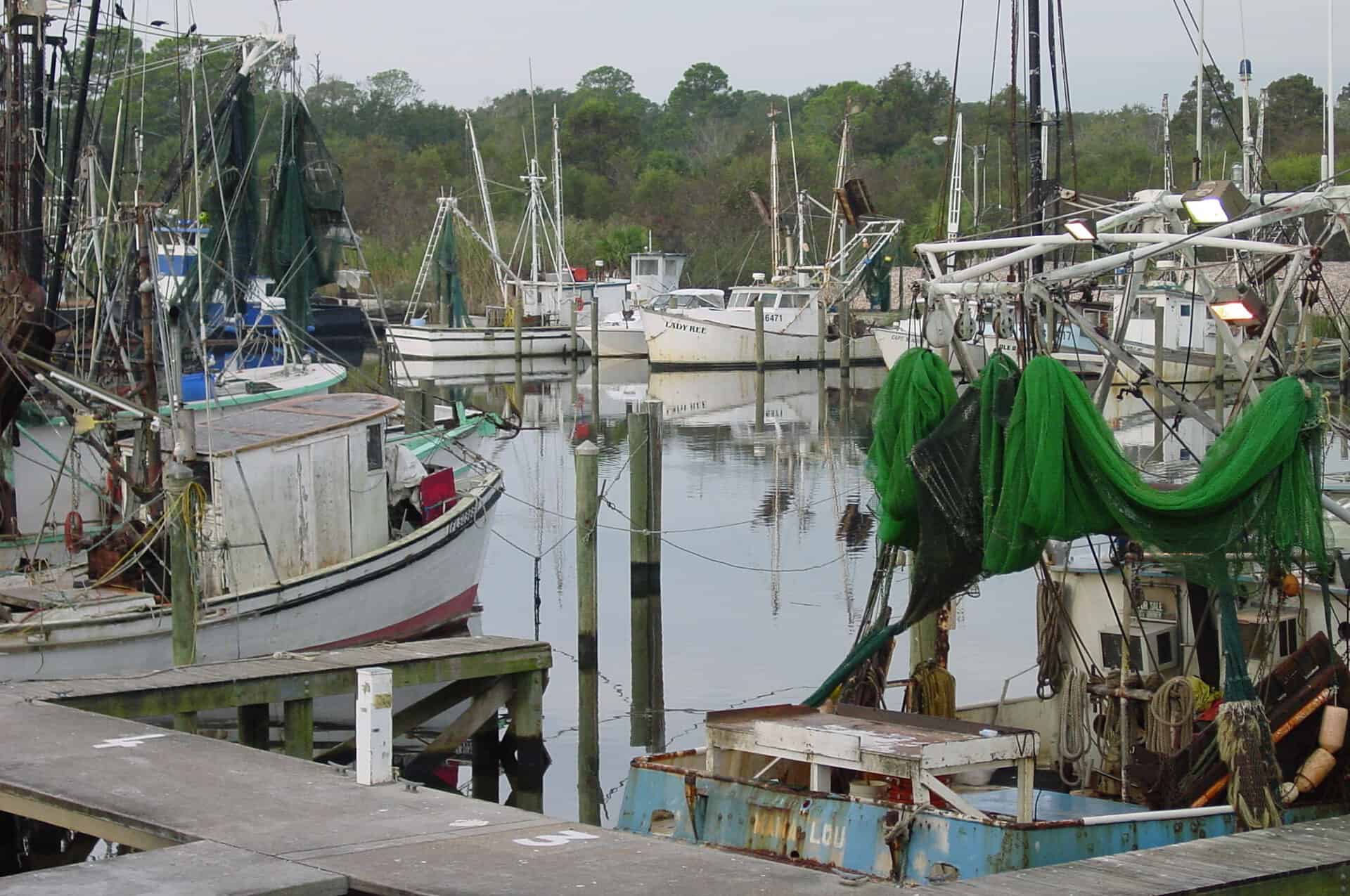
For residents of Apalachicola, the situation is slightly different than in cities like Miami or Tampa. Franklin County typically experiences lower traffic congestion, which can lead to lower base premiums. Conversely, the proximity to the Gulf of Mexico introduces specific risks—such as salt air corrosion and hurricane-related flooding—that require specialized coverage considerations. When searching for the "best" insurance, residents must look beyond the monthly premium and evaluate how a policy performs when a vehicle is damaged by a storm surge or a collision with local wildlife on Highway 98.
Mandatory vs. Recommended Coverage in Franklin County
Florida operates under a "no-fault" insurance system. This means that regardless of who is at fault in an accident, your own insurance provider pays for your medical expenses up to a certain limit. To legally operate a motor vehicle in Apalachicola, you must meet the state's minimum financial responsibility requirements.
Personal Injury Protection (PIP)
In 2026, PIP remains a mandatory component of Florida auto insurance. It provides coverage for 80% of all necessary and reasonable medical expenses, 60% of lost wages, and $5,000 in death benefits. The standard limit is $10,000. While this provides a safety net, medical costs in 2026 often exceed this limit quickly after a major accident, making additional medical payments coverage a wise consideration for many families.
Property Damage Liability (PDL)
The state requires a minimum of $10,000 in PDL. This covers damage that you or members of your household cause to another person’s property while driving. Given that the average cost of a new vehicle in 2026 has continued to rise, a $10,000 limit is often insufficient. If you are found liable for totaling a modern electric vehicle or damaging local infrastructure in the historic district, you could be personally responsible for costs exceeding that $10,000 cap.
The Critical Need for Bodily Injury Liability (BIL)
Unlike many other states, Florida does not technically require Bodily Injury Liability for all drivers (though it is required for those with a history of certain traffic violations or accidents). However, carrying BIL is highly recommended. If you cause an accident that results in serious injury or death to others, BIL protects your personal assets from lawsuits. In a close-knit community like Apalachicola, protecting your financial future with at least $50,000/$100,000 in BIL coverage is considered a best practice by local financial advisors.
Top-Rated Auto Insurance Providers in Apalachicola
Selecting a provider involves evaluating financial stability, customer service ratings, and the availability of local agents who understand the Franklin County geography.
Florida Farm Bureau
Florida Farm Bureau is often cited as a top choice for Apalachicola residents. Because they operate on a membership basis, they tend to offer highly personalized service. Their deep roots in Florida’s rural and coastal communities mean they are well-versed in handling claims related to agricultural equipment on the roads and storm-related damage. For those who prefer a "brick-and-mortar" experience where they can speak to an agent who knows the local area, this is often the gold standard.
Progressive
Progressive has maintained a strong market share in Florida through 2026 by leveraging advanced telematics. Their "Snapshot" program allows Apalachicola drivers—who may drive fewer miles and on less congested roads than those in Tallahassee—to earn significant discounts based on their actual driving habits. Progressive is also known for a streamlined digital claims process, which is beneficial for the younger demographic and tech-savvy residents in the area.
State Farm
As the largest property and casualty insurer in the state, State Farm offers extensive bundling options. For Apalachicola homeowners, bundling auto and home insurance through State Farm can lead to substantial "multi-line" discounts. Their financial strength is a major selling point, providing peace of mind that claims will be paid even after a widespread catastrophic event like a hurricane.
USAA
For the military community near the Forgotten Coast and those connected to nearby bases, USAA consistently ranks highest for customer satisfaction. Their rates are typically the most competitive, and their understanding of the military lifestyle—including vehicle storage during deployments—is unmatched.
Coastal Risk Factors: Why Apalachicola is Different
Insuring a vehicle in Apalachicola involves technical considerations that don't apply to inland cities. The environment itself acts as a slow-moving hazard to vehicle longevity and value.
- Salt Air Corrosion: The high salinity in the air can lead to premature rusting of the undercarriage and brake components. While insurance doesn't cover "wear and tear," it does affect the "Actual Cash Value" (ACV) of your vehicle during a total loss claim. Keeping maintenance records is vital to prove the vehicle was in "above average" condition despite the environment.
- Flood and Storm Surge: Comprehensive coverage is essential here. Standard collision insurance does not cover a vehicle that is submerged in a storm surge during a tropical storm. Only comprehensive coverage protects against "Acts of God," including flooding, falling tree limbs (common in the canopy-heavy residential areas), and wind damage.
- Wildlife Collisions: Driving along Highway 98 or State Road 65 involves a high risk of deer and other wildlife crossings. These incidents are covered under comprehensive insurance, not collision. Given the repair costs of modern sensor-heavy bumpers in 2026, a low comprehensive deductible is often a smart investment for local commuters.
Comparing Premiums: A Data-Driven Approach
The following table provides an estimate of how different factors and providers compare for a standard resident in Apalachicola in 2026. These figures are based on a 35-year-old driver with a clean record and a 2023 mid-sized sedan.
| Provider | Estimated Annual Premium (Full Coverage) | Local Agent Availability | Best Known For |
|---|---|---|---|
| Florida Farm Bureau | $2,150 - $2,400 | High (Local Office) | Customer Loyalty & Rural Expertise |
| Progressive | $1,980 - $2,300 | Moderate (Online/Local) | Telematics & Competitive Pricing |
| State Farm | $2,200 - $2,550 | High (Local Office) | Bundling Discounts & Stability |
| GEICO | $1,850 - $2,100 | Low (Remote/Direct) | Low Cost for Direct Buyers |
| USAA | $1,700 - $1,950 | N/A (Military Only) | Superior Service & Lowest Rates |
Note: Premiums are estimates for 2026 and vary based on individual credit scores, driving history, and specific vehicle safety features. Sources for market trends include the Florida Office of Insurance Regulation and the Insurance Information Institute.
How to Lower Your Premiums in Apalachicola
In a high-cost state like Florida, proactive management of your policy is the only way to keep insurance affordable.
- Audit Your Deductibles: If you have an older vehicle that is paid off, consider whether the cost of collision and comprehensive coverage exceeds the potential payout. For newer vehicles, raising your deductible from $500 to $1,000 can reduce your monthly premium by 15-20%. Ensure you have that $1,000 set aside in an emergency fund.
- Utilize Telematics: Enroll in programs that track your driving. Since Apalachicola lacks the stop-and-go traffic of major cities, you are less likely to be penalized for "hard braking" and more likely to benefit from "safe driving" credits.
- Improve Your Credit Score: In Florida, insurance companies use a credit-based insurance score to predict risk. Improving your credit score can have a more significant impact on your auto insurance rate than almost any other factor besides your driving record.
- Verify Safety Features: Ensure your insurer is aware of all safety tech in your 2026-era vehicle. Features like automatic emergency braking, lane-keep assist, and advanced anti-theft systems often trigger small but meaningful discounts.
Navigating the Claims Process Locally
If you are involved in an accident in Apalachicola, the procedure you follow can impact the speed and success of your claim.
- Immediate Documentation: Use your smartphone to take wide-angle and close-up photos of the scene, the vehicles, and any landmarks. If the accident happened near the waterfront, note the tide or weather conditions.
- Report to Law Enforcement: In Franklin County, contact the Apalachicola Police Department or the Franklin County Sheriff's Office. A formal police report is often required by insurers to process a claim, especially if there is a dispute over fault.
- Choose the Right Repair Shop: Most major insurers have "preferred" shops. While you have the right to choose your own repair facility, using a network shop often comes with a lifetime guarantee on the work, which is important for ensuring salt-resistant parts are used in repairs.
- PIP Filing Deadlines: You must seek medical treatment within 14 days of an accident to utilize your PIP benefits in Florida. Even if you feel fine, a "wellness check" is necessary to preserve your right to coverage for injuries that may manifest later, such as whiplash.
Frequently Asked Questions
Does my auto insurance cover my car if it's flooded during a hurricane in Apalachicola?
Yes, but only if you have Comprehensive Coverage. Collision coverage and basic state-minimum liability will not cover flood damage. If your vehicle is submerged or suffers water damage from a storm surge, it is typically handled as a total loss claim under the comprehensive portion of your policy.
Is Uninsured Motorist coverage necessary in Florida?
While not legally required, Uninsured Motorist (UM) coverage is highly recommended in 2026. Florida historically has one of the highest rates of uninsured drivers in the country (often exceeding 20%). If an uninsured driver hits you, UM coverage pays for your medical bills and lost wages beyond what your PIP covers.
How does the 2023 Florida Tort Reform affect my 2026 rates?
The 2023 reforms (House Bill 837) were designed to reduce frivolous litigation by changing the state's comparative negligence system and eliminating one-way attorney fees. By 2026, these changes have helped slow the rate of premium increases by reducing the legal costs insurers must pass on to consumers.
Can I get a discount for a vehicle stored during hurricane season?
Some insurers offer "lay-up" or "storage" credits if you are a seasonal resident who leaves a vehicle in Apalachicola while you are away. However, you must maintain comprehensive coverage to protect the vehicle against theft or storm damage while it is stored.
What should I do if my insurance company cancels my policy?
If you receive a non-renewal notice, you must act quickly. In 2026, the Florida market is competitive enough that you will find another carrier, but gaps in coverage lead to much higher rates. Contact a local independent agent who can shop multiple carriers simultaneously to find a replacement policy before your current one expires.
Final Recommendation for Residents
For the majority of Apalachicola drivers, the best strategy in 2026 is to seek a quote from Florida Farm Bureau first, as their localized knowledge of Franklin County is unparalleled. If you are comfortable with digital-first management and have a clean driving record, Progressive will likely provide the most competitive pricing via telematics. Always ensure you carry more than the state minimums; at a minimum, aim for Bodily Injury Liability and Comprehensive coverage to protect against the specific environmental risks of the Forgotten Coast.