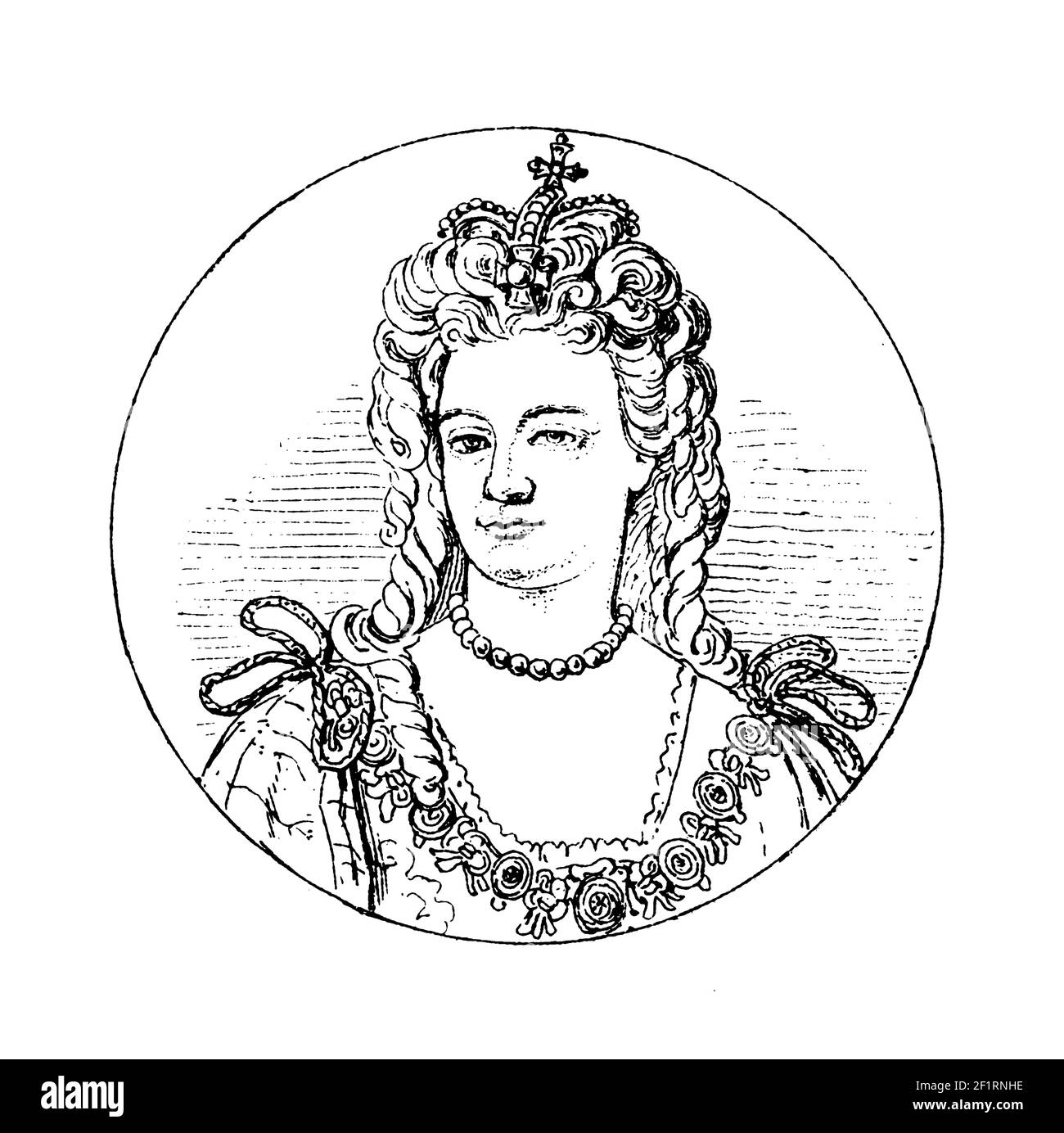
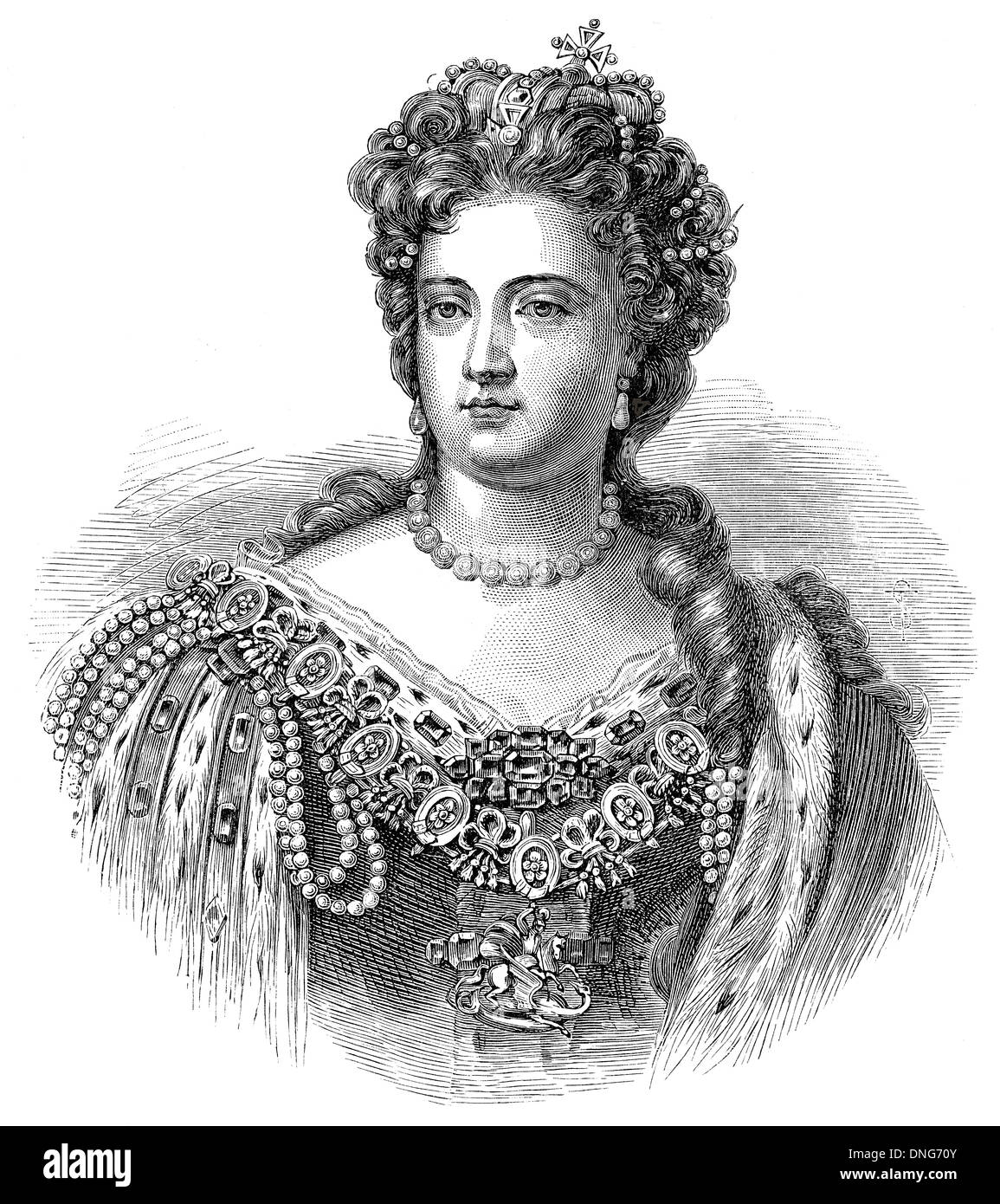
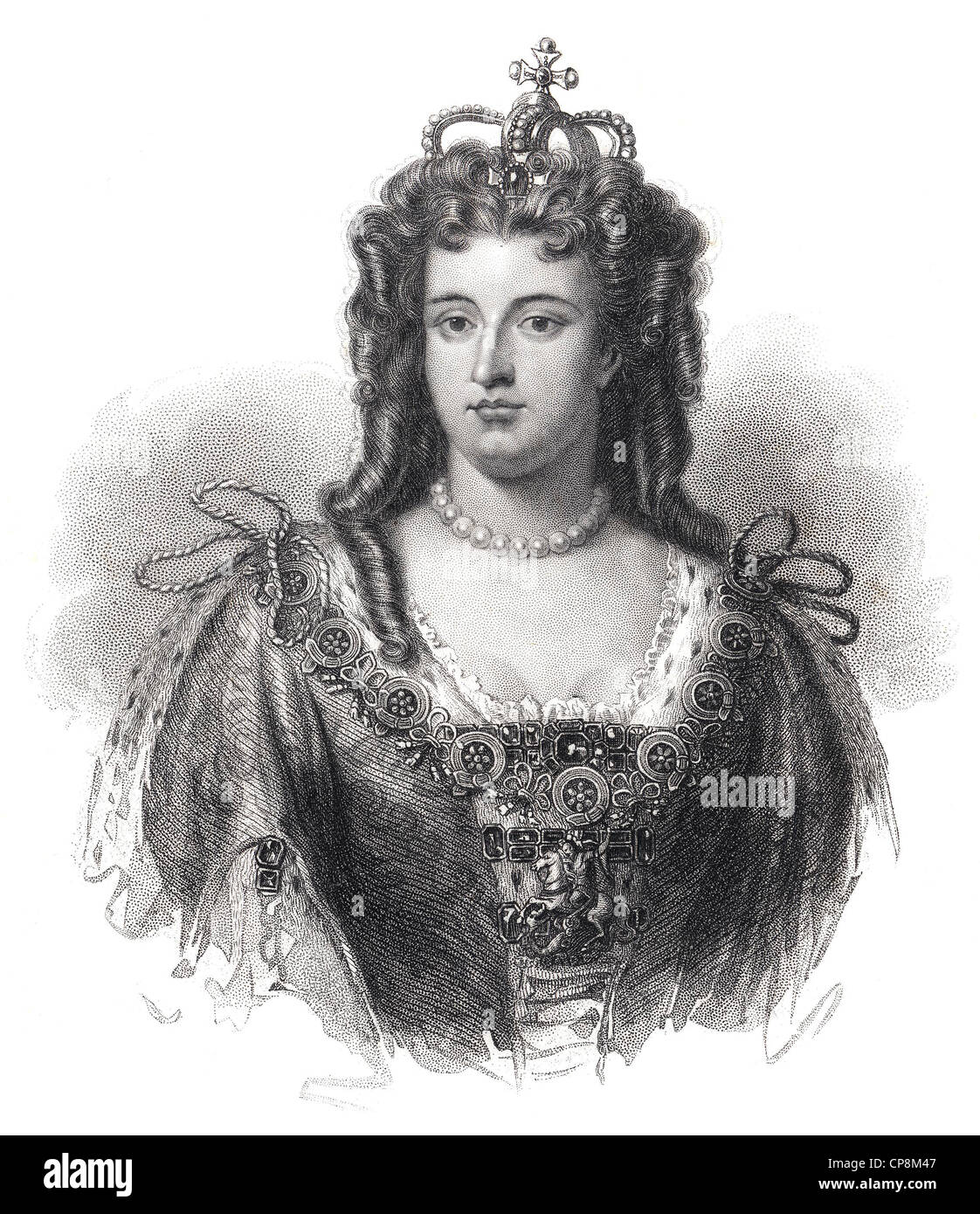
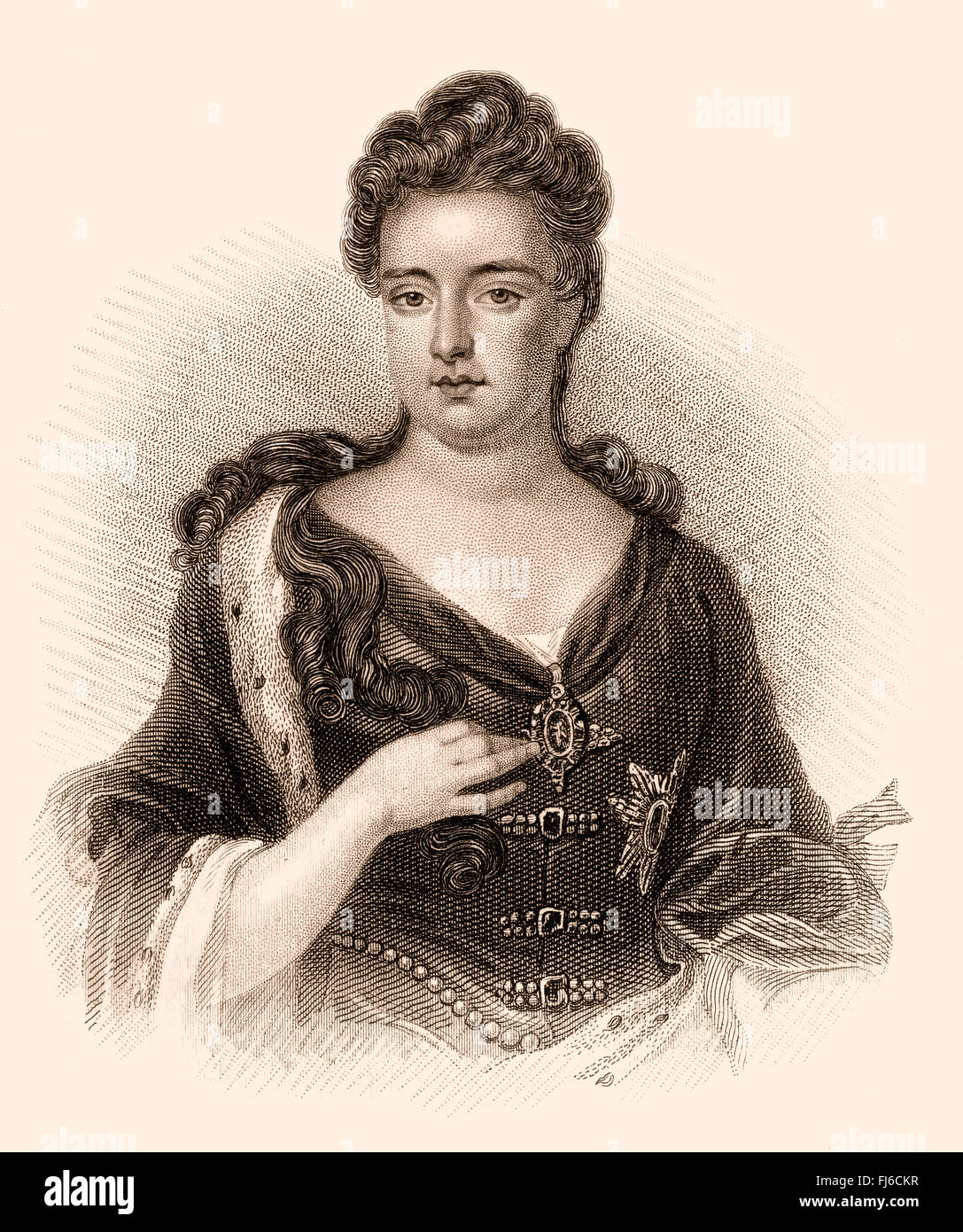
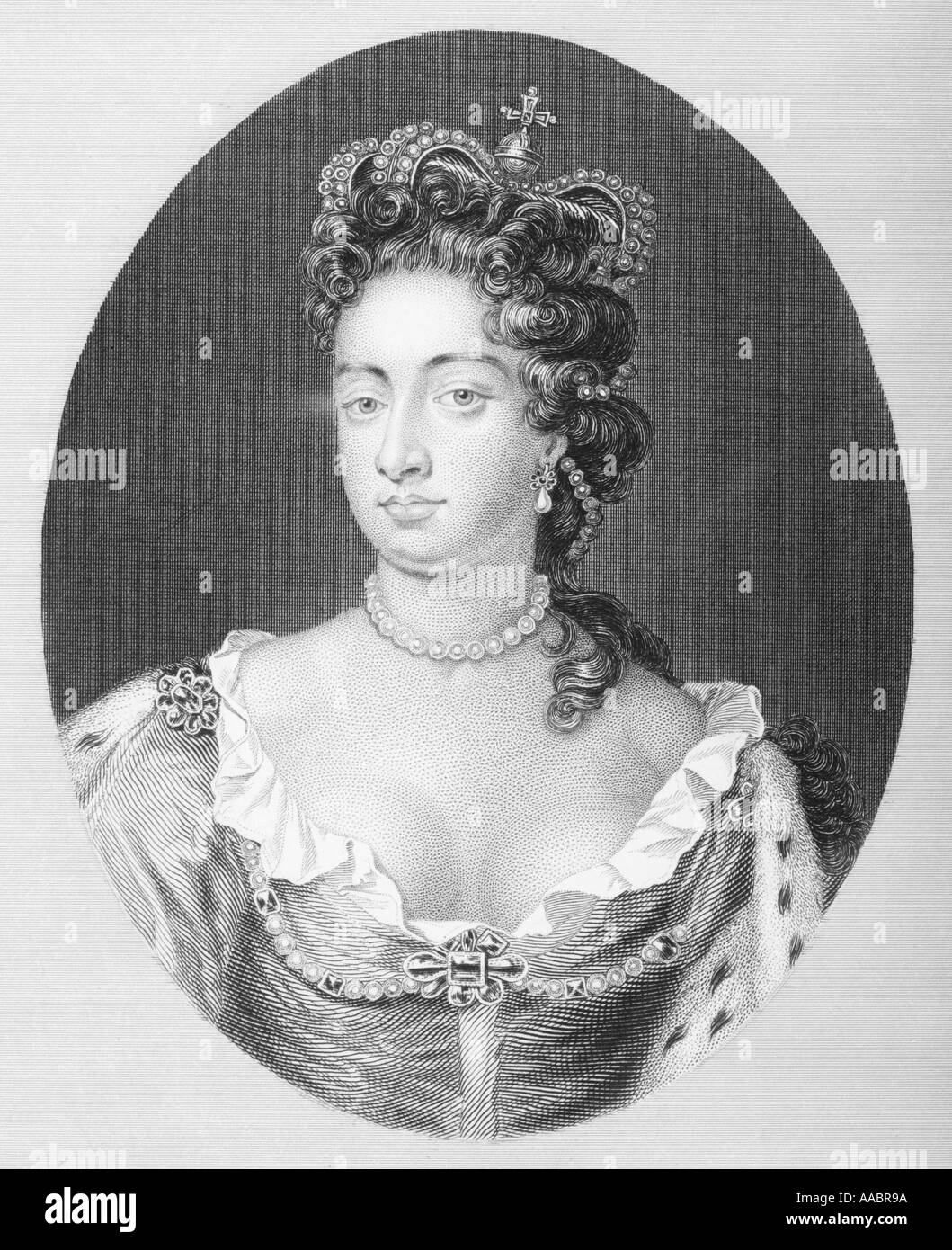
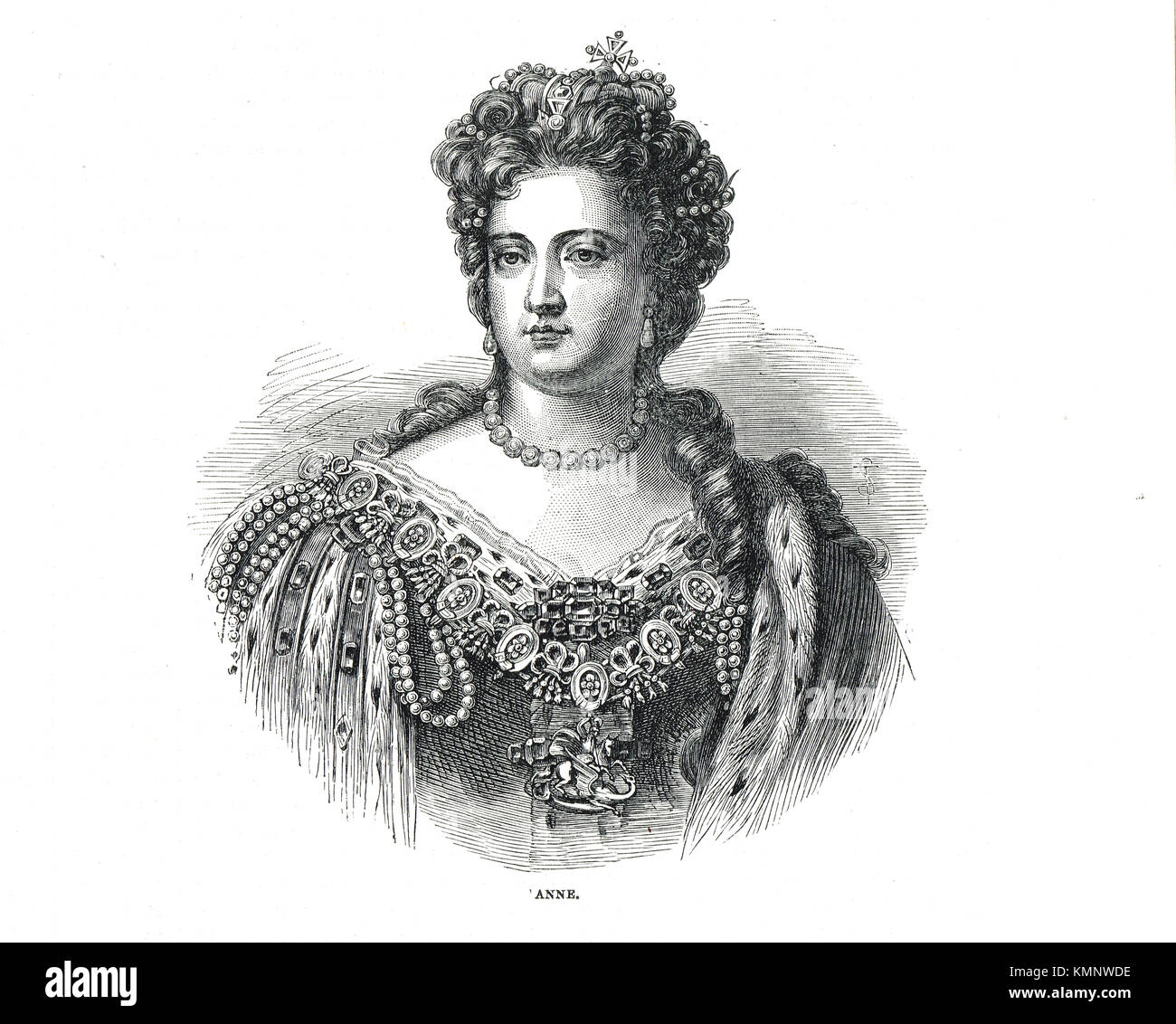
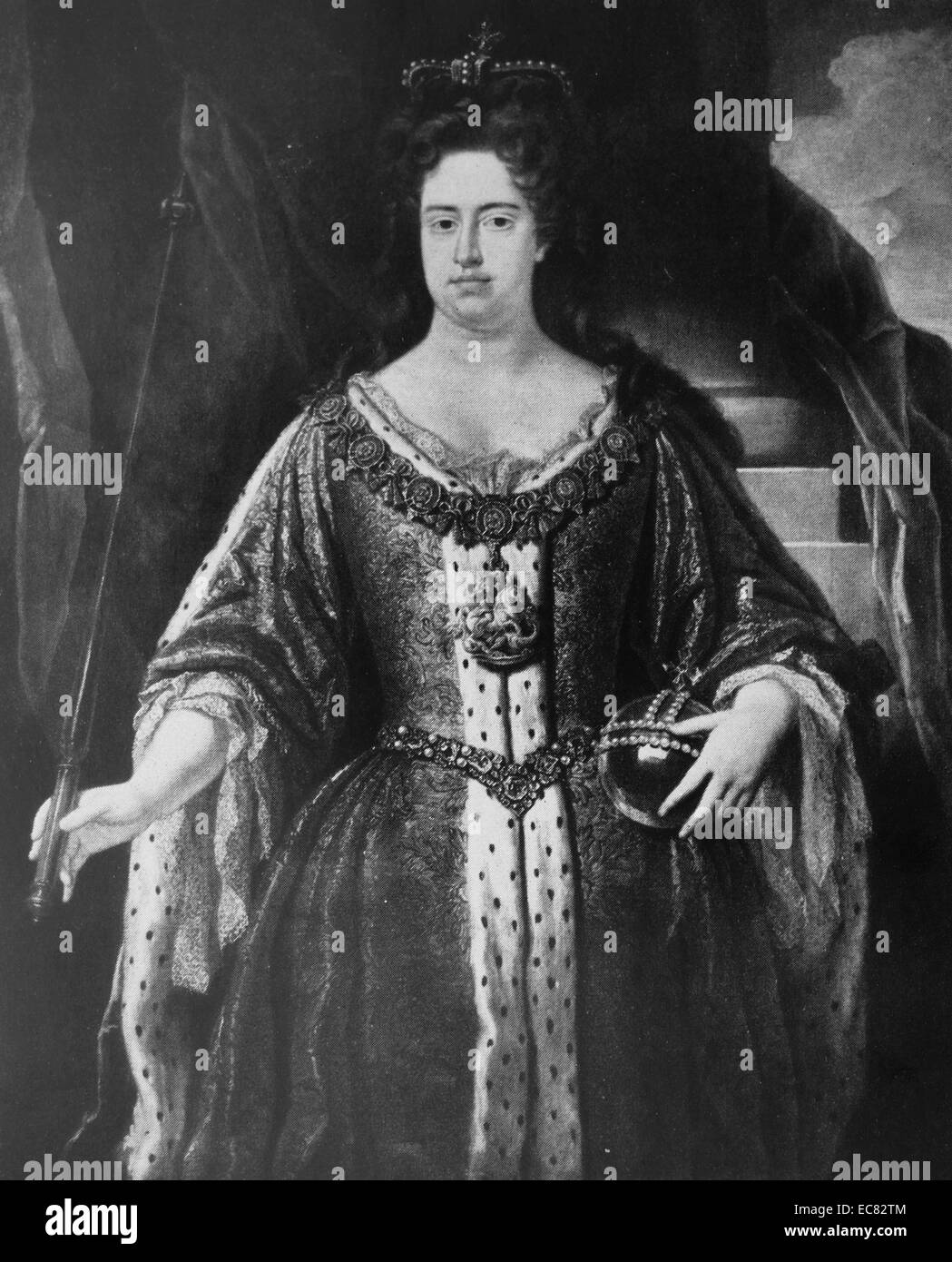
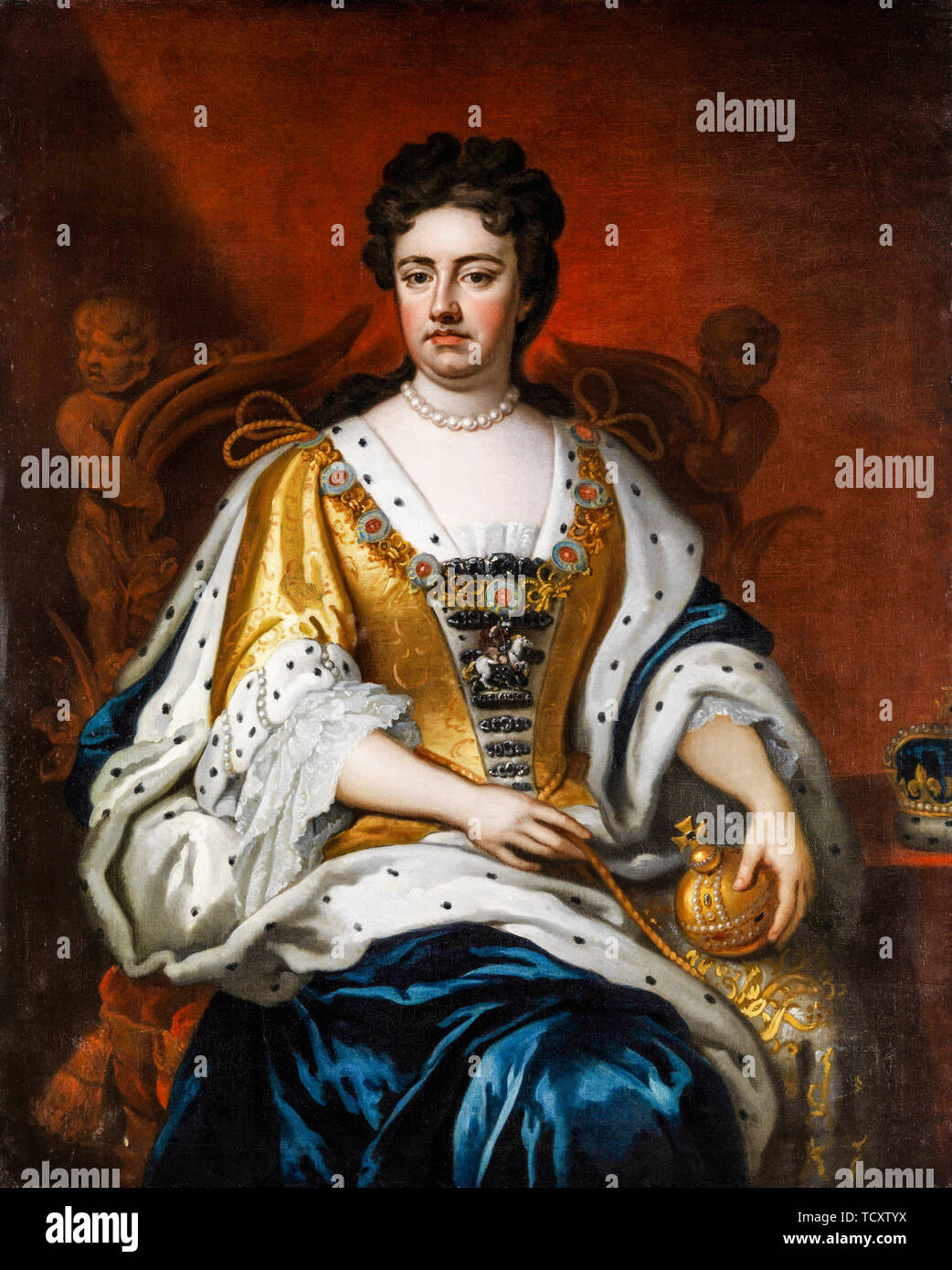
Queen Anne was the final sovereign monarch of the independent Kingdom of Scotland, reigning from 8 March 1702 until 1 May 1707. On that date, the Acts of Union merged the kingdoms of Scotland and England into the unified Kingdom of Great Britain. Anne subsequently served as Great Britain’s first monarch until her death in 1714.
While Queen Anne (1665–1714) ruled as queen regnant, historical references occasionally confuse her with Anne of Denmark (1574–1619), who was Queen Consort of Scotland as the wife of King James VI. This article focuses primarily on Queen Anne Stuart—the regnant monarch whose twelve-year reign transformed the political, economic, and constitutional landscape of Scotland forever.
The Historical Context: Scotland and the Union of the Crowns
To understand Queen Anne’s reign in Scotland, one must examine the constitutional arrangement that preceded her accession. In 1603, following the death of Elizabeth I of England without heirs, King James VI of Scotland inherited the English throne as James I. This event, known as the Union of the Crowns, placed both sovereign nations under a single monarch while keeping their parliaments, legal frameworks, trade policies, and state churches distinct.
For nearly a century, this personal union suffered from severe political strain. The 17th century saw civil wars, the execution of Charles I, the Cromwellian Commonwealth, and the Restoration of Charles II.
- 1603: Union of the Crowns (James VI/I)
- 1688–1689: Glorious Revolution (William III & Mary II)
- 1702: Accession of Queen Anne to Scottish & English Thrones
- 1707: Acts of Union (Creation of Kingdom of Great Britain)
In 1688–1689, the Glorious Revolution deposed Anne’s father, the Catholic King James VII of Scotland (James II of England), in favor of his Protestant daughter Mary II and her husband, William of Orange (William II of Scotland and William III of England).
When William died in March 1702 without surviving issue, Anne inherited the crowns of Scotland, England, and Ireland under the claim of legitimate Protestant succession. However, Scotland in 1702 was economically damaged, politically divided, and increasingly hostile toward English influence over royal policy.
Economic Despair and Political Escalation (1695–1704)
Anne inherited a Scotland suffering from profound economic distress and geopolitical isolation. Two main issues drove a wedge between Edinburgh and London during the opening years of her reign.
The Darien Scheme Debacle
In the late 1690s, the Company of Scotland Trading to Africa and the Indies launched the Darien Scheme—an ambitious effort to establish a Scottish trading colony on the Isthmus of Panama. The venture collapsed due to tropical disease, Spanish military blockades, and a lack of support from King William III, who forbade English colonies in the Caribbean from aiding the settlers to avoid war with Spain.
The economic catastrophe devastated Scotland. An estimated one-quarter to one-third of Scotland’s liquid capital was lost, ruining aristocrats, merchants, and local landowners alike. Scottish public opinion blamed English commercial jealousy and crown negligence for the failure, sparking intense anti-English sentiment that Anne’s government had to manage upon her accession.
The War of the Spanish Succession
Shortly after Anne took the throne in 1702, England entered the War of the Spanish Succession (1701–1714) against France and Spain. Because the crown controlled foreign policy, Scotland was drawn into a costly European conflict that disrupted its lucrative trade routes with France. Many Scottish parliamentarians argued that Scottish lives and revenue were being sacrificed for English diplomatic goals without Scottish consultation.
The Succession Crisis: Act of Settlement vs. Act of Security
The pivotal conflict of Queen Anne’s Scottish reign was not fought on the battlefield, but within the halls of the Parliament of Scotland (the Estates) in Edinburgh and the Parliament of England in Westminster.
- ENGLISH PARLIAMENT: Act of Settlement (1701) (Unilaterally named Hanoverians)
- SCOTTISH PARLIAMENT: Act of Security (1704) (Reserved right to select own monarch)
- ENGLISH RESPONSE: Alien Act (1705) (Economic embargo & border threat)
- FINAL COMPROMISE: Treaty of Union
- ENGLISH RESPONSE: Alien Act (1705) (Economic embargo & border threat)
The English Act of Settlement (1701)
In 1701, before Anne’s accession, the English Parliament passed the Act of Settlement. Desperate to prevent a Restoration of the Catholic Stuarts (the exiled James Francis Edward Stuart, known as the "Old Pretender"), the English legislature unilaterally decreed that if Anne died without surviving children, the crown of England would pass to Sophia, Electress of Hanover (a granddaughter of James VI/I) and her Protestant descendants.
The English Parliament passed this law without consulting the Estates of Scotland. Scots viewed this as an unacceptable breach of national sovereignty, asserting that England had no constitutional right to dictate who would wear the Crown of Scotland.
The Scottish Act of Security (1704)
In response, the Parliament of Scotland, led by anti-union figures like Andrew Fletcher of Saltoun, passed the Act of Security 1704. This bold legislation declared that upon Queen Anne’s death, the Scottish Estates would meet to choose a Protestant successor from the royal line of Scotland—specifically stating that the successor would not be the same person named to the English throne unless Scotland was granted:
- Full independence in foreign policy.
- Complete freedom of international trade.
- Guarantees for Scottish parliamentary rights and religious independence.
To force Queen Anne’s royal assent, the Scottish Estates refused to grant taxation or supply troops for the War of the Spanish Succession until the bill was signed. Queen Anne’s Royal Commissioner in Edinburgh, the Duke of Queensberry, initially withheld royal assent in 1703, but mounting political pressure forced Anne to sign the Act of Security into law in August 1704.
The English Counter-Attack: The Alien Act 1705
The English political establishment viewed the Act of Security as a national security threat. If Scotland selected a different monarch—or invited the exiled Catholic Stuarts back to Edinburgh—England faced the dangerous prospect of a hostile foreign power along its northern border aligned with France.
In early 1705, the Parliament of England retaliated by passing the Alien Act 1705. This economic embargo provided that unless Scotland entered negotiations for a full parliamentary union or accepted the Hanoverian succession by December 1705:
- All Scottish nationals living in England would be treated as foreign aliens, losing rights to hold property.
- Major Scottish exports to England—specifically cattle, linen, and coal—would be banned.
Given that England was Scotland’s primary export market, the Alien Act threatened total financial collapse for Scottish producers. The coercive law gave Queen Anne and her ministers the leverage needed to compel the Scottish Estates to appoint treaty commissioners.
Negotiating the Treaty of Union (1706)
In 1706, Queen Anne appointed 31 commissioners from Scotland and 31 from England to draft the Articles of Union. The Scottish delegation was heavily influenced by pro-union aristocrats, including James Douglas, 2nd Duke of Queensberry, and James Ogilvy, 1st Earl of Seafield.
The negotiations produced 25 individual articles, addressing structural, commercial, and legal terms:
- Incorporating Union: Scotland and England would merge into a single kingdom named Great Britain, represented by one parliament at Westminster.
- Economic Integration: Scotland gained free trade with England and its overseas colonies, lifting long-standing English Navigation Act restrictions.
- Taxation Parity and Exemption: Equalization of customs duties was balanced by temporary Scottish exemptions from certain English excise taxes.
- The "Equivalent": England agreed to pay Scotland £398,085 and 10 shillings (a vast sum at the time) as compensation for taking on a share of England's national debt, and to reimburse investors who lost capital in the Darien Scheme.
- Preservation of Institutions: Scotland insisted on preserving its distinct legal system (Scots Law), its judicial courts (Court of Session and High Court of Justiciary), and its municipal privileges.
To secure the support of the Church of Scotland (the Kirk), a separate measure—the Act for Securing the Protestant Religion and Presbyterian Church Government—was introduced to safeguard Presbyterianism as the established church governance in Scotland, free from Anglican interference.
Public Opposition and Parliamentary Passage (1706–1707)
While negotiations moved swiftly among elites, the proposed union faced strong opposition across Scotland. Petitions against the union flooded into Edinburgh from royal burghs, parishes, and presbyteries.
Popular anger ignited riots in Edinburgh, Glasgow, and Dumfries. Opponents viewed the union as a betrayal of national independence, engineered by a corrupt political class seduced by English financial compensation. Andrew Fletcher of Saltoun famously argued that Scotland was surrendering its sovereignty, while the poet Robert Burns later summarized popular outrage in his famous lines: "We're bought and sold for English gold / Such a parcel of rogues in a nation!"
Despite civil unrest, Queen Anne’s government mobilized patronage, political pressure, and financial incentives to hold the pro-union majority together in the Estates. The Duke of Queensberry skillfully managed parliamentary procedure, voting down amendments that could derail the treaty in Westminster.
- July 1706: Commissioners present 25 Articles to Queen Anne
- Oct 1706 – Jan 1707: Fierce debates & riots across Scotland
- 16 January 1707: Parliament of Scotland passes Union Act (110-69)
- March 1707: Parliament of England passes Union Act
- 1 May 1707: Union takes effect; Kingdom of Great Britain born
On 16 January 1707, the Parliament of Scotland voted to ratify the Treaty of Union by 110 votes to 69. The Parliament of England passed matching legislation shortly thereafter. On 6 March 1707, Queen Anne gave her Royal Assent in London, declaring to both houses of parliament:
"I consider this Union as a matter of the greatest importance to the wealth, strength, and safety of the whole island."
On 1 May 1707, the Parliament of Scotland and the Parliament of England were dissolved, and Queen Anne became the first sovereign of the Kingdom of Great Britain.
Key Legislative Milestones in Queen Anne’s Reign over Scotland
The table below outlines the critical legislative acts and constitutional developments during Queen Anne’s Scottish governance:
| Year | Legislation / Event | Origin / Entity | Primary Objective & Impact on Scotland |
|---|---|---|---|
| 1701 | Act of Settlement | English Parliament | Declared the House of Hanover as successors to the throne; enacted without Scottish consent. |
| 1702 | Accession of Queen Anne | Monarchical Succession | Anne inherits the separate crowns of Scotland, England, and Ireland upon William III’s death. |
| 1704 | Act of Security | Parliament of Scotland | Asserted Scotland's right to choose its own Protestant monarch independent of England's choice. |
| 1705 | Alien Act | English Parliament | Threaten economic sanctions and foreign alien status on Scots unless union talks began. |
| 1706 | Treaty of Union Drafted | Joint Commission | Negotiated 25 articles detailing political merge, trade rights, and financial terms ("The Equivalent"). |
| 1706 | Protestant Religion & Presbyterian Church Act | Parliament of Scotland | Guaranteed the permanent preservation of the Church of Scotland (Presbyterian) post-union. |
| 1707 | Union with England Act | Parliament of Scotland | Formal ratification of the Treaty of Union by the Scottish Estates on 16 January 1707. |
| 1707 | Union with Scotland Act | English Parliament | Formal ratification by the English Parliament; merged both states into Great Britain on 1 May 1707. |
| 1708 | Aborted Jacobite Invasion | French Navy / Jacobites | Attempted French-backed landing of James Francis Edward Stuart; thwarted by British naval forces. |
Post-Union Reign: Managing Scotland under Great Britain (1707–1714)
After 1707, Queen Anne governed Scotland through the newly created Parliament of Great Britain in London, where Scotland was allocated 45 elected members in the House of Commons and 16 representative peers in the House of Lords.
The early post-union years were marked by administrative friction and political instability:
The Jacobite Threat (1708)
In March 1708, the exiled James Francis Edward Stuart ("the Old Pretender"), backed by King Louis XIV of France, attempted an invasion of Scotland. A French fleet carrying over 5,000 troops arrived in the Firth of Forth. However, naval interception by Admiral Sir George Byng and adverse weather prevented a landing.
Queen Anne took a firm stance against the rebellion, issuing proclamations warning her Scottish subjects against aiding the Jacobites. The aborted invasion highlighted the persistent loyalty to the exiled Stuarts in parts of the Scottish Highlands and Northeast.
Popular Friction and Taxation Troubles
The financial reality of post-union governance caused immediate friction in Scotland. The introduction of English-style customs inspections, tax collectors, and increased duties on salt, malt, and linen sparked widespread resentment. In 1713, outrage over a proposed Malt Tax led Scottish peers in London—including former union advocates like the Earl of Seafield—to introduce a motion in the House of Lords to repeal the Acts of Union. The motion failed by just four votes.
| PRESERVED RIGHTS | SURRENDERED / MERGED |
|---|---|
| Independent Scots Law | Separate Scottish Crown |
| Separate Court System | Parliament of Scotland |
| Presbyterian Kirk | Autonomous Foreign Policy |
| Royal Burgh Rights | Independent Tax Tariffs |
Institutional Safeguards: Scots Law and the Kirk
Despite economic disputes, the legal and religious safeguards established under Queen Anne’s signature held firm:
- Scots Law: The Court of Session and High Court of Justiciary retained jurisdiction, preserving Scotland's distinct legal tradition rooted in Roman civil law rather than English common law.
- Religious Freedom: The Church of Scotland remained Presbyterian, distinct from the Episcopal Church of England.
Official legal registries and public archives documenting these administrative shifts can be reviewed through the National Records of Scotland, which maintains the original Acts of the Parliament of Scotland and union treaties.
Death and the End of the House of Stuart
Queen Anne suffered from chronic ill health throughout her life, severely affected by gout, mobility loss, and autoimmune conditions. Despite 17 pregnancies by her husband, Prince George of Denmark, none of her children survived to adulthood. Her last surviving child, Prince William, Duke of Gloucester, had died in 1700 at age eleven.
Queen Anne died of a stroke on 1 August 1714 at Kensington Palace in London at the age of 49. Under the terms established by the 1701 Act of Settlement and confirmed by the 1707 Acts of Union, she was succeeded by King George I, Elector of Hanover.
With Anne’s death, the House of Stuart—which had ruled Scotland since the accession of Robert II in 1371—came to an official end on the throne of Great Britain, ushering in the Hanoverian era.
Summary of Historical Significance
Queen Anne’s reign over Scotland remains one of the most consequential periods in British history. Through a combination of economic crisis, tactical legislative pressure, financial incentives, and political negotiation, her administration managed the transition from two separate kingdoms sharing a monarch to a single unified state.
While her legacy was controversial among contemporaries who mourned the loss of Scotland’s ancient parliament, the settlement she oversaw established the political and legal frameworks of Great Britain that persist today.
Frequently Asked Questions
Was Queen Anne the last monarch of independent Scotland?
Yes. Queen Anne was the final sovereign to rule Scotland as a separate kingdom. On 1 May 1707, the Acts of Union united Scotland and England into the Kingdom of Great Britain, making Anne the first monarch of the new unified state.
How does Queen Anne of Stuart differ from Anne of Denmark?
Queen Anne Stuart (1665–1714) was a queen regnant who ruled Scotland, England, and Ireland in her own right from 1702 to 1714. Anne of Denmark (1574–1619) was a queen consort—the wife of King James VI of Scotland (who later became James I of England).
Why did Scotland agree to the Union of 1707 under Queen Anne?
Scotland agreed to the union due to a combination of severe financial distress following the Darien Scheme, economic pressure from the English Alien Act of 1705, access to English global trade markets, financial compensation via "The Equivalent," and political maneuvering by pro-union nobles.
Did Scotland lose its legal system after the Acts of Union?
No. Under Article 19 of the Treaty of Union ratified during Queen Anne’s reign, Scotland preserved its independent legal framework (Scots Law) and its separate system of civil and criminal courts (the Court of Session and High Court of Justiciary).
What happened to the Scottish Parliament when Queen Anne signed the Union Act?
The Parliament of Scotland adjourned on 25 March 1707 and was formally dissolved. Scottish political representation was transferred to the newly formed Parliament of Great Britain at Westminster, London. A separate devolved Scottish Parliament was not re-established until 1999.
Practical Next Steps for Researchers and Historians
If you are conducting historical or genealogical research on Queen Anne’s reign, the Union of 1707, or early modern Scottish state papers:
- Examine Primary Parliamentary Papers: Consult official legislative texts and commission reports digitized by the UK Parliament Archives and the Records of the Parliaments of Scotland to read original debate transcripts from 1703–1707.
- Review Legal Records: Explore the preservation of post-union Scottish court cases via the Scottish Courts and Tribunals Service archives to understand how Scots Law operated after 1707.
- Visit Historical Sites: Important locations connected to Queen Anne's Scottish governance include Edinburgh Castle (housing the Honours of Scotland, which were locked away following the Union) and the Parliament House in Edinburgh, where the final Scottish Estates debated the treaty.