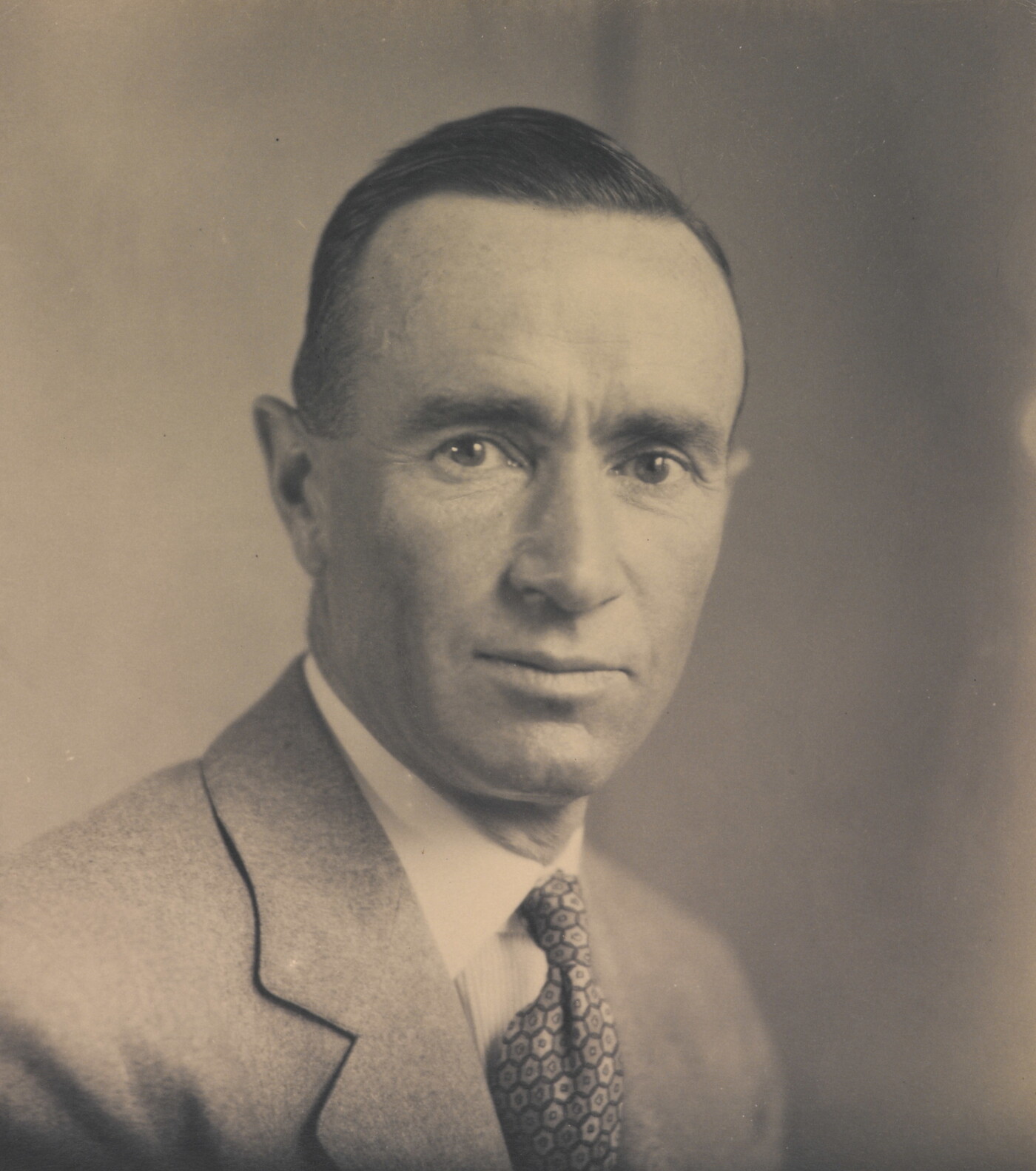
At the time of his death in 1955, media mogul and oil magnate Amon G. Carter Sr. held a personal net worth estimated between $30 million and $50 million, equivalent to approximately $350 million to $600 million in modern currency. His vast fortune was subsequently funneled into the Amon G. Carter Foundation, which maintains hundreds of millions in philanthropic assets today.
The Origins of Amon G. Carter’s Empire
Amon Giles Carter Sr. (1879–1955) was the legendary publisher, oilman, and civic promoter whose financial moves redefined the economic landscape of Fort Worth and North Texas. Starting from humble origins in Crafton, Texas, Carter transitioned from a traveling salesman into one of the most powerful business leaders of the mid-20th century.
Carter understood early in his career that true wealth accumulation in the American South and Southwest required a multi-industry strategy. Rather than relying on a single revenue stream, he systematically reinvested capital from advertising sales into print media, broadcast communications, commercial aviation, and primary energy production. This diversification allowed his estate to weather economic panics, including the Great Depression, while expanding his personal liquid holdings and long-term asset base.
Understanding Carter’s financial legacy requires separating his direct personal net worth—the liquid capital, real estate holdings, and equities he controlled directly during his lifetime—from the enduring philanthropic capital held by the Amon G. Carter Foundation.
The Core Pillars of Amon Carter’s Financial Fortune
- Media Enterprise: Fort Worth Star-Telegram, WBAP Radio & TV
- Energy Exploration: Wasson Field (Permian Basin) & Stanolind Sale
- Corporate Equities: American Airlines (Early Stakeholder & Board)
- Real Estate: North Texas Commercial & Residential Lands
1. The Media Empire: Fort Worth Star-Telegram and WBAP
The bedrock of Carter’s early wealth was newspaper publishing. In 1906, Carter landed a job as an advertising manager for the newly formed Fort Worth Star. By 1909, he orchestrated a merger with the Fort Worth Telegram, creating the Fort Worth Star-Telegram.
Through rigorous circulation drives and dominant ad sales across West Texas, the Star-Telegram became the highest-circulating newspaper in the region. Carter leveraged the publication's cash flow to expand into broadcast media:
- WBAP Radio (1922): Carter launched WBAP ("We Bring A Booster Newspaper"), one of the first licensed radio stations in Texas. The station operated at a clear-channel 50,000-watt signal, giving Carter an advertising reach across large portions of the United States.
- WBAP-TV (1948): Carter anticipated the growth of visual broadcast media, establishing the first television station in Texas and the entire American South.
The steady, highly profitable operational cash flows from print and broadcast media provided Carter with the liquidity necessary to finance high-risk, high-reward ventures in oil exploration.
2. West Texas Oil Discoveries and the Stanolind Deal
While media established Carter's financial foundation, wildcat oil drilling propelled his net worth into the top tier of American fortunes. During the West Texas oil boom of the 1920s and 1930s, Carter invested heavily in mineral leases across the Permian Basin.
After experiencing initial dry holes that nearly strained his capital reserves, Carter hit major discoveries in Gaines and Yoakum counties. His most lucrative energy transaction occurred in 1935, when he sold his primary oil holdings in the Wasson Field to the Stanolind Oil and Gas Company:
- Cash Settlement: Carter received $16.5 million in direct cash payments—a massive sum during the Great Depression equivalent to over $350 million in modern purchasing power.
- Retained Mineral Interests: Carter retained overriding royalty interests on future production, yielding a consistent stream of passive income for decades.
This single deal solidified his financial independence, insulating his media operations from debt and allowing him to act as an unconstrained private financier for civic and corporate expansion.
3. Aviation Investments and American Airlines
Carter was an early visionary regarding commercial aviation’s role in regional commerce. Recognizing that air connectivity would decide which Texas cities dominated the post-war economy, Carter acquired substantial early equity in American Airways (which later became American Airlines).
As a major shareholder and long-time board member alongside founder C.R. Smith, Carter steered key corporate decisions that positioned North Texas as a major aviation hub. His investments in aviation equities yielded substantial dividend income and capital appreciation as commercial flight scaled dramatically between 1940 and 1955.
Historical Financial Breakdown vs. Modern Asset Equivalents
To evaluate Amon Carter's total net worth accurately, it is essential to review his key transactions, property holdings, and corporate positions in both historical terms and modern inflation-adjusted values.
| Asset / Transaction Category | Historical Value (1930s–1955) | Inflation-Adjusted Modern Value | Primary Revenue Mechanism |
|---|---|---|---|
| Wasson Oil Field Sale (1935) | $16.5 Million | ~$370 Million | Lump-sum cash sale to Stanolind Oil & Gas |
| Media Holding Valuations (1955) | $10.0 Million – $15.0 Million | ~$115 Million – $170 Million | Print ad revenue, subscription sales, broadcast ads |
| Corporate Equities & Aviation | $5.0 Million – $8.0 Million | ~$55 Million – $90 Million | American Airlines stock appreciation & dividends |
| Real Estate & Agricultural Land | $3.0 Million – $5.0 Million | ~$35 Million – $55 Million | Commercial real estate, ranch holdings, urban lots |
| Total Estimated Estate Value (1955) | $30 Million – $50 Million | ~$350 Million – $600+ Million | Combined liquid assets, real estate, and equities |
The Amon G. Carter Foundation and Enduring Assets
Upon his death in June 1955, Carter did not leave his vast fortune to generate personal family dynasties; instead, the vast majority of his wealth was transferred to the Amon G. Carter Foundation, established in 1945.
Strategic Foundation Capital Management
The foundation was structured to preserve capital growth while distributing grants to healthcare, higher education, public parks, and cultural institutions in the Fort Worth area.
- Initial Funding: At Carter's death, the foundation received the bulk of his liquid estate, oil royalties, and newspaper shares.
- Modern Asset Value: Through disciplined asset management, equity investments, and retained mineral rights, the foundation’s portfolio has historically maintained assets valued between $300 million and $500 million.
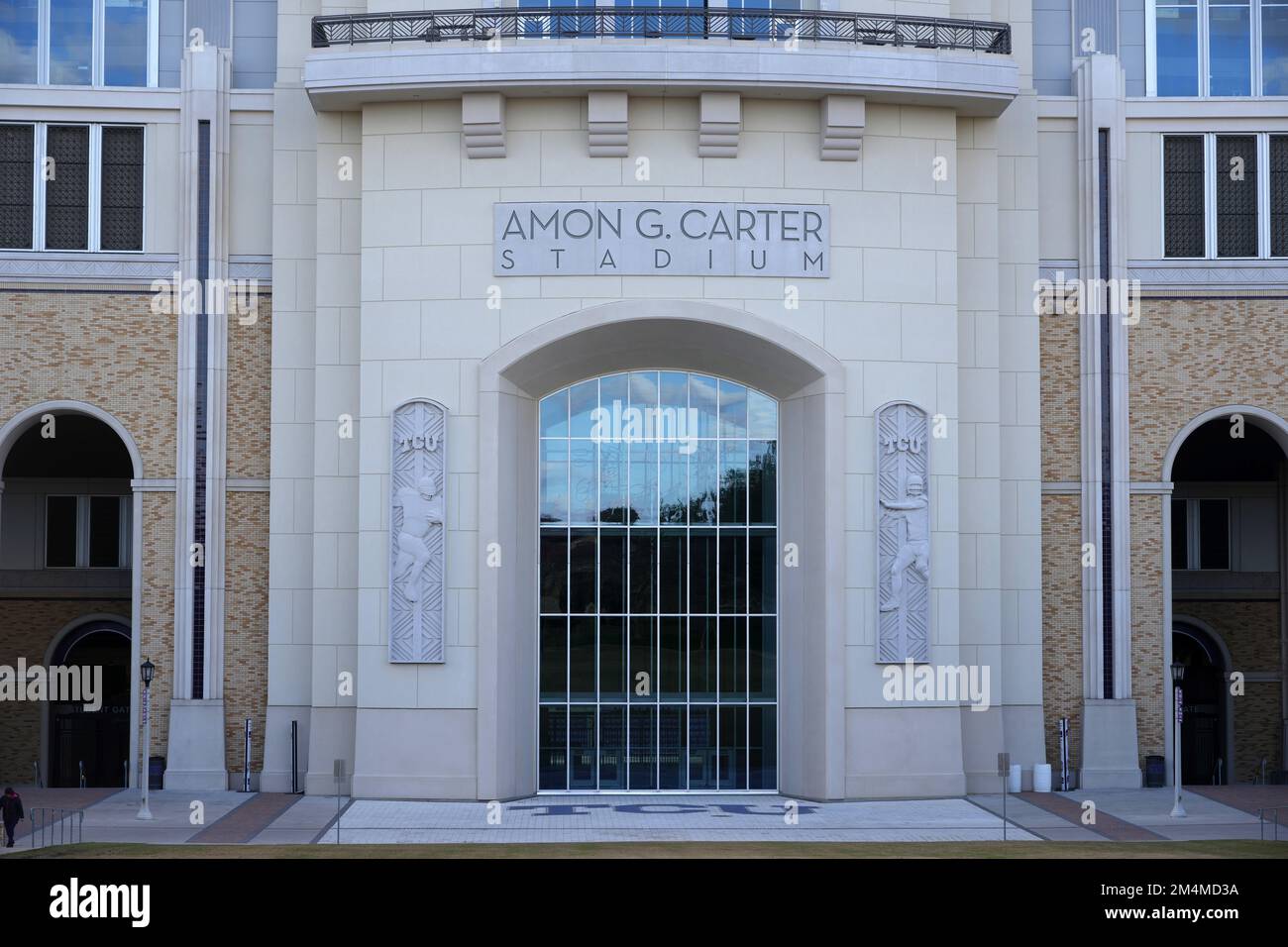
- Major Beneficiaries: Key recipients include Texas Christian University (TCU), Texas Tech University, the Fort Worth Museum of Science and History, and numerous regional hospital systems.
The Amon Carter Museum of American Art
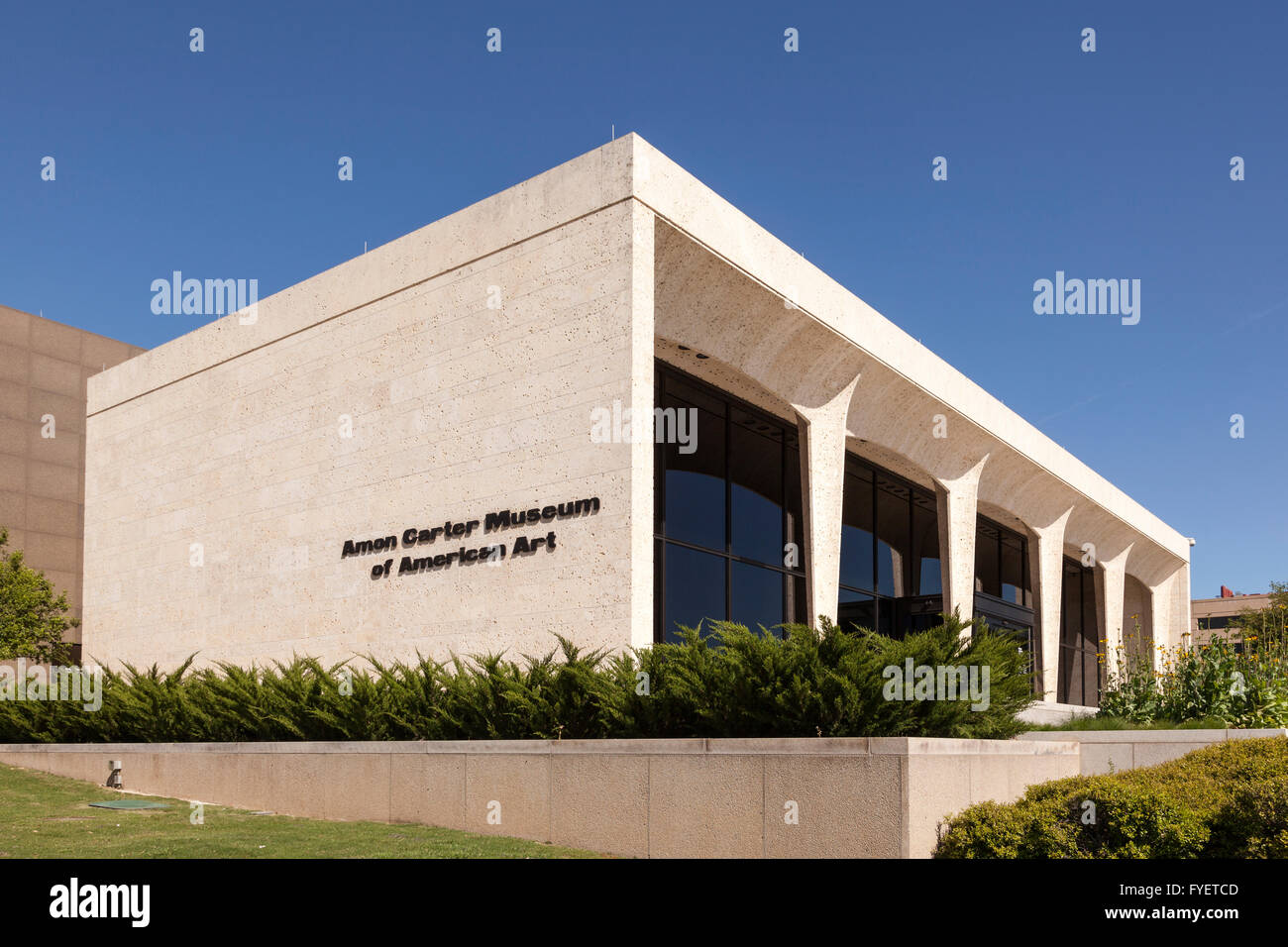
A specific stipulation of Carter’s will directed that a portion of his estate be dedicated to creating a public art museum housing his extensive collection of works by Frederic Remington and Charles M. Russell. Opened in 1961, the Amon Carter Museum of American Art operates with an independent endowment created by the Carter estate, ensuring free admission and ongoing acquisition of major American artworks.
Comparative Wealth Context: Carter vs. Contemporary Oil Barons
To understand Carter’s relative financial standing, his net worth must be contextualized alongside other prominent mid-20th-century Texas oil magnates and publishers.
| Individual | Estimated Net Worth | Focus |
|---|---|---|
| H.L. Hunt | $400M - $700M | Pure Oil Focus |
| Sid Richardson | $200M - $400M | Oil, Real Estate, Investments |
| Amon G. Carter Sr. | $30M - $50M | Media, Oil, Aviation, Real Estate |
While independent oil operators like H.L. Hunt and Carter's close friend Sid Richardson accumulated larger raw net worth figures driven entirely by massive petroleum reserves, Carter possessed a far more diversified asset profile. His holdings integrated public influence through media ownership with capital security via real estate and mineral rights, establishing a model for regional civic leadership backed by private wealth.
Common Misconceptions Regarding Amon Carter’s Wealth
Was Amon Carter a Billionaire?
In absolute historical terms, Amon Carter was never a billionaire during his lifetime. His personal net worth peaked near $50 million prior to his death in 1955. However, when accounting for compound asset growth, inflation, and the modern valuation of the entities he established (such as WBAP media properties and Permian Basin mineral interests), the economic activity generated by his holdings easily exceeds billions of dollars in today's capital markets.
Did His Heirs Retain the Entire Fortune?
No. Unlike many mid-century tycoons who locked wealth into multi-generational family trusts, Carter directed the majority of his estate to public benefit through his foundation. His children, including Amon G. Carter Jr. (who succeeded him at the Star-Telegram), managed the media properties and foundation operations, but the underlying wealth served community development rather than purely private accumulation.
FAQs About Amon Carter’s Net Worth and Financial Estate
What was Amon Carter’s net worth at the time of his death?
Amon G. Carter Sr. had an estimated net worth of $30 million to $50 million when he died in 1955. In modern adjusted terms, this estate represents between $350 million and $600 million.
How did Amon Carter make his money?
Carter built his fortune through three main pillars: newspaper publishing (Fort Worth Star-Telegram), broadcast communications (WBAP radio and television), and lucrative West Texas oil field investments, highlighted by his 1935 sale of Wasson Field oil properties for $16.5 million.
How much is the Amon G. Carter Foundation worth today?
The Amon G. Carter Foundation holds investment assets typically valued between $300 million and $500 million, depending on market performance and annual grant distribution schedules. It remains one of the largest private philanthropic foundations in Texas.
What happened to the Fort Worth Star-Telegram after Amon Carter died?
Following Carter's death in 1955, his son, Amon G. Carter Jr., took over as publisher. The Carter family and foundation held controlling interests in the media business until the 1970s, when the Star-Telegram and associated broadcast stations were sold to Capital Cities Communications for tens of millions of dollars.
Did Amon Carter own American Airlines?
Carter did not own American Airlines outright, but he was one of its largest early institutional investors, a major individual shareholder, and a key member of its board of directors for decades. He used his corporate standing to establish Greater Fort Worth as a primary hub for transcontinental commercial aviation.
Financial Legacy Summary
Amon G. Carter Sr.’s net worth was not merely a static number, but an active capital engine that transformed Fort Worth from a cattle market into a major modern industrial and cultural center. By balancing high-cash-flow media assets with high-upside energy investments, Carter built a self-sustaining financial base that outlived him.
For modern investors and historians, Carter’s career demonstrates the strategic power of cross-industry diversification, retained mineral royalties, and structured institutional philanthropy. Readers researching historical net worth figures should evaluate Carter not only by his 1955 liquid valuation, but by the hundreds of millions of dollars in cultural and educational capital his estate continues to distribute.