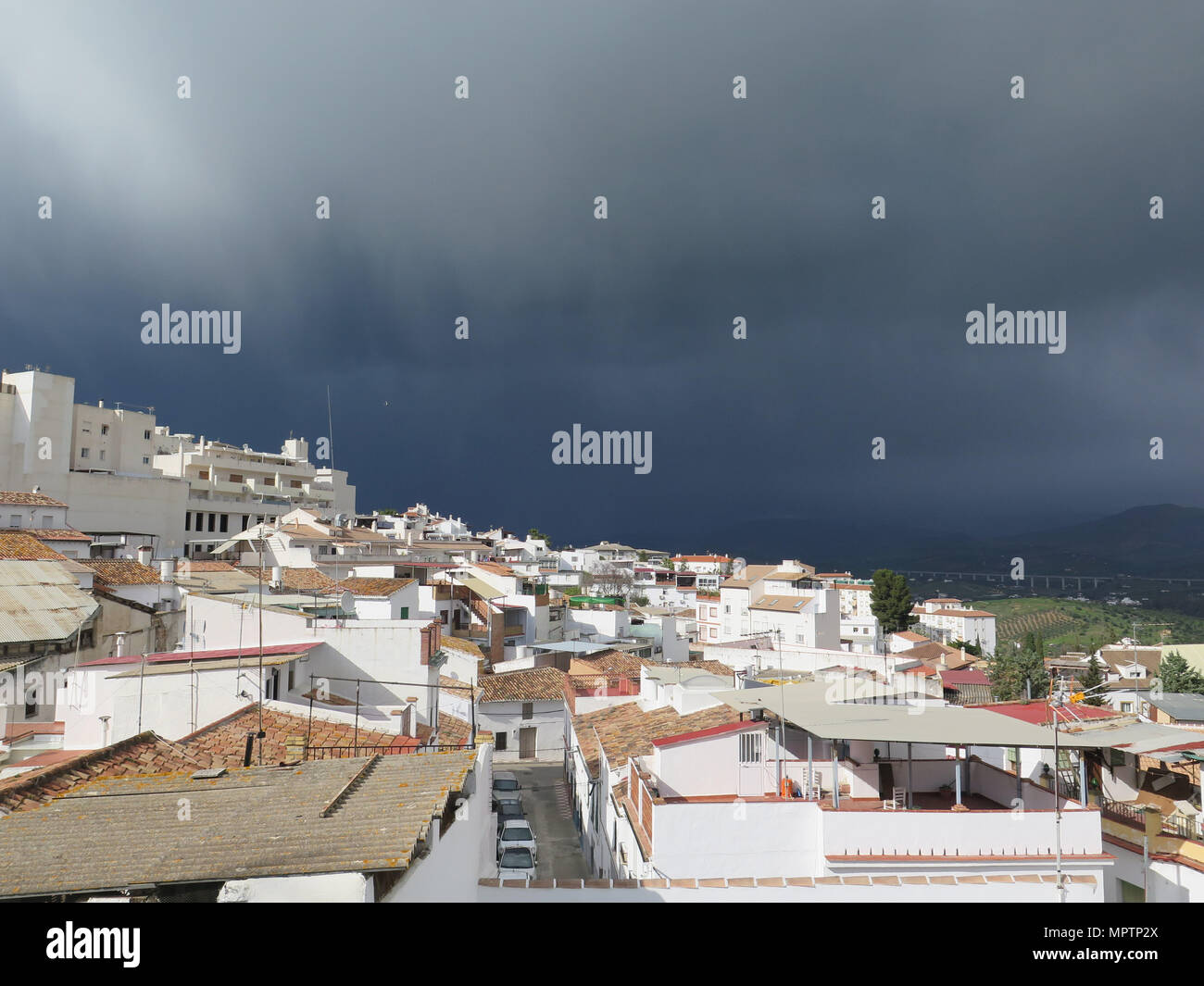
Álora is a historic white-washed town in the Málaga province of southern Spain, situated approximately 40 kilometers inland from the Mediterranean coast. Known for its Moorish castle, proximity to the world-famous Caminito del Rey, and its status as a major stop on the regional rail network, it serves as a primary cultural and logistical hub for the Guadalhorce Valley.
Perched atop three hills overlooking the fertile valley of the Guadalhorce River, Álora offers a quintessential Andalusian experience that balances traditional agricultural life with modern tourism. As of 2026, the town remains a favored destination for those seeking an authentic Spanish lifestyle away from the high-density coastal resorts of the Costa del Sol, while still maintaining high-speed connectivity to Málaga city. Whether you are a traveler planning a visit to the Gaitanes Gorge or a prospective resident evaluating the inland property market, understanding the layout, history, and infrastructure of Álora is essential.
Geography and Strategic Location
Álora is located in the comarca (region) of Valle del Guadalhorce. Its geography is defined by a rugged landscape that transitions from the cultivated citrus groves of the valley floor to the limestone peaks of the Sierra de Aguas and Monte Hacho. This varied terrain has historically made Álora a strategic military lookout, a fact evidenced by the commanding position of its fortress.
The town is roughly divided into three distinct areas:
- The Historic Center (Pueblo): This is the highest part of the town, characterized by steep, narrow winding streets, traditional white houses, and the landmark Castillo de las Torres.
- The Estación (Station District): Located at the foot of the hill near the river, this area grew around the railway line. it is flatter, more modern, and serves as the commercial gateway for commuters.
- The Suburbs and Pedanías: Including areas like Bermejo and El Chorro, these outlying settlements are more rural and cater heavily to the agricultural and adventure-tourism sectors.
The climate in Álora is Mediterranean with continental influences. In 2026, weather patterns continue to favor long, hot summers with temperatures often exceeding 35°C (95°F) and mild, occasionally damp winters. The surrounding landscape remains lush despite the heat, thanks to the extensive irrigation systems fed by the Guadalhorce river and nearby reservoirs.
The Historical Significance of Álora
The history of Álora is a tapestry of Mediterranean civilizations. Its origins can be traced back to the Phoenicians, who recognized the defensive potential of the central hill. However, it was the Romans who formalized the settlement as "Iluro," leaving behind inscriptions and foundations that suggest a thriving municipality.
The most transformative period occurred during the Moorish occupation. Under Islamic rule, the town became a formidable stronghold. The Castillo de las Torres was significantly expanded, featuring a sophisticated "alcazaba" (citadel) structure. This fortress played a critical role during the Reconquista, being one of the final bastions to fall to the Catholic Monarchs in 1484.
One of the most famous cultural exports of the town’s history is the "Romance de Álora," a 15th-century border ballad that recounts the death of Diego de Rivera during a siege of the castle. This literary legacy is celebrated throughout the town, and the castle itself is now protected as a National Monument. Visitors in 2026 can explore the renovated ramparts, which offer 360-degree views of the valley, and the unique cemetery located within the castle walls, which served the community for centuries until the modern era.
Primary Attractions and Landmarks
Castillo de las Torres
The castle remains the architectural centerpiece of Álora. Unlike many restored ruins in Andalusia, the Álora castle retains a raw, evocative atmosphere. It features two distinct towers—the Tower of Homage and the Tower of the Candle—and a horseshoe arch that is one of the few original Moorish entryways left in the province.
Iglesia de la Encarnación
Located in the Plaza Baja de la Despedida, the Church of the Incarnation is one of the largest religious buildings in the Diocese of Málaga. Construction began in the 17th century and took nearly a century to complete. Its massive nave and impressive masonry reflect the wealth and importance of Álora during the post-Reconquista period. The plaza itself is a social hub, hosting many of the town’s most important festivals.
Municipal Museum of Álora (Museo de Alora Rafael Leria)
Housed in what was once the chapel of the old hospital (Hospital de San Sebastián), this museum provides a chronological journey through the town’s history. It contains a significant collection of archaeological finds, including Roman coins, Moorish ceramics, and traditional agricultural tools that illustrate the evolution of the Guadalhorce Valley’s economy.
Cervantes and the Artistic Legacy
Álora claims a connection to Miguel de Cervantes, the author of Don Quixote, who purportedly worked in the town as a tax collector for the Spanish Crown. This historical footnote contributes to the town's pride in its literary and artistic contributions to Spanish culture.
The Caminito del Rey and Natural Tourism
While the town itself is steeped in history, much of its modern economic vitality comes from its proximity to the Desfiladero de los Gaitanes and the Caminito del Rey.
In 2026, the Caminito del Rey remains one of Spain's most sought-after hiking experiences. Located in the El Chorro district (which falls under Álora’s jurisdiction), the path is a 3-kilometer walkway pinned to the side of a sheer gorge.
For those planning a visit from Álora:
- Access: Most visitors take the local train from Álora to El Chorro-Caminito del Rey station, a journey of approximately 12-15 minutes.
- Booking: Reservations must be made months in advance via the official portal, as daily visitor caps are strictly enforced to preserve the natural environment.
- Adventure Hub: El Chorro is also a world-renowned destination for rock climbing, featuring over 1,500 bolted routes on high-quality limestone.
Beyond the gorge, the surrounding Guadalteba reservoirs (Embalses) offer water sports, swimming, and picnic areas, making Álora an ideal base for "active tourism" in inland Andalusia.
Infrastructure, Transport, and Connectivity
One of Álora’s most significant advantages over other inland "white villages" is its superior transport infrastructure. It is one of the few mountain-adjacent towns connected to the Málaga suburban rail network (Cercanías).
| Transport Mode | Route/Line | Duration to Málaga City | Frequency (approx.) |
|---|---|---|---|
| Cercanías Train | Line C2 | 38–45 minutes | Every 60–90 minutes |
| Media Distancia | Seville/Cordoba Line | 30 minutes | 4–5 times daily |
| Driving (Car) | A-357 / A-7077 | 40 minutes | N/A |
| Bus | Regional Coach | 1 hour 10 minutes | Limited (2-3 daily) |
The railway station is located at the bottom of the hill. A shuttle bus (Lanzadera) typically connects the station with the high-altitude town center, though many locals and visitors use personal vehicles or taxis. This rail link makes Álora a viable residence for people working in the Málaga TechPark (PTA) or the city center who prefer a rural living environment.
Living in Álora: Market and Amenities
As of 2026, Álora has a population of approximately 13,000 residents. The community is a blend of multi-generational Spanish families and a growing international expat population, primarily consisting of British, Dutch, and Scandinavian nationals.
Property Landscape
The real estate market in Álora is generally more affordable than the coast, though prices for "fincas" (country houses) with views of the valley have seen steady appreciation.
- Townhouses: Traditional houses in the historic center often require renovation but offer authentic charm. Prices in 2026 typically range from €80,000 to €180,000 depending on condition.
- Country Villas: Properties in the "campo" (countryside) are highly prized for their olive and citrus groves. Modernized villas can fetch between €250,000 and €500,000.
- Legal Considerations: Prospective buyers must ensure that rural properties have an AFO (Asimilado al Régimen de Fuera de Ordenación) certificate, which regularizes older country buildings under Andalusian law.
Essential Services
Álora is a self-sufficient town. It hosts several large supermarkets, a 24-hour health clinic (Centro de Salud), and multiple primary and secondary schools. The town’s administrative center (Ayuntamiento) is located near the main plaza and is proactive in organizing cultural events and infrastructure upgrades.
Gastronomy and Local Traditions
The culinary identity of Álora is rooted in the "Sopa Perota." This hearty dish, named after the inhabitants of Álora (known as Perotes), consists of bread, tomatoes, onions, peppers, garlic, and olive oil, often served with seasonal fruits like grapes or citrus. Every October, the town hosts the Día de la Sopa Perota, a massive gastronomic festival where thousands of portions are distributed for free to celebrate the harvest.
Other local specialties include:
- Aceituna Aloreña: The only olive in Spain with a Protected Designation of Origin (DOP) for table olives. They are cracked and seasoned with thyme, fennel, and garlic.
- Miel de Álora: Local honey produced in the surrounding mountains.
- Citrus Products: The valley is famous for its lemons and oranges, which are exported throughout Europe.
The town also maintains a vibrant calendar of festivals. The Semana Santa (Holy Week) in Álora is particularly renowned for the "Despedida," a moving ritual where the heavy floats (tronos) representing Jesus and Mary are made to "bow" to each other in the main square.
FAQ: Frequently Asked Questions about Álora
Is Álora a good place to live for expats?
Álora is highly regarded by the expat community because it offers a "real" Spanish experience without the isolation found in smaller villages. The presence of the train line is a major factor, allowing residents to access Málaga’s international airport and high-speed rail hub (AVE) easily. However, the town is hilly, so it may not be ideal for those with mobility issues.
How far is Álora from the nearest beach?
The nearest beaches are in Málaga city or Torremolinos, approximately a 40-to-45-minute drive away. While Álora is inland, its elevation often provides a slight breeze that makes the summer heat more manageable than in the lower valley towns.
Can I visit the Castillo de las Torres for free?
As of 2026, access to the outer grounds of the castle is generally free to the public during daylight hours. Some of the interior exhibition spaces or guided night tours may require a small fee or prior booking through the local tourism office.
What is the best time of year to visit Álora?
Spring (March to May) and Autumn (September to November) are the ideal times. During these periods, the temperatures are perfect for hiking and outdoor exploration, and the landscape is either in bloom or harvest. July and August can be extremely hot, which may limit outdoor activities during the day.
Is English widely spoken in Álora?
In the shops, cafes, and professional services (lawyers, clinics), you will often find English speakers due to the established expat population. However, in the traditional "tabernas" and among the older generation, Spanish remains the primary language. Learning basic Spanish is highly recommended for anyone looking to integrate into the community.
Are there good schools in the area?
Yes, Álora has several public schools (Colegios) and a secondary school (Instituto). For those seeking international education, there are several private international schools in Cártama and Málaga, which are within a 30-minute driving radius.
Practical Recommendation for Visitors and Residents
For those visiting Álora for the first time, the most effective way to experience the town is to arrive via the Cercanías C2 train. This allows you to witness the dramatic change in landscape from the coastal urban sprawl to the rugged limestone crags of the valley. Once at the station, take the local bus or a taxi to the Plaza Baja, and begin your ascent to the castle on foot. This walk, while steep, reveals the architectural nuances of the "pueblo blanco" style.
For prospective residents, it is vital to spend time in the town during both the height of summer and the middle of winter. This ensures a realistic understanding of the climate and the seasonal shifts in tourism. Engaging with a local gestor (administrative agent) early in the property search is also advised to navigate the specific rural zoning laws of the Guadalhorce region.