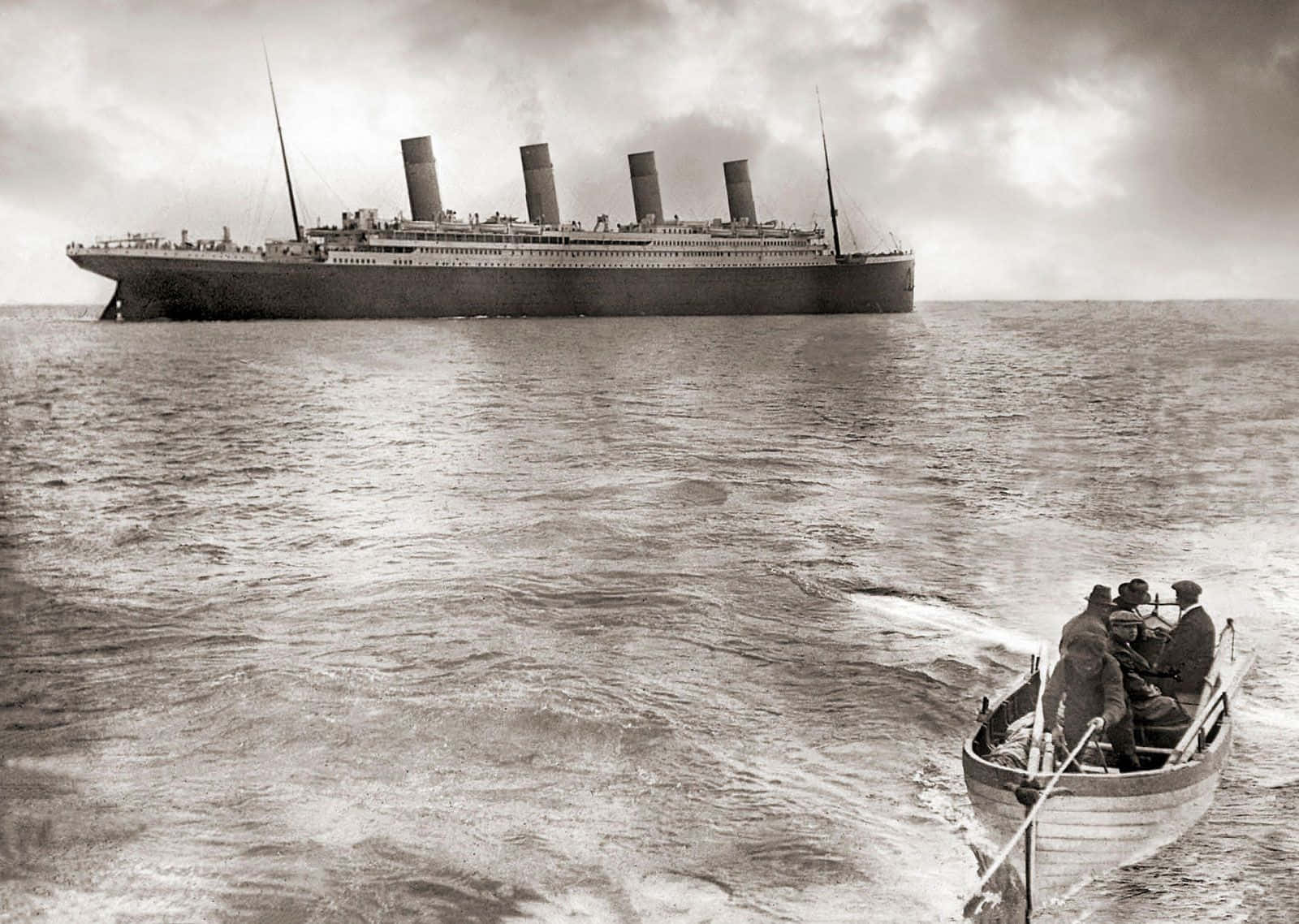
Alfred Rush was a 16-year-old crew member and one of the youngest victims of the RMS Titanic disaster. Serving as a bellboy, he perished on April 15, 1912, when the vessel sank in the North Atlantic. His story serves as a poignant reminder of the youth and diversity among the ship’s service staff, whose lives were lost alongside the passengers they were hired to assist.
The Early Life and Background of Alfred Rush
Alfred Rush was born in 1895 in Bethnal Green, London. Like many young men of his era from working-class families, his entry into the workforce was dictated by the economic pressures of his environment. By 1912, he had secured a position with the White Star Line, the company that operated the RMS Titanic, the world's most luxurious and technologically advanced ocean liner at the time.
At just 16 years of age, Rush was one of the many bellboys—often referred to as "buttons" due to the brass buttons on their uniforms—recruited to serve the first-class passengers. These positions were highly sought after by young men looking for steady income and the chance to travel, although the work was demanding and characterized by rigid hierarchies. The bellboys were tasked with running errands, delivering telegrams, and assisting in the daily operations of the ship's opulent first-class lounges and staterooms.
The Role of the Bellboy on the RMS Titanic
The service staff on the Titanic were divided by class and function. Bellboys like Alfred Rush occupied one of the lowest rungs of the professional hierarchy, yet they were integral to the guest experience. Their duties required a blend of efficiency, discretion, and stamina.
In the context of the Titanic, being a bellboy involved:
- Message Delivery: Transporting written communications and items between decks and staterooms.
- Support Services: Assisting stewards with luggage or specific passenger requests.
- Operational Presence: Standing at designated stations in hallways or public rooms to be ready for immediate service.
These roles required the boys to move throughout the ship, giving them a unique perspective on the vessel's massive infrastructure. However, this accessibility also meant they were often in the busiest areas of the ship when the crisis occurred.
The Events of April 14–15, 1912
The sinking of the Titanic remains one of the most studied maritime disasters in history. On the night of April 14, 1912, when the ship struck an iceberg at 11:40 PM, the atmosphere on board shifted from luxury to chaotic survival.
For crew members stationed in the lower decks and service quarters, the situation was particularly dire. As the ship began to list and the order was given to abandon ship, members of the crew were often tasked with continuing their duties until the final moments. Many of the young bellboys remained at their posts or were hindered by the closing of watertight doors and the confusion in the corridors.
Alfred Rush was one of the many crew members who did not survive. Official reports and passenger manifests confirm his name among those lost in the freezing waters of the Atlantic. Unlike the high-profile stories of wealthy first-class passengers, the experiences of crew members like Rush are often reconstructed through their employment records and the accounts of fellow survivors who recalled the dedication—and the youth—of the "buttons" staff.
The Human Cost of the Titanic Disaster
The sinking resulted in over 1,500 deaths, and the demographic breakdown of these losses reveals the true scale of the tragedy. While often remembered for the tragedy of the wealthy, the Titanic disaster claimed a disproportionate number of working-class men.
Comparative Data of Crew vs. Passenger Losses
| Category | Total Aboard | Survivors | Lost | Percentage Lost |
|---|---|---|---|---|
| First Class | 325 | 202 | 123 | 38% |
| Second Class | 285 | 118 | 167 | 59% |
| Third Class | 706 | 178 | 528 | 75% |
| Crew | 885 | 212 | 673 | 76% |
As shown in the table above, the crew suffered the highest mortality rate of any group on the ship. Factors contributing to this included their late awareness of the evacuation procedures, the obligation to remain at posts until ordered otherwise, and the location of their berths in the lower decks, which were the first to flood.
Historical Preservation and Commemoration
In the decades following the disaster, the story of individuals like Alfred Rush has been preserved by various organizations dedicated to Titanic history. The British Titanic Society and the Titanic Historical Society play crucial roles in maintaining archives that document the lives of the crew.
For family members and historians, these records serve as a testament to the lives cut short. The archives contain employment logs, personal letters, and in some cases, memorial photographs. Recognizing Alfred Rush is not just a study of a statistic, but an acknowledgment of a young life spent in service, ended by one of the defining events of the 20th century.
Common Misconceptions Regarding Titanic Crew
It is a common misunderstanding that all crew members had equal opportunity to access lifeboats. The reality, as noted in the 1912 British and American inquiries, was that the crew followed a strict chain of command. Younger crew members, like those in the bellboy service, were often left to follow the instructions of their superiors, which frequently meant staying on board to manage the flow of passengers.
- Did all crew members have life jackets? Not all were issued them early enough, and many died of hypothermia upon hitting the water, regardless of life jacket access.
- Were bellboys allowed on boats? Only if specifically ordered to assist, which was rare for someone of Rush's age and rank.
- What was the age limit for crew? In 1912, labor laws were significantly more lax than in 2026, allowing 16-year-olds to perform full-time professional service at sea.
Why the Story of Alfred Rush Matters
Examining the life of Alfred Rush provides a grounded view of the social history surrounding the Titanic. It highlights the disparity between the "floating palace" experience of the passengers and the rigorous, often dangerous reality of the labor force that maintained that palace.
By remembering the bellboys, historians ensure that the narrative of the Titanic is not limited solely to the upper echelons of society. Every life lost on the ship—from the wealthiest magnate to the youngest crew member—represents a story interrupted. In 2026, as we continue to reflect on maritime safety regulations that were fundamentally changed by the Titanic disaster, individual stories like that of Alfred Rush emphasize why these protocols remain essential.
Frequently Asked Questions
Was Alfred Rush a real person on the Titanic?
Yes, Alfred Rush was a documented crew member (bellboy) on the RMS Titanic. His name is recorded in the official lists of crew members who perished in the 1912 sinking.
How old was the average bellboy on the Titanic?
Most bellboys were in their mid-to-late teens. The profession was a common entry point for young men in the maritime service industry during the early 1900s.
Where can I find original records of the Titanic crew?
The National Archives in the UK and various maritime museums hold crew manifests. Online databases managed by organizations like the Encyclopedia Titanica provide digitized versions of these historical documents for researchers.
Why did so many crew members stay on the ship?
Many crew members remained at their posts to assist in the evacuation, maintain order, and fulfill their duties until the very end. The high loss rate among crew was also due to their living quarters being located in the lower sections of the ship.
How has the Titanic disaster changed maritime law?
The disaster led to the International Convention for the Safety of Life at Sea (SOLAS), which requires sufficient lifeboats for all persons on board, mandatory lifeboat drills, and 24-hour radio watches on all passenger ships.
Concluding Note
The history of the Titanic is composed of thousands of individual stories. By focusing on the life of Alfred Rush, we honor the humanity of the crew members who were just as essential to the ship's operation as they were tragically vulnerable to its end. Understanding their roles and their ultimate sacrifice offers a more complete and empathetic view of this historic event. For those researching specific crew members, consult the archives of the British Titanic Society for the most accurate records.