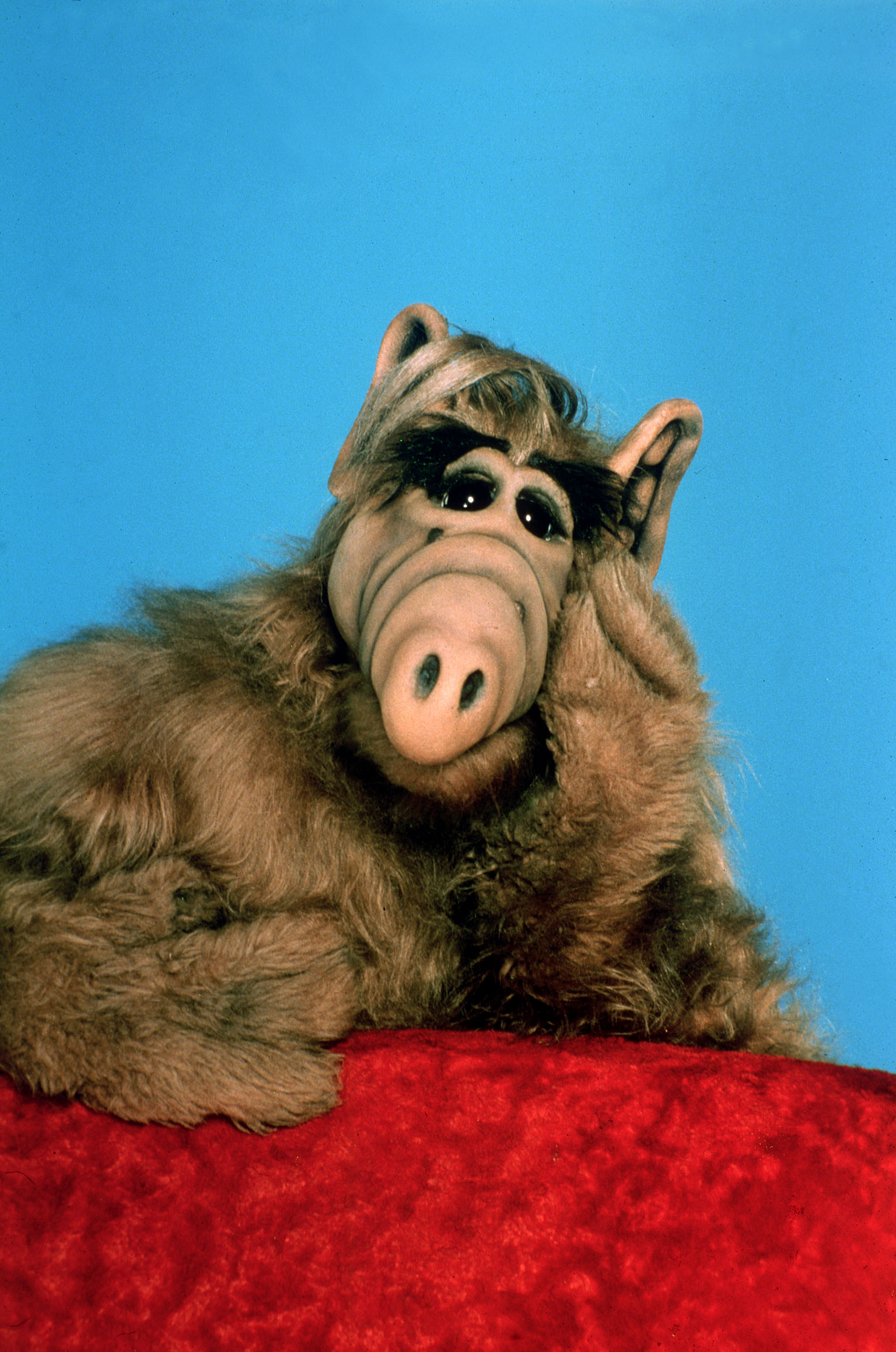
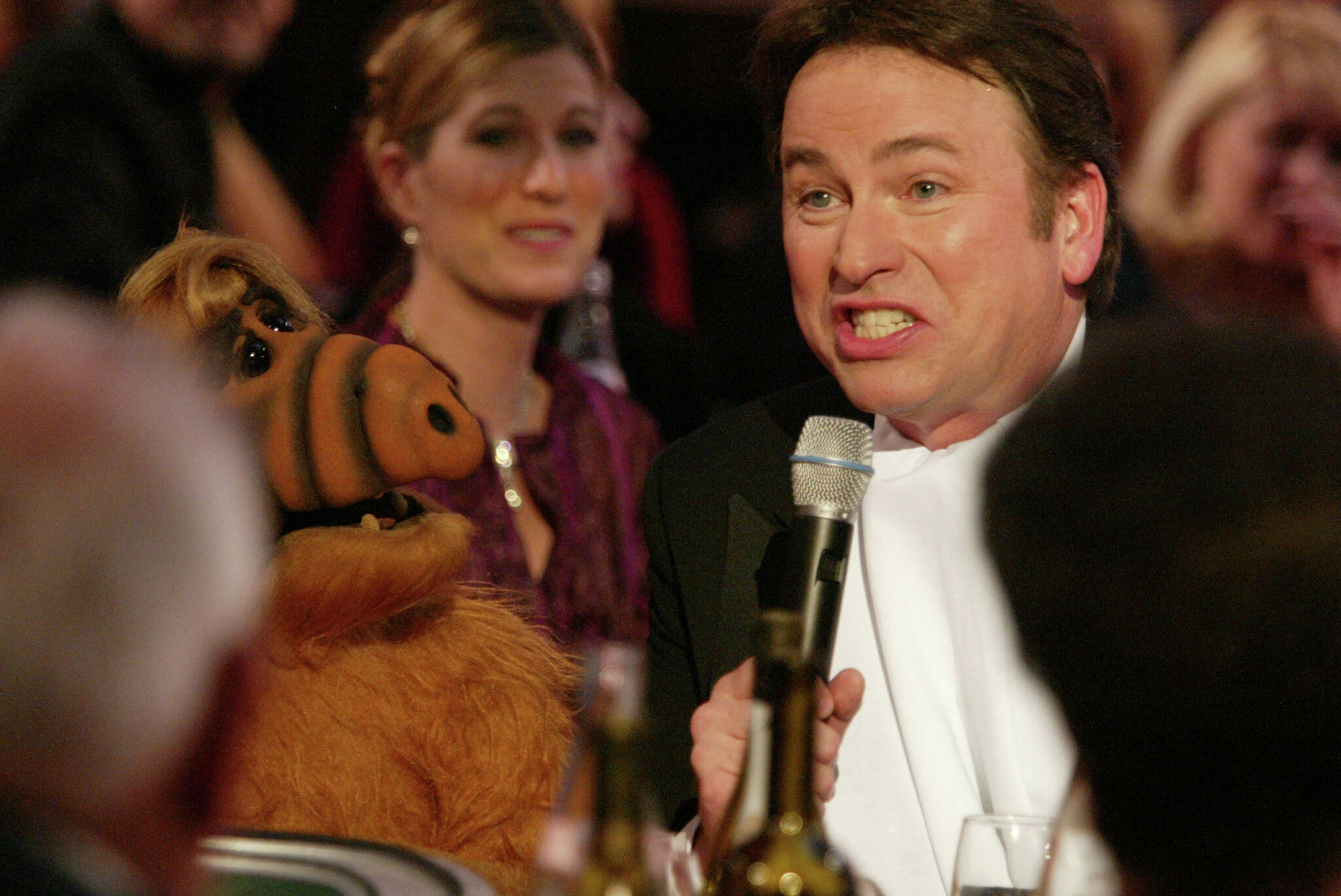
The primary voice actor and creator of ALF (Gordon Shumway) is Paul Fusco. Since the character's debut in 1986, Fusco has provided the voice, served as the lead puppeteer, and acted as the primary writer/producer, maintaining a consistent performance across the original series, spin-offs, and modern commercial appearances through 2026.
The character of ALF (Alien Life Form) is one of the most recognizable icons of 1980s television. While the puppet’s furry, snout-nosed appearance is instantly familiar, the gravelly, sarcastic, and improvisational voice of Paul Fusco gave the character its soul. Understanding the "voice actor" behind ALF requires looking beyond a simple microphone performance; it involves a complex synergy of puppetry, comedic timing, and technical production.
The Identity of the Voice: Who is Paul Fusco?
Paul Fusco is the multi-talented creator who conceived ALF in the mid-1980s. Unlike many voice-over roles where an actor enters a booth long after the footage is filmed, Fusco was the architect of the character's entire persona. Before ALF, Fusco worked extensively in local television and puppetry, developing a style that blended traditional puppet mechanics with adult-oriented, cynical humor.
Fusco’s performance as ALF is characterized by a raspy, nasal quality that suggests a middle-aged man trapped in the body of a 229-year-old Melmacian. This vocal choice was intentional, designed to contrast with the "cute" appearance of the puppet. By giving ALF a voice that sounded like a weary, wisecracking lounge singer, Fusco ensured the character would appeal to adults as much as children.
As of 2026, Fusco remains the definitive and only official voice of Gordon Shumway in major media. While other actors have voiced ALF in brief parodies or unlicensed sketches (such as in Family Guy or The Simpsons), Fusco has guarded the character's integrity fiercely, ensuring that any official appearance—be it a talk show guest spot or a digital commercial—features his original vocal performance.
The Mechanics of the Performance: Voice vs. Puppetry
One of the most impressive technical aspects of the ALF voice actor's job was the "live" nature of the recording. During the filming of the original NBC series (1986–1990), Paul Fusco performed the voice live on set while operating the puppet’s head and mouth.
The Challenge of On-Set Audio
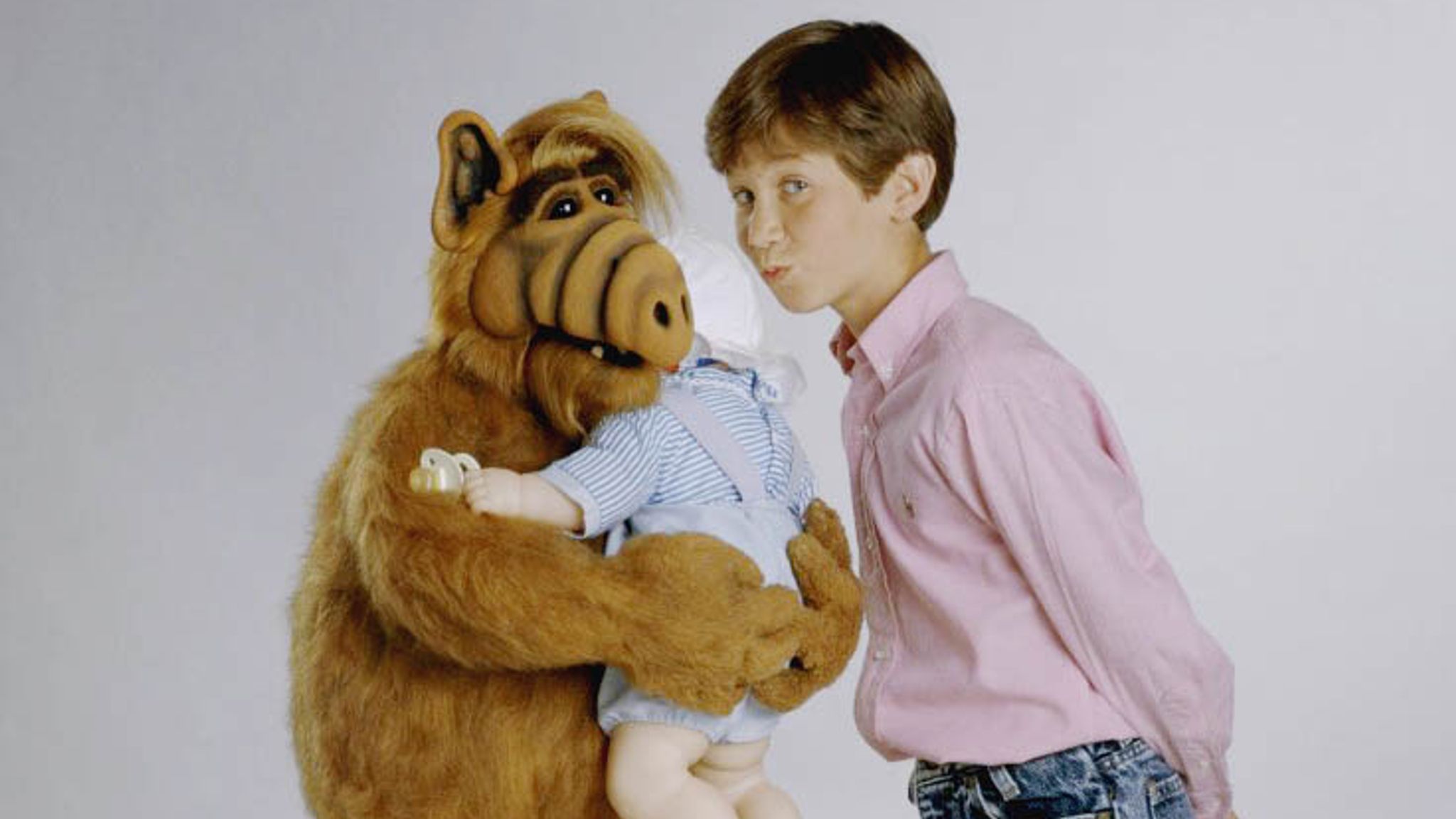
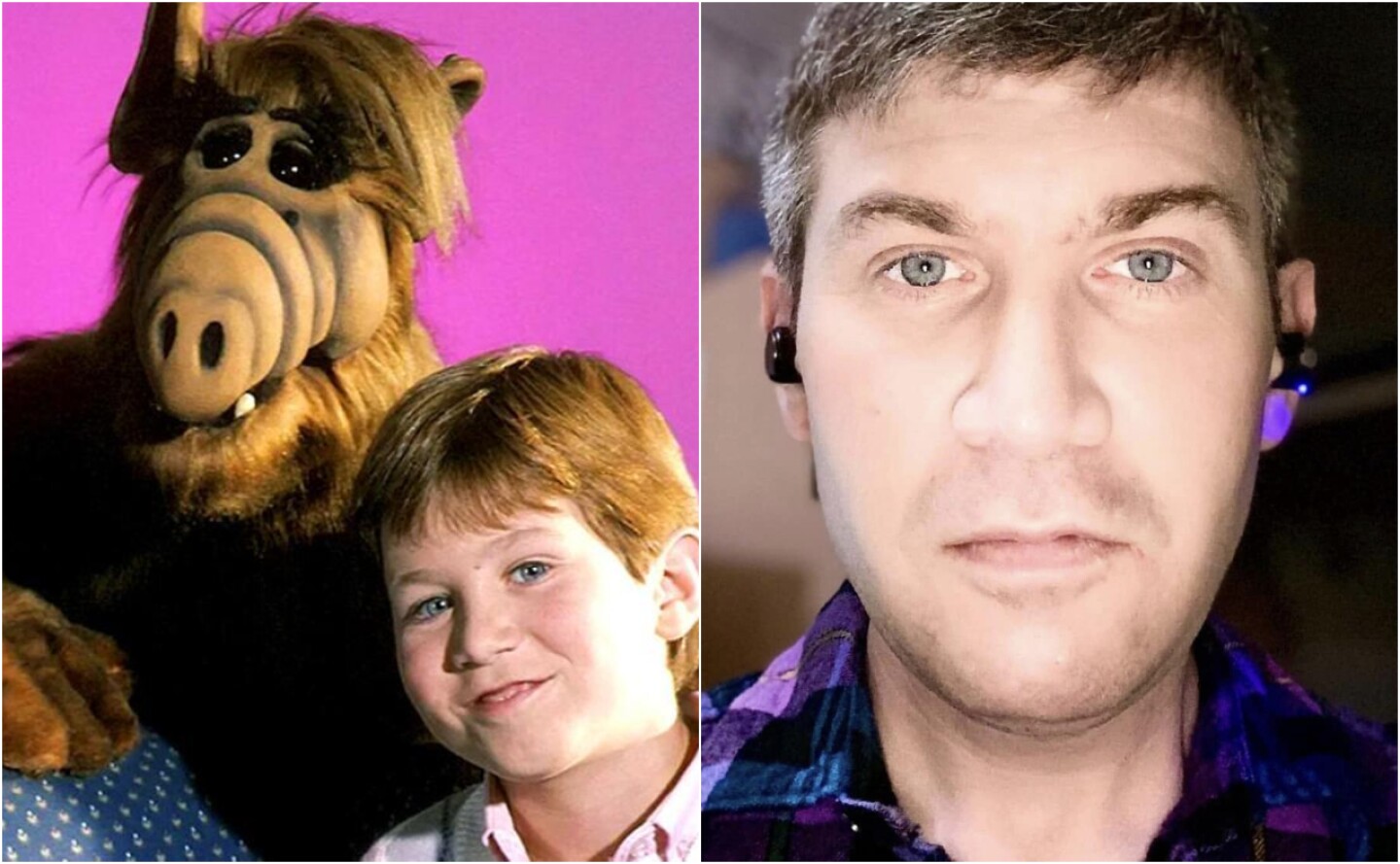
Standard animation usually relies on "pre-lay" or "ADR" (Automated Dialogue Replacement), but ALF was a live-action sitcom filmed in front of—or designed for—a studio audience. To make the interaction between ALF and the Tanner family feel authentic, the human actors (Max Wright, Anne Schedeen, Andrea Elson, and Benji Gregory) needed to hear the voice and see the puppet move in real-time.
Fusco would be positioned beneath the floorboards of the set, which was raised four feet off the ground. The set was riddled with "trap doors" and trenches to allow the puppeteers to move freely. While holding the puppet above his head, Fusco wore a headset microphone. This allowed him to deliver lines with precise comedic timing, responding to the subtle shifts in the human actors' performances. This "live" vocal delivery is why ALF's dialogue feels so spontaneous and conversational compared to other puppet characters of that era.
The Puppetry Team
While Fusco was the voice and the head operator, he was rarely alone. A character as expressive as ALF required a team:
- Lisa Buckley: Operated ALF's left hand.
- Bob Fappiano: Operated the right hand via a remote-control system for finer finger movements and facial twitches.
- Paul Fusco: Controlled the mouth, head, and the primary vocal delivery.
This coordinated effort meant that the "voice actor" was actually the leader of a three-person physical performance team. The synchronization between the voice and the secondary puppet movements was critical to creating the illusion of a living creature.
Full-Body Shots: The Role of Michu Meszaros
A common point of confusion regarding the ALF voice actor involves the full-body shots seen in the early seasons. When viewers saw ALF walking, running, or standing in a wide shot where his feet were visible, the puppet was replaced by a costume.
The actor inside that costume was Michu Meszaros, a 33-inch-tall circus performer and actor. While Meszaros provided the physical movement for these difficult shots, he did not provide the voice. Even when Meszaros was in the suit, Paul Fusco would record the dialogue separately or provide it via a microphone so the movements would match the established character voice.
As the series progressed, the use of the full-body suit became less frequent due to its extreme heat and the physical toll it took on Meszaros. By the later seasons, the production relied almost exclusively on the hand puppet operated by Fusco, using creative framing and set design to hide the puppeteers.
Technical Aspects of the ALF Voice and Sound Design
The "ALF voice" is not just about the pitch; it is about specific phonetics and "character sounds" that Fusco developed.
- The "Ha!" Laugh: One of the most iconic sounds in sitcom history, ALF’s sharp, breathy "Ha!" was a Fusco signature. It served as a punctuation mark for his insults and jokes.
- The Nasal Resonance: Fusco pushes the air through the mask of his face rather than deep from the chest, creating that distinct "clogged nose" sound that suggests ALF is constantly unimpressed by his surroundings.
- The Burp: ALF was known for his crude manners, and the "Melmacian burp" became a recurring sound effect. While often supplemented by post-production sound editors, the timing of these vocal "gross-outs" was integral to Fusco's performance.
- Improvisation: Because Fusco was also the writer and producer, he frequently deviated from the script. This improvisational freedom allowed the voice of ALF to feel more "dangerous" and unpredictable than a standard scripted character.
Comparison of Performance Methods
To understand the complexity of how the voice was delivered, it is helpful to compare the different ways ALF was brought to life on screen.
| Method | Primary Actor/Operator | Voice Source | Usage |
|---|---|---|---|
| Main Hand Puppet | Paul Fusco (Head/Mouth) | Live (Paul Fusco) | 90% of all episodes; dialogue scenes |
| Full-Body Suit | Michu Meszaros | Dubbed (Paul Fusco) | Walking, running, standing wide shots |
| Animatronic Rig | Bob Fappiano (Remote) | Live/Pre-recorded | Fine facial expressions/background movement |
| Animated Series | Paul Fusco | Pre-recorded (Studio) | ALF: The Animated Series & ALF Tales |
The Evolution of the Voice: From 1986 to 2026
The voice of ALF has remained remarkably consistent over four decades. When the show ended in 1990, many fans assumed the character would fade away. However, Paul Fusco continued to use the voice in various capacities, ensuring that the character's "brand" never shifted to a new actor.
The 1990s and 2000s
Following the TV movie Project: ALF (1996), which featured a slightly more mature-sounding Gordon, Fusco brought the character back for ALF's Hit Talk Show on TV Land in 2004. During this period, the voice gained a slightly deeper register, likely due to Fusco’s natural aging, but the character’s "Borscht Belt" comedian energy remained intact.
The Shout! Factory Era and 2020s Revival
In the early 2020s, Shout! Factory acquired the rights to the ALF library. This led to a resurgence in interest, including high-definition remasters and the release of lost footage. Throughout this period, and continuing into 2026, Fusco has provided "new" commentary and promotional material in character.
A significant moment in the modern history of the voice occurred when Ryan Reynolds’ "Maximum Effort" production company partnered with Paul Fusco to create "Maximum Moments"—short segments featuring ALF promoting various brands. In these segments, the 2026-era voice of Paul Fusco sounds nearly identical to the 1980s original, a testament to Fusco's vocal preservation and commitment to the role.
Common Misconceptions About ALF’s Performance
There are several persistent myths regarding who voiced or played ALF that require clarification:
- The "Jerry Lewis" Theory: Because ALF’s voice has a certain mid-century comedic flair, some younger viewers mistakenly believed a famous comedian like Jerry Lewis or even a young Danny DeVito provided the voice. This is incorrect; Paul Fusco is the sole creator of the vocal profile.
- The Puppet vs. The Person: Many people believe the actor in the suit was the one talking. As noted, Michu Meszaros was purely a physical performer. The personality of ALF was entirely a creation of Fusco’s vocal cords.
- AI and Voice Synthesis: As of 2026, while AI voice cloning technology exists, all official ALF projects have prioritized using Paul Fusco. The nuances of ALF’s "raspy" delivery and his specific comedic timing are notoriously difficult for current AI models to replicate without sounding mechanical or losing the "soul" of the character.
How to Differentiate Official and Unofficial Voices
If you are a collector or a fan of voice acting, it is important to distinguish between Paul Fusco’s official work and sound-alikes used in third-party media.
- Check the Credits: Any project officially sanctioned by Alien Productions or Shout! Factory will list Paul Fusco.
- Listen for the "Gravel": Sound-alikes often make ALF sound too "cartoonish" or high-pitched. Fusco’s voice has a specific "smoker's rasp" that is difficult to imitate perfectly.
- The "Ha!" Factor: Pay attention to the laugh. Most imitators over-exaggerate the "Ha!", whereas Fusco uses it as a natural, albeit eccentric, part of his speech pattern.
Summary of the ALF Voice Legacy
Paul Fusco’s work as the ALF voice actor is a rare example of a creator remaining completely synonymous with their creation for forty years. By combining the physical demands of puppetry with the creative demands of voice-over and improvisational comedy, Fusco created a character that transcended the limitations of a "kids' show puppet."
The enduring popularity of ALF in 2026 is a direct result of this vocal performance. Whether Gordon Shumway is complaining about the lack of cats for dinner or mocking Willie Tanner’s hobbies, the voice remains the anchor of the character’s identity.
Frequently Asked Questions
Has anyone other than Paul Fusco ever officially voiced ALF? No. In all official television series, movies, talk shows, and commercials produced by Alien Productions, Paul Fusco has been the only voice actor. While parodies in shows like The Big Bang Theory or Robot Chicken use impressionists, they are not considered part of the character's official canon.
Is Paul Fusco still voicing ALF in 2026? Yes. Paul Fusco continues to provide the voice for the character in promotional segments, commercial partnerships (such as those with Maximum Effort), and special features for home media releases as of 2026.
Why was the voice recorded live on set instead of in a studio? Recording live allowed Paul Fusco to interact organically with the human actors. This spontaneity allowed for improvisation and a "lived-in" feel that made the puppet appear more like a real member of the family rather than a post-production effect.
Was the voice of ALF digitally altered or pitch-shifted? Generally, no. Paul Fusco’s natural character voice provided the rasp and pitch seen on the show. While standard audio equalization was used to ensure the headset microphone sounded "full," the characteristic sound of ALF is a result of Fusco's vocal technique, not electronic manipulation.
How did the puppeteers hide while Fusco was voicing the character? The ALF set was built on a platform with removable floor panels. Fusco and the other puppeteers would stand or sit in the "trenches" below the floor, following the action on monitors while Fusco spoke into his headset.
Is there a difference between the voice in the live-action show and the animated series? Paul Fusco voiced both. However, in ALF: The Animated Series, the performance was recorded in a traditional voice-over studio. This allowed Fusco to use a slightly broader, more "cartoony" range since he wasn't physically restricted by the mechanics of a puppet at that moment.
Recommendation for Fans and Researchers
For those interested in the technical history of voice acting and puppetry, the best resource is the "behind-the-scenes" documentaries found on the Shout! Factory ALF Deluxe Edition releases. These features provide rare footage of Paul Fusco in the "trenches" of the set, demonstrating how he maintained the character's voice while managing the immense physical strain of puppeteering. Watching these clips offers a profound appreciation for the dual-threat performance required to bring Gordon Shumway to life.