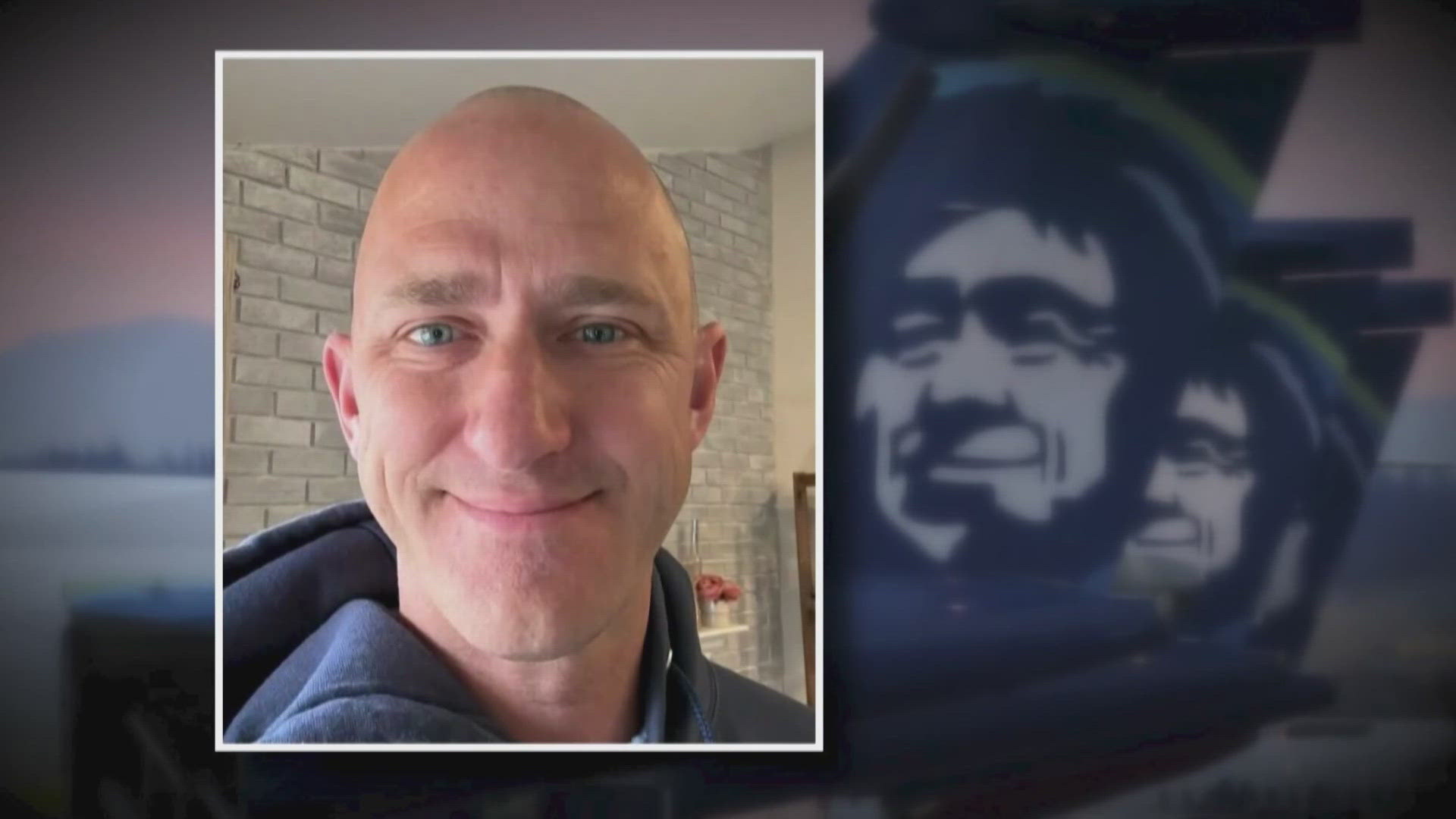
In October 2023, an off-duty Alaska Airlines pilot, Joseph Emerson, was involved in a high-profile mid-flight incident involving the attempted shutdown of aircraft engines. Reports and subsequent legal filings indicated that Emerson had consumed psilocybin—often referred to as psychedelic mushrooms—prior to the flight. This event triggered significant inquiries into aviation medical standards, the role of substance use in pilot certification, and the psychological health protocols enforced by the Federal Aviation Administration (FAA).
The Incident: An Overview of Flight 2059
On October 22, 2023, Alaska Airlines Flight 2059, operated by Horizon Air, was traveling from Everett, Washington, to San Francisco, California. Joseph Emerson, an off-duty pilot occupying the flight deck jumpseat, allegedly attempted to initiate an emergency engine shutdown by pulling the fire suppression handles. The crew successfully intervened, and the aircraft was diverted safely to Portland, Oregon.
The subsequent investigation revealed that Emerson had been experiencing a significant personal mental health crisis. During post-incident questioning and court testimony, Emerson disclosed that he had consumed psilocybin mushrooms approximately 48 hours before boarding the flight, believing they might assist with his depression. This disclosure brought the topic of psychedelic substances and aviation safety into the public spotlight, forcing a re-evaluation of how mental health and non-traditional therapeutic substances are viewed within the aviation industry.
FAA Medical Standards and Prohibited Substances
The FAA maintains strict medical certification requirements for pilots, categorized into First, Second, and Third Class certificates. A cornerstone of these regulations is the "fitness for duty" standard, which dictates that a pilot must be free from any condition or substance that would impair their ability to safely operate an aircraft.
The Status of Psilocybin
Psilocybin is classified as a Schedule I controlled substance under United States federal law. Consequently, its use is strictly prohibited for individuals holding FAA medical certificates. The FAA’s stance on mental health and medication is historically conservative; while the agency has recently updated its policies to allow for the use of certain antidepressants, psilocybin remains firmly on the list of disqualifying substances.
The medical certification process requires pilots to undergo periodic examinations by Aviation Medical Examiners (AMEs). During these exams, pilots are required to disclose all current medications and any history of substance use. The use of illicit or prohibited substances—regardless of whether they are perceived as "therapeutic" or "medicinal"—can lead to the immediate denial or revocation of a pilot’s medical certificate.
The Mental Health Crisis in Commercial Aviation
The incident involving the Alaska Airlines pilot highlighted a broader, systemic concern regarding pilot mental health. The aviation industry has long been criticized for a culture that may discourage pilots from seeking help for mental health struggles, fearing that reporting such issues would lead to the permanent loss of their career.
Cultural Barriers to Reporting
Pilots often operate under the assumption that disclosing a mental health diagnosis or the use of experimental treatments will result in a "grounding" that is difficult to reverse. This fear creates a dangerous scenario where individuals might self-medicate using substances they believe are "natural" or "less harmful" than prescription medications, rather than engaging in authorized treatment programs.
In the wake of the 2023 incident, industry advocacy groups and unions have called for:
- Destigmatization: Moving toward a culture where mental health care is treated with the same necessity as physical health.
- Simplified Pathways to Recovery: Ensuring that pilots who seek professional help for depression or anxiety have a clear, documented path to returning to the flight deck once they are cleared by medical professionals.
- Enhanced Monitoring: Developing better internal support systems that allow pilots to access resources without the immediate threat of certificate revocation for minor or manageable issues.
Understanding the Pharmacology and Safety Risks
While proponents of psilocybin point to ongoing clinical research suggesting its efficacy in treating refractory depression, the aviation environment is uniquely unforgiving of neurological or psychological impairment.
Why Impairment Matters in the Cockpit
The flight deck requires sustained attention, rapid decision-making, and high-level spatial awareness. Substances that alter perception, mood, or cognitive processing present an unacceptable risk to flight safety. Even if a substance is taken 48 hours prior to a flight, the FAA’s standard is that any lingering effect—or even the underlying condition that necessitated the substance—can be grounds for disqualification.
The risk is not merely the acute effect of the substance, but the potential for delayed cognitive side effects, persistent psychological shifts, or the emergence of symptoms related to the underlying mental health condition. For these reasons, the FAA’s rigid adherence to prohibiting substances that have not undergone rigorous clinical approval for aviation usage remains the standard.
Comparative Overview: Aviation Substance Regulations
| Substance Category | FAA Regulatory Status | Implications for Pilots |
|---|---|---|
| Alcohol | Permitted (with strict limits) | Prohibited within 8 hours of flight; .04% BAC limit. |
| Antidepressants (SSRIs) | Permitted (via HIMS program) | Requires specific FAA-approved medication and tracking. |
| Psilocybin | Strictly Prohibited | Disqualifying; may result in permanent loss of license. |
| Cannabis | Strictly Prohibited | Disqualifying; remains federally illegal in the US. |
| OTC Sleep Aids | Controlled Use | Must be cleared by an AME for specific flight duty. |
Guidance for Pilots and Aviation Professionals
For pilots managing mental health, the primary recommendation is to avoid self-prescribing or experimenting with substances not explicitly authorized by the FAA. The aviation medical environment is governed by federal law, not personal wellness philosophies.
Authorized Pathways
If a pilot is experiencing distress, the following steps are considered the safest and most compliant:
- Consult an AME: Aviation Medical Examiners are the primary point of contact for medical compliance. They can offer guidance on what treatments are approved.
- Use Company Assistance Programs: Most airlines provide Employee Assistance Programs (EAPs) that offer confidential counseling and resources for mental health support.
- HIMS Program: The Human Intervention Motivation Study (HIMS) is a industry-recognized program designed to assist pilots in returning to work after addressing substance use or mental health issues.
- FAA Transparency: If an issue arises, reporting it through the proper channels and working with the FAA to manage the condition is far more likely to result in a successful career continuation than attempting to conceal it.
The Future of Pilot Mental Health Post-2026
Looking forward from 2026, the aviation industry continues to grapple with the fallout of the 2023 incident. The FAA has been under pressure from congressional committees to modernize its mental health guidelines. While there is no immediate indication that psilocybin will be legalized for flight personnel, there is a distinct trend toward making traditional psychiatric care more accessible.
The "Alaska Airlines pilot" event serves as a cautionary case study on the dangers of seeking non-traditional solutions for complex psychological trauma. It underscores that safety is the primary directive in commercial aviation, and that compliance with federal regulations is the only viable path for a professional pilot.
Frequently Asked Questions
Can a pilot ever return to flying after disclosing psilocybin use?
The path to reinstatement is complex and depends heavily on the individual's specific medical evaluation. The FAA assesses whether the individual has an underlying mental health disorder and whether that condition is under control. Simply using a prohibited substance does not automatically end a career, but it initiates a rigorous, multi-year monitoring and testing process.
Is there a specific "wait time" for substances like mushrooms before flying?
No. Because psilocybin is a Schedule I substance, there is no FAA-approved "wait time." Its use is disqualifying, and a pilot must prove to the FAA that they are fit for duty through a formal medical review process regardless of how much time has passed since ingestion.
How does the FAA detect the use of illegal substances?
The FAA utilizes both random and post-incident drug testing protocols. Following any safety-related incident in the cockpit, standard procedures include comprehensive toxicology screens to ensure no illegal or prohibited substances were present in the pilot's system.
Are there any legal "natural" remedies approved by the FAA?
While some herbal supplements might be approved if they do not contain psychoactive components or interfere with aviation safety, the rule of thumb is that any substance affecting the nervous system must be vetted by an AME. Always check with an aviation doctor before adding any supplement to your routine.
What should a pilot do if they feel they need mental health support?
Reach out to your union representative or your airline’s EAP. These resources are designed to help you navigate your options while minimizing the risk to your medical certificate. Proactive engagement with medical professionals is always preferred over self-medication.
Final Recommendation
For any aviation professional, the most critical takeaway from the 2023 incident is that professional, medically-supervised care is the only safe avenue for managing mental health. Never attempt to self-medicate with substances, legal or otherwise, that have not been cleared by the FAA. If you are struggling, engage with authorized airline assistance programs early. Your career and the safety of the flying public depend on your commitment to following established regulatory and medical pathways.