Finding affordable auto insurance in West Islip requires balancing New York State’s mandatory coverage requirements with local risk factors unique to Long Island. Drivers in the 11795 ZIP code can secure competitive premiums by leveraging state-sanctioned discounts, optimizing policy deductibles, matching coverage to vehicle usage, and comparing quotes from both national carriers and local independent agencies.
Disclaimer: This article provides general educational information regarding auto insurance in New York State. Insurance regulations, mandatory limits, and policy pricing fluctuate based on personal underwriting factors and statutory updates. For advice regarding specific insurance contracts or legal requirements, consult a licensed New York insurance professional or legal advisor.
Understanding Auto Insurance Rates in West Islip and Suffolk County
Auto insurance pricing in West Islip is shaped heavily by geographic, environmental, and demographic conditions specific to Suffolk County and the South Shore of Long Island. While West Islip offers suburban residential neighborhoods, its proximity to major commuter arteries and coastal waterways directly impacts insurance risk profiles.
- Long Island Commute Corridors
- Increased Traffic Density
- Higher Claim Frequency
- Increased Traffic Density
- South Shore Coastal Location
- Storm & Flood Risk
- Comprehensive Claim Risk
- Storm & Flood Risk
Insurance underwriters calculate baseline premiums using localized claims data. In West Islip, several key factors influence overall rate structures:
- Traffic Density and Commuter Arteries: Drivers routinely navigate major, high-volume thoroughfares such as Sunrise Highway (NY-27), Montauk Highway (NY-27A), the Southern State Parkway, and the Robert Moses Causeway. The heavy volume of daily stop-and-go commuter traffic toward New York City or eastern Long Island leads to higher collision rates compared to upstate regions, driving up liability and collision costs.
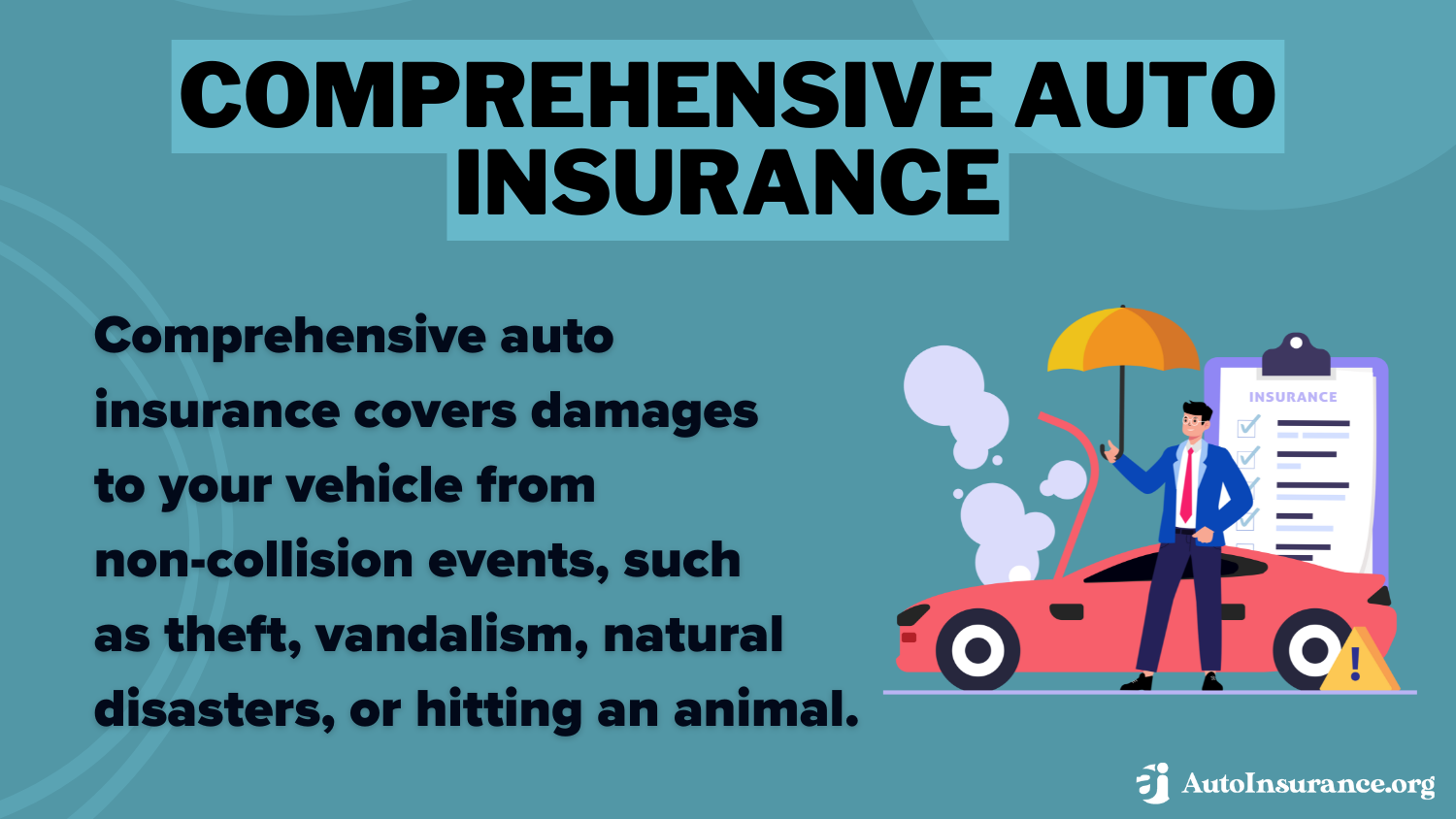
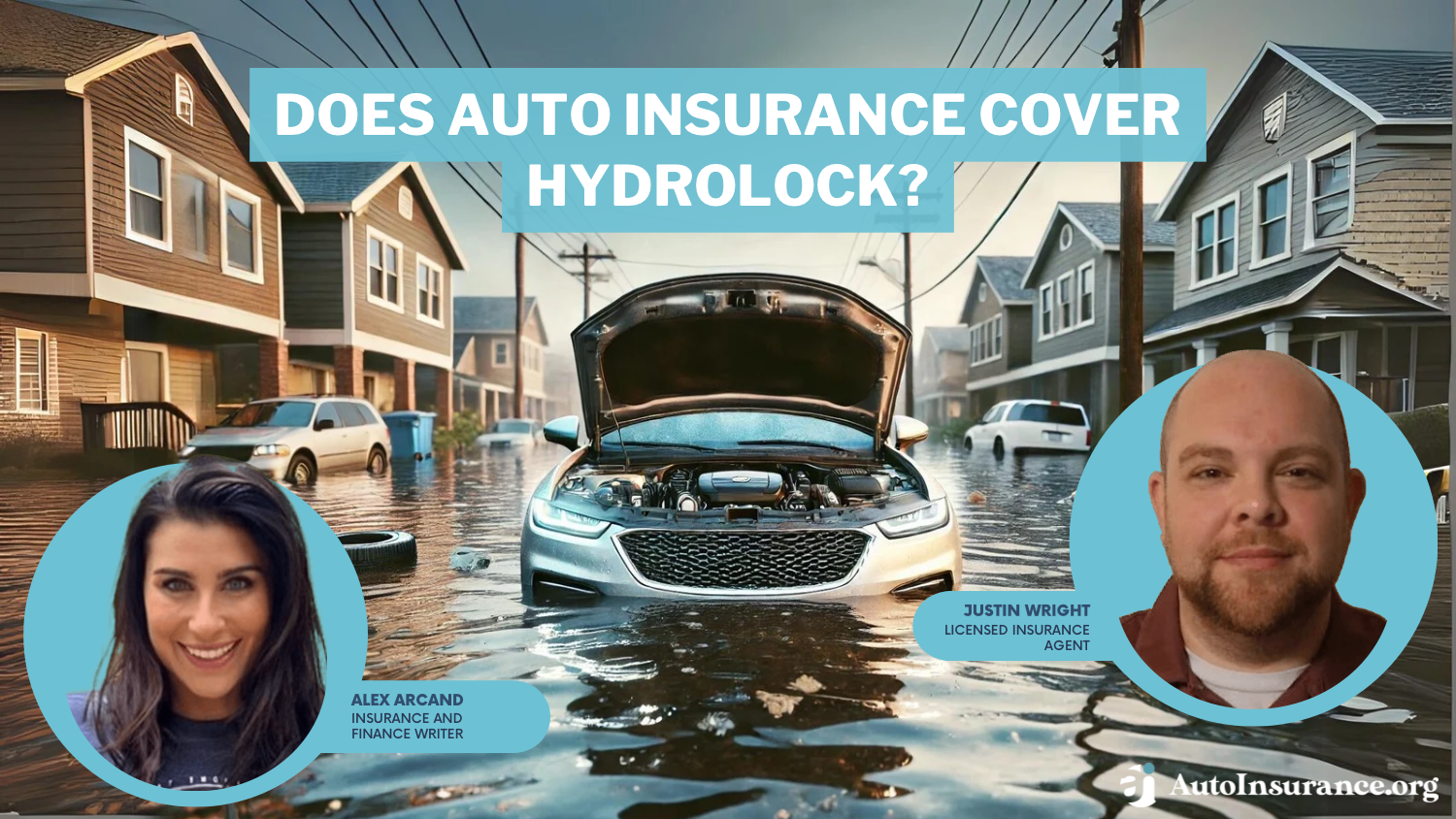
- Weather and Coastal Exposure: Located along the Great South Bay, West Islip faces heightened exposure to coastal weather events, including nor'easters, tropical storms, and localized tidal flooding. Insurance carriers factor these environmental hazards into comprehensive coverage rates, which pay for non-collision damages like windstorm debris, falling tree branches, and water damage.
- Regional Repair Costs: Automotive repair shop labor rates and parts acquisition costs in the Long Island metropolitan area are higher than national averages. Because insurers pay more per repair claim in Suffolk County, baseline premiums reflect these inflated payout requirements.
New York State Mandatory Minimum Coverage Requirements
Before evaluating strategies to make coverage more affordable, drivers must ensure their policies comply with New York State financial responsibility laws. Operating a motor vehicle in New York without valid liability and no-fault insurance can lead to registration suspension, driver's license revocation, civil penalties, and daily lapse fees enforced by the New York State Department of Motor Vehicles (NYS DMV).
New York mandates four primary components in every standard private-passenger auto insurance policy:
1. Bodily Injury Liability
Bodily Injury (BI) coverage pays for medical expenses, loss of income, and legal defense costs if you cause an accident resulting in injury or death to another person. New York law requires minimum BI limits of:
- $30,000 for bodily injury per person.
- $60,000 total bodily injury per accident involving two or more people.
- $50,000 for wrongful death per person ($100,000 total per accident).
2. Property Damage Liability
Property Damage (PD) liability covers costs associated with damaging another party’s vehicle or property (such as guardrails, utility poles, or structures) in an accident where you are at fault.
- $10,000 mandatory minimum per accident.
3. Personal Injury Protection (PIP / No-Fault)
New York is a "no-fault" insurance state. Personal Injury Protection pays reasonable and necessary medical expenses, lost wages, and micro-expenses (such as transportation to medical appointments) for you and your passengers following an accident, regardless of who caused the collision.
- $50,000 mandatory basic limit per person.
4. Statutory Uninsured Motorist (UM) Coverage
Uninsured Motorist coverage protects you, your family members, and passengers if you are injured in an accident caused by a driver who has no insurance, or in a hit-and-run incident.
- $30,000 per person.
- $60,000 per accident.
- Note: UM coverage applies only to bodily injury claims occurring within New York State.
The Risk of Mandatory Minimums on Long Island
Selecting mandatory minimum limits yields the absolute lowest initial premium, but it exposes West Islip drivers to substantial financial risk. Given the high concentration of expensive luxury vehicles, commercial trucks, and SUVs on Long Island roads, a property damage limit of $10,000 is often insufficient for even minor multi-vehicle accidents.
If your liability limits are exhausted in a major collision, injured parties can pursue your personal assets—such as home equity, savings accounts, or future wage garnishments—to collect the remaining damages. Consequently, lowering costs by minimizing liability limits often creates severe long-term financial vulnerability.
Primary Factors Influencing Auto Premiums in 11795
Carriers evaluate dozens of risk metrics when underwriting a policy in West Islip. Understanding how these factors affect your premium allows you to target specific areas for savings.
- Key Premium Underwriting Factors
- Driver Profile
- Driving record
- Age/Experience
- Credit score
- Vehicle Risk
- Safety features
- Loss history
- Repair complexity
- Coverage Options
- Deductible levels
- Selected limits
- Usage Factors
- Annual mileage
- Primary use (Commute vs. Pleasure)
- Driver Profile
- Driving Record: Moving violations (such as speeding or failure to yield), at-fault accidents, and license suspensions significantly raise insurance costs. Maintaining a clean driving record for 36 to 60 consecutive months is the single most effective way to secure lower baseline rates.
- Vehicle Make, Model, and Year: Insurers assess crash test performance, anti-theft equipment, total vehicle replacement value, and historical claim rates for your vehicle model. Vehicles equipped with modern Advanced Driver Assistance Systems (ADAS)—like automated emergency braking and lane departure warnings—may qualify for safety discounts, though replacement sensors can increase collision repair costs.
- Annual Mileage and Commute Patterns: Drivers who commute daily to the Babylon LIRR station or drive into New York City accrue higher mileage on congested routes, increasing crash statistical exposure. Disclosing an accurate, lower annual mileage if you work remotely or take public transportation can substantially decrease your premium.
- Credit-Based Insurance Scores: In New York, insurance companies are legally permitted to use credit-based insurance scores to help determine auto policy premiums. Maintaining strong credit history signals financial stability to insurers, which typically correlates with lower underwriting risk and cheaper rates.
Actionable Strategies to Lower Insurance Costs in West Islip
Drivers looking to reduce premiums without sacrificing essential protection can implement several proven strategies tailored to New York regulations.
Complete a NYS PIRCPR Defensive Driving Course
New York State authorizes the Point and Insurance Reduction Program (PIRCPR). Completing an approved 6-hour defensive driving course—available either online or in-person through local providers—entitles the policyholder to a mandatory 10% discount on auto liability, bodily injury, property damage, and collision premiums for three full years. Additionally, the course can reduce up to four points from your NYS DMV driving record for violations received within the past 18 months.
Optimize Policy Deductibles
For policies carrying Comprehensive and Collision coverage (collectively referred to as "full coverage"), adjusting your out-of-pocket deductible directly changes your annual policy premium. Raising your collision deductible from $250 or $500 to $1,000 can lower the physical damage portion of your bill by 15% to 30%. However, policyholders must ensure they maintain an accessible emergency savings balance to cover the higher deductible if an accident occurs.
Bundle Auto and Homeowners/Renters Policies
Insurers frequently offer multi-policy discounts when you bundle your auto coverage with a homeowners, condo, or renters policy under the same carrier. Because South Shore coastal real estate can complicate property underwriting, using a carrier willing to insure both your West Islip home and vehicle frequently yields the largest combined savings.
Enroll in Telematics / Usage-Based Programs
Most major New York carriers offer telematics programs via mobile applications or OBD-II vehicle plug-in devices. These programs track real-time driving habits, including hard braking, sudden acceleration, cornering speed, late-night driving, and total distance. Safe drivers can unlock discounts ranging from 5% to 25% off their total premium.
Comparing Insurance Tiers for West Islip Drivers
Selecting the right level of coverage involves matching your personal balance sheet, vehicle age, and risk tolerance against premium expenditures. The table below outlines three common insurance structures for Long Island motorists:
| Coverage Tier | Key Policy Limits included | Ideal Driver Profile | Pros | Cons |
|---|---|---|---|---|
| State Minimum Coverage | • BI: $30k/$60k• PD: $10k• Basic PIP: $50k• UM: $30k/$60k | Drivers with low-value vehicles ($3,000 or less) and minimal personal assets. | Lowest possible out-of-pocket monthly premium cost. | High personal financial risk; no physical damage coverage for your own car. |
| Recommended Standard Protection | • BI: $100k/$300k• PD: $100k• Basic PIP: $50k + Extended• SUM: $100k/$300k• Comp/Coll: $500 Deductible | Commuters with financed or leased vehicles, or homeowners needing asset protection. | Comprehensive liability shield; protects personal home equity and vehicle investment. | Higher monthly premium than basic statutory minimums. |
| High-Asset / Premier Coverage | • BI: $250k/$500k or $500k CSL• PD: $250k• APIP: $100k+• Umbrella: $1M–$5M policy | High-net-worth individuals, household fleets, multi-property owners on the South Shore. | Maximum risk transfer; protects broad personal wealth against catastrophic claims. | Highest monthly outlay; requires continuous review of asset risks. |
Choosing a Distribution Channel: Independent Agencies vs. Direct Buying
When shopping for coverage in West Islip, drivers generally select between three primary purchasing avenues. Each channel presents distinct advantages depending on your insurance knowledge and servicing requirements.
- Choosing Your Insurance Provider
- Independent Brokers
- Quote multiple carriers
- Local market expertise
- Custom coverage advice
- Captive Agents
- Represent 1 single carrier
- Deep product familiarity
- Dedicated agency relationship
- Direct Online Insurers
- Self-service portal
- Fast digital setup
- Minimal local guidance
- Independent Brokers
Independent Insurance Brokers
Independent brokers operate locally in Suffolk County and represent multiple insurance companies simultaneously. They evaluate your profile and compare policies across various regional and national carriers to find the best rate.
- Best for: Homeowners, drivers with complex family auto policies, or individuals who prefer a local advocate to manage claims and annual policy reviews.
Captive Insurance Agents
Captive agents represent a single, specific insurance firm (such as State Farm, Allstate, or Farmers). They exclusively write policies backed by their parent organization.
- Best for: Customers loyal to a specific corporate brand who want dedicated, face-to-face service from a localized neighborhood office along Union Boulevard or Montauk Highway.
Direct-to-Consumer Digital Platforms
Direct-to-consumer carriers allow motorists to quote, bind, and manage policies independently online or through mobile apps.
- Best for: Tech-savvy drivers with straightforward coverage needs, standard vehicle profiles, and clean driving records who want to bypass intermediary commissions.
Common Pitfalls to Avoid When Buying Auto Coverage
Achieving true affordability requires avoiding costly mistakes during policy setup and maintenance.
Maintaining Unnecessary Coverage on Older Vehicles
If your car’s market value drops below $3,000 to $4,000, continuing to pay for Collision and Comprehensive coverage may be financially impractical. An annual premium spend of $800 plus a $500 deductible may exceed the maximum potential payout from an insurance carrier in the event of a total loss. Check vehicle market values regularly on resources like Kelley Blue Book to determine when to drop physical damage endorsements.
Allowing Coverage Lapses
New York State uses an automated electronic reporting system (NYS DMV Insurance Information & Enforcement System) linking insurance carriers directly to vehicle registration records. If your policy lapses for even a single day, the carrier notifies the state. The DMV will suspend your vehicle registration, impose daily civil penalties ($8 to $12 per day depending on lapse duration), and require you to surrender your license plates. Furthermore, insurance carriers classify drivers with coverage gaps as high-risk, raising future policy quotes considerably.
Overlooking Supplementary Uninsured/Underinsured Motorist (SUM) Limits
Standard Uninsured Motorist coverage only meets minimum mandatory requirements. However, many drivers in New York carry baseline or inadequate liability coverage. Purchasing Supplementary Uninsured/Underinsured Motorist (SUM) endorsement matches your UM coverage limits to your higher Bodily Injury Liability limits. If you suffer severe injuries caused by an underinsured driver, your own SUM policy fills the compensation gap up to your chosen limit.
Frequently Asked Questions
What is the mandatory minimum auto insurance required in West Islip, NY?
New York State law requires all registered vehicles to maintain liability coverage of at least $30,000 per person and $60,000 per accident for bodily injury, $50,000 for wrongful death per person ($100,000 per accident), and $10,000 for property damage. Policies must also include $50,000 in Personal Injury Protection (PIP) and statutory Uninsured Motorist protection of $30,000/$60,000.
How much can a NYS Defensive Driving Course save on my auto insurance?
Completing a state-approved Point and Insurance Reduction Program (PIRCPR) course yields a mandatory 10% discount on your policy's auto liability, bodily injury, property damage, and collision premiums. The discount applies continuously for three years and can be renewed by retaking the course every 36 months.
Why are car insurance rates higher on Long Island compared to Upstate New York?
Long Island has higher traffic density, greater commuter volumes on major highways, elevated vehicle repair labor rates, and higher risk of coastal storm damages. These localized risk metrics cause insurance companies to pay out higher and more frequent claims in Suffolk County than in rural upstate counties, driving up rates for West Islip residents.
Does basic PIP cover my vehicle if I get hit in West Islip?
No. Personal Injury Protection (PIP) is a no-fault coverage that pays strictly for medical costs, lost wages, and essential service expenses resulting from bodily injury. PIP does not pay for physical damage to your vehicle or property. To cover damage to your own car in an accident, you must add Collision coverage to your policy.
Should I drop Collision and Comprehensive coverage to lower my premium?
Dropping physical damage coverage reduces your overall premium, but it makes financial sense only if your vehicle's cash value is very low (typically under $3,000–$4,000) and you can afford to replace the vehicle out of pocket. If your vehicle is financed or leased, your lender will legally require you to keep Collision and Comprehensive coverage until the vehicle loan is paid off.
Final Action Plan for West Islip Drivers
To systematically lower auto insurance expenses while preserving appropriate coverage limits, follow this operational checklist:
- Gather Existing Documents: Locate your current policy declarations page to review existing liability limits, deductibles, and endorsement fees.
- Audit Vehicle Usage: Ensure your annual mileage and usage classification accurately reflect modern driving patterns, especially if working remotely or utilizing LIRR transit.
- Complete a Defensive Driving Course: Enroll in a NYS-certified PIRCPR course online to secure an immediate 10% liability and collision premium discount.
- Solicit Multi-Carrier Quotes: Request quotes from at least three distinct sources: one major direct carrier, one captive agency, and one local independent broker servicing Suffolk County.
- Re-Evaluate Deductible Thresholds: Adjust collision and comprehensive deductibles upward to $500 or $1,000 if your emergency funds can comfortably handle out-of-pocket costs after a claim.
- Verify Continuous Coverage: Coordinate policy effective dates carefully to prevent even a one-day insurance lapse, avoiding NYS DMV penalties and high-risk re-underwriting surcharges.