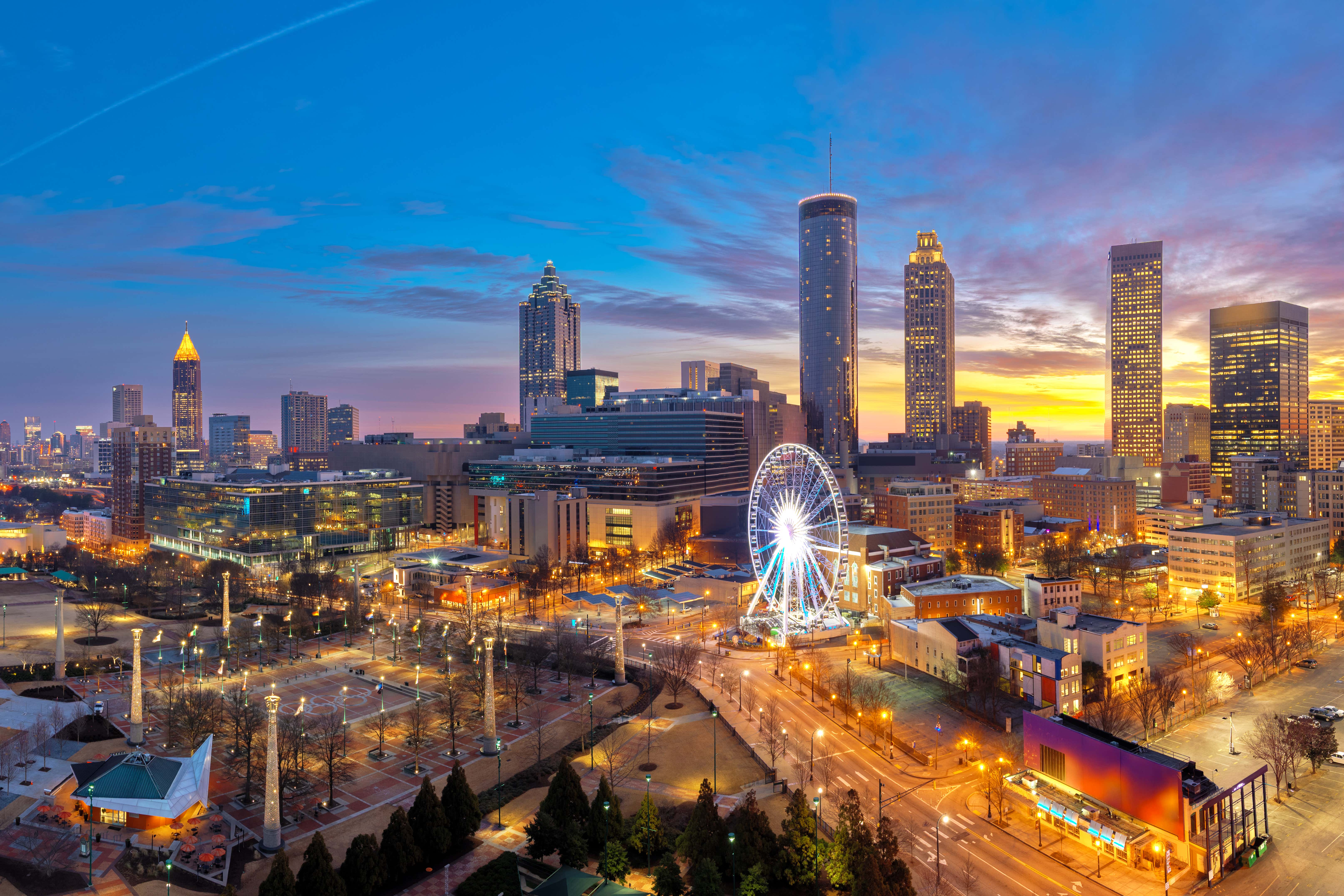
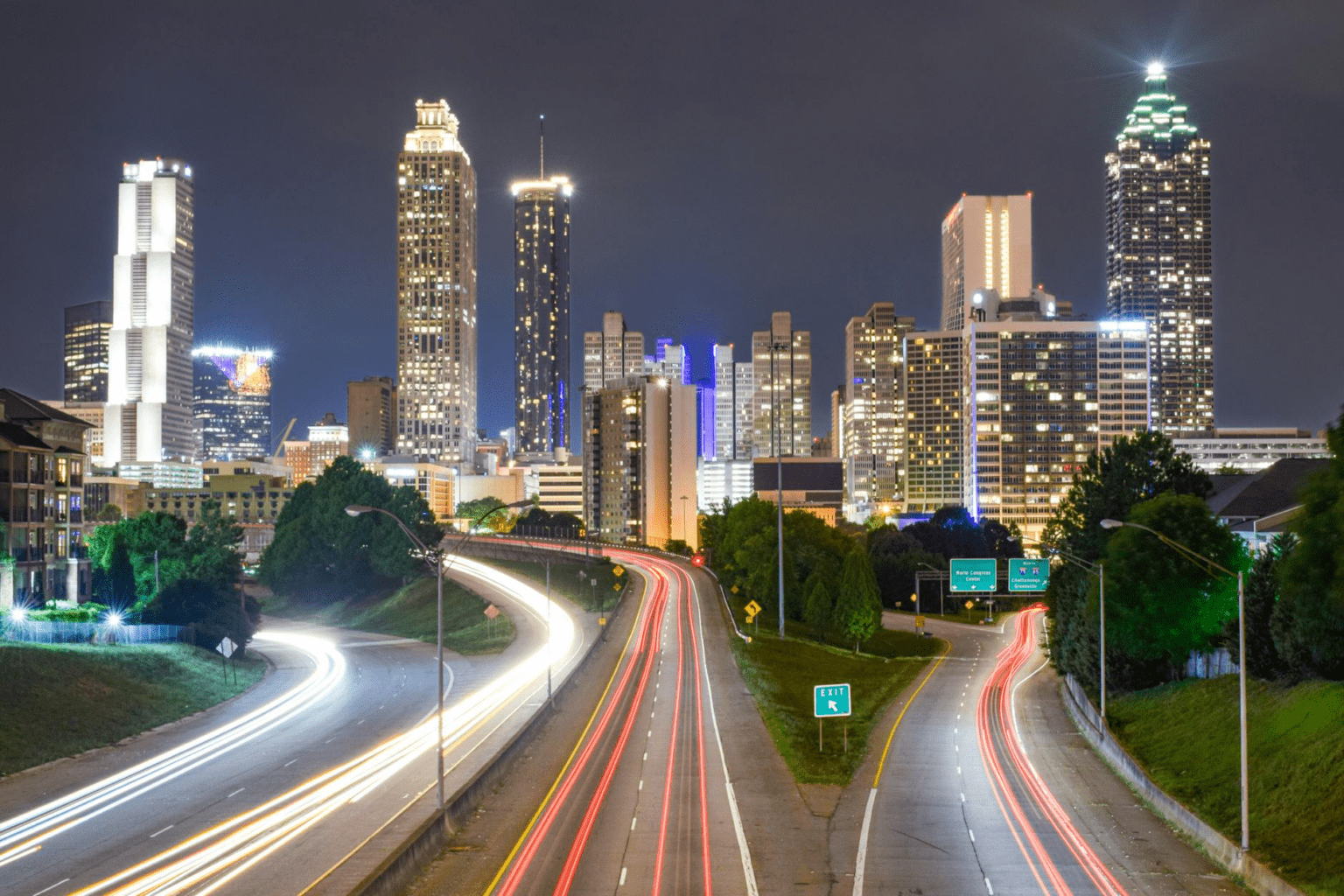
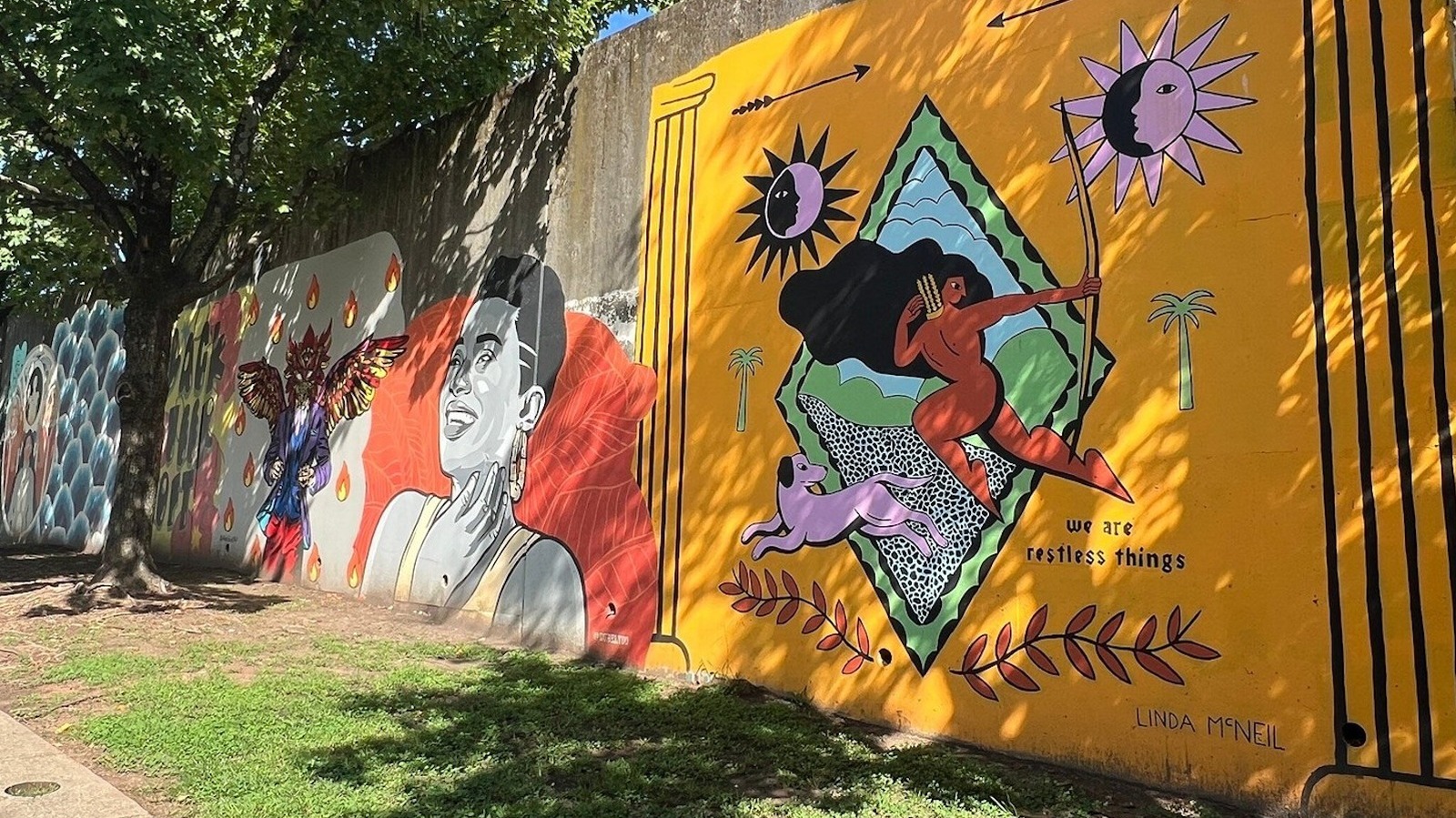
Exploring Atlanta offers a rich mix of historical landmarks, vibrant neighborhoods, diverse culinary scenes, and expansive green spaces. Situated among the rolling hills of the Georgia piedmont, the city blends its deep Civil Rights history and Southern heritage with modern innovation, making it a dynamic destination for urban adventures.
Understanding Atlanta: Geography and Layout
Atlanta is not a city defined by a single center; rather, it is a constellation of distinct neighborhoods, each with its own character, architectural style, and cultural identity. Navigating the city effectively requires understanding its unique layout, which is famously characterized by numerous streets sharing the name "Peachtree."
The city is roughly divided into quadrants—Northwest, Northeast, Southwest, and Southeast—anchored by Downtown, Midtown, and Buckhead along the central northern axis. Downtown serves as the historical and civic core, home to major convention centers, sports arenas, and large-scale tourist attractions. Just north, Midtown functions as the cultural and arts heartland, characterized by high-rise residential towers, educational institutions, and dense commercial districts. Further north, Buckhead represents a major financial and upscale retail hub.
Surrounding this central spine are historic ring neighborhoods such as Inman Park, Old Fourth Ward, and Grant Park. These areas feature Victorian and Craftsman-style homes, walkable commercial strips, and direct access to multi-use trails like the Atlanta BeltLine. Understanding this spatial distribution helps travelers and residents minimize transit times and structure their itineraries logically.
Historic Core and Cultural Landmarks
An exploration of Atlanta's rich historical narrative naturally begins in Downtown and the Old Fourth Ward, where pivotal events of American history unfolded.
The Sweet Auburn Historic District
The Sweet Auburn district along Auburn Avenue was once hailed by John W. Dobbs as "the richest Negro street in the world." During the Jim Crow era, this neighborhood flourished as a center of Black commerce, religion, and political organizing.
Visitors can explore the Martin Luther King Jr. National Historical Park, managed by the National Park Service. The site encompasses:
- The original birth home of Dr. Martin Luther King Jr.
- Ebenezer Baptist Church, where Dr. King and his father served as pastors.
- The King Center, which houses the crypts of Dr. King and Coretta Scott King.
Downtown Attractions and Centennial Olympic Park
Anchoring the modern downtown landscape is Centennial Olympic Park, a 21-acre green space created for the 1996 Summer Olympic Games. The park features the iconic Fountain of Rings and serves as a central gathering place surrounded by some of the city's largest cultural institutions, including the Georgia Aquarium, the World of Coca-Cola, and the Center for Civil and Human Rights.
Outdoor Recreation and the Atlanta BeltLine
Atlanta is frequently referred to as "The City in a Forest" due to its dense urban tree canopy, which covers roughly 47 to 50 percent of the municipal land area. This commitment to green infrastructure provides extensive outdoor adventure opportunities without leaving city limits.
| Trail / Park Segment | Key Features & Activities |
|---|---|
| Eastside Trail (BeltLine) | Paved multi-use path, public art, direct access to parks |
| Piedmont Park | Historic Olmsted-designed park, active sports, dog parks |
| Atlanta Botanical Garden | Living plant collections, canopy walk, seasonal exhibitions |
| Chattahoochee Riverlands | River access, hiking trails, paddling and kayaking routes |
The Atlanta BeltLine
The Atlanta BeltLine is one of the largest urban redevelopment programs currently underway in the United States. Transforming a historic 22-mile rail corridor that encircles the core of the city, the BeltLine connects multiple neighborhoods via multi-use trails, transit options, and public parks.
The Eastside Trail, stretching from Piedmont Park down to Reynoldstown, is the most developed and heavily trafficked segment. It features wide concrete paths flanked by local restaurants, breweries, and rotating outdoor art installations. Walking or cycling the BeltLine provides an unmatched perspective on contemporary urban renewal in the South.
Piedmont Park and the Botanical Garden
Spanning nearly 200 acres in Midtown, Piedmont Park is Atlanta’s premier urban green space. Originally designed by the firm of Frederick Law Olmsted, the park offers paved walking loops, active sports fields, tennis courts, and panoramic views of the Midtown skyline from Lake Clara Meer. Adjacent to the park, the Atlanta Botanical Garden spans 30 acres and houses specialized collections, including the Dorothy Chapman Fuqua Conservatory and an elevated Kendeda Canopy Walk that takes visitors through the treetops of Storza Woods.
Neighborhood Spotlights and Culinary Trails
Beyond the major downtown attractions, Atlanta's true character resides in its neighborhood commercial districts.
Inman Park and Little Five Points
- Inman Park: Established in the late 19th century as Atlanta's first planned garden suburb, Inman Park features grand Victorian mansions, tree-lined streets, and the vibrant Krog Street Market. The market, housed in a former 1920s ironworks factory, offers a curated collection of local food stalls and artisan vendors.
- Little Five Points: Located just east, Little Five Points serves as the city’s alternative and counterculture hub. Independent record shops, vintage clothing boutiques, and eclectic local eateries line the commercial strip, attracting artists, musicians, and independent thinkers.
The Culinary Landscape
Atlanta's culinary scene reflects a combination of traditional Southern comfort food, international migration patterns, and contemporary farm-to-table innovation. Buford Highway, located just northeast of the city limits, features a densely concentrated corridor of authentic global cuisine, representing culinary traditions from Vietnam, Mexico, Korea, Ethiopia, and beyond. Within the city center, neighborhoods like West Midtown and Reynoldstown host nationally acclaimed restaurants helmed by James Beard Award-winning chefs, showcasing modern interpretations of classic Southern ingredients.
Practical Planning and Navigation
Successfully exploring Atlanta requires an understanding of transportation options, seasonal weather patterns, and safety considerations.
Transportation and Transit
While Atlanta is a major automobile hub with intersecting interstate highways (I-75, I-85, and I-20), traffic congestion during peak commuting hours can significantly delay travel times.
- MARTA (Metropolitan Atlanta Rapid Transit Authority): Operates rapid rail lines and an extensive bus network. The rail system provides direct connections from Hartsfield-Jackson Atlanta International Airport to Downtown, Midtown, and Buckhead.
- Rideshare and Micromobility: App-based rideshare services are widely available, and dockless electric scooters and bicycles are common along the Eastside Trail and central business districts.
Seasonal Considerations
Atlanta experiences a humid subtropical climate. Summers (June through August) are characterized by high temperatures and humidity, often exceeding 90°F (32°C). Spring (March through May) and Autumn (September through November) offer optimal weather conditions for outdoor exploration, with mild temperatures and vibrant seasonal foliage. Spring is also notable for high pollen counts due to the dense pine tree population.
Frequently Asked Questions
What is the best way to get around Atlanta without a car?
The most efficient car-free transit method combines the MARTA rail system for cross-town travel between the airport, Downtown, Midtown, and Buckhead, supplemented by walking or using rideshare services for neighborhood-specific trips. The Atlanta BeltLine and associated bike lanes also accommodate active transportation in the core neighborhoods.
Where can I see the best views of the Atlanta skyline?
Prime vantage points for skyline photography include the bridge over the Downtown Connector on the Eastside Trail, the top of Stone Mountain Park just east of the city, the roof of the Ponce City Market tower (The Roof), and various elevated sections of Piedmont Park overlooking Lake Clara Meer.
Are there free outdoor activities available in Atlanta?
Yes. Access to Centennial Olympic Park, Piedmont Park (excluding specific ticketed events or the Botanical Garden), and the multi-use paths of the Atlanta BeltLine is entirely free to the public. Many neighborhood parks and public art installations along the BeltLine can also be explored without charge.
How much time should I allocate for a thorough exploration of Atlanta?
A comprehensive visit requires at least three to four days. This timeframe allows travelers to spend a full day exploring the historic sites and downtown attractions, a second day experiencing the Atlanta BeltLine, Piedmont Park, and Midtown, and additional days venturing into specialized neighborhood districts and culinary corridors like Buford Highway or Inman Park.
Conclusion and Next Actions
Adventures in Atlanta offer a multifaceted experience bridging historical significance, modern urban development, and natural beauty. To begin your journey, map out your primary areas of interest—whether focusing on the Civil Rights trail in Sweet Auburn or outdoor recreation along the BeltLine—check MARTA station maps for optimal routing, and verify hours of operation for specific cultural institutions before setting out.