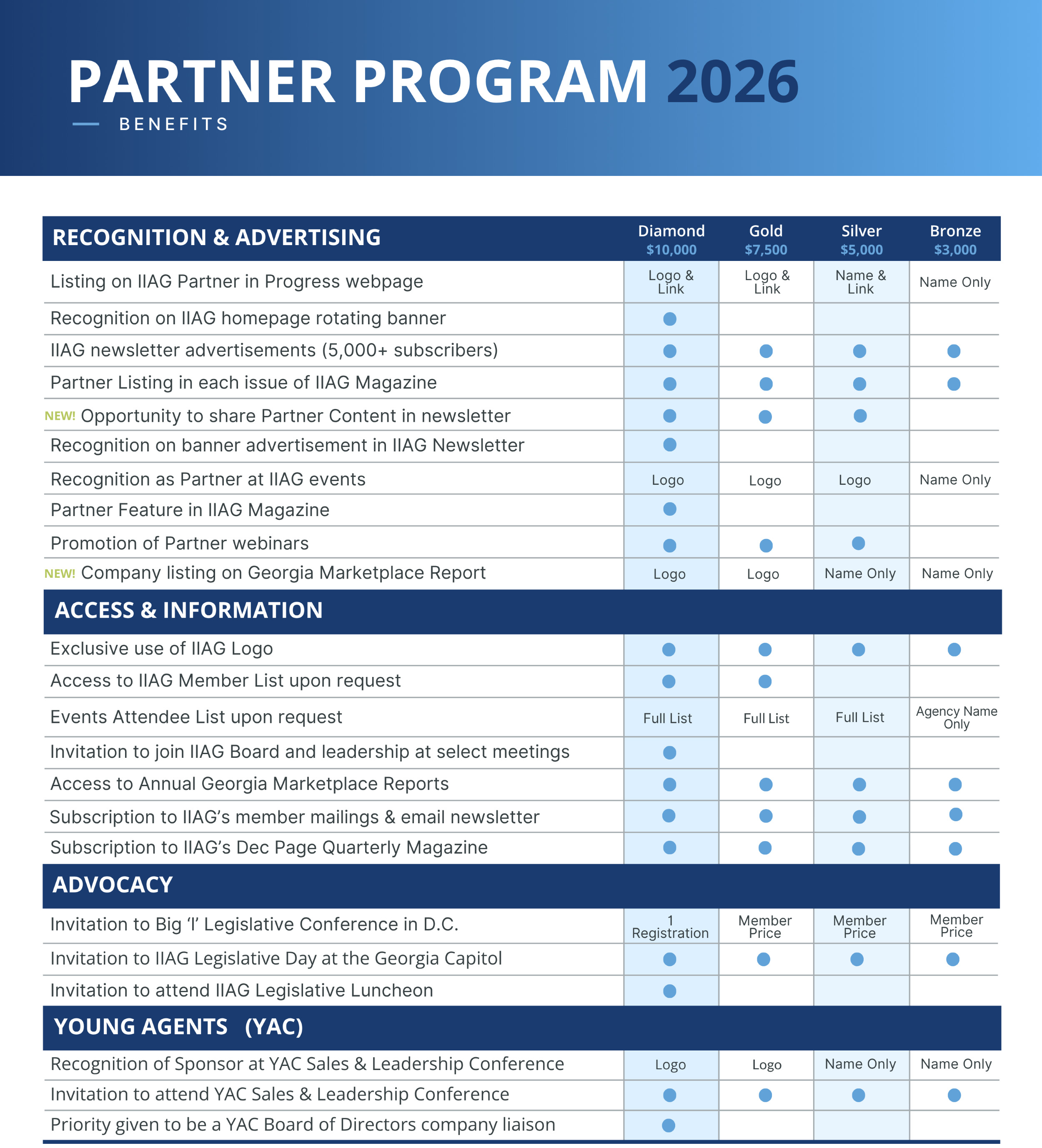
Advantage Partners Insurance serves as a specialized insurance cluster or aggregator designed to help independent agents gain direct access to preferred insurance carriers, improved commission structures, and essential back-office support. By pooling the collective premium volume of multiple independent agencies, the organization enables individual producers to compete more effectively in a market often dominated by larger firms or captive agents.
Understanding the Agency Cluster Model
The independent insurance agency landscape is defined by the need for market access. To write policies for major insurance carriers, an agency must typically meet high production quotas—often hundreds of thousands of dollars in annual premium commitments—and maintain strict underwriting profitability standards. For a small or startup independent agency, these barriers to entry can be prohibitive, effectively locking them out of the most competitive products and pricing.
Advantage Partners Insurance functions as a solution to this barrier. By acting as a master agency or "cluster," the organization negotiates contracts with insurance carriers on behalf of the entire group. When an independent agent joins the program, they essentially leverage the cumulative size of the cluster to gain an "appointment" with a carrier they might not have qualified for on their own.
Core Functions of the Advantage Partners Model
Independent agents often operate as sole proprietors or small teams where the owner wears every hat—from sales and marketing to policy administration and claims advocacy. The partnership model aims to alleviate this operational burden through three primary pillars:
- Market Access: Providing immediate access to a diversified portfolio of A-rated national and regional insurance carriers. This allows agents to provide competitive quotes for complex commercial risks or niche personal lines that require specialized underwriting.
- Profitability Enhancement: Many carrier contracts include contingency or profit-sharing bonuses based on the volume and loss ratio of the business written. Through a cluster, independent agents often participate in these revenue-sharing arrangements, which would otherwise be inaccessible to smaller individual shops.
- Operational Efficiency: This includes access to proprietary agency management systems (AMS), comparative raters, and centralized support staff who assist with technical underwriting questions or carrier interface issues.
Eligibility and Prerequisites for Independent Agents
Joining an entity like Advantage Partners Insurance is not a universal solution; it is a business decision that requires a specific level of organizational maturity. Before seeking membership, an agency must generally satisfy a set of professional and financial criteria to ensure they are a good fit for the group’s risk profile.
Standard Membership Requirements
While specific terms are governed by individual contracts, the following requirements are standard across the industry for agencies seeking to partner with an aggregator:
- Licensing and Compliance: An agent must hold a valid Property and Casualty (P&C) license in the states where they intend to conduct business. The agency itself must be properly registered as a legal entity (e.g., LLC, Corporation).
- Errors and Omissions (E&O) Coverage: This is non-negotiable. Every participating agency must maintain a high-limit E&O insurance policy to protect against claims of professional negligence or failure to procure coverage.
- Financial Stability: The cluster will often perform a review of the agency’s financial health to ensure the producer can handle the premium flow and reconcile accounts payable with the carriers effectively.
- Production Capability: Some clusters require a minimum "book of business" size, while others focus on the agent’s growth potential. Prospective members should be prepared to demonstrate a business plan that highlights their target market and projected premium volume for the upcoming 12 to 24 months.
Comparative Benefits: Captive vs. Independent vs. Aggregator
To understand why an agent would choose the Advantage Partners model, it is helpful to contrast the three primary ways to structure an insurance business in the current 2026 market.
| Feature | Captive Agent | Independent (Direct) | Aggregator/Cluster |
|---|---|---|---|
| Carrier Access | Exclusive (1 Carrier) | Varies (Must earn each) | Broad (Pre-appointed) |
| Ownership | Carrier owns the book | Agent owns the book | Agent owns the book |
| Profit Sharing | Rarely | Only with high volume | Immediate/Tiered access |
| Operational Help | High (but restricted) | Low (DIY) | High (Shared support) |
| Barrier to Entry | Low | High | Moderate |
For many agents, the primary incentive is the "ownership of the book." Unlike captive agents, who may be restricted from selling the agency or moving clients if they switch carriers, independent agents who join a cluster retain full ownership of their client list. The cluster provides the access, but the client relationship remains with the local agent.
Operational Advantages and Technical Support
One of the most significant challenges for independent agents is keeping pace with evolving technology. In 2026, insurance carriers are increasingly moving toward automated underwriting and complex digital portals. For an agent representing multiple carriers, managing these disparate systems can lead to "swivel-chair" fatigue—the act of manually entering client data into five different carrier websites to get a single comparison.
Advantage Partners Insurance frequently addresses this by providing access to comparative raters. These software tools allow the agent to enter a client’s information once and receive quotes from multiple carriers simultaneously. This saves time, reduces data-entry errors, and allows the agent to present the client with the most competitive offer available across the group's panel of carriers.
Back-Office Support and Mentorship
Beyond technology, these partnerships offer a "peer-to-peer" network effect. Junior agents can benefit from the institutional knowledge of senior agency owners within the group. If an agent is struggling with a complex commercial account—such as a construction firm or a specialized manufacturing risk—they can often tap into the group's collective underwriting expertise to help navigate the submission process. This collaborative environment reduces the "learning curve" associated with diversifying into new lines of business.
Financial Considerations and Costs
Joining a network or aggregator involves specific costs that must be balanced against the potential for increased commissions and profit-sharing. Agents should perform a thorough cost-benefit analysis before committing.
- Membership Fees: Many groups charge a flat monthly or annual fee for participation. This covers the administrative overhead of the cluster.
- Commission Splits: In some models, the aggregator may retain a small percentage of the commission as an override. This is often the trade-off for the higher commission tiers and profit-sharing the agent gains.
- Equity Requirements: Certain clusters may ask for an equity buy-in, essentially making the agent a partial owner of the aggregator. This is a significant long-term commitment that should be vetted by legal counsel.
Frequently Asked Questions
1. Do I lose control of my agency if I join a cluster?
No. Independent agents typically retain 100% ownership of their book of business and their agency brand. The agreement is primarily a contractual arrangement to share access to insurance carriers, not a merger of your business assets.
2. Is there a minimum premium requirement to join?
Every group has different thresholds. While some are designed for startups and have very low entry barriers, others target established agencies looking to consolidate their carrier relationships. Always ask about the "exit clause" in the contract to see what happens if you fail to meet production quotas in the future.
3. How are profit-sharing bonuses calculated?
These vary by the specific contract with the insurance carrier. Generally, the cluster aggregates the premiums of all member agencies. If the group achieves a profitable loss ratio, the carrier issues a bonus. The cluster then distributes this according to the terms of your specific participation agreement.
4. What happens if I want to leave the partnership?
The exit process is usually outlined in the Membership Agreement. You should confirm if you retain all your appointments, if there is a "non-compete" period, or if there are fees associated with de-registering your agency from the group's carrier portal access.
5. Does the cluster provide legal or compliance advice?
While many groups provide guidance on best practices, they are not a substitute for legal counsel. You remain responsible for your agency’s compliance with state Department of Insurance (DOI) regulations and licensing requirements.
Strategic Next Actions for Independent Agents
If you are considering the Advantage Partners Insurance model for your independent agency, your first step should be an internal audit of your current carrier portfolio. Identify the "pain points"—are you losing sales because you cannot access competitive national carriers? Do you find yourself spending more time on administrative tasks than on revenue-generating sales activities?
- Draft a Wishlist: List the specific lines of business (e.g., commercial auto, cyber liability, workers' compensation) where you currently struggle to find competitive quotes.
- Request a Carrier List: Contact the representative for the aggregator and ask for a detailed list of their active appointments. Ensure they actually serve your specific region or state.
- Review the Legal Agreement: Before signing, have an attorney review the contract, specifically looking for clauses related to "ownership of renewals" and "termination procedures."
- Connect with Current Members: Ask for a list of existing agency owners within the network. A brief conversation with a current member will often reveal more about the culture and support quality than any marketing material.
By aligning your agency with a robust partnership structure, you can bypass the traditional hurdles that prevent small shops from scaling, ultimately allowing you to offer your clients the comprehensive coverage they need while securing your agency’s long-term profitability.