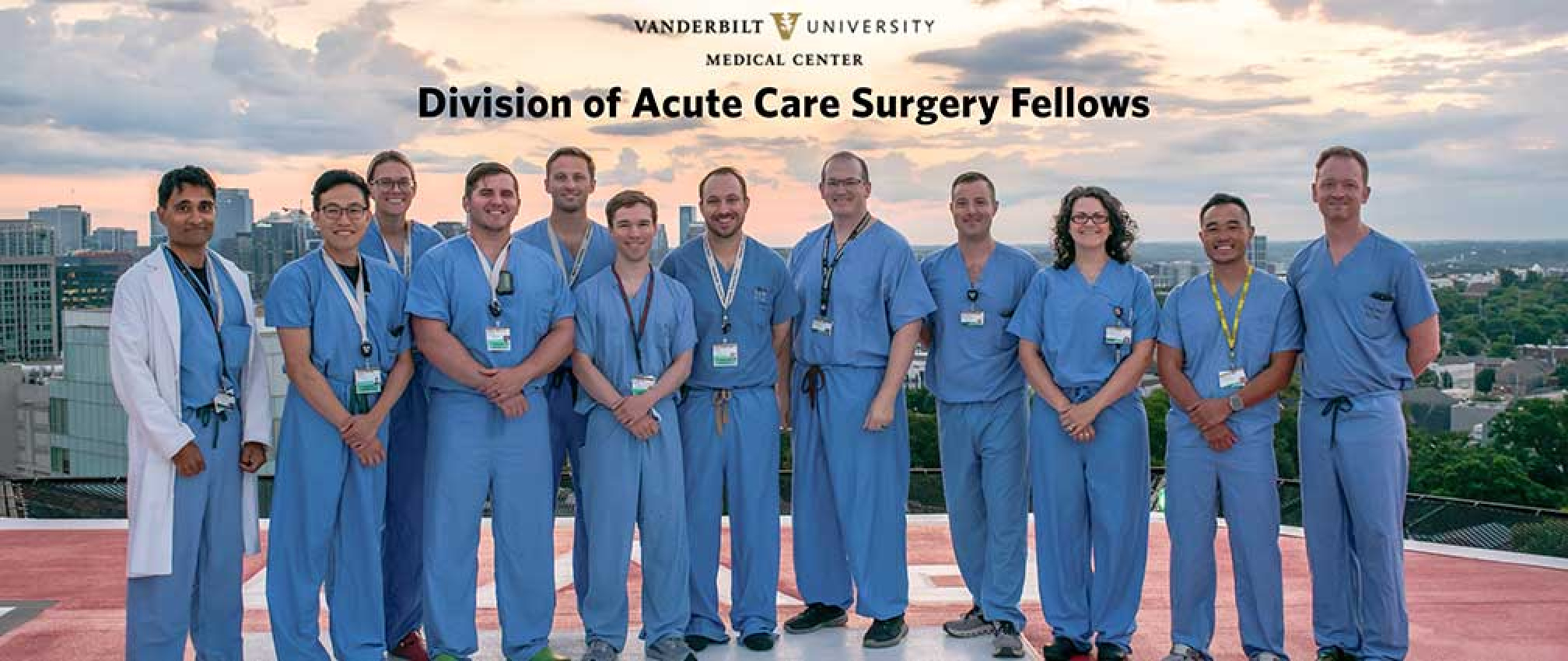
Acute care surgery fellowships are intensive, multi-year training programs designed to produce surgeons proficient in the triad of trauma surgery, surgical critical care, and emergency general surgery. These programs typically require the completion of a five-year general surgery residency and lead to dual certification or recognition by the American Board of Surgery and the American Association for the Surgery of Trauma.
As of 2026, the landscape of surgical subspecialization has shifted toward more integrated models of care. Acute Care Surgery (ACS) has emerged as a distinct and vital discipline, addressing the increasing demand for specialized surgeons who can manage the most critically ill and injured patients. Unlike traditional trauma fellowships, which may focus primarily on injury management, ACS fellowships provide a broader, more robust training environment that encompasses the entire spectrum of surgical emergencies and intensive care.
The Evolution and Definition of Acute Care Surgery
The concept of Acute Care Surgery was formally proposed in the early 2000s by the American Association for the Surgery of Trauma (AAST). The goal was to revitalize the field of trauma surgery by expanding its scope to include surgical critical care and emergency general surgery (EGS). This evolution was driven by the realization that the surgical workforce was becoming increasingly specialized, often leading to a shortage of surgeons available to handle unassigned emergency admissions.
In 2026, the ACS model is the gold standard for trauma centers. It provides a structured approach to patients who require immediate surgical intervention for non-traumatic pathologies—such as perforated viscera, necrotizing soft tissue infections, and acute cholecystitis—while maintaining expertise in complex trauma resuscitation and operative management.
The Triad of Acute Care Surgery
- Trauma Surgery: The management of both blunt and penetrating injuries. This includes initial resuscitation in the trauma bay, operative intervention for hemorrhage control, and long-term reconstructive or rehabilitative care.
- Surgical Critical Care (SCC): The management of the physiological consequences of surgery and injury. Fellows learn to manage multi-organ failure, advanced mechanical ventilation, hemodynamic monitoring, and nutritional support.
- Emergency General Surgery (EGS): The operative and non-operative management of non-traumatic surgical emergencies. This often involves high-acuity patients with significant comorbidities who require rapid assessment and intervention.
Structure of the Acute Care Surgery Fellowship
The standard ACS fellowship is a two-year experience, although some variations exist. The structure is carefully designed to meet the requirements of both the Accreditation Council for Graduate Medical Education (ACGME) and the American Association for the Surgery of Trauma (AAST).
Year One: Surgical Critical Care (The ACGME Year)
The first year is typically dedicated to Surgical Critical Care. This year is accredited by the ACGME, ensuring that the training meets national standards for critical care medicine.
- Clinical Focus: Fellows spend the majority of their time in various intensive care units (ICUs). While the Surgical ICU (SICU) is the primary site, rotations often include the Trauma ICU, Burn ICU, Cardiothoracic ICU, and Neuro-Surgical ICU.
- Skill Acquisition: Fellows master procedures such as central venous catheterization, arterial line placement, bronchoscopy, and percutaneous tracheostomy.
- Educational Requirements: This year satisfies the requirements for the American Board of Surgery (ABS) certificate in Surgical Critical Care. Fellows must participate in multidisciplinary rounds, lead ICU teams, and engage in formal didactic sessions.
Year Two: Acute Care Surgery (The AAST Year)
The second year focuses on the operative management of trauma and emergency general surgery. This year is overseen by the AAST, which provides the curriculum and manages the approval process for ACS programs.
- Clinical Focus: The fellow acts as a "junior attending," taking a leadership role in the trauma bay and the operating room. Rotations are designed to fill gaps in general surgery training, focusing on complex anatomy and high-stakes decision-making.
- Specialized Rotations: To ensure a well-rounded skill set, ACS fellowships often include "elective" or "subspecialty" blocks. These may include:
- Vascular Surgery: Focus on hemorrhage control and vascular shunting.
- Thoracic Surgery: Management of complex lung injuries and empyema.
- Orthopedic Trauma: Understanding pelvic stabilization and compartment syndrome.
- Hepatobiliary Surgery: Management of complex liver and pancreatic injuries.
- Interventional Radiology: Learning the role of angioembolization in trauma.
Academic and Research Expectations
Both years of the fellowship include significant academic components. Fellows are expected to participate in:
- Morbidity and Mortality (M&M) Conferences: Analyzing complications and identifying areas for system improvement.
- Journal Clubs: Critically appraising the latest literature in trauma and critical care.
- Research Projects: Most programs require at least one peer-reviewed publication or presentation at a national conference (such as the AAST or EAST annual meetings) during the two-year cycle.
Fellowship Requirements and Eligibility
Entry into an Acute Care Surgery fellowship is highly competitive. Candidates must demonstrate not only technical proficiency but also the emotional resilience required to handle high-stress environments.
Prerequisite Education
Applicants must have completed a five-year ACGME-accredited residency in General Surgery. During residency, candidates should have demonstrated a strong interest in trauma and critical care through their clinical rotations and elective choices.
Certification and Licensing
- Medical Degree: MD or DO from an accredited institution.
- USMLE/COMLEX: Successful completion of all steps of the United States Medical Licensing Examination or the Comprehensive Osteopathic Medical Licensing Examination.
- Board Eligibility: Candidates must be "Board Eligible" or "Board Certified" by the American Board of Surgery at the time they begin their fellowship.
- State Licensing: Fellows must obtain a full or training medical license in the state where the fellowship program is located.
Application Components
Most programs utilize the Electronic Residency Application Service (ERAS) and participate in the National Resident Matching Program (NRMP) for the Surgical Critical Care portion. For the second (ACS) year, the process is often integrated into the same application.
| Requirement | Description |
|---|---|
| Letters of Recommendation | Usually three letters, including one from the Residency Program Director and one from a Trauma/ACS Chief. |
| Personal Statement | A detailed essay explaining the candidate's motivation for pursuing ACS and their long-term career goals. |
| Case Logs | A comprehensive record of operative experience during residency, proving competency in basic and advanced general surgery. |
| Interview | A formal evaluation by the program faculty to assess clinical knowledge, personality fit, and leadership potential. |
Detailed Comparison: SCC vs. ACS Training
While the terms are often used interchangeably, there is a distinct difference between a one-year Surgical Critical Care fellowship and a two-year Acute Care Surgery fellowship.
| Feature | Surgical Critical Care (SCC) | Acute Care Surgery (ACS) |
|---|---|---|
| Duration | 1 Year | 2 Years |
| Accreditation | ACGME | ACGME (Year 1) & AAST (Year 2) |
| Board Certification | ABS SCC Certification | ABS SCC + AAST Recognition |
| Operative Focus | Limited / ICU Procedural | Extensive Trauma & EGS Operative |
| Career Path | ICU Director, Intensivist | Trauma Surgeon, EGS Specialist, Intensivist |
| Case Requirements | Focus on ICU patient days | Focus on operative volumes (Trauma/EGS) |
The AAST Curriculum and Case Volume Standards
The AAST provides a strict curriculum that programs must follow to maintain their status as an approved ACS fellowship. This curriculum ensures that every fellow, regardless of the institution, receives a standardized and comprehensive education.
Essential Operative Categories
Fellows must meet minimum case volumes in several key categories to receive AAST recognition. These categories include:
- Vascular Injury: Carotid, axillary, femoral, and abdominal vascular repairs.
- Abdominal Trauma: Splenectomy, hepatectomy, and complex bowel reconstructions.
- Thoracic Trauma: Thoracotomy, lung resection, and cardiac repair.
- Neck and Soft Tissue: Management of zone II neck injuries and necrotizing infections.
The "Acute Care Surgery" Definition in Practice
In 2026, the AAST defines an ACS case as any emergency operation that requires the surgeon to be available within a short window (typically 2 to 12 hours). This differentiates the work from elective surgery. Fellows are trained to manage "damage control" scenarios where the goal is physiological restoration rather than definitive anatomical repair in the first operation.
Benefits of Pursuing an ACS Fellowship
Choosing a two-year ACS fellowship over a one-year SCC fellowship offers several advantages for surgeons who envision a career at a high-volume Level I or Level II trauma center.
- Operative Confidence: The second year provides a transition from "trainee" to "attending" with a safety net. This is invaluable for mastering complex trauma cases that occur infrequently.
- Marketability: Many academic institutions and large private groups now specifically look for "ACS-trained" surgeons to lead their emergency surgery services.
- Leadership Training: ACS fellowships emphasize the "Systems of Care" approach, teaching fellows how to manage trauma registries, quality improvement initiatives, and multidisciplinary teams.
- Advanced Certification: While the ABS does not yet have a separate primary board for ACS, the AAST recognition is highly respected and serves as a proxy for advanced expertise.
Challenges and Considerations
The path to becoming an Acute Care Surgeon is not without its difficulties. Prospected fellows should consider the following:
- Duration of Training: After five years of residency, adding another two years of fellowship is a significant time commitment.
- Lifestyle: ACS is a demanding field characterized by overnight calls, high-acuity patients, and unpredictable schedules.
- Burnout: The intensity of critical care and trauma management requires robust mental health support and a focus on work-life balance.
- Financial Impact: Fellowship salaries are significantly lower than attending salaries, though this is usually offset by higher lifetime earnings in a subspecialty.
The Matching Process and Timeline for 2026
For those applying in 2026 for a start date in 2027, the timeline is crucial.
- January – March 2026: Research programs and prepare application materials.
- May 2026: ERAS opens for applications.
- June – August 2026: Interview season. Most interviews are conducted virtually, though some programs have returned to in-person visits.
- September 2026: Match Day for Surgical Critical Care.
- October 2026: Finalization of the ACS second-year agreements.
More information on the match process can be found via the National Resident Matching Program (NRMP).
FAQ
What is the difference between a Trauma Fellowship and an Acute Care Surgery Fellowship?
A traditional trauma fellowship often lasts one year and may focus heavily on the ICU or specifically on injury management. An Acute Care Surgery (ACS) fellowship is typically a two-year program that incorporates an ACGME-accredited Surgical Critical Care year and a second year dedicated to advanced operative trauma and Emergency General Surgery.
Can I practice Acute Care Surgery with only a one-year Surgical Critical Care fellowship?
Yes, many surgeons practice in this field with a one-year SCC certificate. However, the two-year ACS fellowship provides more extensive operative experience in complex emergency surgery and trauma, which is often preferred by major trauma centers and academic institutions.
Is the Acute Care Surgery fellowship recognized by the American Board of Surgery?
The first year (Surgical Critical Care) is fully accredited by the ACGME and leads to ABS certification in SCC. The second year (ACS) is recognized by the American Association for the Surgery of Trauma (AAST), though there is not yet a separate ABS primary board for "Acute Care Surgery."
What are the average work hours for an ACS fellow?
Fellows are subject to the ACGME duty hour requirements, which generally limit work to 80 hours per week, averaged over four weeks. However, given the nature of emergency surgery, these hours can be intense and often involve significant overnight and weekend responsibilities.
What kind of research is expected during the fellowship?
Most programs expect fellows to engage in clinical or translational research. This could include analyzing trauma database trends, participating in multi-institutional trials, or conducting bench research related to shock and inflammation. The AAST website provides resources for fellow-led research.
Next Steps for Prospective Applicants
If you are a surgical resident considering a career in Acute Care Surgery, the first step is to maximize your trauma and ICU experience during your clinical years. Seek out a mentor within the ACS faculty at your institution and express your interest early. Begin preparing your ERAS application in the winter of your fourth year of residency to ensure you are ready for the spring application cycle. For detailed program listings and specific curriculum requirements, visit the American Association for the Surgery of Trauma and the Accreditation Council for Graduate Medical Education.