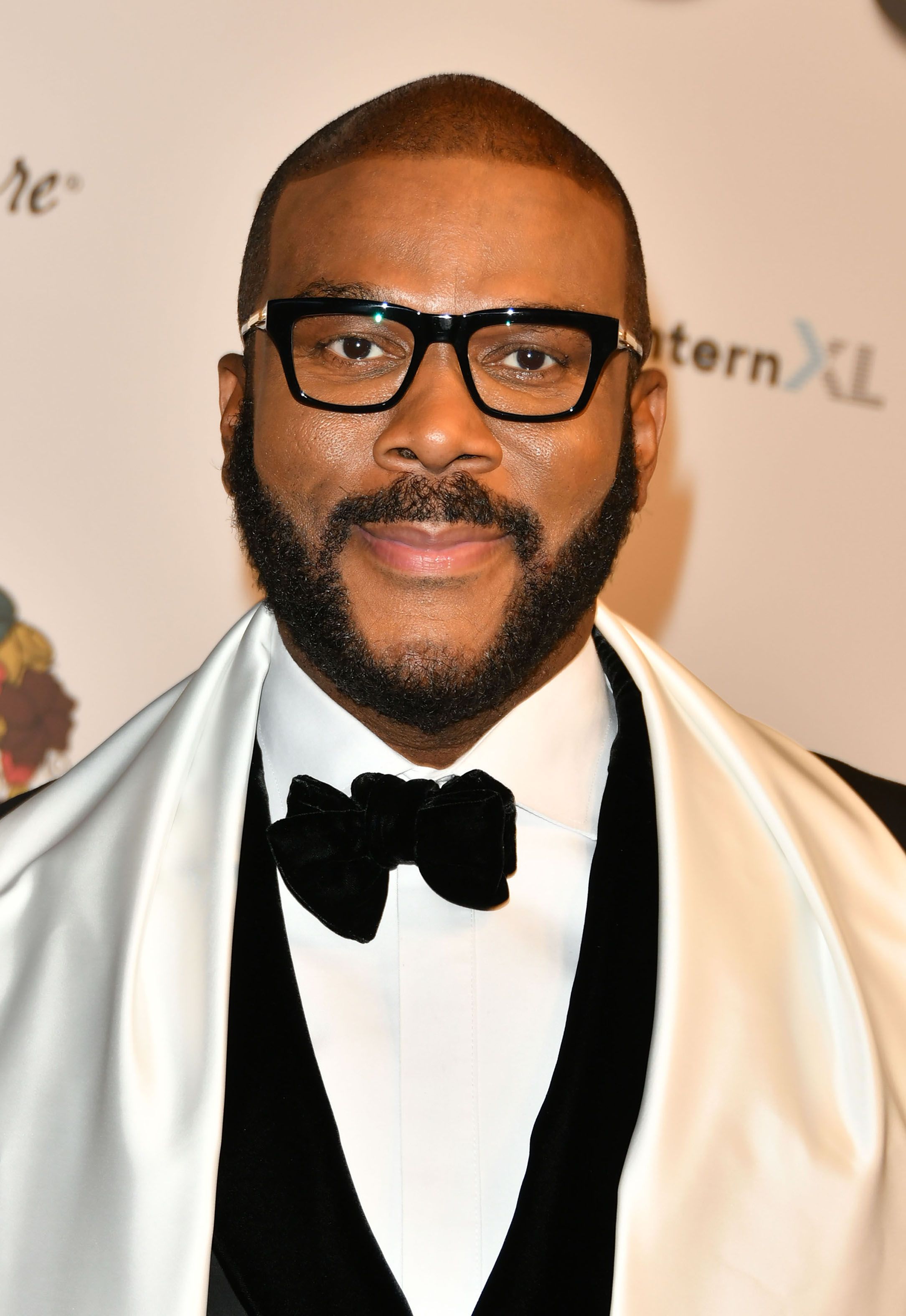
Actors in Tyler Perry films represent a unique intersection of theatrical tradition, stage-to-screen adaptation, and African American cinematic representation. Tyler Perry's productions have launched careers, revitalized veteran actors, and created a distinct cinematic ecosystem that blends melodrama, faith, and comedy. Understanding this ensemble of performers requires examining how casting choices reflect Perry's creative vision, the dualities of stage versus screen performance, and the cultural footprint of these cinematic works.
Introduction to the Tyler Perry Cinematic Universe
The casting philosophy behind Tyler Perry films has always diverged from traditional Hollywood studio formulas. Rather than relying exclusively on established box-office superstars, Perry frequently builds his ensembles by blending three distinct tiers of talent: seasoned theatrical veterans from the African American chitlin' circuit and urban theater community, rising or established mainstream film and television stars, and fresh faces discovered through open auditions or personal outreach.
This hybrid casting strategy creates a recognizable continuity across dozens of stage plays, feature films, and television series produced under Tyler Perry Studios. Actors in these projects often transition fluidly between mediums, bringing the broad, emotionally charged acting styles required for live theater into high-definition cinema. While critics have historically debated the aesthetic merits of this approach, the commercial success and cultural resonance of these performances are undeniable. Performers within this ecosystem gain access to dedicated, highly loyal audiences, while the films themselves provide rare, consistent employment opportunities for Black actors, directors, and crew members within an industry historically lacking in diverse representation.
Categorizing the Talent: From Stage to Screen
To understand the scope of actors in Tyler Perry films, it is helpful to categorize them based on their entry points into the filmmaker's universe. The table below outlines the primary talent tiers, their performance backgrounds, and notable examples within the Perry filmography.
| Talent Tier | Primary Background | Performance Style | Notable Actors in Tyler Perry Films |
|---|---|---|---|
| Theatrical Veterans | Urban touring theater, stage plays, gospel musicals | Broad, highly expressive, emotionally direct, live-audience adapted | Tamela Mann, David Mann, Cassi Davis, Palmer Williams Jr. |
| Mainstream Drama/Action Leads | Hollywood television, studio features, indie cinema | Naturalistic, understated, cinematic realism | Tyler Perry (as Madea/various), Taraji P. Henson, Janet Jackson, Idris Elba |
| Breakout & Supporting Talent | Modeling, commercial acting, regional theater, newcomer | Versatile, character-driven, narrative-supporting | Tika Sumpter, Lance Gross, Crystle Stewart, Mehcad Brooks |
The Theatrical Core and Stage Veterans
The bedrock of Tyler Perry's early cinematic success rests heavily on actors recruited directly from his touring stage plays. Performers like David and Tamela Mann, Cassi Davis, and Palmer Williams Jr. developed their craft in front of live audiences where subtle micro-expressions do not register in the back row. When transitioned to the screen, these actors brought an outsized, high-energy dynamic that became a hallmark of the early Tyler Perry filmography, particularly in adaptations of stage plays like Diary of a Mad Black Woman (2005) and Madea's Family Reunion (2006).
These performers often embody archetypal characters—the pious matriarch, the comedic uncle, the overbearing church member—that resonate deeply with specific cultural demographics. Their ability to switch instantly from broad slapstick comedy to heavy emotional melodrama is a technical skill honed through years of performing full-length musical plays night after night across the United States.
Mainstream Headliners and Dramatic Counterweights
As Tyler Perry's production scale expanded through his partnership with Lionsgate and the eventual establishment of Tyler Perry Studios in Atlanta, his films began attracting mainstream Hollywood headliners. Actors such as Janet Jackson (Why Did I Get Married?), Taraji P. Henson (I Can Do Bad All By Myself), Idris Elba (Daddy's Little Girls), and Gabrielle Union (Daddy's Little Girls) brought critical prestige and conventional cinematic technique to the director's projects.
These actors generally operate in a more naturalistic style, grounding Perry's melodramatic scripts in psychological realism. Their presence allowed films like For Colored Girls (2010) and Alex Cross (2012) to transcend the traditional "Madea" brand, proving that Perry's production apparatus could support serious dramatic adaptations and suspense thrillers. This balance between theatrical broadness and cinematic restraint defines the stylistic tension of the broader filmography.
The Production Environment and Acting Methodology
Working on a Tyler Perry film involves unique operational conditions that influence acting choices and performance pacing. Understanding these conditions sheds light on why actors frequently praise the collaborative environment while acknowledging the rigorous pace of production.
Fast-Paced Production Schedules
Tyler Perry is famously known for his rapid production schedules, often shooting an entire feature film or multiple television episodes in a matter of weeks. This efficiency is achieved through extensive pre-production preparation, multiple-camera setups, and Perry's own writing and directing oversight.
For actors, this environment demands a high level of preparedness and memorization. There is rarely time for weeks of table reads or extensive rehearsal periods. Actors must arrive on set with their characters fully realized, capable of delivering emotionally resonant performances in fewer takes than standard Hollywood blockbusters require. Veteran stage actors thrive in this environment because live theater inherently trains performers to commit fully to a scene on the first attempt without the luxury of endless retakes.
Improvisation and Script Fidelity
While Perry writes all his own screenplays, veteran actors within his circle are often granted a degree of improvisational freedom, particularly during comedic sequences. The chemistry between actors who have toured together on stage for years allows for spontaneous comedic timing that cannot always be scripted on the page. Conversely, dramatic scenes involving heavy emotional beats or adapted source material tend to adhere strictly to the written text to maintain narrative pacing and tonal consistency.
Career Impact and Industry Representation
The economic and professional impact of casting choices in Tyler Perry films extends far beyond individual box-office receipts. For many Black actors, particularly women over the age of forty, Perry's casting pool has historically provided steady, high-profile work during periods when mainstream Hollywood studios offered limited opportunities.
Expanding Opportunities for Black Actresses
Industry analyses of Hollywood casting trends frequently highlight the historical scarcity of complex, multi-dimensional roles for Black women. Tyler Perry's films consistently place Black women at the center of the narrative, exploring themes of career ambition, domestic abuse, faith, romantic betrayal, and personal redemption. Actresses such as Kimberly Elise, Paula Patton, and Serayah have anchored major studio releases under Perry's direction, gaining invaluable visibility that has subsequently led to roles in prestige television and streaming series.
The Tyler Perry Studios Ecosystem
With the opening of Tyler Perry Studios on a sprawling 330-acre former military base in Atlanta, Georgia, the physical infrastructure for actors working in these films was permanently altered. The studio provides a localized production hub where actors can transition seamlessly between feature films and television series such as The Oval, Sistas, and various streaming projects. This localized industry ecosystem reduces the need for actors to relocate permanently to Los Angeles, creating a sustainable regional talent market in the American Southeast.
Frequently Asked Questions
Who are some of the most famous actors to appear in Tyler Perry films?
Numerous high-profile actors have starred in Tyler Perry films, including Janet Jackson, Taraji P. Henson, Idris Elba, Tyler Perry himself (portraying Madea and multiple other characters), Gabrielle Union, Lance Gross, Tika Sumpter, and Cicely Tyson.
Do Tyler Perry film actors come from theater backgrounds?
Yes. Many recurring actors in Tyler Perry films—such as Tamela Mann, David Mann, and Cassi Davis—began their careers working extensively in urban touring theater and gospel stage plays before transitioning to film and television.
How does the shooting schedule affect actors on a Tyler Perry set?
Tyler Perry productions are known for their rapid turnaround times, often filming feature-length movies in just a few weeks. Actors must be highly disciplined, memorizing lines quickly and delivering strong performances with fewer takes than traditional studio films require.
Are Tyler Perry films connected to stage plays?
Many of Tyler Perry's early films, such as Diary of a Mad Black Woman and Madea's Family Reunion, are direct screen adaptations of his original stage plays, retaining many of the original theatrical cast members alongside mainstream film actors.
What is the significance of Tyler Perry Studios for actors?
Located in Atlanta, Tyler Perry Studios provides a major production hub that offers consistent employment opportunities for Black actors, writers, and crew members, reducing reliance on traditional Hollywood casting pipelines.
Conclusion and Next Actions
Actors in Tyler Perry films occupy a vital and distinct space in modern American cinema. By successfully merging the high-energy traditions of urban theater with cinematic storytelling, these performers have helped build a self-sustaining studio empire. For aspiring actors, researchers, and film enthusiasts examining this body of work, reviewing the complete filmography alongside behind-the-scenes production documentaries offers a comprehensive understanding of how independent vision and disciplined execution can reshape industry standards of representation and production efficiency.