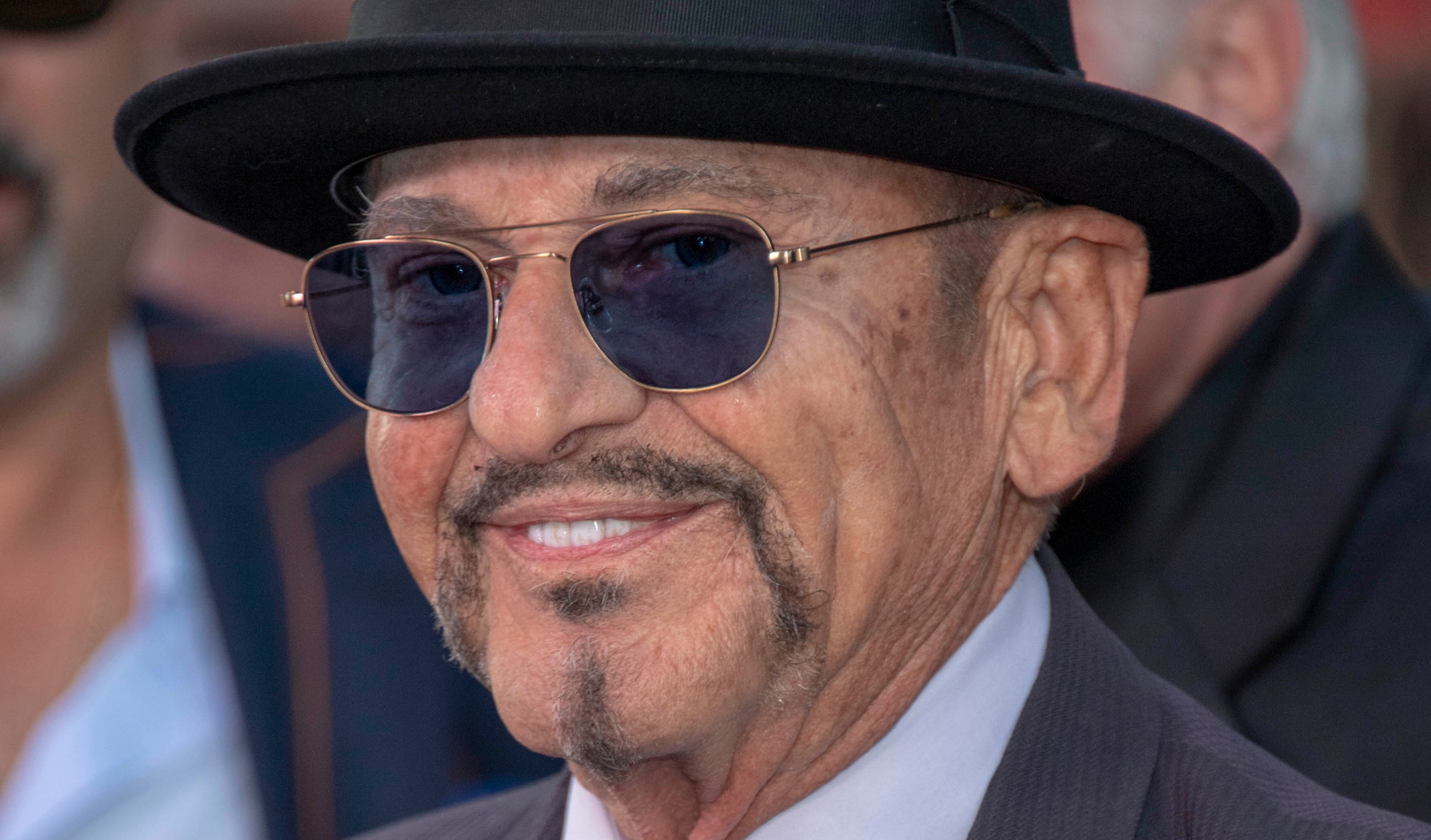
When performers who once commanded global attention choose to step away permanently, the entertainment industry experiences a unique shift, leaving audiences to wonder about the complex personal and professional reasons behind their departure. The decision to leave the spotlight involves navigating massive financial security, breaking away from intense public scrutiny, and pursuing entirely different vocations far away from studio lots and red carpets.
Throughout cinematic history, some of the most celebrated names have walked away from thriving careers at the peak of their fame. Understanding why these figures retired requires examining the intersections of personal burnout, artistic fulfillment, shifting industry landscapes, and the desire for privacy. While many actors experience transient hiatuses, true retirement involves a definitive shift away from film and television production, often accompanied by a deliberate transition into private life, alternative business ventures, or philanthropic endeavors.
Defining Retirement in the Entertainment Industry
Unlike standard professions where retirement is governed by statutory age limits and pension milestones, retirement in the entertainment industry is notoriously fluid. In Hollywood, an actor rarely signs an official resignation letter. Instead, retirement is typically defined by a sustained, voluntary absence from casting calls, screen tests, and public performances, often confirmed through direct public statements or long periods of inactivity.
The distinction between a hiatus, semi-retirement, and permanent exit is crucial for film historians and fans alike. A hiatus may last a few years due to personal matters or lack of appealing scripts, whereas permanent retirement signifies a complete severing of ties with talent agencies, publicists, and studio executives. Many performers who step back emphasize that the grueling schedules, intense travel, and constant public evaluation outweigh the artistic rewards of performing.
Furthermore, the financial realities of successful actors often permit early retirement. High-earning stars from blockbuster franchises or long-running television series accumulate substantial wealth, enabling them to step away without facing the economic pressures that dictate traditional retirement ages. Consequently, their choices are driven less by financial necessity and more by psychological wellbeing, creative exhaustion, or a desire to nurture families away from the paparazzi.
Notable Actors Who Stepped Away from the Spotlight
Several iconic figures left indelible marks on cinema before choosing to walk away permanently. Examining their unique trajectories reveals the diverse motivations that prompt legendary performers to abandon active careers.
Gene Hackman
Gene Hackman established himself as one of the definitive actors of American cinema through gritty, nuanced performances in films like The French Connection, The Conversation, and Unforgiven. Winning two Academy Awards and earning numerous nominations, Hackman was a powerhouse of the New Hollywood era.
By the early 2000s, after completing the comedy Welcome to Mooseport in 2004, Hackman quietly stepped away from acting. In subsequent interviews, he confirmed that the physical demands of filmmaking, combined with health concerns raised by a doctor during a stress test, solidified his decision to retire. Rather than seeking out late-career character roles, Hackman pivoted successfully to writing historical fiction and novels, embracing a quiet life in New Mexico.
Daniel Day-Lewis
Renowned for his intense method acting and meticulous preparation, Daniel Day-Lewis is the only male actor in history to win three Academy Awards for Best Actor, earning statues for My Left Foot, There Will Be Blood, and Lincoln. Each of his performances was greeted with universal critical acclaim, making his career choices events of major cultural significance.
In 2017, prior to the release of Paul Thomas Anderson’s Phantom Thread, Day-Lewis issued a definitive statement through his representatives announcing his retirement from acting. While he did not cite a single catalyst, he expressed a profound, private need to disconnect from the transformative psychological process required for his roles. Although he briefly returned to collaborate with his son on the 2024 film Anemone, his long-standing stance remains a prime example of an artist choosing creative closure over perpetual output.
Greta Garbo
Greta Garbo remains the quintessential symbol of classic Hollywood mystique. Rising to international fame during the silent film era and transitioning seamlessly into talking pictures with films like Anna Christie and Grand Hotel, Garbo was an unmatched global box-office draw.
Following the critical and commercial disappointment of her 1941 film Two-Faced Woman, Garbo abruptly retired from acting at the age of 36. Despite numerous lucrative offers from major studios over the subsequent decades, she maintained a steadfast refusal to return to the screen. She spent the rest of her life in New York City, living a fiercely private, reclusive existence focused on art collecting and walking the city streets anonymously, thereby cementing her legendary status.
Jack Gleeson
While many retired actors are veterans stepping away at the end of long careers, youth and early-career burnout can also trigger permanent exits. Jack Gleeson achieved worldwide infamy and acclaim for his chilling portrayal of King Joffrey Baratheon in the HBO fantasy phenomenon Game of Thrones.
Despite the show's massive global success and the lucrative opportunities it afforded, Gleeson announced his intention to retire from professional acting once his character’s arc concluded in 2014. He expressed that his relationship with acting had changed over time and that he no longer enjoyed the process enough to pursue it as a lifelong career. Gleeson stepped away to focus on academic pursuits at Trinity College Dublin and independent theater production on his own terms.
Comparison of Prominent Retired Performers
| Actor | Primary Era | Peak Accolades / Recognition | Stated or Apparent Reason for Retirement | Post-Retirement Pursuit |
|---|---|---|---|---|
| Gene Hackman | 1960s–2004 | Two Academy Awards (The French Connection, Unforgiven) | Physical exhaustion, health caution, creative fulfillment | Writing historical novels |
| Daniel Day-Lewis | 1970s–2017 | Three Academy Awards (My Left Foot, There Will Be Blood, Lincoln) | Personal closure, intense psychological toll of method acting | Fine woodwork, private life |
| Greta Garbo | 1920s–1941 | Four Academy Award nominations, global icon status | Dissatisfaction with industry direction, desire for absolute privacy | Art collecting, secluded urban life |
| Jack Gleeson | 2000s–2014 | Screen Actors Guild Award nominations (Game of Thrones) | Loss of enjoyment in mainstream commercial acting | Academic studies, independent theater |
Common Motivations Behind Celebrity Retirement
The decision to leave acting is rarely born from a single moment; rather, it is usually the culmination of recurring pressures and evolving life priorities. Analyzing these underlying drivers sheds light on the human element behind glamorous public personas.
Creative Burnout and Script Fatigue
Acting demands immense emotional vulnerability, often requiring performers to access painful or complex psychological states on demand for months at a time. Coupled with the repetitive nature of franchise filmmaking or endless promotional tours, many actors experience profound creative fatigue. When scripts begin to mirror past successes or lack intellectual stimulation, the incentive to continue diminishes rapidly.
The Quest for Privacy and Mental Health
The rise of digital media, social platforms, and paparazzi culture has intensified the scrutiny faced by public figures. For actors who value personal boundaries, the inability to walk down a street without surveillance becomes burdensome. Stepping away from the industry allows individuals to reclaim their mental health, establish stable family routines, and live away from the relentless judgment of public opinion.
Pursuit of Alternative Passions
Many individuals who enter the entertainment industry possess diverse interests that take a back seat during the demanding climb to stardom. Retirement frequently opens the door to long-suppressed ambitions, whether in literature, visual arts, philanthropy, entrepreneurship, or academia. Having achieved financial independence, these individuals possess the luxury to explore entirely new vocations without economic anxiety.
Frequently Asked Questions About Retired Actors
Why do many famous actors suddenly stop making films?
Most sudden retirements stem from a combination of personal burnout, health considerations, and a desire to escape intense public scrutiny. When performers achieve financial independence and critical fulfillment, the demanding schedules of modern film production lose their appeal.
Can retired actors make a comeback?
Yes, retirement in Hollywood is rarely legally binding. Numerous actors have emerged from retirement for unique passion projects, specific director collaborations, or personal creative renewals. However, many legendary figures maintain their retirement permanently despite substantial financial incentives to return.
How do retired actors sustain their livelihoods?
Successful actors typically build substantial wealth through upfront salaries, backend profit participation, residual payments, and astute real estate or business investments. This financial foundation allows them to sustain their lifestyles indefinitely without active employment in the entertainment industry.
What is the difference between a hiatus and retirement?
A hiatus is a temporary break from acting to rest, handle personal matters, or wait for suitable material. Retirement is a definitive, long-term departure from the profession, often accompanied by the dismantling of representation teams and a complete pivot to private life or alternative careers.
Navigating Life After the Spotlight
The phenomenon of actors who retired illustrates that even the most glittering careers can take unexpected turns in pursuit of personal peace and authenticity. Whether driven by the desire to write novels like Gene Hackman, seek absolute privacy like Greta Garbo, or prioritize mental well-being over commercial validation, these figures demonstrate that stepping away from fame is often the ultimate act of personal agency. For audiences, these departures preserve the magic of iconic performances, leaving behind a timeless cinematic legacy untainted by overexposure.