Accessing Black’s Law Dictionary in PDF format requires navigating digital libraries, official publisher platforms, and open-source legal repositories while respecting copyright boundaries. Authorized digital copies are primarily available through institutional library databases, academic legal portals, and official subscriptions, whereas unauthorized scans found on public file-sharing networks often violate copyright law and risk exposing devices to malware.
Understanding Black's Law Dictionary and Its Significance in Legal Research
Black’s Law Dictionary is the most widely cited law dictionary in the United States and serves as an indispensable resource for law students, practicing attorneys, judges, and researchers. Authored originally by Henry Campbell Black in 1891, the publication has evolved through numerous editions, expanding from a single-volume reference text into an authoritative lexicon encompassing historical legal doctrines, modern statutory definitions, constitutional principles, and procedural terminology.
When researchers seek this text in a digital format, they are typically looking for quick searchability, portability, and instant definitions of complex Latin maxims, common law concepts, and statutory terms. However, because the dictionary is protected by intellectual property rights held by its publisher, Thomson Reuters, obtaining a legitimate, searchable copy requires an understanding of how legal publishing works in the modern era. Relying on unverified third-party PDF downloads often results in encountering incomplete scans, outdated editions, or corrupted files that compromise research accuracy.
Historical Editions vs. Current Editions: What to Know Before You Download
A critical factor in accessing Black's Law Dictionary is distinguishing between contemporary editions protected by copyright and older editions that have entered the public domain. The publication timeline dictates which versions can be legally accessed for free and which require a paid license or institutional subscription.
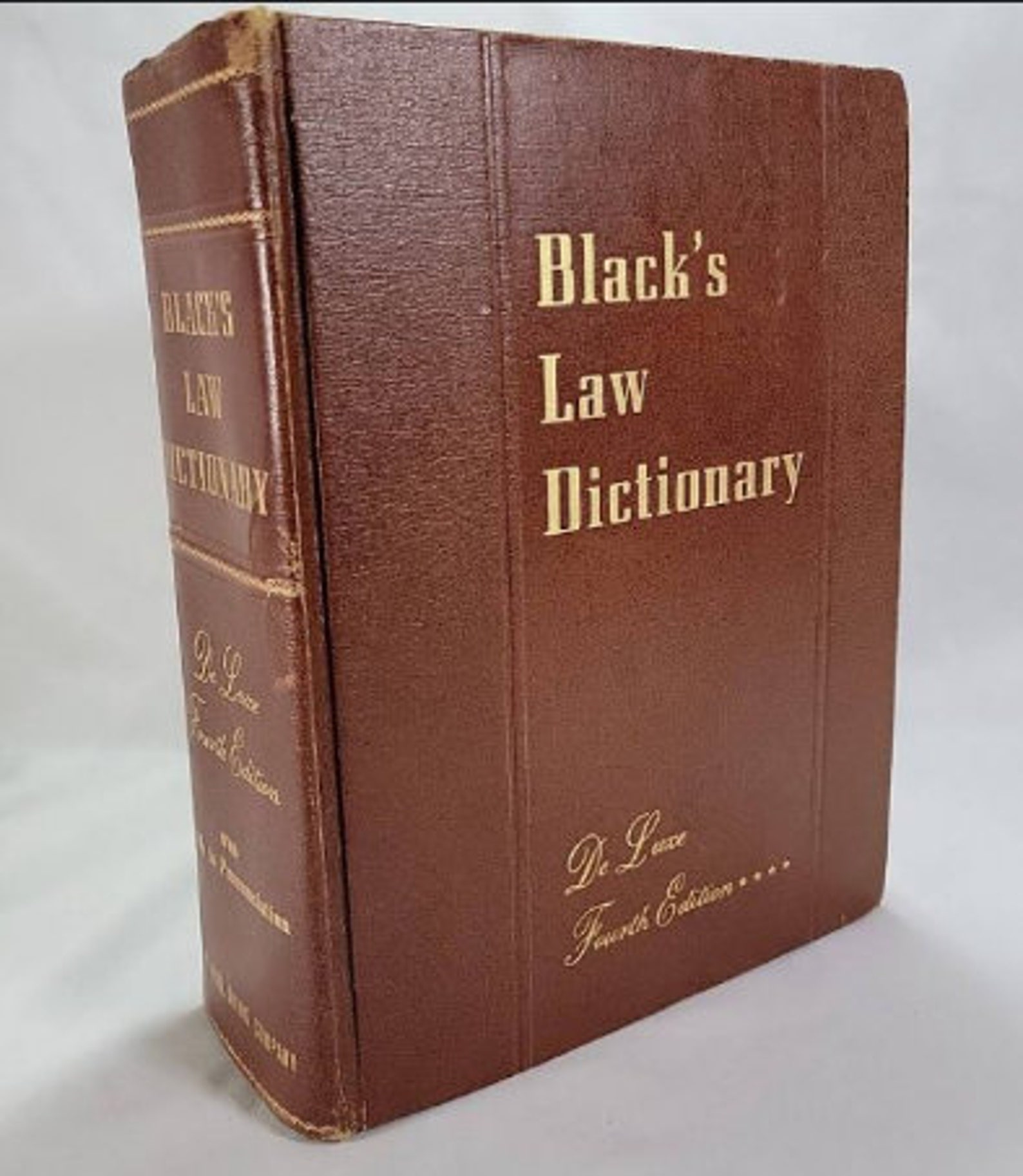
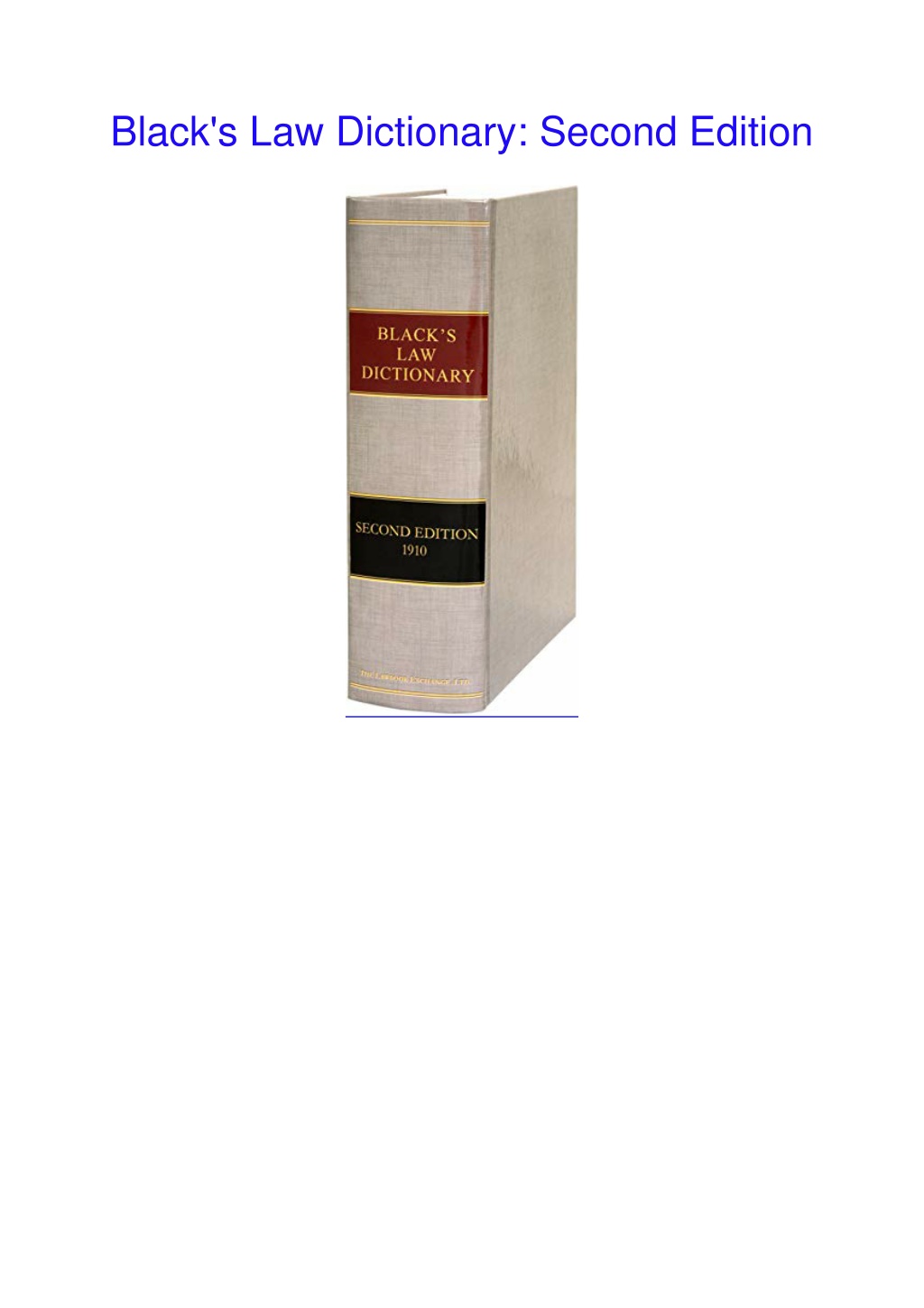
- Public Domain Editions: Editions published before 1929 (such as the 1st Edition of 1891 or the 2nd Edition of 1910) are generally in the public domain in the United States. Scans of these older texts are widely and legally available through archives like the Internet Trust, Google Books, and HathiTrust.
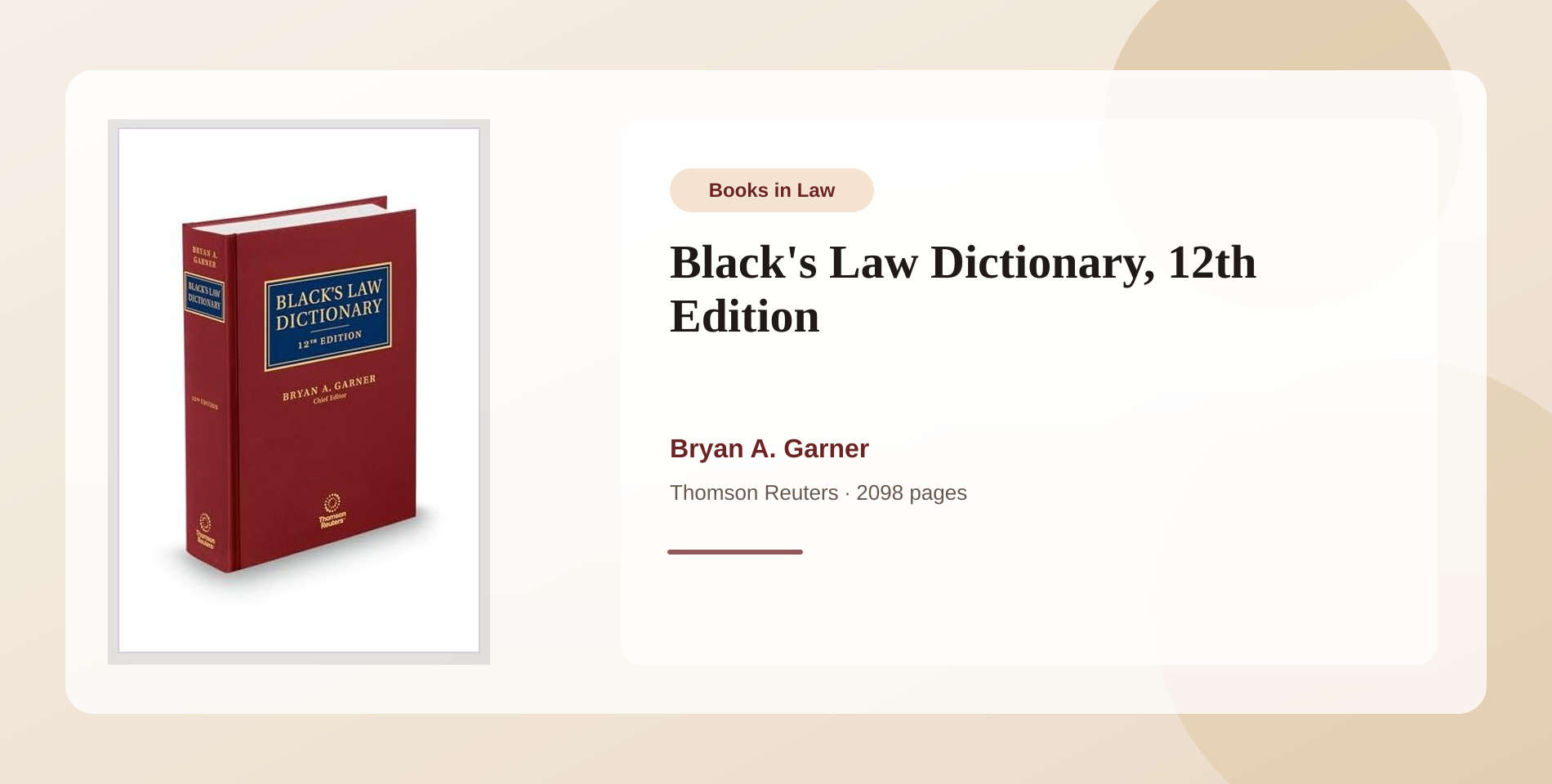
- Modern Editions (8th, 9th, 10th, 11th, and 12th Editions): Published in recent decades, these modern iterations contain thousands of updated definitions reflecting contemporary statutory and case law developments. These versions are strictly protected by copyright and are distributed primarily through Westlaw, print, or authorized digital storefronts.
Using a public domain edition is acceptable for historical research or understanding the foundational evolution of a common law term. However, relying on a 1910 edition for modern statutory litigation or contemporary contract interpretation is professionally risky, as legal definitions and jurisdictional applications evolve significantly over time.
Authorized Channels for Accessing Digital Legal Lexicons
Securing reliable digital access to the dictionary depends on your affiliation with academic, judicial, or professional institutions. Rather than scouring search engine results for unverified PDF links, legal professionals utilize established database ecosystems.
Institutional Libraries and Academic Portals
Law schools, university libraries, and major municipal law libraries maintain subscriptions to legal research suites that include digital access to Black's Law Dictionary. Students and faculty can typically log into their campus network or proxy server to query the dictionary directly within a browser or download authorized institutional study aids.
Professional Legal Research Platforms
Practicing attorneys generally access the most current iteration of the text (such as the 11th or 12th Edition) through subscription-based research platforms. Thomson Reuters integrates the dictionary directly into its Westlaw ecosystem, allowing users to highlight any legal term within a case brief or statute and instantly view the corresponding definition without needing a separate PDF file.
Direct Publisher Purchases
For independent researchers, paralegals, or professionals who do not have institutional library access, Thomson Reuters and authorized vendors offer digital licenses and e-book versions compatible with specialized e-reader software, tablet apps, and desktop applications.
Risks and Pitfalls of Unverified PDF Repositories
Searching for "Black's Law Dictionary free PDF download" frequently leads users to document-sharing forums, sketchy archive sites, and peer-to-peer networks. Engaging with these sources introduces several distinct legal, technical, and practical risks:
- Copyright Infringement: Distributing or downloading copyrighted books without authorization violates federal copyright law, exposing file-sharers to legal penalties, even if the file is acquired for personal study.
- Malware and Security Threats: Sites that promise free access to expensive textbooks are common vectors for malicious payloads, including ransomware, spyware, and adware embedded within disguised document wrappers.
- Data Integrity and Accuracy: Crowd-sourced or user-uploaded PDF scans frequently suffer from missing pages, illegible OCR (Optical Character Recognition) text, scrambled indices, and missing appendices. Relying on a corrupted definition can undermine a legal memo or academic paper.
Comparing Legal Research Access Methods
To help determine the most efficient pathway for your research needs, the table below outlines the primary avenues for accessing legal definitions, detailing their format, cost structure, and ideal use cases.
| Access Method | Typical Format | Cost & Availability | Best Use Case |
|---|---|---|---|
| Public Domain Archives | Scanned PDF / EPUB | Free (Internet Archive, HathiTrust) | Historical research, tracing common law evolution of terms. |
| Westlaw / Lexis Integration | Dynamic Web / App | Subscription-based (Firm or School) | Active litigation, contemporary statutory and case law analysis. |
| University Library Proxy | Secured PDF / Database | Free for students, faculty, and enrolled scholars | Academic coursework, legal writing, and research papers. |
| Publisher E-Book Store | DRM-Protected E-Book | Paid retail purchase (Thomson Reuters) | Independent professionals and self-represented litigants needing current editions. |
Step-by-Step Guide to Finding and Utilizing Public Domain Scans Legally
When your research requires an older edition or you wish to inspect historical definitions legally and safely, follow a structured retrieval process using trusted archival repositories.
- Identify the Target Edition: Determine whether your research permits an older edition (e.g., 2nd or 4th Edition) or if you strictly require a modern edition.
- Navigate to a Trusted Repository: Visit verified digital preservation projects such as the Internet Archive or the Library of Congress.
- Execute a Precise Search: Enter exact query parameters, such as "Black's Law Dictionary 2nd edition 1910" or "Black's Law Dictionary 4th edition 1968", ensuring you select items explicitly designated as public domain.
- Verify File Integrity: Prior to downloading the PDF, check user reviews, metadata, and scan quality indicators to confirm that the text contains a functional table of contents and searchable text layers.
- Download and Store Locally: Save the file to a secure directory on your local workstation and use a reliable PDF reader equipped with robust bookmarking and search capabilities.
Frequently Asked Questions
Can I legally download the latest edition of Black's Law Dictionary as a free PDF?
No. The latest editions of Black's Law Dictionary are protected by copyright law. Free PDF copies circulating on file-sharing websites or public forums are unauthorized reproductions. Legitimate access requires an institutional subscription, a specialized legal research platform, or a paid purchase from the publisher.
Which edition of Black's Law Dictionary should I use for legal research?
For contemporary legal practice, statutory interpretation, and modern case research, you should use the most current edition available (such as the 11th or 12th Edition). Older public domain editions should be reserved exclusively for historical legal analysis, tracking the evolution of a common law doctrine, or academic legal history.
Are public domain editions of Black's Law Dictionary reliable for court citations?
Generally, no. Submitting a definition from a 1910 edition of the dictionary in a modern court proceeding can be problematic if the statutory definition or judicial interpretation of the term has changed over the intervening decades. Always verify whether the term's legal definition has been updated by modern statutes or landmark appellate decisions.
How can I search inside a large PDF scan of the dictionary efficiently?
If you are using a scanned public domain PDF, ensure the file has undergone OCR (Optical Character Recognition). If the text is fully searchable, you can use the standard Ctrl+F (Windows) or Cmd+F (Mac) shortcut to locate specific legal terms instantly, bypassing the physical index pages at the back of the book.
Concluding Guidance on Legal Lexicon Access
Accessing Black’s Law Dictionary in PDF format requires balancing convenience with legal and academic integrity. While older, public domain editions are readily available for free historical study through reputable digital archives, modern legal practice necessitates reliance on current, authorized editions accessed via professional platforms or institutional subscriptions. Avoiding unverified downloads protects your system from security threats and ensures your legal research remains accurate, authoritative, and defensible.