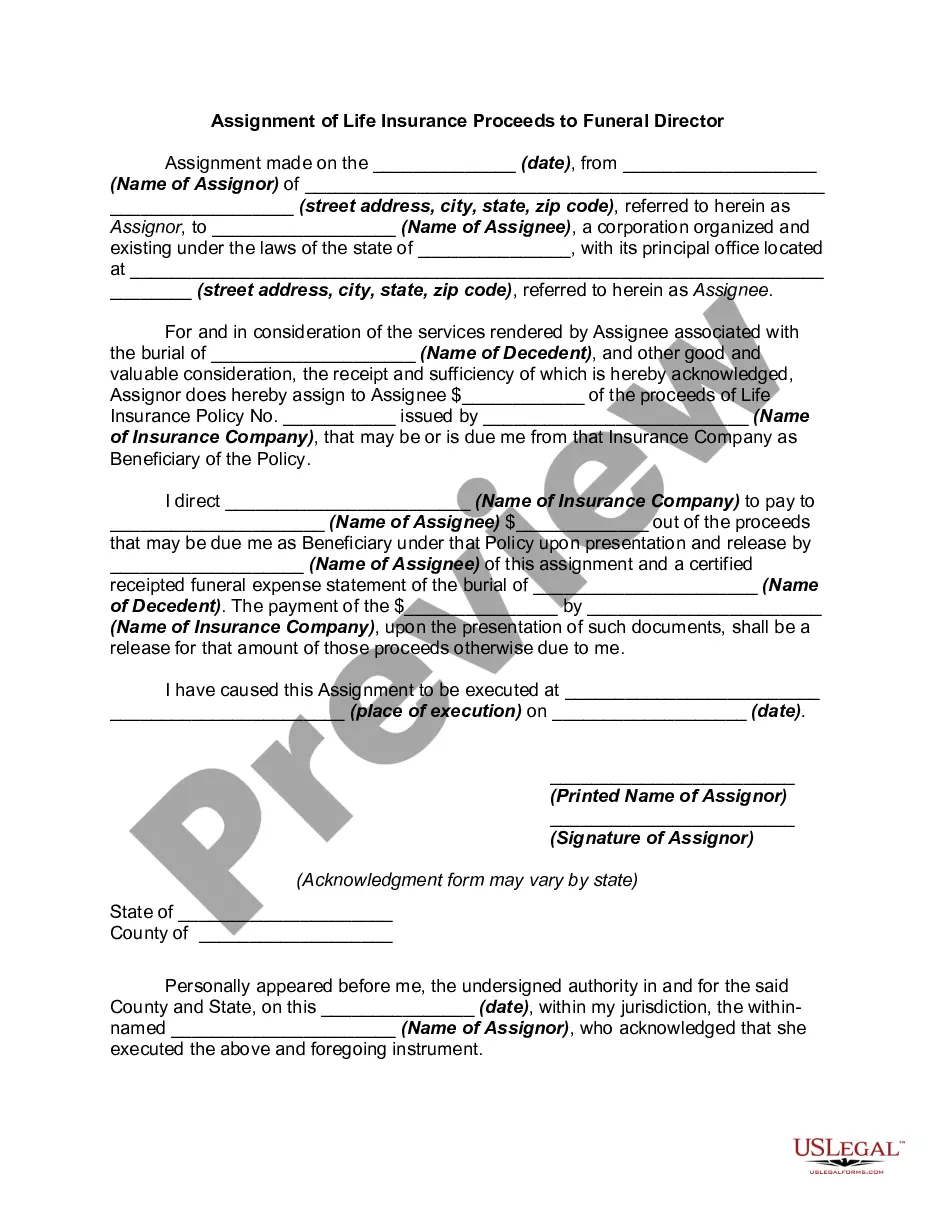
An absolute assignment of a life insurance policy is a legal transaction that permanently transfers complete ownership and all associated rights of the policy from the original owner to a new assignee. Once executed, the original owner relinquishes all control, including the ability to change beneficiaries, surrender the policy for its cash value, or borrow against it, while the new assignee assumes full control and financial responsibility.
Defining Absolute Assignment in Life Insurance
In the landscape of estate planning, business contracts, and financial settlements, transferring assets requires precise legal instruments. An absolute assignment represents the most comprehensive form of policy transfer available in life insurance. Unlike a collateral assignment, which serves merely as a temporary security pledge for a loan, an absolute assignment is permanent and irrevocable under standard contract terms.
To fully understand this mechanism, one must examine the fundamental shift in rights that occurs the moment the insurance company processes the paperwork. The policyowner—often the insured—transfers every incident of ownership. This includes the right to collect the death benefit, assign the policy further, select or modify dividend options, and receive any accumulated cash surrender values.
Insurance carriers treat this transaction as a fundamental change in the contract registry. Because the consequences are permanent, insurance companies impose rigorous verification procedures to protect policyholders against fraud, undue influence, or coercion. Understanding these operational parameters helps participants navigate the legal and administrative steps required without unexpected roadblocks.
The Core Rights Transferred to the Assignee
When an absolute assignment is executed, a sweeping bundle of legal rights moves from the assignor (the current owner) to the assignee (the new owner). This transfer alters the financial dynamics of the policy and requires careful deliberation before execution.
The primary rights that transfer during this process include:
- Beneficiary Designation Rights: The assignee gains the sole authority to name, change, or remove primary and contingent beneficiaries without the consent of the original owner or the insured.
- Cash Value Access: The assignee acquires the right to surrender the policy for its cash surrender value, withdraw funds, or direct how the accumulated capital is invested if the policy is a permanent product like whole life or universal life.
- Policy Loan Authority: The assignee can borrow against the policy's cash value, determining loan repayment schedules or allowing the loan balance to reduce the ultimate death benefit.
- Premium Responsibility and Control: While the assignee holds the ownership rights, the obligation to pay ongoing premiums must be explicitly negotiated, though the assignee ultimately controls whether the policy is maintained or allowed to lapse.
Key Differences Between Absolute and Collateral Assignment
Distinguishing between absolute and collateral assignment is vital for policyholders seeking specific financial solutions. Confusing the two can lead to unintended tax liabilities, loss of control, or failure to secure a desired financial outcome.
| Feature | Absolute Assignment | Collateral Assignment |
|---|---|---|
| Nature of Transfer | Permanent and complete ownership transfer. | Temporary transfer used as security for a debt. |
| Control Over Policy | Assignee holds all rights (loans, beneficiaries, surrender). | Rights are split; lender has priority claim up to debt amount. |
| Termination | Generally irreversible once accepted by the insurer. | Automatically released when the underlying debt is fully paid. |
| Death Benefit Payout | Assignee receives the proceeds or directs distribution. | Lender receives the outstanding loan balance; remainder goes to beneficiaries. |
| Common Use Cases | Divorce settlements, business succession, absolute gifts. | Securing a bank loan, business lines of credit. |
Primary Use Cases for an Absolute Assignment
Policyholders utilize absolute assignments in several well-defined scenarios where transferring permanent ownership aligns with broader personal or financial strategies. Recognizing these applications clarifies why individuals choose this permanent path over maintaining personal ownership.
Divorce and Family Law Settlements
In many divorce proceedings, a court order or marital settlement agreement requires one spouse to maintain life insurance for the benefit of the former spouse or children. Executing an absolute assignment ensures that the receiving spouse holds unalterable control over the policy, preventing the insured ex-spouse from changing beneficiaries or surrendering the contract during the post-divorce period.
Business Succession and Buy-Sell Agreements
Business partners frequently utilize cross-purchase buy-sell agreements funded by life insurance. To ensure that each partner owns the policy on the life of the other partner without corporate complications, an absolute assignment may be used to transfer existing policies into the correct ownership structure, aligning the insurance asset directly with the business continuation plan.
Estate Planning and Irrevocable Life Insurance Trusts
While many estate plans utilize an Irrevocable Life Insurance Trust (ILIT) created from inception, existing policies are sometimes transferred into a trust structure via absolute assignment. This strategy aims to remove the death benefit from the insured's taxable estate, though it triggers specific Internal Revenue Service look-back rules and potential gift tax reporting requirements.
Legal and Tax Implications
An absolute assignment carries significant legal and tax consequences that demand professional evaluation by a qualified tax attorney or financial advisor before signing any documentation.
From a tax perspective, the IRS often treats an absolute assignment of a life insurance policy as a gift to the assignee. If the replacement value or cash value of the policy exceeds the annual gift tax exclusion limit, the transfer may require the filing of a federal gift tax return (Form 709). Furthermore, permanent life insurance policies transferred for valuable consideration can trigger the "transfer for value rule," which may subject a portion of the future death benefit to income taxation—an outcome that defeats one of the primary tax advantages of life insurance.
Legally, the irrevocability of the transfer means that once the insurance company endorses the assignment, the assignor has no legal standing to demand the return of the policy. Even if personal circumstances change, such as a reconciliation after a divorce or a dissolved business partnership, the assignee is under no legal obligation to reassign the policy back to the original owner.
Step-by-Step Procedure to Execute an Absolute Assignment
Executing an absolute assignment requires strict adherence to the issuing insurance company's administrative protocols. Deviating from these requirements can delay processing or render the assignment invalid.
- Request the Official Form: Contact the life insurance carrier's customer service department or visit their official portal to obtain their proprietary absolute assignment form. Do not use generic legal templates, as insurers require their specific corporate language.
- Complete Policy and Party Information: Fill out all required fields, including the policy number, the full legal names and contact details of the current owner (assignor), and the new owner (assignee).
- Notarization and Witnessing: Most insurance carriers require the signatures of both the assignor and the assignee to be notarized by a licensed notary public to verify identities and prevent fraud.
- Submit to the Insurer: Mail or securely upload the completed, notarized form to the insurance company's home office.
- Receive Written Confirmation: Wait for the insurance company to process the paperwork and issue a formal endorsement or confirmation letter acknowledging the absolute assignment. The transfer is typically not effective until officially recorded by the insurer's home office.
Common Pitfalls and Troubleshooting
Navigating the assignment process involves potential missteps that can complicate the transfer or create financial exposure.
- Ignoring Policy Loans: If a policy has an outstanding loan balance when assigned, the new owner inherits the policy subject to that loan. Failing to account for loan interest can cause the policy to lapse unexpectedly.
- Using Incorrect Forms: Submitting an outdated or incorrect form is the leading cause of processing delays. Always obtain the current document directly from the carrier.
- Overlooking Group Term Policies: Many group life insurance policies provided through employers prohibit absolute assignments, or require specific employer-approved riders. Verify master contract provisions before attempting a transfer.
- Failing to Update Premium Billing: The new owner must ensure that premium billing notices are redirected to their address or payment account to prevent unintentional policy termination.
Frequently Asked Questions
Can an absolute assignment be canceled or reversed?
No. An absolute assignment is a permanent and irrevocable transfer of ownership. Once the insurance company records the assignment, the original owner has no legal right to reclaim the policy unless the new assignee voluntarily executes a new assignment transferring ownership back.
Does an absolute assignment change the insured person?
No. The insured person remains the individual whose life is measured by the contract. Only the owner of the policy changes, meaning the person holding the contract controls its features, while the underlying mortality risk and medical underwriting profile remain unchanged.
Are the proceeds from an assigned policy subject to income tax?
Generally, life insurance death benefits remain income tax-free under Internal Revenue Code Section 101(a). However, if the policy was transferred for valuable consideration (such as a sale), the transfer for value rule may apply, potentially causing a portion of the death benefit to be subject to ordinary income tax. Consult a tax professional regarding specific transactions.
What happens to existing policy loans during an absolute assignment?
Existing policy loans remain attached to the contract. The assignee takes ownership of the policy subject to any outstanding loan balance and accrued interest, which will continue to reduce the net cash value and ultimate death benefit unless paid off by either party.
Do I need a lawyer to complete an absolute assignment?
While insurance companies provide the necessary administrative forms, consulting an attorney or financial advisor is strongly recommended. Because absolute assignments involve permanent legal rights, potential gift taxes, and estate planning impacts, professional guidance ensures the transaction aligns with your broader legal objectives.
Next Actions and Professional Consultation
Before initiating an absolute assignment, contact your life insurance carrier to request the exact assignment packet and verify whether any policy restrictions apply, such as existing collateral assignments or rider limitations. Because these transfers carry permanent legal and tax consequences, review the transaction with a licensed estate planning attorney or certified financial planner to ensure the transfer accomplishes your intended financial goals without triggering unintended tax liabilities.