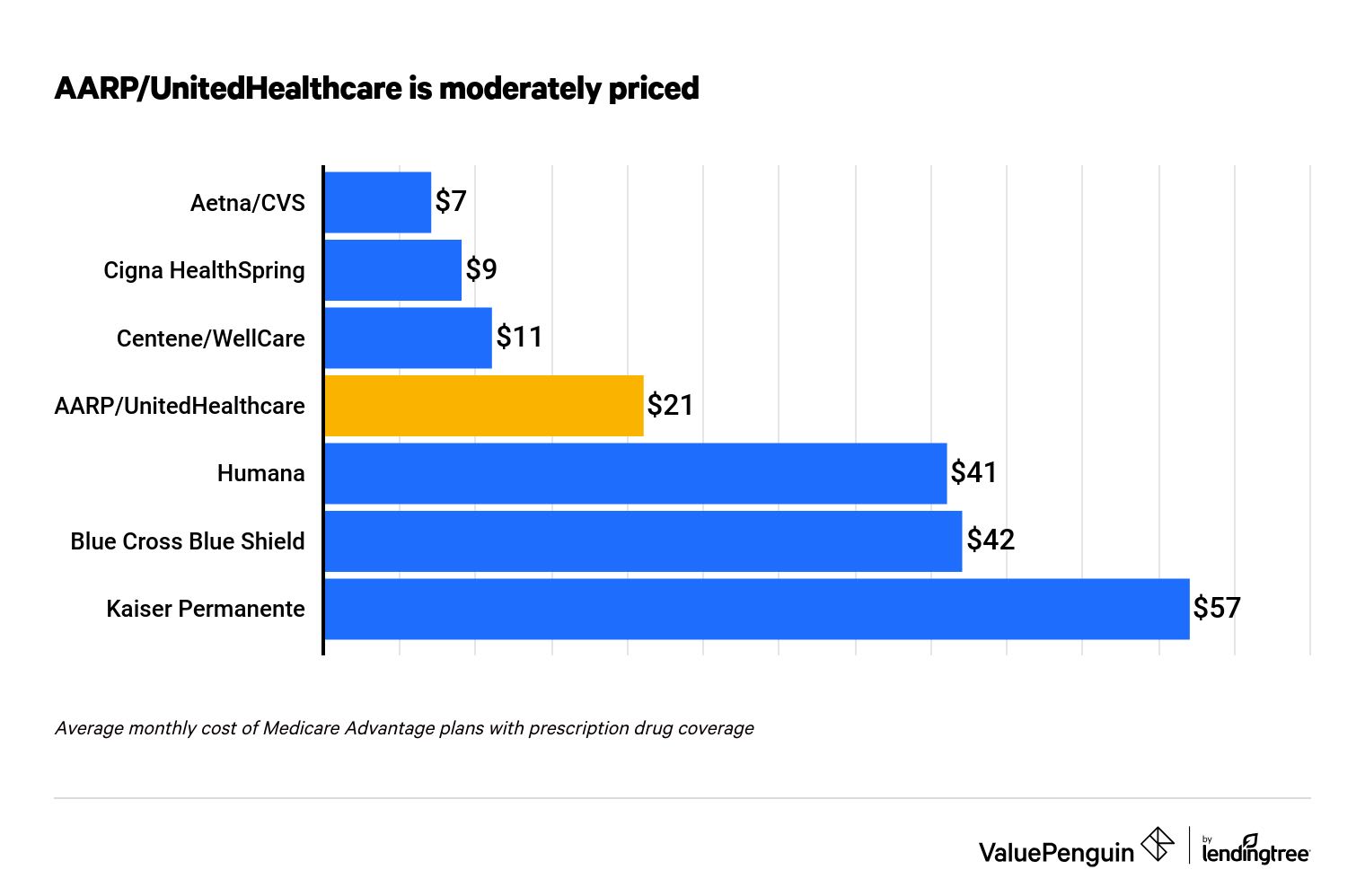
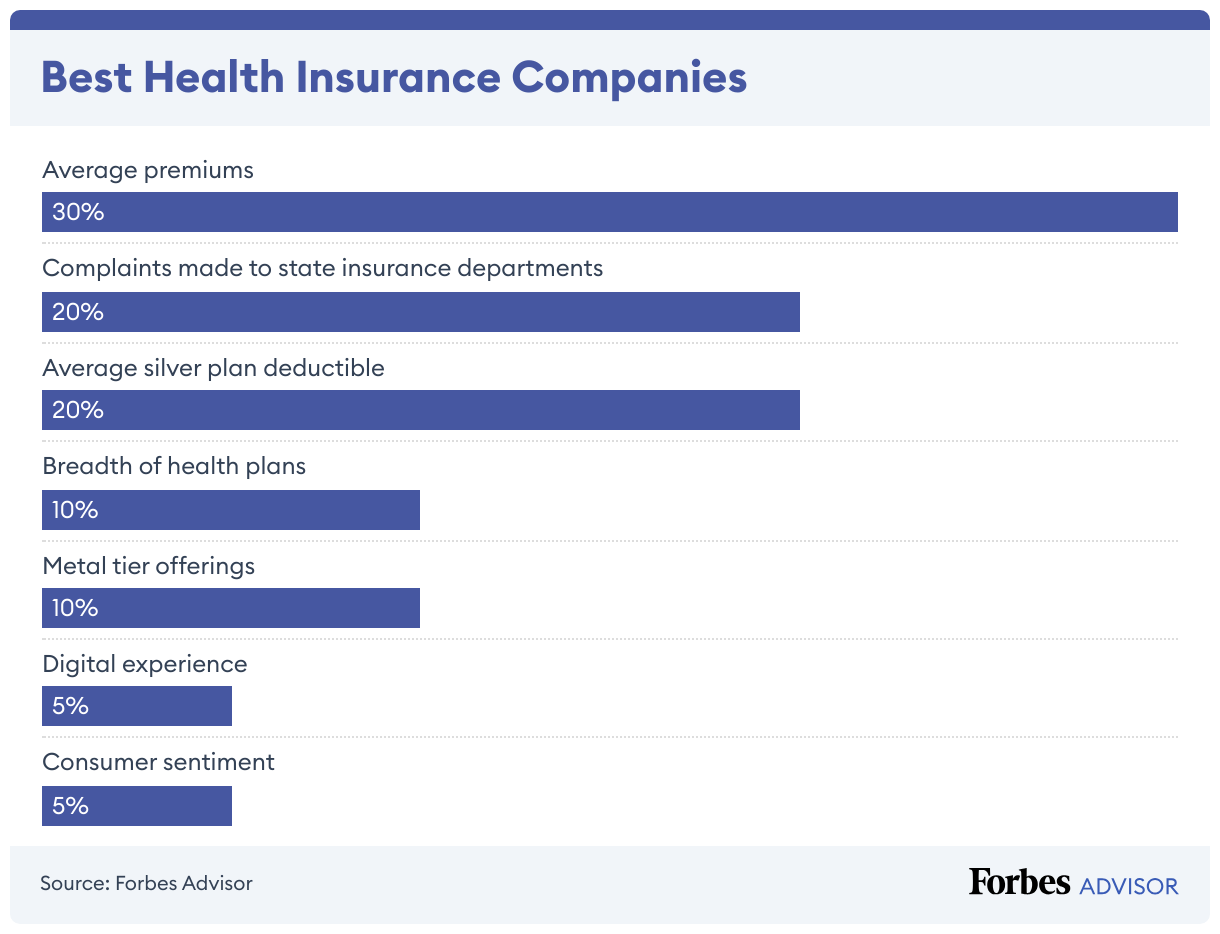
AARP health insurance reviews primarily focus on the Medicare plans provided by UnitedHealthcare and endorsed by AARP. For 2026, these plans generally receive high marks from official regulators for clinical quality and network size, though individual consumer reviews often highlight complexities in claims processing and customer service response times for specific supplemental benefits.
Understanding AARP health insurance reviews requires a distinction between the organization (AARP) and the insurer (UnitedHealthcare). AARP does not provide insurance; it endorses specific products, primarily those underwritten by UnitedHealthcare (UHC). When you research reviews, you are essentially evaluating the performance of UnitedHealthcare's Medicare Advantage, Medicare Supplement (Medigap), and Medicare Part D prescription drug plans as they relate to the AARP-branded experience.
The Relationship Between AARP and UnitedHealthcare
The partnership between AARP and UnitedHealthcare is one of the largest in the American healthcare sector. This relationship allows AARP to offer its members access to a wide range of health products while UnitedHealthcare gains access to a massive demographic of seniors.
When analyzing reviews, it is important to realize that UnitedHealthcare pays AARP a royalty fee for the use of its brand and for access to its membership base. This commercial arrangement means that while AARP "endorses" the plans, they are not an independent third-party reviewer in the traditional sense. However, AARP does set certain member-service standards that UHC must meet to maintain the endorsement.
For consumers in 2026, this partnership translates into several key features:
- National Portability: Many AARP-branded plans offer coverage that follows the member across state lines, which is a frequent highlight in positive reviews for "snowbirds" or travelers.
- Integrated Wellness Programs: The "Renew Active" fitness program is consistently cited in reviews as a high-value perk, often rated more favorably than competing programs like SilverSneakers.
- Digital Integration: The UnitedHealthcare app and website serve as the primary portals for managing AARP-branded plans, and these platforms generally receive high technical ratings for ease of use.
Understanding Medicare Star Ratings for 2026
The most objective "reviews" for AARP health insurance are the Medicare Star Ratings issued by the Centers for Medicare & Medicaid Services (CMS). These ratings are updated annually and provide a snapshot of plan quality on a scale of 1 to 5 stars.
For the 2026 plan year, CMS ratings for AARP/UnitedHealthcare Medicare Advantage plans typically hover between 3.5 and 4.5 stars. These ratings are calculated based on several categories:
- Staying Healthy: How often members receive screening tests, vaccines, and other check-ups.
- Managing Chronic Conditions: How well the plan helps members manage long-term illnesses.
- Member Experience: Surveys of member satisfaction with the plan.
- Member Complaints: How often members find problems with the plan and how quickly they are resolved.
- Customer Service: The quality of the plan's phone and digital support.
When a plan receives 4 stars or higher, it often reflects strong clinical outcomes—meaning the plan is effective at ensuring members get their blood pressure checked or their flu shots. However, high CMS Star Ratings do not always correlate with a "perfect" user experience, as the clinical metrics are weighted heavily compared to individual customer service complaints.
AARP Medicare Advantage (Part C) Reviews
Medicare Advantage plans (Part C) are the most common subject of AARP health insurance reviews. These plans replace original Medicare and often include prescription drug coverage, dental, vision, and hearing benefits.
Positive Review Themes
Positive reviews for AARP Medicare Advantage plans frequently mention the simplicity of bundled coverage. Consumers appreciate having a single card for their doctor visits, prescriptions, and dental appointments. In 2026, the inclusion of "UCard" technology—a single card that manages insurance ID, rewards, and over-the-counter (OTC) credits—has become a major selling point in user feedback.
Another area of praise is the extensive provider network. UnitedHealthcare has one of the largest networks of doctors and hospitals in the United States. Reviews often state that finding a local doctor who accepts the plan is easier than with smaller, regional Medicare Advantage providers.
Negative Review Themes
Conversely, negative reviews often center on prior authorization requirements. Like most managed care plans, AARP/UnitedHealthcare Advantage plans may require a doctor to get approval before performing certain procedures or prescribing specific high-cost drugs. Consumers often express frustration in reviews when these authorizations are delayed or denied, leading to gaps in care.
Another common complaint involves the limitations of dental and vision coverage. While these plans are advertised as "all-in-one," reviews often point out that the dental coverage may have low annual maximums or restricted networks for specialized work like oral surgery or periodontics.
AARP Medicare Supplement (Medigap) Performance
Medicare Supplement plans, often called Medigap, work alongside original Medicare (Part A and Part B). Unlike Advantage plans, Medigap plans do not use Star Ratings because the benefits are standardized by the federal government. For example, a "Plan G" from AARP/UnitedHealthcare provides the exact same medical benefits as a "Plan G" from any other insurer.
Therefore, reviews for AARP Medigap plans focus on pricing, rate stability, and customer service.
- Pricing: AARP/UnitedHealthcare often uses "community-rated" or "entry-age-rated" pricing in many states. This can make the plans appear more expensive initially but may result in more predictable rate increases as the member ages. Reviews from long-term members often highlight this stability as a reason for staying with the brand.
- The AARP Discount: Many reviews note that while you must pay the AARP membership fee (typically $16/year), the "enrollment discount" offered on the Medigap premium often far outweighs the cost of the membership.
- Claims Processing: Because Medigap plans pay after Medicare pays its share, the process is largely automated (crossover claims). Positive reviews frequently mention that members rarely have to get involved in the billing process between the doctor and the insurer.
Evaluating Part D Prescription Drug Plans
For 2026, Part D reviews are heavily influenced by the changes mandated by the Inflation Reduction Act, specifically the $2,000 annual out-of-pocket cap on prescription drugs. AARP/UnitedHealthcare Part D plans are reviewed based on their "formulary"—the list of covered drugs—and their "tiering" system, which determines how much a member pays for generic versus brand-name medications.
Reviewers often suggest that consumers look closely at the "Preferred Pharmacy" network. A common source of dissatisfaction in AARP Part D reviews is discovering that a local independent pharmacy is "out-of-network," leading to significantly higher copays compared to using a preferred chain like Walgreens or CVS.
| Plan Type | Primary Review Focus | Typical CMS Rating (2026) | Best For |
|---|---|---|---|
| Medicare Advantage | Network size, OTC benefits, copays | 3.5 - 4.5 Stars | Lower monthly premiums and bundled dental/vision. |
| Medigap (Supplement) | Rate stability, ease of billing | N/A (Standardized) | Predictable costs and freedom to see any Medicare doctor. |
| Part D (Drugs) | Formulary breadth, pharmacy network | 3.0 - 4.0 Stars | Managing recurring medication costs. |
Third-Party Financial and Satisfaction Ratings
To get a complete picture of AARP health insurance, it is necessary to look beyond consumer anecdotes and at professional rating agencies.
AM Best Ratings
AM Best evaluates the financial strength of insurance companies. UnitedHealthcare (the provider for AARP plans) consistently maintains an "A" (Excellent) or higher rating. This indicates that the company is financially stable and has a high capacity to meet its ongoing insurance obligations—meaning they are unlikely to go bankrupt or fail to pay claims.
J.D. Power Customer Satisfaction
J.D. Power frequently conducts studies on Medicare Advantage member satisfaction. In these studies, AARP/UnitedHealthcare often ranks in the top tier for "Information and Communication" but may rank lower for "Problem Resolution." This suggests that while their materials are easy to understand, fixing a mistake in a claim can be a bureaucratic challenge for some members.
NCQA Accreditation
The National Committee for Quality Assurance (NCQA) provides accreditation for health plans. Many AARP/UnitedHealthcare plans are NCQA-accredited, which means they undergo rigorous evaluations of their clinical processes and member protection protocols.
Practical Steps for Evaluating Reviews
When you are reading AARP health insurance reviews in 2026, follow these steps to ensure you are getting an accurate perspective:
- Check the Specific Plan Code: A review for a plan in Florida may not apply to a plan in Ohio. Medicare is highly localized.
- Filter by "Verified Buyer": On many review sites, look for reviewers who have actually used the plan for at least six months.
- Distinguish Between "The Doctor" and "The Insurance": Many negative reviews blame the insurance company for a doctor’s office mistake or a long wait time at a clinic, which the insurer cannot control.
- Look for Patterns, Not Outliers: One person having a terrible experience with a single claim is less important than fifty people complaining that the provider network directory is out of date.
Common Pitfalls in AARP Insurance Reviews
A major pitfall in interpreting these reviews is the "Selection Bias" of online platforms. Consumers who are satisfied with their insurance rarely go online to write a review; they simply go to their doctor and move on with their day. Conversely, someone who had a life-saving surgery denied or a claim delayed is highly motivated to post a negative review.
Furthermore, some reviewers confuse the AARP Membership experience with the Health Insurance experience. Problems with receiving the AARP magazine or issues with the AARP website's login are often mistakenly attributed to UnitedHealthcare's insurance performance in public forums.
FAQs About AARP Health Insurance Reviews
Does AARP health insurance require an AARP membership?
Yes. To enroll in an AARP-branded UnitedHealthcare plan, you must be a member of AARP. While the membership fee is relatively low, it is an additional step and cost that some reviewers find unnecessary if they only want the insurance and not the other AARP benefits.
Are AARP Medicare Advantage plans PPO or HMO?
They offer both. Reviews for AARP HMO plans often focus on the need for referrals to see specialists, while reviews for AARP PPO plans generally highlight the flexibility of seeing out-of-network doctors, albeit at a higher cost.
How do AARP plans compare to Blue Cross Blue Shield?
In many 2026 reviews, AARP/UnitedHealthcare is praised for its superior digital tools and national network, while Blue Cross Blue Shield (BCBS) often receives higher marks for local customer service and deeper relationships with community hospitals.
Why do some reviews say AARP insurance is getting more expensive?
Insurance premiums and out-of-pocket costs generally rise with inflation and healthcare spending. In 2026, some members have noted higher "maximum out-of-pocket" (MOOP) limits in their Advantage plans, which is a common trend across the entire insurance industry, not just AARP.
Can I trust the "5-Star" ratings on the AARP/UHC website?
Ratings hosted on a company's own website are often curated. While they can provide insight into specific plan features that users enjoy, they should always be cross-referenced with independent data from CMS.gov or the NCQA.
What is the biggest complaint in 2026 reviews?
The most frequent complaint involves the complexity of "Supplemental Benefits" like the OTC (Over-the-Counter) allowance. Members often find it difficult to determine which specific products at the pharmacy qualify for the credit or how to properly activate their card.
Final Recommendation for Consumers
When evaluating "aarp health insurance reviews explained," do not rely solely on star ratings or emotional anecdotes. Instead, use the CMS Star Ratings for clinical quality and AM Best for financial reliability. If you value a wide network and robust digital tools, the high marks for UnitedHealthcare's infrastructure make these plans a strong contender. However, if you prefer a plan with minimal "hoops" to jump through regarding prior authorizations, you should carefully read the Summary of Benefits for any AARP-branded plan before committing. Always verify that your specific medications and preferred specialists are in-network for the 2026 plan year before enrolling.